

Why does my mouth taste like soap? It’s a strange and unsettling question, but you’re not alone in asking it. Many people suddenly notice a bitter, chemical, soap-like flavor on their tongue even though they haven’t touched a bar of soap in hours.
This odd sensation can happen after a meal, after brushing your teeth, or even out of nowhere while you’re relaxing at home.
In most cases, a soapy taste in the mouth is harmless and temporary, caused by something as simple as leftover detergent on a dish or a genetic quirk tied to cilantro. In rarer cases, it can point to an underlying health issue that needs attention.
What Does a Soapy Taste in the Mouth Mean?


A soapy taste in the mouth is exactly what it sounds like. It feels bitter, chemical, and slightly perfumed on the tongue.
This sensation is different from a metallic taste, though the two are sometimes confused. Soapy taste tends to feel sharper and more “chemical” than metallic taste.
Doctors call unusual or distorted taste perception dysgeusia. A soapy taste is one common form of this condition.
It can affect just one meal, or it can linger for days. The duration usually depends on the underlying cause.
Common Causes of a Soapy Taste in the Mouth
There isn’t one single reason your mouth tastes like soap. Several different triggers can produce this exact same sensation.
Below are the most frequently reported causes, ranging from harmless everyday habits to conditions that need medical evaluation.
Genetics and Cilantro Sensitivity
Some people carry a genetic variant that makes cilantro (coriander) taste soapy instead of fresh. Researchers have linked this to specific smell receptor genes.
This reaction is completely harmless. It simply means your brain interprets the aldehyde compounds in cilantro differently than most people.
Soap Residue on Dishes and Utensils
If dishes, cups, or silverware aren’t rinsed thoroughly after washing, tiny amounts of soap can remain on the surface. Even a trace is enough to change the flavor of food.
This is one of the most common and least serious causes. The taste typically disappears once you finish the meal or drink.
Poor Oral Hygiene and Gum Disease
Skipping regular brushing and flossing allows bacteria and food particles to build up on the teeth, gums, and tongue. This buildup can create an unusual, soapy, or bitter taste.
Gum disease and tongue coating are especially common culprits. A dental checkup and better daily hygiene often resolve the issue.
Fluoride Overexposure
Fluoride is found in toothpaste, tap water, and some supplements. Too much exposure to sodium fluoride can trigger a soapy taste in the mouth.
Other symptoms of overexposure include nausea, vomiting, diarrhea, and abdominal discomfort. Severe cases require prompt medical care.
Medications and Supplements
Certain drugs alter how your taste buds and saliva function. Antibiotics, antihistamines, antiviral medications, and some blood pressure drugs are frequent offenders.
Vitamin and mineral supplements, including zinc and calcium, can also leave a lingering soapy or metallic aftertaste. This usually fades once the medication course ends.
Acid Reflux (GERD)
Gastroesophageal reflux disease pushes stomach acid up into the throat and mouth. This can distort taste and create a soapy, sour, or bitter sensation.
Reflux-related taste changes often appear after meals or when lying down. Managing GERD with diet changes or antacids can help.
Dry Mouth and Dehydration
Saliva helps regulate how flavors are perceived. When saliva production drops due to dehydration or medication side effects, taste can become distorted.
Low fluid intake, mouth breathing, and certain medical conditions like Sjögren’s syndrome can all contribute to a persistent soapy sensation.
Hormonal Changes and Pregnancy
Hormonal shifts during pregnancy, menopause, or thyroid changes can alter taste perception. Many pregnant women report a soapy or metallic taste, especially in early pregnancy.
This type of taste change is usually temporary. It tends to resolve as hormone levels stabilize.
Burning Mouth Syndrome
Burning mouth syndrome causes a burning sensation on the tongue, lips, or palate, often paired with a metallic or soapy taste.
The exact cause isn’t always clear, but nerve changes and hormonal factors are frequently involved. A doctor can help rule out other conditions.
Sinus Infections and Viral Illness
Colds, flu, and sinus infections can interfere with your sense of smell, which is closely tied to taste. This disruption can produce a soapy or off flavor.
The taste usually returns to normal once the infection clears and your sinuses drain properly.
Neurological Conditions and Dysgeusia
Nerve damage, head injuries, or neurological disorders can affect how the brain processes taste signals. This may cause a persistent soapy or “ghost” taste with no real trigger.
If a soapy taste appears alongside numbness, confusion, or weakness, seek medical attention right away.
Poisoning (Rare but Serious)
In rare cases, exposure to toxins such as arsenic or excessive fluoride can cause a sudden soapy or metallic taste. This is considered a medical emergency.
Warning signs include vomiting, diarrhea, dilated pupils, confusion, or bluish skin. Call emergency services immediately if these symptoms appear.
Soapy Taste vs Metallic Taste: What’s the Difference?

People often mix up a soapy taste with a metallic one, but they aren’t quite the same experience.
A soapy taste feels chemical, perfumed, and bitter, similar to biting into a bar of soap.
A metallic taste feels sharper, like sucking on a coin or touching your tongue to a battery.
Some causes overlap, such as medications, dehydration, or nerve issues, but knowing which sensation you have helps narrow down the cause.
Why Does My Mouth Taste Like Soap in the Morning?
Waking up with a soapy taste is often linked to dry mouth overnight. Saliva production naturally slows down during sleep.
Mouth breathing, snoring, or sleeping with the mouth open can worsen this dryness and intensify the soapy sensation.
Leftover bacteria from the previous day, if you skipped nighttime brushing, can also contribute to the morning taste.
Drinking a glass of water and brushing thoroughly right after waking usually clears it within minutes.
Why Does My Mouth Taste Like Soap After Brushing My Teeth?
This is one of the most common triggers, and it usually comes down to your toothpaste formula. Sodium lauryl sulfate, a common foaming agent, can leave a bitter aftertaste for some users.
Rinsing your mouth thoroughly after brushing and switching to an SLS-free toothpaste often eliminates the problem completely.
Why Does Water Taste Like Soap Sometimes?
If plain water suddenly tastes soapy, it may be due to dish residue on your glass rather than the water itself.
In some regions, high mineral or fluoride content in tap water can also produce a faint soapy or chemical aftertaste.
If the taste is strong or widespread across your household, it’s worth checking with your local water provider.
Quick Reference: Causes at a Glance
| Cause | How Long It Lasts | Action Needed |
|---|---|---|
| Cilantro genetics | Minutes after eating | None, harmless |
| Soap residue on dishes | Minutes to an hour | Rinse dishes better |
| Poor oral hygiene | Ongoing until treated | Improve brushing and flossing |
| Fluoride overexposure | Hours, longer if severe | Reduce exposure, see doctor if severe |
| Medications | Duration of treatment | Ask doctor about alternatives |
| Acid reflux (GERD) | Recurs after meals | Diet changes, antacids |
| Dry mouth | Ongoing until hydrated | Increase water intake |
| Hormonal changes | Weeks to months | Usually resolves on its own |
| Burning mouth syndrome | Chronic | Medical evaluation |
| Sinus infection | Days to two weeks | Treat underlying infection |
| Neurological issue | Persistent | Prompt medical evaluation |
| Poisoning | Sudden onset | Emergency care |
Symptoms That Often Come With a Soapy Taste
A soapy taste rarely shows up completely alone. Paying attention to accompanying symptoms can help identify the cause.
Mild, harmless cases usually involve only the taste itself, with no other physical changes.
More concerning cases may include nausea, vomiting, dizziness, dry mouth, bad breath, swollen gums, or a burning sensation on the tongue.
Serious warning signs include confusion, difficulty breathing, bluish skin, or fainting. These require immediate medical attention.
Symptom Severity Overview
| Symptom Level | Examples | Recommended Response |
|---|---|---|
| Mild | Soapy taste only, no other signs | Monitor, adjust diet or hygiene |
| Moderate | Bad breath, dry mouth, mild nausea | See a dentist or doctor within days |
| Severe | Vomiting, confusion, bluish skin | Seek emergency care immediately |
When to See a Doctor
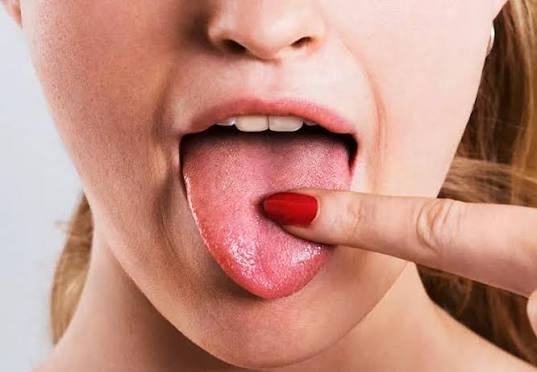

A one-time soapy taste after a meal is rarely a cause for concern. It usually clears up on its own.
However, you should see a doctor or dentist if the taste lasts more than a week without explanation.
Seek care sooner if the soapy taste is paired with swollen gums, tooth pain, persistent nausea, or unexplained weight loss.
Treat it as an emergency if symptoms include vomiting, diarrhea, dilated pupils, confusion, or skin discoloration, since these may signal poisoning.
How to Get Rid of a Soapy Taste in Your Mouth
Most cases of soapy taste can be managed at home with a few simple adjustments.
Start by rinsing your mouth thoroughly with plain water. This can wash away lingering food particles, soap residue, or bacteria.
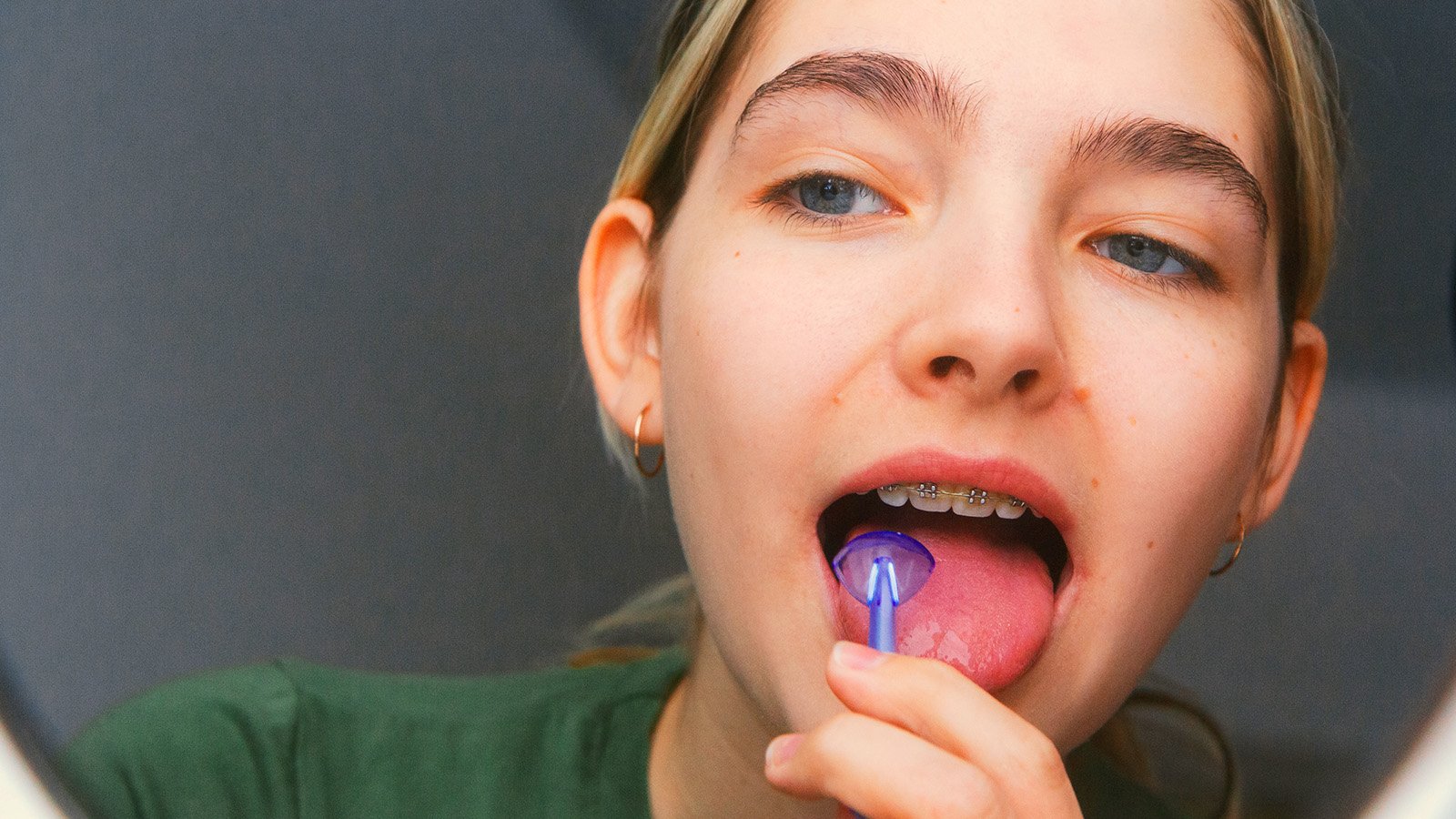
Brush your teeth gently and use a tongue scraper to remove bacterial buildup. This directly targets one of the most common causes.
Stay well hydrated throughout the day. Proper hydration keeps saliva production balanced, which helps normalize taste.
If you suspect cilantro or another specific food, eliminate it for a few days and see if the taste disappears.
Review your medications and supplements with a pharmacist or doctor if you suspect they’re the trigger. Never stop a prescribed medication without medical advice.
Switch to a fragrance-free or sulfate-free toothpaste temporarily if you think your oral care products are the cause.
Quick Home Remedies Table
| Remedy | Best For | How It Helps |
|---|---|---|
| Rinse with water | Soap residue, mild cases | Removes lingering particles |
| Tongue scraping | Poor oral hygiene | Reduces bacterial buildup |
| Increase water intake | Dry mouth, dehydration | Restores normal saliva balance |
| Food elimination test | Cilantro or dietary triggers | Confirms or rules out food cause |
| Review medications | Drug-induced taste change | Identifies possible alternatives |
| Switch toothpaste | Product sensitivity | Removes irritating ingredients |
How to Prevent a Soapy Taste in the Mouth
Prevention mostly comes down to consistent daily habits. Small changes can make a big difference over time.
Always rinse dishes and utensils thoroughly after washing, especially if you use strong detergents.
Brush and floss twice daily, and don’t skip regular dental checkups.
Stay hydrated, especially in hot weather or during illness, since dehydration is a common trigger.
Keep a simple food and symptom diary if the taste keeps returning, so you can spot patterns and share them with your doctor.
Who Is More Likely to Experience a Soapy Taste?
Certain groups are more prone to a soapy taste in the mouth than others. Knowing your risk factors can help with faster diagnosis.
People taking multiple medications, especially antibiotics or blood pressure drugs, report this symptom more often.
Pregnant women, older adults, and people with chronic dry mouth conditions are also at higher risk.
Those with a genetic sensitivity to cilantro will notice the taste specifically after eating dishes containing coriander.
How Doctors Diagnose the Cause of a Soapy Taste
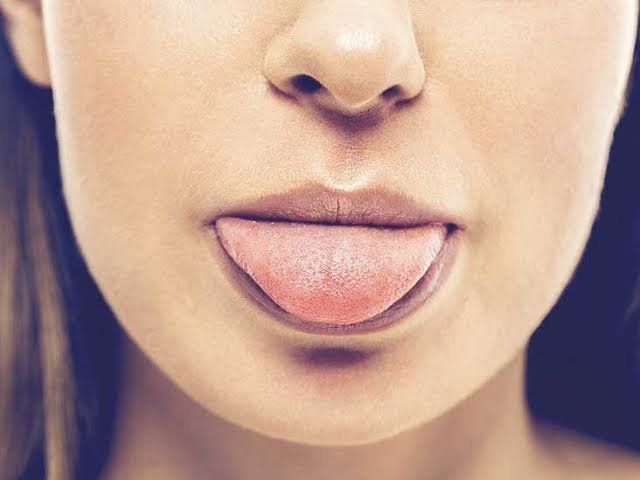

If the soapy taste doesn’t resolve on its own, a doctor or dentist will usually start with a physical exam of your mouth, teeth, and gums.
They’ll ask about your diet, recent medications, hydration habits, and any other symptoms you’ve noticed.
Blood tests may be ordered to check for nutrient deficiencies, kidney function, or signs of poisoning if warranted.
In cases involving persistent or unexplained taste changes, a referral to an ENT specialist or neurologist may follow.
Diet and Lifestyle Tips to Support Normal Taste
Eating a balanced diet with adequate zinc and vitamin B12 supports healthy taste bud function.
Limiting alcohol and tobacco use can also protect your sense of taste over time.
Chewing sugar-free gum can stimulate saliva flow, which helps keep taste perception balanced throughout the day.
Regular dental cleanings remove plaque and bacteria buildup before they start affecting how food and drinks taste.
Can Children Get a Soapy Taste in Their Mouth Too?
Yes, children can experience a soapy taste, often after accidentally tasting soap, bubble bath, or hand sanitizer.
If a child swallowed soap or a cleaning product, contact poison control immediately, even if symptoms seem mild at first.
In non-accidental cases, children can also inherit the cilantro-related genetic sensitivity, just like adults.
Persistent taste changes in kids that aren’t explained by an obvious cause should be checked by a pediatrician.
Related Taste Conditions You Should Know About
| Condition | Description |
|---|---|
| Dysgeusia | General term for distorted or abnormal taste perception |
| Ageusia | Complete loss of taste sensation |
| Hypogeusia | Reduced ability to taste flavors |
| Phantogeusia | “Ghost” taste sensation with no actual trigger present |
| Parageusia | Persistent unpleasant taste, often metallic or soapy |
Understanding these terms can help you describe your symptoms more precisely to a doctor, which often speeds up diagnosis.
Foods and Products That Commonly Trigger a Soapy Taste
Certain everyday items are repeat offenders when it comes to a soapy taste. Knowing them can help you spot patterns faster.
Cilantro and coriander-heavy dishes top the list due to the genetic aldehyde sensitivity discussed earlier.
Strongly flavored mouthwash, whitening toothpaste, and breath mints with sulfate or menthol bases can also leave an odd chemical aftertaste.
Certain fish, particularly some shellfish, contain natural compounds that a small number of people perceive as soapy rather than savory.
Hand soap or dish soap residue on reusable water bottles and baby bottles is another frequently overlooked source.
Soapy Taste in the Mouth Summary
| Category | Common Examples |
|---|---|
| Foods | Cilantro, coriander, certain shellfish |
| Products | Toothpaste, mouthwash, dish soap residue |
| Medical | GERD, dry mouth, sinus infection, dysgeusia |
| Medications | Antibiotics, antihistamines, antivirals |
| Serious | Fluoride overexposure, arsenic poisoning |
Keeping this quick summary in mind makes it easier to self-check before deciding whether the taste needs a doctor’s visit.
Frequently Asked Questions (FAQs)
1. Why does my mouth suddenly taste like soap?
A sudden soapy taste is often caused by soap residue on dishes, certain foods like cilantro, or a newly started medication. It usually fades within an hour once the trigger is removed.
2. Is a soapy taste in the mouth dangerous?
In most cases, it’s harmless and temporary, tied to diet or hygiene habits. It becomes concerning only if it’s paired with vomiting, confusion, or dilated pupils, which need urgent care.
3. Can cilantro really make food taste like soap?
Yes, a genetic variation in smell receptors causes some people to perceive cilantro’s natural aldehyde compounds as soapy instead of fresh and citrusy. This reaction is completely harmless and simply runs in families.
4. Can toothpaste cause a soapy taste in my mouth?
Yes, some toothpaste ingredients, especially sodium lauryl sulfate, can leave a bitter or soapy aftertaste after brushing. Switching to a sulfate-free formula often solves the issue within a few days.
5. Why does my mouth taste like soap after eating?
This is usually due to soap residue left on plates or utensils, or a specific food ingredient your genetics react to strongly. It typically clears on its own after rinsing your mouth with water.
6. Can acid reflux cause a soapy taste in the mouth?
Yes, GERD can push stomach acid upward into the throat and mouth, distorting your sense of taste. Managing reflux with dietary changes or antacids usually reduces the soapy sensation over time.
7. Can medications cause a soapy taste in the mouth?
Yes, antibiotics, antihistamines, and certain blood pressure or antiviral drugs are known to alter taste perception. The soapy taste usually fades naturally after the medication course ends.
8. Is a soapy taste in the mouth a sign of pregnancy?
It can be. Hormonal shifts in early pregnancy sometimes cause a metallic or soapy taste, especially in the first trimester, which typically improves as pregnancy progresses.
9. How long does a soapy taste in the mouth last?
Mild cases from food or soap residue usually clear within minutes to an hour. Medical causes like reflux or dry mouth can last days or longer until properly treated.
10. When should I worry about a soapy taste in my mouth?
Worry if the taste lasts more than a week without explanation, or appears with vomiting, dizziness, confusion, or skin color changes. These combinations need prompt medical evaluation.
Conclusion
A soapy taste in the mouth is a strange but common experience with many possible explanations. Most of the time, it comes from harmless sources like soap residue on dishes, genetics related to cilantro, or a temporary reaction to toothpaste.
Other times, it can point to poor oral hygiene, acid reflux, dry mouth, medication side effects, or hormonal changes.
Rarely, it may signal something more serious, such as fluoride overexposure or poisoning, especially when paired with symptoms like vomiting, confusion, or dizziness.
Paying attention to how long the taste lasts and what other symptoms appear alongside it is the best way to know whether home care is enough or whether it’s time to see a doctor or dentist.
With good hydration, proper oral hygiene, and a little detective work about your diet and medications, most cases resolve quickly and safely.