


Why does my left side hurt, and should you be worried about it? Pain on the left side of your body can come from muscles, digestive organs, the kidney, the spleen, or even the heart.
Sometimes it’s mild and passes on its own, like gas or a pulled muscle. Other times, it’s a signal that something needs medical attention, especially if the pain is severe, sudden, or paired with other symptoms. The exact location, whether upper or lower left, often gives the biggest clue to the cause.
What Organs Are Located on Your Left Side
Understanding what sits on your left side helps explain why pain shows up there. Several key organs are packed into this area of your body.
| Location | Organs Involved |
|---|---|
| Upper left abdomen | Stomach, spleen, pancreas, left kidney, left lung, part of the colon |
| Lower left abdomen | Descending colon, sigmoid colon, left ovary (in women), bladder area |
| Left chest/torso | Heart, left lung, ribs, chest wall muscles |
Upper Left Side Pain vs Lower Left Side Pain
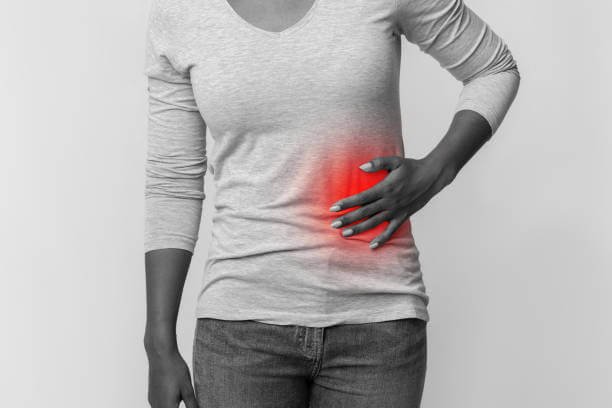
Upper left pain is more often linked to the stomach, spleen, pancreas, or kidney. Lower left pain tends to point toward the colon, bladder, or reproductive organs.
Knowing which half of your left side hurts can help narrow down the list of possible causes before you even see a doctor.
Common Causes of Left Side Pain
Left side pain has many possible causes, ranging from harmless to serious. The table below summarizes the most frequent ones seen by doctors.
| Cause | Type of Pain | Common Location |
|---|---|---|
| Muscle strain | Sharp, worsens with movement | Anywhere on the left side |
| Gas or indigestion | Cramping, bloating | Upper or lower abdomen |
| Constipation | Dull, crampy | Lower left abdomen |
| Kidney stones | Sharp, radiating to back | Upper left abdomen/back |
| Splenic issues | Dull ache or fullness | Upper left abdomen |
| Diverticulitis | Sharp, persistent | Lower left abdomen |
| Gastritis | Burning, cramping | Upper abdomen |
| Heart-related pain | Pressure, tightness | Left chest, may radiate |
| Ovarian cysts | Dull or sharp pelvic pain | Lower left abdomen (women) |
Muscle Strain as a Cause of Left Side Pain
Muscle strain is one of the most common and overlooked causes of left side pain. It can happen from coughing, twisting, lifting, or intense exercise.
This type of pain usually worsens when you move, stretch, or press on the area. It typically improves on its own with rest and light stretching.
Gas, Indigestion, and Bloating
Trapped gas or indigestion often causes cramping pain that can settle on the left side. This is one of the mildest and most common explanations.
The pain tends to come and go, often easing after passing gas or having a bowel movement.
Constipation and Left Side Pain
Constipation happens when stool moves too slowly through the colon, causing buildup and pressure. Since part of the colon sits on the lower left side, this often causes pain there.
Increasing fiber, water intake, and light movement usually helps relieve this type of discomfort within a day or two.
Kidney Stones on the Left Side
Kidney stones are hard mineral deposits that can form in either kidney, including the left one. Pain from a kidney stone is often sharp and can radiate to the back or groin.
This pain may come in waves and can be severe enough to require medical treatment, especially if the stone blocks the urinary tract.
Spleen Problems and Left Side Pain
The spleen sits in the upper left abdomen and can become enlarged due to infection, liver disease, or blood disorders. An enlarged spleen often causes a dull ache or a feeling of fullness.
A ruptured spleen, often from injury, is a medical emergency and requires immediate care.
Diverticulitis and Lower Left Pain
Diverticulitis happens when small pouches in the colon wall become inflamed or infected. Because these pouches are common in the lower left colon, this condition frequently causes lower left abdominal pain.
Symptoms can include sudden, severe pain or a milder ache that worsens over a few days, often along with fever or changes in bowel habits.
Gastritis and Acid Reflux
Gastritis is inflammation of the stomach lining, and since the stomach sits slightly left of center, it can cause left-sided pain. Acid reflux, or GERD, can produce a similar burning sensation.
This pain often appears after eating and may come with nausea or a burning feeling in the chest.
Pancreatitis as a Cause of Upper Left Pain
The pancreas sits near the stomach, and inflammation here, called pancreatitis, is one of the more serious causes of upper left abdominal pain. It often radiates toward the back.
This pain tends to be intense, persistent, and frequently comes with nausea and vomiting, unlike pain that comes and goes.
Heart-Related Causes of Left Side Pain
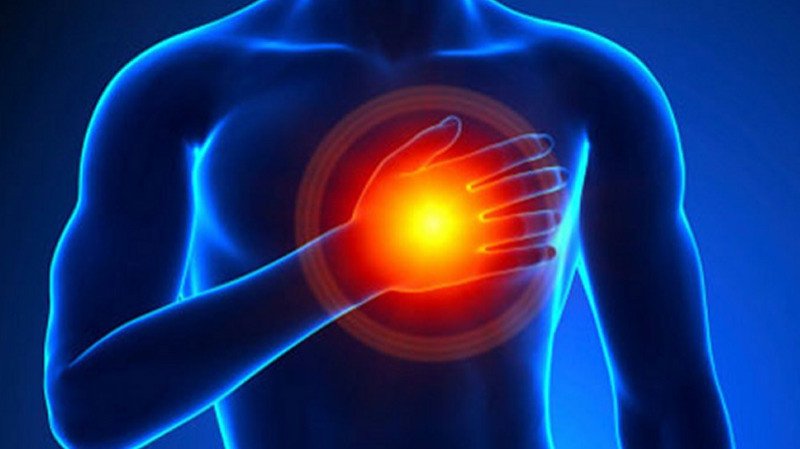
Certain heart conditions, including a heart attack, can cause pain or pressure on the left side of the chest. This type of pain may spread to the arm, jaw, or back.
Symptoms like shortness of breath, sweating, or chest tightness alongside the pain need emergency medical attention right away.
Ovarian Cysts and Reproductive Causes
For women, ovarian cysts can cause dull or sharp pain in the lower left abdomen. These fluid-filled sacs are usually harmless but can occasionally cause discomfort.
An ectopic pregnancy is a more serious reproductive cause of left-sided pelvic pain and requires urgent medical evaluation.
Left-Sided Appendicitis: A Rare Possibility
Appendicitis typically causes right-sided pain, but in rare cases, some people are born with their appendix on the left side. When this happens, appendicitis can cause left-sided pain instead.
This condition is uncommon but worth mentioning to a doctor if you experience sudden, severe lower abdominal pain with fever.
Muscle, Nerve, and Shingles-Related Pain
Nerve irritation or shingles can also cause one-sided pain, including on the left. Shingles often starts as pain before any rash appears.
If you had chickenpox as a child, watch for burning or tingling pain along with a possible blistering rash on one side of your body.
Inflammatory Bowel Disease and Left Side Pain
Chronic conditions like Crohn’s disease or ulcerative colitis can cause ongoing pain in the lower left abdomen. These conditions involve inflammation of the digestive tract lining.
Along with pain, symptoms often include diarrhea, fatigue, and unintentional weight loss over time.
Symptoms That Mean You Should See a Doctor
Some symptoms alongside left side pain are red flags that shouldn’t be ignored. Recognizing them early can prevent a more serious problem from progressing.
| Warning Sign | Possible Meaning |
|---|---|
| Severe, worsening pain over hours/days | Diverticulitis, pancreatitis, or infection |
| Fever with abdominal pain | Infection or inflammation |
| Chest pain with shortness of breath | Possible heart attack, seek emergency care |
| Blood in stool or urine | Needs prompt medical evaluation |
| Pain after an injury | Possible spleen injury or fracture |
When Left Side Pain Is Likely Minor
If your pain is mild, comes and goes, and isn’t linked to other symptoms, it’s often just gas, indigestion, or a minor muscle strain. These usually settle with simple home care.
Mild, short-lived pain that doesn’t interfere with daily activities rarely needs urgent attention.
When to Head to the Emergency Room
Go to the emergency room if your pain is severe, sudden, and progressively worsening rather than fleeting. This is especially true if it’s paired with fever, vomiting, or fainting.
Chest pain with shortness of breath, sweating, or pain radiating to the arm or jaw should always be treated as a possible emergency.
Home Remedies for Mild Left Side Pain
For mild cases, several home remedies can offer relief while your body resolves the underlying issue. These work best for gas, indigestion, or minor muscle strain.
Rest and Gentle Movement
Resting the affected muscles while avoiding heavy lifting or twisting can help strained muscles heal faster. Light walking can also help ease gas-related discomfort.
Avoid activities that clearly worsen the pain until it improves.
Heat Therapy
Applying a warm compress or taking a warm bath can relax tense muscles and ease cramping pain. This is especially helpful for muscle strain or digestive discomfort.
Heat therapy should be avoided if you suspect an infection or inflammation, since it may not be appropriate in those cases.
Hydration and Diet Adjustments
Drinking plenty of water supports digestion and can help relieve constipation-related pain. A diet rich in fiber, like fruits, vegetables, and whole grains, also supports regular bowel movements.
Avoiding heavy, greasy, or gas-producing foods temporarily can ease digestive discomfort too.
Over-the-Counter Pain Relief
Over-the-counter pain relievers can help manage mild pain from muscle strain or minor digestive upset. Always follow the recommended dosage on the label.
If pain persists despite these measures, it’s a sign to consult a healthcare provider.
How Doctors Diagnose the Cause of Left Side Pain
Diagnosis usually starts with a physical exam and a detailed history of your symptoms. Doctors often ask about the pain’s location, intensity, and what makes it better or worse.
Blood tests, urine tests, and imaging like an ultrasound or CT scan are commonly used to pinpoint the exact cause, especially for organ-related pain.
Treatment Options Based on the Cause
Treatment for left side pain depends entirely on what’s causing it. The table below outlines common approaches by cause.
| Cause | Typical Treatment |
|---|---|
| Muscle strain | Rest, heat therapy, OTC pain relief |
| Gas/indigestion | Dietary changes, OTC remedies |
| Constipation | Fiber, hydration, mild laxatives |
| Kidney stones | Pain management, fluids, possible surgery |
| Diverticulitis | Antibiotics, liquid diet, possible surgery |
| Pancreatitis | Hospitalization, IV fluids, monitoring |
| Heart-related pain | Emergency treatment, medication, procedures |
How to Prevent Left Side Pain
While not all causes are preventable, healthy habits can lower your risk significantly. Small daily changes can make a real difference over time.
Eat a balanced diet rich in fiber, stay well hydrated, and maintain regular physical activity. Avoid excessive straining, manage stress, and get regular checkups to catch potential issues early.
Frequently Asked Questions (FAQs)
1. Why does my left side hurt near my ribs?
Pain near the ribs on the left side is often linked to the spleen, muscle strain, or gastritis. Persistent or severe pain here should be checked by a doctor.
2. Is left side pain more serious than right side pain?
Neither side is inherently more serious; the cause matters more than the side. Both sides house organs that can cause mild or serious pain.
3. Can stress cause left side pain?
Yes, stress can worsen digestive issues like IBS or indigestion, which often cause left-sided discomfort. Managing stress can help reduce these symptoms.
4. When should I worry about lower left abdominal pain?
Worry if the pain is severe, worsens over hours or days, or comes with fever or changes in bowel habits. These can signal diverticulitis or infection.
5. Can left side pain be related to my heart?
Yes, especially if it’s in the chest and comes with shortness of breath, sweating, or pain radiating to the arm. This needs emergency evaluation.
6. Does left side pain always mean a digestive problem?
No, it can also come from muscles, the kidney, the spleen, nerves, or the heart. The exact cause depends on the pain’s location and accompanying symptoms.
7. Can women have different causes of left side pain?
Yes, women may experience left side pain from ovarian cysts, ectopic pregnancy, or other reproductive conditions. These require specific gynecological evaluation.
8. How long should I wait before seeing a doctor?
See a doctor if mild pain lasts more than a few days or if it’s severe from the start. Don’t wait if you have fever, vomiting, or worsening pain.
9. Can a pulled muscle really feel like organ pain?
Yes, muscle strain can closely mimic internal organ pain, especially in the abdomen. It typically worsens with movement or pressure, unlike organ-related pain.
10. What tests are used to diagnose left side pain?
Doctors commonly use blood tests, urine tests, and imaging like ultrasound or CT scans. The right test depends on the suspected cause and pain location.
Conclusion
Left side pain can come from something as simple as trapped gas or a pulled muscle, or from more significant issues involving the kidney, spleen, colon, or even the heart. Paying attention to the exact location, whether it’s the upper or lower left, along with any accompanying symptoms like fever, vomiting, or shortness of breath, helps determine how urgently you need care.
Mild, short-lived pain usually responds well to rest, hydration, and simple home remedies. However, severe, sudden, or worsening pain, especially with red-flag symptoms, should never be ignored and deserves prompt medical evaluation.
When in doubt, reaching out to a healthcare provider is always the safest way to get an accurate diagnosis and the right treatment plan.


