


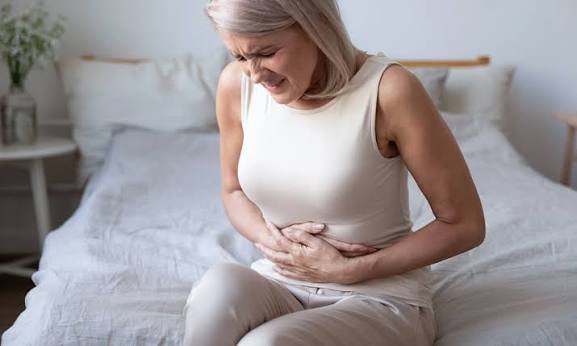
Why does my left lower abdomen hurt? It’s one of the most common questions people search when a dull ache, sharp twinge, or cramping feeling shows up below the belly button on the left side.
This region houses part of the colon, the left ureter, and in women, the left ovary and fallopian tube, so pain here can come from digestion, urination, or reproductive health.
Most causes, like gas, constipation, or mild muscle strain, are harmless and pass on their own. Others, such as diverticulitis, kidney stones, or an ovarian cyst, need proper diagnosis and treatment.
Understanding the Lower Left Abdomen
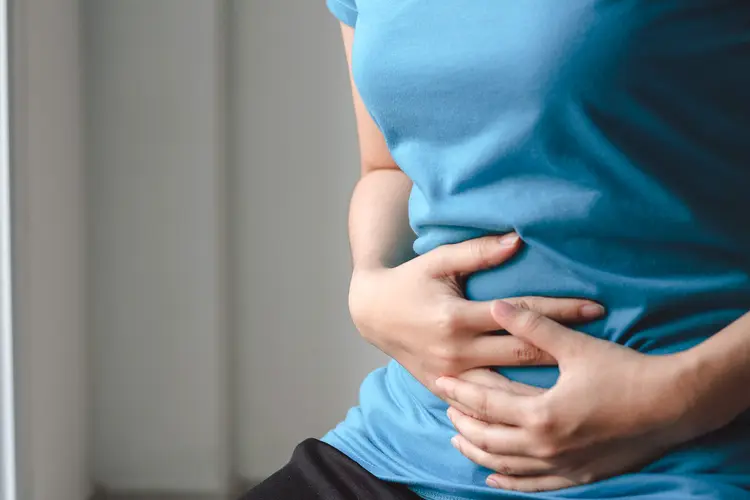
The lower left abdomen sits below the navel and to the left of the body’s midline.
It contains the descending colon, the sigmoid colon, the left ureter, and pelvic floor muscles.
In women, this area also holds the left ovary and left fallopian tube, which adds more possible causes of pain.
Because so many structures overlap in this small space, pinpointing the exact cause of left lower abdomen pain often depends on the type, timing, and accompanying symptoms.
Types of Pain You Might Feel
Pain in this region isn’t always the same, and the pattern often hints at the cause.
Sharp or stabbing pain usually points to a sudden issue like a kidney stone, ovarian torsion, or a burst cyst.
Dull, aching pain is common with constipation, gas buildup, or mild muscle strain.
Cramping pain that comes and goes often relates to IBS, ovulation, or early diverticulitis.
Constant, worsening pain is a warning sign of infection or inflammation that needs medical attention soon.
Common Causes of Left Lower Abdomen Pain
Below is a quick summary table of the most frequent reasons people ask why their left lower abdomen hurts.
| Cause | Type of Pain | Who It Affects | Urgency Level |
|---|---|---|---|
| Constipation | Dull, cramping | Anyone | Low |
| Gas and bloating | Sharp, fleeting | Anyone | Low |
| Diverticulitis | Steady, worsening | Adults 40+ | Moderate to high |
| IBS | Cramping, recurring | Anyone | Low to moderate |
| IBD (Crohn’s, colitis) | Persistent, cramping | Younger adults | Moderate to high |
| Kidney stones | Sharp, radiating | Anyone | High |
| UTI | Burning, cramping | More common in women | Moderate |
| Ovarian cyst | Dull to sharp | Women | Moderate to high |
| Endometriosis | Cyclical cramping | Women | Moderate |
| Ectopic pregnancy | Sudden, severe | Pregnant women | Emergency |
| Hernia | Aching, bulge | Anyone | Moderate |
| Muscle strain | Localized ache | Active individuals | Low |
Constipation
Constipation is one of the simplest reasons your left lower abdomen hurts.
Stool builds up in the descending and sigmoid colon, which sit on the left side, causing fullness and cramping.
Drinking more water, adding fiber, and light movement usually relieve the discomfort within a day or two.
Gas and Bloating
Trapped gas in the colon can cause sharp, migrating pain that mimics something more serious.
It often follows fatty meals, carbonated drinks, or swallowing air while eating quickly.
The pain typically eases once you pass gas or have a bowel movement.
Diverticulitis
Diverticulitis happens when small pouches in the colon wall, called diverticula, become inflamed or infected.
Because these pouches form most often in the sigmoid colon, diverticulitis is the leading medical cause when someone asks why does my left lower abdomen hurt.
Symptoms include steady pain, fever, nausea, and a change in bowel habits, and it usually requires antibiotics or dietary rest.
Irritable Bowel Syndrome (IBS)
IBS is a chronic digestive disorder that causes cramping, bloating, and irregular bowel habits.
Pain often improves after a bowel movement and can shift between the left and right sides.
Stress, certain foods, and hormonal changes tend to trigger flare-ups.
Inflammatory Bowel Disease (IBD)
Crohn’s disease and ulcerative colitis can both cause persistent left-sided abdominal pain.
Ulcerative colitis frequently affects the left colon and rectum, leading to urgent, sometimes bloody diarrhea.
These conditions need long-term management from a gastroenterologist.
Kidney Stones
The left ureter runs through this area, so a stone can cause intense, colicky pain that radiates to the groin.
Nausea, vomiting, and blood in the urine often accompany the pain.
Treatment ranges from hydration and pain relief to procedures that break up larger stones.
Urinary Tract Infection (UTI)
A UTI can cause cramping or burning pain that radiates into the lower abdomen.
It’s more common in women due to shorter urethral length.
Antibiotics usually clear the infection within a few days.
Ovarian Cysts
Ovarian cysts are fluid-filled sacs that form on or inside the ovary.
Small cysts often cause no pain, but larger ones can cause dull pressure or sudden sharp pain if they rupture or twist.
An ultrasound is the standard way to confirm a cyst.
Endometriosis
Endometriosis occurs when uterine-like tissue grows outside the uterus, often near the left ovary or bowel.
Pain usually follows the menstrual cycle and can worsen over time without treatment.
Hormonal therapy or surgery may be recommended for severe cases.
Ectopic Pregnancy
An ectopic pregnancy happens when a fertilized egg implants outside the uterus, often in a fallopian tube.
This causes sudden, severe one-sided pain and is a medical emergency.
Anyone who is pregnant with sudden severe abdominal pain should seek immediate care.
Hernia
A hernia occurs when tissue pushes through a weak spot in the abdominal wall muscle.
It can create a visible bulge along with aching or sharp pain, especially when lifting or straining.
Surgery is often needed to repair the weakened area.
Muscle Strain
Overuse, sudden twisting, or intense exercise can strain the abdominal wall muscles.
This causes a localized, tender ache that worsens with movement and improves with rest.
It typically resolves within a week without medical treatment.
Left Lower Abdomen Pain in Females
Women have more possible causes because reproductive organs sit low in the pelvis.
Common gynecological reasons include ovulation pain (mittelschmerz), ovarian cysts, endometriosis, and pelvic inflammatory disease.
Ovulation Pain (Mittelschmerz)
Some women feel a brief, sharp twinge on one side during ovulation, roughly midway through the menstrual cycle.
It usually lasts a few minutes to a few hours and isn’t a cause for concern.
Pelvic Inflammatory Disease (PID)
PID is an infection of the reproductive organs, often linked to untreated sexually transmitted infections.
It can cause persistent pelvic pain, fever, and unusual discharge.
Prompt antibiotic treatment prevents long-term fertility complications.
Ovarian Torsion
Ovarian torsion happens when the ovary twists around its supporting tissue, cutting off blood flow.
It causes sudden, severe, one-sided pain with nausea and vomiting.
This is a surgical emergency that needs immediate hospital care.
Left Lower Abdomen Pain in Males
Men can experience many of the same digestive and urinary causes, plus a few unique ones.
Testicular torsion or an inguinal hernia can sometimes refer pain up into the lower left abdomen.
Sudden groin or testicular pain alongside abdominal discomfort should be checked right away.
Left Lower Abdomen Pain in Children
Children can also experience left-sided abdominal pain, often from constipation, gas, or a stomach virus.
Recurrent pain in kids may relate to functional abdominal pain, which is linked to stress or diet rather than a structural problem.
Persistent pain, weight loss, or blood in stool in a child should always be evaluated by a pediatrician.
Left Side vs Right Side Abdomen Pain
People often compare sides to figure out what’s happening, since the two sides house different organs.
| Left Lower Abdomen | Right Lower Abdomen |
|---|---|
| Descending and sigmoid colon | Appendix and cecum |
| Left ovary and fallopian tube (women) | Right ovary and fallopian tube (women) |
| Left ureter and kidney | Right ureter and kidney |
| Diverticulitis is more common | Appendicitis is more common |
If pain is sharp, worsening, and located on the right side instead, appendicitis becomes a more likely concern than the causes discussed here.
Myths vs Facts About Left Lower Abdomen Pain
There’s a lot of confusing information online, so it helps to separate myths from medical facts.
| Myth | Fact |
|---|---|
| All abdominal pain means appendicitis | Appendicitis usually causes right-sided pain, not left-sided |
| Left side pain is always serious | Most cases are mild and resolve with home care |
| Only women get left-sided pelvic pain | Men can also have hernias, kidney stones, and muscle strain here |
| Pain always matches the exact organ location | Referred pain can appear far from the actual problem |
| You should wait a week before seeing a doctor | Red flag symptoms need same-day medical attention |
Recovery Timeline by Cause
Recovery time varies widely depending on what’s actually causing your left lower abdomen to hurt.
| Cause | Typical Recovery Time |
|---|---|
| Gas or bloating | A few hours |
| Constipation | One to two days |
| Muscle strain | Three to seven days |
| UTI | Three to five days with antibiotics |
| Diverticulitis (mild) | One to two weeks |
| Kidney stone | One to four weeks, depending on size |
| Ovarian cyst | Weeks to months, or resolves on its own |
| IBD flare | Ongoing management, not a quick fix |
This table gives a general idea, but your doctor’s specific treatment plan should always guide your recovery expectations.
Foods That May Trigger Left Lower Abdomen Pain
Certain foods are more likely to trigger gas, bloating, or IBS-related cramping on the left side.
Beans, lentils, and cruciferous vegetables like broccoli and cabbage can increase gas production.
Carbonated drinks and artificial sweeteners often worsen bloating in sensitive individuals.
Fried and high-fat foods slow digestion and can trigger cramping in people with IBS or diverticulitis.
Dairy products may cause pain in people with lactose intolerance, mimicking other digestive conditions.
Foods That May Help Ease the Pain
On the other hand, some foods actively support digestion and reduce discomfort.
Ginger tea can calm nausea and support healthy digestion after a flare-up.
Bananas, rice, and plain toast are gentle on the stomach during a digestive upset.
Yogurt with live probiotics supports gut bacteria balance and may ease IBS symptoms over time.
Water-rich foods like cucumber and watermelon support hydration and regular bowel movements.
Red Flag Symptoms: When Left Lower Abdomen Pain Is Serious
Not every ache needs a doctor, but certain signs mean you shouldn’t wait.
| Red Flag Symptom | Possible Meaning |
|---|---|
| Sudden, severe pain | Torsion, rupture, or obstruction |
| High fever with chills | Infection such as diverticulitis or PID |
| Persistent vomiting | Bowel obstruction |
| Blood in stool or urine | GI bleeding or kidney stone |
| Rigid, swollen abdomen | Peritonitis or perforation |
| Fainting or dizziness | Internal bleeding or shock |
| Pain with pregnancy | Possible ectopic pregnancy |
| No bowel movement for days | Obstruction or severe constipation |
If you notice any of these symptoms, seek medical care the same day, and call emergency services for sudden, severe, disabling pain.
How Doctors Diagnose Left Lower Abdomen Pain
Diagnosis starts with a physical exam and a detailed history of your symptoms.
Doctors ask about pain location, duration, triggers, and any changes in bowel or urinary habits.
| Test | What It Checks For |
|---|---|
| Blood tests | Infection, inflammation, anemia |
| Urinalysis | UTI, kidney stones, blood in urine |
| Abdominal ultrasound | Ovarian cysts, gallstones, fluid buildup |
| CT scan | Diverticulitis, appendicitis, obstruction |
| Colonoscopy | IBD, polyps, colon abnormalities |
| Pregnancy test | Rules out ectopic pregnancy |
Based on these results, your doctor can confirm whether the cause is digestive, urinary, gynecological, or muscular.
Treatment Tips 2026 for Left Lower Abdomen Pain
Treatment depends entirely on the root cause, so an accurate diagnosis always comes first.
Medical Treatments
Diverticulitis is typically treated with antibiotics, a temporary low-fiber or liquid diet, and rest.
Kidney stones may need increased fluids, pain medication, or a procedure to break up larger stones.
IBD often requires anti-inflammatory medication or immune-modulating drugs prescribed by a gastroenterologist.
Ovarian cysts, endometriosis, and ectopic pregnancy may need hormonal therapy or surgery depending on severity.
Home Remedies for Mild Pain
For mild, non-urgent pain, several home strategies can bring relief.
Applying a warm compress to the lower abdomen helps relax tense muscles and ease cramping.
Sipping warm water or herbal tea supports digestion and can relieve gas-related discomfort.
Gentle walking encourages bowel movement and reduces bloating better than lying still.
Over-the-counter antacids or gas relief tablets can help with mild digestive discomfort.
Dietary Adjustments
A high-fiber diet with fruits, vegetables, and whole grains supports regular bowel movements.
Staying well hydrated softens stool and reduces strain on the colon.
Cutting back on fried, spicy, or carbonated foods can reduce bloating and gas buildup.
During a diverticulitis flare, doctors often recommend a temporary low-fiber diet until symptoms improve.
Lifestyle Changes for Long-Term Relief
Regular physical activity keeps digestion moving and reduces constipation-related pain.
Managing stress through sleep, breathing exercises, or light yoga can ease IBS-related cramping.
Tracking your menstrual cycle helps women identify whether pain is linked to ovulation or hormonal shifts.
When Should You Actually Book a Doctor’s Appointment?
Not every twinge needs a same-day visit, but ignoring a pattern of pain can delay proper treatment.
Book an appointment if pain lasts more than two to three days without improvement.
See a doctor sooner if pain comes with fever, unexplained weight loss, or a change in bowel habits that doesn’t go away.
Women with pain that consistently worsens around their period should raise the possibility of endometriosis with their gynecologist.
How to Prepare for Your Doctor’s Visit
A little preparation helps your doctor reach the right diagnosis faster.
Write down when the pain started, how it feels, and what makes it better or worse.
Track any related symptoms like fever, nausea, bowel changes, or urinary symptoms over the past few days.
List any medications or supplements you’re currently taking, since some can affect digestion or bleeding risk.
Mention your menstrual cycle timing if you’re a woman, since many gynecological causes follow a pattern.
Prevention Tips
Preventing left lower abdomen pain often comes down to consistent digestive and reproductive health habits.
Eat a fiber-rich diet and drink plenty of water throughout the day.
Avoid holding in bowel movements and respond to urges promptly.
Schedule regular gynecological checkups if you’re a woman with recurring pelvic pain.
Avoid heavy lifting with improper form to reduce the risk of hernias and muscle strain.
Frequently Asked Questions (FAQs)
Why does my left lower abdomen hurt after eating?
Pain after eating is often caused by gas, bloating, or IBS triggered by certain foods.
It can also signal diverticulitis if the pain is persistent and severe.
Why does my left lower abdomen hurt when I press on it?
Tenderness on palpation can indicate muscle strain, gas, or inflammation like diverticulitis.
Persistent tenderness with fever should be checked by a doctor promptly.
Can stress cause left lower abdomen pain?
Yes, stress can trigger IBS flare-ups, causing cramping and bloating on the left side.
Managing stress often reduces the frequency of these episodes.
Is left lower abdomen pain a sign of appendicitis?
Appendicitis usually causes right-sided pain, not left-sided pain.
Left-sided pain is more commonly linked to diverticulitis or digestive issues.
Why does my left lower abdomen hurt during my period?
Cramping during menstruation is usually normal and related to uterine contractions.
However, worsening pain each cycle could point to endometriosis and should be evaluated.
What does diverticulitis pain feel like?
Diverticulitis pain is usually steady, localized to the lower left abdomen, and worsens over hours.
It’s often accompanied by fever, nausea, and changes in bowel habits.
Can a kidney stone cause left lower abdomen pain?
Yes, a stone in the left ureter can cause sharp, radiating pain toward the groin.
Blood in urine and nausea often accompany this type of pain.
When should I go to the ER for left lower abdomen pain?
Go to the ER for sudden severe pain, high fever, fainting, or pain during pregnancy.
Blood in stool or urine alongside abdominal pain also needs urgent evaluation.
Can ovarian cysts cause left lower abdomen pain?
Yes, larger ovarian cysts can cause dull pressure or sudden sharp pain if they rupture.
An ultrasound is used to confirm the size and type of cyst.
How long does left lower abdomen pain from gas last?
Gas-related pain usually resolves within a few hours after passing gas or having a bowel movement.
If discomfort lasts more than a day or worsens, consider other causes.
Conclusion
Left lower abdomen pain has many possible explanations, ranging from harmless gas and constipation to conditions like diverticulitis, kidney stones, ovarian cysts, or endometriosis.
The right treatment always depends on identifying the true cause, which is why persistent, severe, or unusual pain deserves a proper medical evaluation.
Mild, short-lived discomfort often responds well to hydration, dietary changes, warm compresses, and rest.
But red flag symptoms like sudden severe pain, fever, vomiting, or blood in stool or urine should never be ignored, since they can point to emergencies such as ectopic pregnancy, ovarian torsion, or a ruptured diverticulum.
If your left lower abdomen hurts and doesn’t improve within a day or two, or comes with any warning signs, book an appointment with your doctor so you get an accurate diagnosis and the right treatment plan for 2026 and beyond.


