


Why does my jaw click when I chew is one of the most common questions dentists and TMJ specialists hear every week. That popping or clicking sound usually comes from the temporomandibular joint, the small hinge connecting your jawbone to your skull.
In most cases, an occasional click without pain is harmless and nothing to worry about. But frequent clicking, especially with pain, locking, or headaches, can signal a temporomandibular joint disorder, commonly called TMD or TMJ disorder.
Quick Answer: Why Does Your Jaw Click When You Chew
Jaw clicking during chewing usually happens when the small cartilage disc inside your temporomandibular joint slips slightly out of its normal position. As you open or close your mouth, the disc snaps back into place, creating that clicking or popping sound.
Common triggers include teeth grinding, jaw clenching, stress, arthritis, misaligned teeth, and old injuries. Most cases are mild, but persistent clicking paired with pain deserves a dental evaluation.
| Quick Fact | Detail |
|---|---|
| Medical name | Temporomandibular joint disorder (TMD or TMJ disorder) |
| Main cause | Displaced cartilage disc inside the jaw joint |
| Common triggers | Bruxism, stress, arthritis, misalignment, injury |
| Is it dangerous | Usually not, unless paired with pain or locking |
| First-line treatment | Soft diet, jaw rest, warm compresses |
| When to see a dentist | Pain, locking, swelling, or worsening symptoms |
Understanding the Temporomandibular Joint (TMJ)
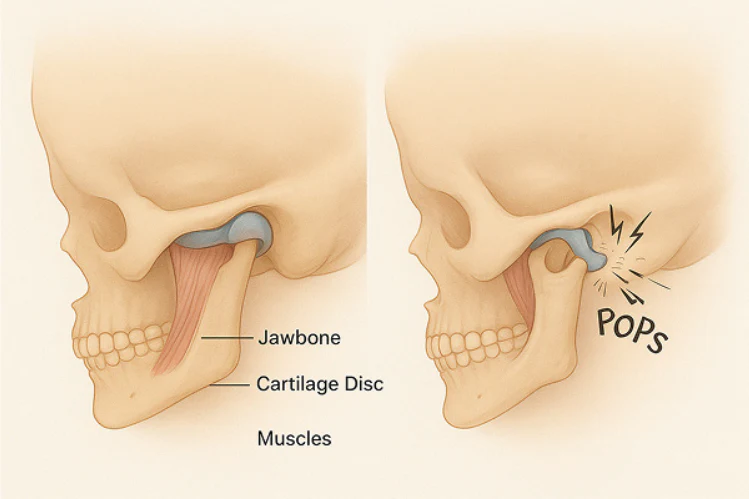
The temporomandibular joint is one of the most complex joints in the human body. It connects your lower jawbone, called the mandible, to your skull on both sides of your face.
You actually have two TMJs, one in front of each ear. They work together every time you chew, speak, yawn, or swallow.
Inside each joint sits a small cushion of cartilage called the articular disc. This disc allows smooth, pain-free movement between the jawbone and skull.
When this disc shifts out of its normal position, it can create the clicking, popping, or grinding noises many people notice while eating.
How Jaw Clicking Actually Happens
Jaw clicking usually falls into two distinct categories, and understanding the difference matters. Knowing which type you have helps determine whether treatment is necessary.
Clicking During Wide Opening
This type happens when your mouth is opened very wide, such as during a big yawn. The lower jawbone briefly passes over a small ridge in the joint, creating a single pop.
This kind of clicking is usually considered normal. It rarely signals a serious problem on its own.
Clicking During Chewing or Closing
This type occurs specifically when you chew, speak, or close your mouth after opening it. It happens because the cartilage disc slips forward before snapping back into position.
This pattern is more closely associated with TMJ disorders. It is the type most people mean when they ask why their jaw clicks while eating.
Common Causes of Jaw Clicking When Chewing
Several distinct factors can trigger clicking in the jaw joint. Most people experience a combination of these causes rather than just one.
| Cause | How It Affects the Jaw |
|---|---|
| Bruxism (teeth grinding/clenching) | Strains the joint and wears down cartilage over time |
| Stress and anxiety | Increases unconscious jaw clenching and muscle tension |
| Malocclusion (bad bite) | Forces the jaw to move unevenly during chewing |
| Jaw injury or trauma | Shifts the joint out of proper alignment |
| Arthritis | Breaks down cartilage, causing bone-on-bone friction |
| Bad oral habits | Nail-biting, gum chewing, and ice crunching strain the joint |
| Missing teeth | Forces uneven chewing, weakening muscles on one side |
Bruxism and Teeth Grinding
Bruxism is one of the leading causes of jaw clicking worldwide. Many people grind or clench their teeth unconsciously while sleeping, without ever realizing it.
This constant pressure strains the jaw muscles and joint tissue. Over time, it can wear down the cartilage disc and trigger persistent clicking sounds.
Stress and Muscle Tension
Emotional stress frequently shows up physically in the jaw. Many people clench their teeth throughout the day without noticing during high-stress periods.
This tension places extra pressure on the TMJ. Reducing stress often reduces clicking as a direct result.
Misaligned Bite (Malocclusion)
When your upper and lower teeth do not fit together properly, your jaw has to compensate. This creates uneven pressure and repetitive strain on the joint.
Over months or years, this imbalance can lead to consistent clicking during chewing. Orthodontic correction sometimes resolves the issue entirely.
Jaw Injuries and Trauma
A fall, sports injury, or car accident can shift the TMJ out of proper alignment. Even a minor impact to the face or jaw can have lasting effects.
Injuries may cause immediate clicking or symptoms that develop gradually afterward. Any jaw noise following trauma should be evaluated by a professional.
Arthritis in the Jaw Joint
Like other joints in the body, the TMJ can develop osteoarthritis or rheumatoid arthritis. This breaks down protective cartilage and increases friction inside the joint.
Arthritis-related clicking often comes with stiffness, especially in the morning. It tends to worsen gradually without proper management.
Bad Oral Habits
Excessive gum chewing, nail-biting, and crunching on ice all place repeated stress on the jaw. These small habits add up significantly over time.
Reducing or eliminating these habits is one of the simplest ways to ease mild jaw clicking. It is often the first recommendation dentists give patients.
Is Jaw Clicking When Chewing Serious?
This is the question most people really want answered. The good news is that clicking alone, without pain, usually is not considered a serious medical problem.
Occasional, painless clicking is extremely common and affects a large portion of the population. Many people live with it for years without any complications.
However, certain warning signs indicate the clicking may be part of a larger TMJ disorder. These symptoms should never be ignored.
| Warning Sign | Why It Matters |
|---|---|
| Pain while chewing or speaking | May indicate joint inflammation or disc damage |
| Jaw locking open or closed | Signals possible disc displacement without reduction |
| Frequent headaches | Often linked to jaw muscle tension |
| Ear pain or fullness | The TMJ sits close to the ear canal |
| Swelling near the jaw | Suggests inflammation or infection |
| Clicking that worsens over time | May indicate progressive joint damage |
When to See a Dentist or TMJ Specialist
Not every click requires a professional visit, but certain situations call for prompt evaluation. Waiting too long can allow mild issues to progress into more complex problems.
You should schedule an appointment if clicking is accompanied by consistent pain. Pain is the clearest signal that something beyond normal joint movement is happening.
Jaw locking, even briefly, is another strong reason to seek care quickly. This can indicate the cartilage disc has shifted significantly out of place.
New clicking following any facial injury also warrants a checkup. Early diagnosis generally leads to simpler, less invasive treatment.
How Doctors Diagnose Jaw Clicking
Diagnosis typically begins with a physical examination of the jaw joint. Your dentist or specialist will listen and feel for clicking while you open and close your mouth.
They will also review your medical history, including any injuries, stress levels, or grinding habits. This helps identify likely underlying causes.
In more complex cases, imaging such as X-rays, CT scans, or MRI may be used. These tools reveal the position of the cartilage disc and any joint damage.
A thorough diagnosis ensures treatment targets the actual cause rather than just the symptom. This significantly improves long-term outcomes.
Home Remedies for Jaw Clicking
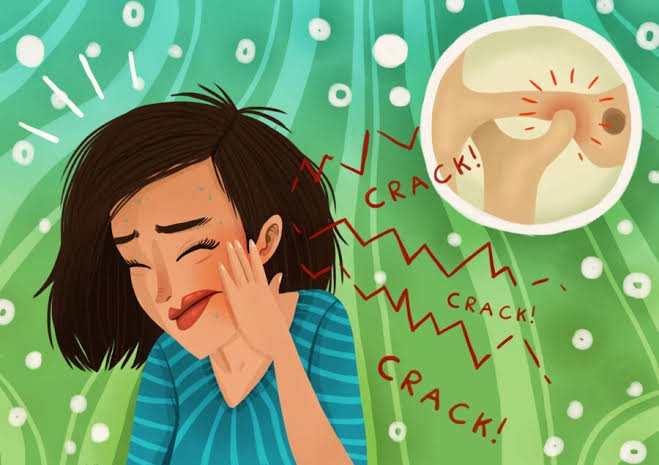
Many mild cases of jaw clicking improve with simple, consistent home care. These strategies are usually the first line of defense before any medical intervention.
Eat Softer Foods
Switching to a soft diet reduces strain on the jaw joint significantly. Foods like yogurt, cooked vegetables, and soups require far less jaw movement.
Cutting food into smaller bites also helps. This limits how wide you need to open your mouth while chewing.
Apply Heat or Cold Therapy
Ice packs can reduce swelling and inflammation around the joint. Applying ice for 10 to 15 minutes at a time often provides quick relief.
Warm compresses help relax tight jaw muscles instead. Many people alternate between heat and cold for the best combined effect.
Practice Jaw Relaxation
Keeping your teeth slightly apart, with lips gently closed, reduces unnecessary joint pressure. This resting position gives the jaw a chance to recover.
Gentle jaw stretches can also improve flexibility over time. A physical therapist can recommend specific exercises tailored to your symptoms.
Reduce Stress Levels
Since stress often drives clenching, managing it directly benefits the jaw. Meditation, deep breathing, and regular exercise all help lower tension.
Addressing stress is frequently one of the most overlooked yet effective treatments. It targets the root cause rather than just the symptom.
Medical and Professional Treatment Options
When home remedies are not enough, several professional treatments are available. Your provider will recommend options based on the severity of your symptoms.
| Treatment | Purpose |
|---|---|
| Night guard or splint | Prevents grinding and reduces pressure while sleeping |
| Physical therapy | Strengthens and stabilizes jaw muscles |
| NSAIDs or anti-inflammatories | Reduces pain and swelling in the joint |
| Muscle relaxants | Eases tight jaw muscles linked to clenching |
| Orthodontic correction | Fixes bite misalignment contributing to clicking |
| Trigger point injections | Relieves painful, tight muscle knots |
| Surgery (rare) | Reserved for severe, unresponsive cases |
Night Guards and Splints
A custom night guard is one of the most common treatments for bruxism-related clicking. It creates a physical barrier that prevents grinding while you sleep.
Splints can also reposition the jaw slightly to relieve pressure. Dentists typically create these devices from a mold of your teeth.
Physical Therapy for the Jaw
A physical therapist can assess muscle imbalances contributing to clicking. Targeted exercises help stabilize the joint and improve its range of motion.
Manual therapy techniques may also reduce muscle spasms directly. This approach works especially well for stress-related clenching cases.
Medication Options
Over-the-counter NSAIDs like ibuprofen can reduce pain and inflammation effectively. For more severe cases, doctors may prescribe stronger anti-inflammatory medication.
Muscle relaxants are sometimes used short-term for significant muscle tension. These are typically combined with other treatments rather than used alone.
Surgery as a Last Resort
Surgical intervention is rarely necessary and reserved for severe, persistent cases. Most patients respond well to conservative treatment long before surgery becomes relevant.
If surgery is recommended, getting a second opinion is strongly advised. This ensures less invasive options have been fully explored first.
Foods to Avoid If Your Jaw Clicks
Certain foods place extra strain on an already sensitive jaw joint. Avoiding them can meaningfully reduce clicking and discomfort.
Hard and crunchy foods like raw carrots, nuts, and hard candy require intense jaw pressure. These should be limited during flare-ups.
Chewy foods such as caramel, taffy, and tough meats also overwork the joint. Cutting these into small pieces or avoiding them helps significantly.
Excessive gum chewing keeps the jaw in constant motion throughout the day. Reducing gum use gives the joint necessary recovery time.
Jaw Clicking in Different Age Groups
Jaw clicking does not only affect adults. Understanding how it presents across age groups helps put personal symptoms into context.
Children and teenagers can experience jaw clicking, often linked to growth changes or orthodontic issues. Roughly one in ten young people report jaw noises at some point.
Adults experience clicking more frequently, with around one-third reporting jaw popping at some stage. Stress, grinding, and long-term wear all contribute to this higher rate.
Older adults are more likely to experience clicking related to arthritis. Cartilage naturally wears down with age, increasing joint friction.
Preventing Jaw Clicking Long-Term
Prevention focuses on reducing repetitive strain on the temporomandibular joint. Small daily habits make a meaningful difference over time.
Maintaining good posture supports proper jaw alignment throughout the day. Poor posture, especially forward head position, adds unnecessary joint stress.
Wearing a night guard consistently protects against grinding-related damage. This is especially important for people who are unaware they grind in their sleep.
Managing stress proactively prevents the clenching cycle before it starts. Regular relaxation practices support both mental and jaw health simultaneously.
Key Takeaways Before the FAQ
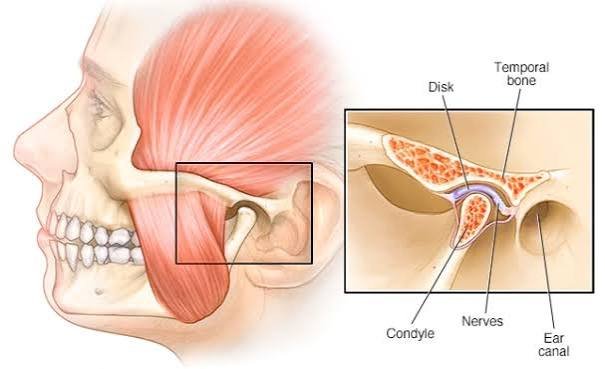
Jaw clicking when chewing is common and usually harmless when pain-free. It typically results from a shifted cartilage disc inside the temporomandibular joint.
Persistent clicking paired with pain, locking, or swelling deserves professional evaluation. Early diagnosis leads to simpler, more effective treatment in nearly every case.
Jaw Clicking vs. Jaw Popping vs. Jaw Grinding
People often use clicking, popping, and grinding interchangeably, but they can indicate different things. Knowing the difference helps you describe symptoms accurately to a provider.
Clicking is usually a sharp, single sound during a specific jaw movement. It often points to the cartilage disc shifting position.
Popping is similar but sometimes louder, often occurring at wide mouth opening. This type is frequently linked to a temporary joint subluxation rather than lasting damage.
Grinding or crunching sounds, sometimes called crepitus, suggest bone-on-bone contact. This pattern is more closely associated with cartilage breakdown from arthritis or long-term wear.
| Sound Type | Likely Cause |
|---|---|
| Sharp click during chewing | Disc displacement with reduction |
| Loud pop during wide opening | Joint subluxation, often harmless |
| Grinding or crunching (crepitus) | Cartilage wear, possible arthritis |
The Connection Between Sleep and Jaw Clicking
Sleep quality plays a bigger role in jaw health than most people realize. Nighttime habits often explain daytime clicking that otherwise seems unpredictable.
Sleep bruxism, or nighttime teeth grinding, frequently goes unnoticed by the person experiencing it. A partner or family member often notices the sound before the patient does.
Sleep apnea has also been linked to increased grinding and jaw tension. The body may clench the jaw involuntarily while working to keep airways open during interrupted breathing.
Improving sleep posture and addressing underlying sleep disorders can reduce jaw strain significantly. A doctor can evaluate whether a sleep study is appropriate for chronic cases.
Lifestyle Habits That Support a Healthy Jaw
Beyond direct treatment, everyday lifestyle choices influence how well your jaw joint functions over time. Small, consistent habits often prevent minor clicking from becoming a bigger problem.
Staying hydrated supports healthy joint lubrication throughout the body, including the TMJ. Dehydration can contribute to stiffness and increased friction in joint tissue.
Regular gentle exercise improves overall circulation and reduces general muscle tension. This indirectly benefits jaw muscles that are prone to stress-related clenching.
Avoiding resting your chin on your hand for long periods also helps. This common habit places uneven pressure on one side of the jaw joint.
Frequently Asked Questions (FAQs)
Why does my jaw click every time I chew?
This usually happens because the cartilage disc inside your TMJ shifts slightly out of position. It snaps back as your jaw moves, creating the clicking sound.
Is jaw clicking normal or a sign of a problem?
Occasional, painless clicking is generally normal and common. Clicking with pain, locking, or swelling may indicate a TMJ disorder.
Can stress cause my jaw to click?
Yes, stress often leads to unconscious jaw clenching and muscle tension. This added pressure can trigger or worsen clicking.
Does jaw clicking go away on its own?
Mild clicking often persists but does not worsen without other symptoms. Clicking with pain usually requires treatment to improve.
What foods should I avoid if my jaw clicks?
Avoid hard, crunchy, or chewy foods like nuts, ice, and caramel. Stick to softer foods cut into small pieces.
When should I see a dentist for jaw clicking?
See a dentist if clicking is paired with pain, locking, or swelling. Also seek care if symptoms follow a jaw injury.
Can a night guard stop jaw clicking?
Yes, a night guard can reduce grinding-related pressure on the joint. This often decreases clicking caused by bruxism.
Is jaw clicking linked to teeth grinding?
Yes, bruxism is one of the most common causes of jaw clicking. Many people grind unconsciously while sleeping.
Can jaw clicking be cured completely?
Some cases resolve fully with treatment, especially bite or habit-related causes. Others improve significantly but may not disappear entirely.
Is surgery required for jaw clicking?
No, surgery is rarely needed and reserved for severe, unresponsive cases. Most people improve with conservative treatments first.
Conclusion
So, why does your jaw click when you chew? In most cases, it comes down to the small cartilage disc inside your temporomandibular joint slipping slightly out of place. Common triggers include teeth grinding, stress, misaligned bites, old injuries, and arthritis.
Painless, occasional clicking is usually harmless and does not require treatment. However, clicking combined with pain, locking, swelling, or headaches deserves a proper evaluation from a dentist or TMJ specialist.
Simple steps like eating softer foods, managing stress, and wearing a night guard can meaningfully reduce symptoms for many people. When home care is not enough, professional treatments like physical therapy, splints, or medication offer effective relief. Understanding the cause behind your jaw clicking is the first step toward finding lasting comfort while you eat.


