

If you’ve noticed itching right after a bowel movement, you’re probably wondering, “why does my butt itch after I poop?” This condition, medically called pruritus ani, is far more common than most people realize.
Why Does My Butt Itch After I Poop
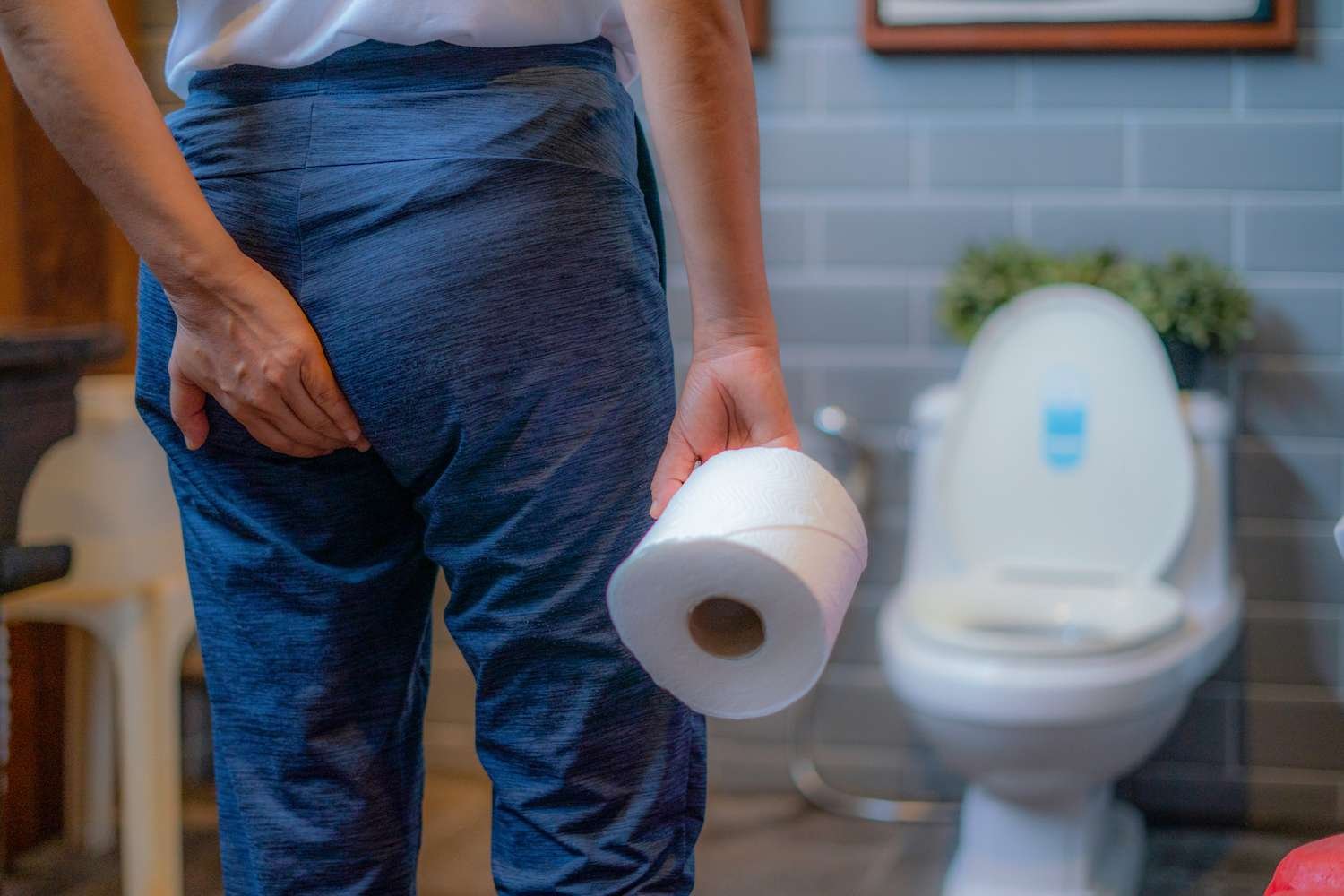

Anal itching after pooping is usually caused by leftover stool residue, aggressive wiping, or diet-related irritation. Less commonly, it can be linked to hemorrhoids, skin conditions, or infections that need medical treatment.
Understanding Pruritus Ani
Knowing what’s actually happening helps make sense of why the itching occurs.
What Is Pruritus Ani?
Pruritus ani simply means itching around the anus. It’s estimated to affect a meaningful percentage of the population at some point, and it’s rarely a sign of anything serious.
Why the Skin There Is So Sensitive
The skin around the anus is thin, moisture-prone, and easily irritated by friction, residue, or chemical exposure, which is why it reacts more strongly than skin elsewhere on the body.
Common Causes of Itching After Pooping

Most cases come down to a few repeatable culprits.
1. Leftover Stool Residue
Incomplete wiping can leave microscopic traces of stool behind, which irritate the sensitive skin and trigger itching shortly after a bowel movement.
2. Aggressive Wiping
Scrubbing too hard with dry toilet paper can damage and dry out the skin, ironically making the itching worse instead of better.
3. Diet-Related Irritation
Spicy foods, caffeine, alcohol, and acidic foods can irritate the bowel and loosen stool, increasing the chance of residue and irritation.
4. Hemorrhoids
Swollen veins in the rectal area can cause itching, especially when combined with diarrhea or constipation that further irritates the skin.
5. Excess Moisture
Sweating, tight clothing, or incomplete drying after wiping can trap moisture, creating an environment that leads to itching and irritation.
6. Skin Conditions
Conditions like eczema or psoriasis can affect the anal area just like anywhere else on the skin, leading to persistent itching.
7. Infections
Bacterial, fungal, or parasitic infections, including pinworms, can cause anal itching, often accompanied by other noticeable symptoms.
8. Anal Fissures
Small tears in the skin around the anus can cause itching alongside pain, especially during or after a bowel movement.
Why It Happens Specifically After Pooping


The timing itself offers a clue about the likely cause.
- Fresh stool residue is most irritating immediately after wiping
- Wiping friction is freshest and most noticeable right after the bathroom
- Diarrhea or loose stool increases the chance of leftover residue
- Straining during a bowel movement can aggravate hemorrhoids or fissures
How to Relieve Anal Itching
These steps target the most common causes directly.
Clean Gently, Not Aggressively
Use soft, unscented toilet paper or a bidet, and pat the area dry instead of rubbing it after cleaning.
Avoid Harsh Soaps and Wipes
Fragranced products and alcohol-based wipes often irritate the skin further. Plain water is usually gentler.
Stay Dry Throughout the Day
Wearing breathable cotton underwear and avoiding damp clothing helps prevent moisture-related irritation.
Adjust Trigger Foods
If spicy foods, caffeine, or alcohol seem to worsen symptoms, reducing them can noticeably improve comfort over time.
Use a Barrier Cream if Needed
A thin layer of zinc oxide cream can protect irritated skin from further contact with moisture or residue.
Avoid Scratching
Scratching provides temporary relief but often worsens irritation and can lead to further skin damage.
Hygiene Habits That Help vs Hurt
| Helpful Habits | Habits That Make It Worse |
|---|---|
| Gentle wiping with soft paper or a bidet | Scrubbing hard with dry toilet paper |
| Patting the area dry | Leaving the area damp |
| Plain water for cleaning | Scented soaps or wipes |
| Breathable cotton underwear | Tight, non-breathable fabrics |
| Moderate spicy food and caffeine intake | Frequent spicy, acidic, or high-caffeine meals |
When to See a Doctor

Occasional mild itching is common, but certain signs suggest something beyond simple irritation.
Signs You Shouldn’t Ignore
- Itching lasting more than two weeks despite home care
- Visible bleeding or blood in the stool
- Lumps, swelling, or a visible growth near the anus
- Discharge, foul odor, or signs of infection
- Severe pain alongside the itching
If any of these apply, it’s worth seeing a doctor to rule out hemorrhoids, fissures, infections, or other underlying conditions.
Also Read:
- Why Does My Gum Hurt When I Touch It? Causes & Relief
- Why Is My Tongue Itchy? Common Causes & Treatments
- Why Are MRIs So Expensive? The Real Cost Explained
- How Cashless Health Insurance Is Transforming Patient Experience
- Dr. L Barbara Robinson on What Patients Should Understand Before Choosing Robotic Heart Surgery
- How Peptides Are Changing the Science of Bodybuilding Research
- How the Best Personal Training Studios in Singapore Use Data
- How Care Patterns Help During Steps to Report Suspected Nursing Home Abuse
- From Hair Care Idea To Business: How Bo International Supports Startup Brands
- Portable Space Heaters vs Fan Heaters: Pros and Cons
- How Insurance Responses Can Affect a Houston, TX Auto Accident Claim
- The Investigation Steps a Premises Liability Lawyer May Take After an Injury
- Does Being a Loan Guarantor Affect Your CIBIL Score
- Do You Need Legal Help After a Truck Accident? Here’s What to Know
- Employee Rights and Legal Remedies in Whistleblower Retaliation Cases
- 430+ Trendy Roblox Username Ideas for Boys & Girls
- 1000+ Trendy Instagram Usernames Ideas for Girls
- Letflix Review – Features, How It Works and Safe to Use?
- Download Gayatri Mantra Best Ringtone Mp3/M4R
- Grand Theft Auto: San Andreas – Theme Song Download
- Download Mission Impossible – Original Theme Song
- Randy Orton – Voices WWE Theme Song Download
- Lorde – Liability (Instrumental)
- Mac Miller – Diablo (Instrumental)
- David Guetta – Lovers On The Sun (Instrumental)
Frequently Asked Questions (FAQs)
Is it normal for my butt to itch after every bowel movement?
Occasional mild itching is common, but frequent or persistent itching usually points to a hygiene habit or underlying cause worth addressing.
Can wiping too much cause more itching?
Yes. Over-wiping, especially with dry paper, can irritate and dry out the skin, making itching worse rather than better.
Does diet really affect anal itching?
Yes. Spicy foods, caffeine, alcohol, and acidic foods are common triggers that can irritate the bowel and skin.
Can hemorrhoids cause itching after pooping?
Yes. Swollen hemorrhoidal veins can cause itching, especially when irritated by wiping or loose stool.
Is anal itching a sign of poor hygiene?
Not necessarily. Both insufficient and excessive hygiene can cause itching, so balance matters more than intensity.
Can stress cause anal itching?
Indirectly, yes. Stress can affect digestion and bowel habits, which may contribute to irritation and itching.
Should I use wet wipes instead of toilet paper?
Unscented, alcohol-free wipes can help, but scented or alcohol-based wipes often make irritation worse.
Can pinworms cause itching after pooping?
Yes, especially in children. Pinworm infections often cause itching that’s noticeably worse at night.
Is it safe to use anti-itch cream on the anus?
Mild over-the-counter options can help short-term, but prolonged use should be discussed with a doctor to avoid skin thinning.
Can diarrhea cause more itching than solid stool?
Yes. Loose stool increases the chance of residue and skin contact, making irritation more likely.
Why does the itching feel worse at night?
Reduced distractions and warmth from bedding can make itching feel more noticeable at night, especially with conditions like pinworms.
Can tight underwear make anal itching worse?
Yes. Tight, non-breathable fabric traps moisture and heat, which can worsen irritation.
Is it common for anal itching to come and go?
Yes. Many people experience intermittent itching linked to diet, hygiene, or minor irritation rather than a constant condition.
Can anal itching be a sign of an STI?
In some cases, yes, particularly if accompanied by discharge, sores, or pain. A doctor can help determine the cause.
Does using a bidet help with anal itching?
Yes. A bidet often provides gentler, more thorough cleaning than wiping alone, reducing residue-related irritation.
Can baby wipes be used for adult hygiene?
Some can, but unscented, alcohol-free options are best to avoid additional irritation.
Is anal itching more common in men or women?
It affects people of all genders similarly, though certain causes like hemorrhoids may vary based on individual risk factors.
Can probiotics help reduce anal itching?
Improving overall digestive health may help reduce diarrhea-related irritation, though probiotics aren’t a direct treatment for itching itself.
How long does it typically take for anal itching to improve?
With consistent gentle care, many cases improve within a few weeks, though chronic cases may take longer.
When should I see a doctor about anal itching?
If itching persists beyond two weeks, worsens, or comes with bleeding, lumps, or discharge, it’s time for a medical evaluation.
Conclusion
Anal itching after pooping is usually caused by leftover residue, wiping habits, or diet, and it typically improves with gentle hygiene changes. Hemorrhoids, skin conditions, and infections are less common but still worth ruling out if symptoms persist.
If home care doesn’t help within a couple of weeks, or if you notice bleeding, lumps, or other symptoms, a doctor can help identify the exact cause and get you lasting relief.