


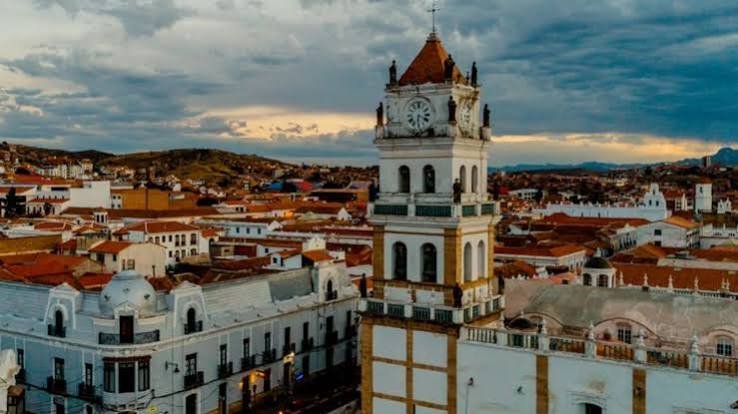
Why does Bolivia have two capitals is one of the most searched geography questions about South America, and the short answer is a 19th-century civil war that split power between two cities.
Sucre kept the constitutional title, while La Paz became the seat of government. This unusual arrangement confuses students, travelers, and trivia lovers alike, since most countries operate with just one capital.
Quick Answer: Bolivia’s Two Capitals at a Glance
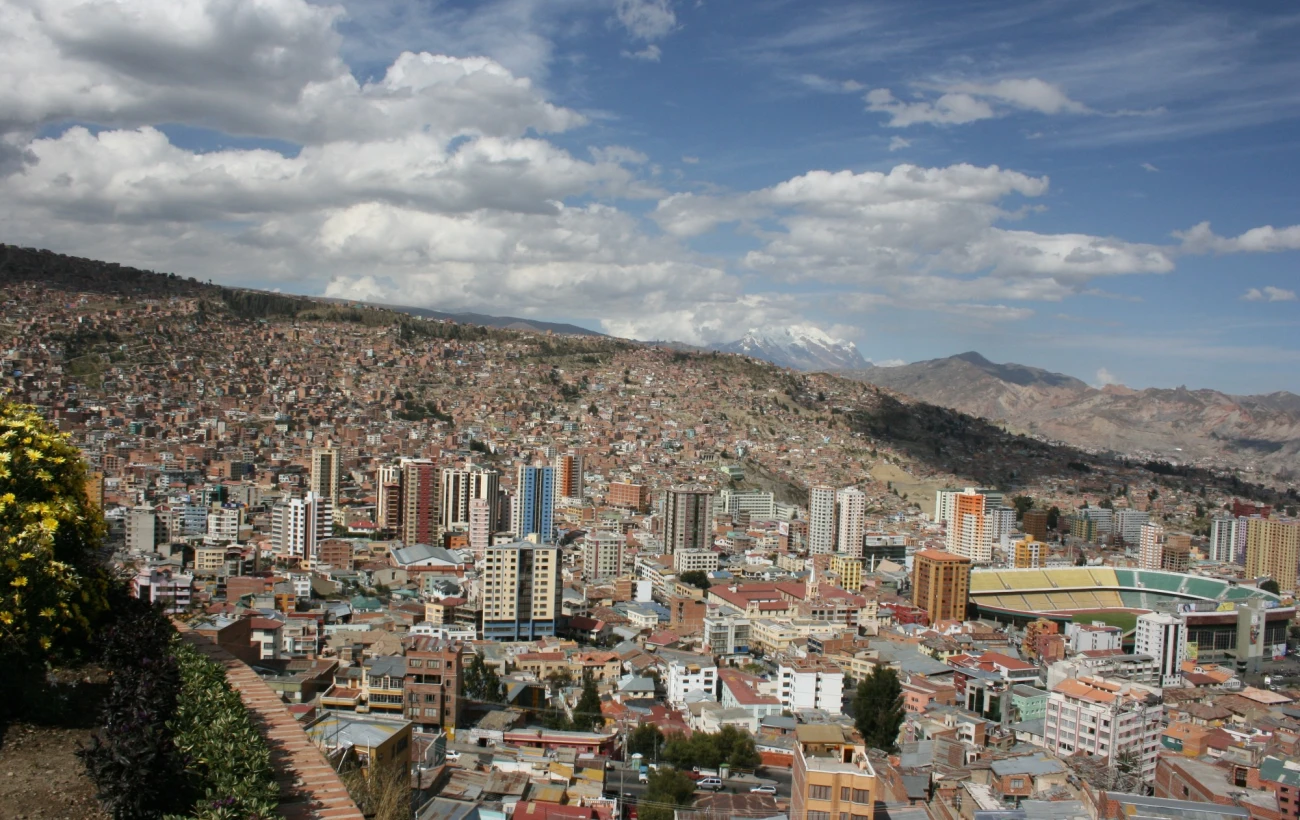
Bolivia has two capitals because of a political compromise reached after the Federal War of 1899. Sucre remained the official constitutional capital, while La Paz became the administrative capital and seat of government.
This split was never meant to be permanent, but it has lasted for more than 125 years. Today, both cities carry real legal and political weight, just in different branches of government.
| City | Official Role | Government Branch |
|---|---|---|
| Sucre | Constitutional capital | Judicial (Supreme Court) |
| La Paz | Seat of government | Executive and Legislative |
The Historical Background of Bolivia’s Capital
Bolivia gained independence from Spain in 1825. At that time, Sucre, then called La Plata or Chuquisaca, was named the nation’s official capital.
Sucre earned this honor because it was the political and religious center of Spanish colonial rule in the region. It also hosted the signing of the Bolivian Declaration of Independence.
For most of the 19th century, Sucre held real power. It was close to the silver-rich mines of Potosí, and its elite families controlled much of the country’s wealth and politics.
How La Paz Grew Into a Rival Power Center
While Sucre thrived on silver, La Paz built its economy on trade and, later, tin mining. Its location near Lake Titicaca gave it strong commercial links to Peru and the Pacific coast.
By the late 1800s, global demand shifted from silver to tin. This shift moved economic power northward, away from Sucre and toward La Paz.
As La Paz grew richer and more populated, its business and political leaders wanted the seat of national government moved there too. This set the stage for a serious conflict.
The Federal War of 1899 Explained
The Federal War, also called the Bolivian Civil War, was fought between 1898 and 1899. It pitted the Conservative Party, based in Sucre and backed by silver-mining elites, against the Liberal Party, based in La Paz and backed by tin-mining interests.
The Liberals also drew support from indigenous communities and federalist groups who wanted more regional autonomy. The Conservatives wanted to keep Bolivia centralized, with Sucre as the sole capital.
Fighting lasted only a few months but reshaped the country’s political map permanently.
Key Events of the Federal War
- 1898: Regional tensions escalate as liberal groups in La Paz push for federalism.
- November 1898: Demonstrations in La Paz demand the government fully relocate there.
- Late 1898: A Federal Committee forms under Colonel José Manuel Pando.
- Early 1899: The Liberal forces defeat the Conservative army at the Battle of Segundo Crucero.
- April 14, 1899: The Federal Government Junta declares La Paz the definitive seat of government.
Why the Compromise Split Power Instead of Moving It Fully
The Liberals won the war, but they did not fully strip Sucre of its status. Instead, a compromise preserved regional balance and avoided further conflict.
Sucre kept its title as the constitutional capital, since it was the birthplace of Bolivian independence. La Paz took over as the seat of the executive and legislative branches.
The judicial branch, including the Supreme Court, stayed in Sucre. This division still defines the country’s governance today.
What Sucre Does as Bolivia’s Constitutional Capital
Sucre is officially recognized in the Bolivian Constitution as the nation’s capital city. It is often called La Ciudad Blanca, or the White City, because of its whitewashed colonial buildings.
The Supreme Court of Bolivia operates from Sucre, making it the country’s judicial capital. This gives the city genuine constitutional authority, even without hosting the president.
Sucre is also a UNESCO World Heritage Site, prized for its well-preserved Spanish colonial architecture and historic university.
What La Paz Does as the Seat of Government
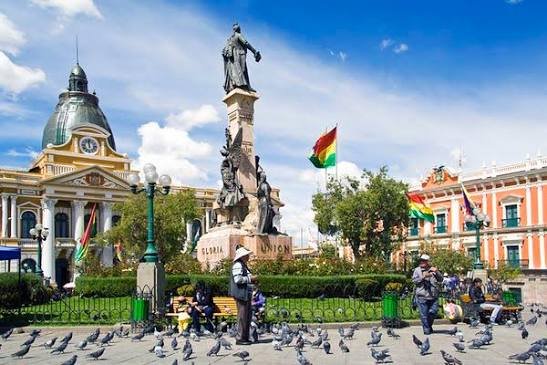
La Paz is where Bolivia’s president, cabinet, and National Congress actually work. It houses the Presidential Palace, government ministries, foreign embassies, and the central bank.
Because nearly all executive and legislative activity happens here, most people casually refer to La Paz as Bolivia’s capital, even though that is not its official constitutional title.
La Paz also sits over 3,600 meters above sea level, making it the highest seat of government in the world.
Sucre vs La Paz: Side-by-Side Comparison
| Feature | Sucre | La Paz |
|---|---|---|
| Official title | Constitutional capital | Seat of government |
| Founded | 1538 | 1548 |
| Government branch | Judicial | Executive and Legislative |
| Elevation | About 2,810 meters | Over 3,600 meters |
| Nickname | The White City | The Highest Capital |
| Main industry today | Education, tourism | Trade, business, finance |
Interesting Facts About Bolivia’s Dual Capital System
Bolivia’s two-capital setup is unusual, but it is not unique in the world. Several countries divide government functions across more than one city for historical or political reasons.
- La Paz is the highest administrative capital city on Earth.
- Sucre is home to one of the oldest universities in the Americas.
- The 1899 compromise was meant to reduce regional conflict, not create a permanent split.
- Bolivia’s Congress and president have never officially moved back to Sucre.
- Some maps and reference books still incorrectly list only one Bolivian capital.
Ongoing Tension Between Sucre and La Paz
The rivalry between the two cities did not disappear after 1899. In 2007, residents of Sucre launched a campaign demanding that all government institutions return to their city.
In response, La Paz organized a massive counter-demonstration, with reports of roughly one million participants marching to keep the government where it was.
This 2007 dispute showed that the “capital question” in Bolivia is still emotionally and politically charged, even after more than a century.
Why Other Countries Also Split Their Capitals
Bolivia is not alone in dividing capital functions between cities. South Africa has three capitals: Pretoria for administration, Cape Town for parliament, and Bloemfontein for the judiciary.
The Netherlands officially lists Amsterdam as its capital, yet the government and royal family operate from The Hague.
Malaysia built the new city of Putrajaya to house government ministries, while Kuala Lumpur kept its cultural and royal significance.
Table: Countries With More Than One Capital City
| Country | Capitals | Reason for the Split |
|---|---|---|
| Bolivia | Sucre, La Paz | Federal War compromise of 1899 |
| South Africa | Pretoria, Cape Town, Bloemfontein | Unification of separate regional powers |
| Netherlands | Amsterdam, The Hague | Historical tradition vs practical governance |
| Malaysia | Kuala Lumpur, Putrajaya | Reducing congestion, planned relocation |
So, What Is the Real Capital of Bolivia?
If you ask a Bolivian government official, the constitutional answer is Sucre. If you ask most travelers or look at where the president actually works, the practical answer is La Paz.
Both answers are technically correct, which is exactly why the question “why does Bolivia have two capitals” keeps coming up in geography quizzes, trivia games, and crossword puzzles.
Understanding this split helps explain not just Bolivian politics, but also the country’s deeper regional identity and history.
How This Affects Travelers Visiting Bolivia
Travelers often assume La Paz is the only capital worth visiting, since it hosts the airport, government buildings, and most embassies. However, Sucre offers a very different experience.
Sucre’s colonial charm, cooler climate, and historic sites make it a favorite stop for history enthusiasts. La Paz, meanwhile, offers a fast-paced, high-altitude city experience.
Many visitors choose to see both cities during a Bolivia trip, since each one reveals a different side of the country’s identity.
Timeline Summary of Bolivia’s Capital History
| Year | Event |
|---|---|
| 1538 | Sucre (then Chuquisaca) is founded by the Spanish. |
| 1548 | La Paz is founded near Lake Titicaca. |
| 1825 | Bolivia gains independence; Sucre is named the capital. |
| 1898–1899 | The Federal War is fought between Conservatives and Liberals. |
| April 1899 | La Paz becomes the seat of government after Liberal victory. |
| 2007 | Sucre campaigns to reclaim full capital status; La Paz pushes back. |
| Today | Sucre remains constitutional capital; La Paz remains seat of government. |
The Geography Behind the Two Capitals
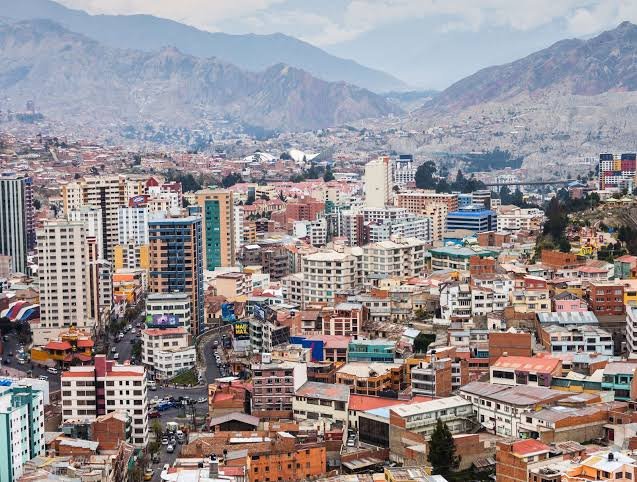
Geography played a huge role in shaping Bolivia’s political divide. Sucre sits in a temperate valley in south-central Bolivia, surrounded by fertile land and a mild climate.
La Paz, by contrast, sits in a dramatic canyon high in the Andes Mountains near Lake Titicaca. This location gave it easier access to Pacific trade routes and neighboring Peru.
These physical differences shaped the economies of both regions long before the Federal War began. Sucre’s location favored agriculture and silver mining, while La Paz’s location favored trade and, later, tin exports.
Population and Size Comparison Today
La Paz has grown into one of Bolivia’s largest urban areas, especially when combined with the neighboring city of El Alto. Sucre remains smaller, with a population focused more on education, tourism, and regional administration.
This population gap reinforces why many people assume La Paz is the “real” capital, even though Sucre holds the official constitutional title.
| Metric | Sucre | La Paz |
|---|---|---|
| Approximate population | Around 300,000 | Over 800,000 (city proper) |
| Metro area influence | Regional | National |
| Primary economic focus | Education, tourism, government offices | Trade, finance, politics |
The Meaning Behind the Cities’ Names
Sucre was renamed in honor of Antonio José de Sucre, a key military leader in South America’s independence movement and Bolivia’s first president. Before that, it was known as Chuquisaca and later La Plata.
La Paz’s full original name was Nuestra Señora de La Paz, meaning “Our Lady of Peace.” It was founded in 1548 to commemorate the end of a period of civil unrest among early Spanish settlers.
Ironically, the city named for peace became the site of the very conflict that redefined Bolivia’s capital system centuries later.
Common Misconceptions About Bolivia’s Capital
Many textbooks, quiz shows, and even world atlases list only La Paz as Bolivia’s capital. This is technically incomplete, since Sucre still holds the constitutional title.
Some sources also claim La Paz is Bolivia’s largest city, but that title actually belongs to Santa Cruz de la Sierra, which has grown rapidly due to agriculture and commerce.
Understanding these distinctions helps clear up confusion the next time this topic comes up in trivia, schoolwork, or travel planning.
Why Bolivia Never Fully Resolved the Capital Question
Several attempts have been made over the decades to formally settle the capital debate, but none have succeeded. Politicians from both regions have strong incentives to protect their city’s status.
Moving all government functions to one city risks alienating the other region economically and politically. This is why the compromise from 1899 has essentially remained frozen in place.
Bolivia’s diverse regional identities, from the highland Andean culture around La Paz to the valley traditions around Sucre, also make a single unified capital a politically sensitive idea.
Cultural Identity and Regional Pride
Sucre residents often take pride in their city’s role as the birthplace of Bolivian independence and its well-preserved colonial architecture. Many locals see the constitutional capital status as a matter of historical respect.
La Paz residents, on the other hand, point to their city’s economic strength, population size, and role as the country’s political engine as reasons it deserves recognition as the true capital.
This ongoing cultural rivalry is part of what keeps the “why does Bolivia have two capitals” question so widely discussed even today.
Why This Topic Keeps Trending in 2026
Search interest in Bolivia’s dual capitals tends to spike around geography trivia trends, school assignments, and travel planning seasons. Crossword puzzles and quiz apps frequently reference Sucre and La Paz as an answer pair.
Bolivia’s unusual system also gets renewed attention whenever political tensions between the two cities resurface, as they did during the 2007 protests.
As more travelers explore lesser-known destinations in South America, curiosity about Bolivia’s political structure and dual-capital history continues to grow heading into 2026.
The Economic Forces That Sparked the Conflict
Silver dominated Bolivia’s economy for most of the 1800s, and Sucre’s elite families controlled much of that wealth. This gave the city enormous political influence during the early republic.
Toward the end of the century, silver prices dropped sharply on world markets. At the same time, global demand for tin, used in canning and industrial manufacturing, began to rise quickly.
Tin deposits near La Paz turned the city into a booming economic center almost overnight. Wealthy tin barons gained political influence and began pushing for a government seat closer to their operations.
This economic shift is often described as the true root cause of the Federal War, even more than ideological differences between federalists and centralists.
Lasting Impact on Bolivia’s Modern Government
The 1899 compromise did more than just split government functions between two cities. It also shaped how future Bolivian leaders approached regional representation and decentralization.
Later reforms expanded autonomy for Bolivia’s departments, partly to prevent the kind of regional resentment that fueled the Federal War. Santa Cruz, Bolivia’s largest city today, has also pushed for greater regional independence in recent decades.
In many ways, the dual-capital system set an early precedent for how Bolivia manages competing regional interests, a pattern that continues to influence national politics today.
Key Takeaways Before You Go
Bolivia’s two-capital system is rooted in real historical conflict, not confusion or error. Sucre and La Paz each play a distinct, constitutionally recognized role in the country’s government.
Knowing this history adds valuable context whether you are studying geography, planning a trip, or simply trying to win your next trivia night.
Planning a Trip Around Bolivia’s Two Capitals
Most travelers fly into La Paz first, since it hosts the country’s main international airport and easiest access to popular sites like Lake Titicaca and the Death Road.
From there, many visitors take a short domestic flight or overnight bus to Sucre, which offers a slower pace, colonial squares, and a noticeably milder climate.
Seeing both cities in one trip gives a fuller picture of Bolivia, from its high-altitude political center to its historic constitutional heart.
Frequently Asked Questions (FAQs)
1. Why does Bolivia have two capitals?
Bolivia has two capitals because of the Federal War of 1899. Sucre kept its constitutional title, while La Paz became the seat of government.
2. Which city is the official capital of Bolivia?
Sucre is the official capital named in Bolivia’s constitution. It also serves as the country’s judicial center.
3. Is La Paz considered a capital city too?
Yes, La Paz functions as the administrative capital. It hosts the president, Congress, and most government ministries.
4. What caused the Federal War of 1899?
Regional and economic tensions between Sucre’s silver-mining elite and La Paz’s tin-mining interests sparked the conflict. The Liberals also wanted a federal system of government.
5. Why didn’t the government move completely to La Paz?
A political compromise preserved Sucre’s constitutional status to honor its role as the birthplace of independence. This split power instead of fully relocating it.
6. Is La Paz the highest capital in the world?
Yes, La Paz sits over 3,600 meters above sea level. This makes it the highest seat of government anywhere on Earth.
7. Does Sucre still have any real political power?
Yes, Sucre houses Bolivia’s Supreme Court and judicial branch. This gives it genuine constitutional and legal authority.
8. Are there other countries with two capitals like Bolivia?
Yes, South Africa, the Netherlands, and Malaysia all divide capital functions across multiple cities. Each has its own historical reason for the split.
9. Did Sucre ever try to reclaim full capital status?
Yes, in 2007 Sucre led a campaign to move all government functions back. La Paz responded with large protests to keep the current arrangement.
10. Which city should tourists visit, Sucre or La Paz?
Both cities offer unique experiences worth visiting. Sucre suits history lovers, while La Paz suits travelers wanting a lively, high-altitude capital experience.
Conclusion
Bolivia’s two-capital system is not a mistake or a myth; it is the direct result of the Federal War of 1899 and the political compromise that followed. Sucre remains the constitutional capital and home of the judicial branch, while La Paz serves as the seat of government, hosting the president and Congress at the highest elevation of any capital in the world.
This division reflects Bolivia’s regional history, its shift from silver to tin mining, and its ongoing effort to balance power between north and south. The rivalry between the two cities has never fully faded, as shown by the 2007 protests, but the arrangement has held for over a century.
So the next time someone asks why does Bolivia have two capitals, you now know the full story behind Sucre, La Paz, and the war that shaped modern Bolivian government.


