

Why do people eat corn starch is a question that comes up often, especially since videos of people eating it raw have gone viral online. For most people, the habit traces back to one of a few causes: an iron deficiency, a pregnancy-related craving, sensory curiosity, or a condition called pica.
Corn starch itself is a common kitchen ingredient, but eating it straight from the box is very different from using it in cooking.
What Is Corn Starch
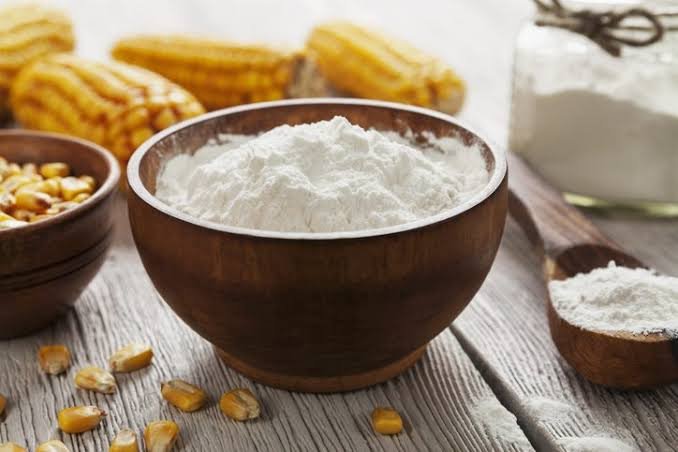

Corn starch is a fine, white powder extracted from the endosperm of corn kernels. It is mostly made up of two carbohydrates, amylose and amylopectin.
In the kitchen, it is prized as a thickening agent for sauces, gravies, and desserts because it forms a smooth gel when heated in liquid.
Its neutral taste and powdery texture are part of why some people find it appealing to eat on its own, separate from any cooking use.
Why Do People Eat Corn Starch
There are several distinct reasons behind this behavior, ranging from nutritional deficiencies to simple sensory enjoyment. Each cause has a different level of concern attached to it.
Main Reasons People Eat Corn Starch
| Reason | Description | Medical Concern Level |
|---|---|---|
| Iron Deficiency (Pica) | Body signals trigger cravings for non-food substances | High |
| Pregnancy Cravings | Hormonal shifts and increased nutrient demand | Moderate to High |
| Sensory/ASMR Appeal | Texture and sound are satisfying to some people | Low |
| Cultural Habit | Learned behavior passed through family or community | Moderate |
| Blood Sugar Management | Used medically in small, directed amounts | Low (medically supervised) |
Amylophagia and Pica Explained
The specific craving for starch has a clinical name: amylophagia. It is considered a subtype of a broader condition called pica.
Pica is defined as the persistent eating of non-nutritive substances for at least one month, in a way that is not typical for a person’s age or culture.
People with pica may crave cornstarch, ice, chalk, dirt, or other substances with little to no nutritional value.
The word pica comes from the Latin word for magpie, a bird known for eating almost anything it comes across.
Amylophagia specifically involves compulsive eating of starch products like cornstarch or laundry starch, sometimes straight from the container.
Iron Deficiency and Corn Starch Cravings
Iron deficiency anemia is considered the strongest medical explanation for corn starch cravings. Researchers believe low iron levels may alter brain chemistry in ways that trigger these urges.
A meta-analysis found that amylophagia was linked to over three times greater odds of anemia compared to people without the behavior.
This connection is stronger than the link seen with other pica behaviors, such as eating ice or dirt.
Raw starch may also bind to the gut lining, which can physically interfere with how well the body absorbs nutrients from other foods.
Doctors typically recommend blood tests to check ferritin and hemoglobin levels when a patient reports craving cornstarch regularly.
Common Warning Signs Linked to Iron Deficiency
- Persistent fatigue or low energy
- Pale skin or pale inner eyelids
- Shortness of breath during normal activity
- Brittle nails or hair thinning
- Frequent headaches or dizziness
Pregnancy and Corn Starch Cravings
Pregnancy is one of the most commonly reported times for corn starch cravings to appear. Hormonal changes and higher nutrient demands can both play a role.
A Cornell University study of pregnant teenagers found that nearly half reported some form of pica behavior, with starches among the most common cravings after ice.
Because pregnancy already increases the risk of iron deficiency, doctors often screen iron levels when a pregnant patient reports craving cornstarch.
Eating cornstarch during pregnancy is a particular concern because it can fill a person up without providing nutrients needed for a developing baby.
Over time, this pattern may lead to unwanted weight changes, worsening deficiencies, or digestive complications if left unaddressed.
Sensory and ASMR Appeal
Not everyone who eats corn starch has a nutritional deficiency. For some, the appeal is entirely about texture and sensation.
The dry, powdery mouthfeel and quiet crunch of cornstarch can feel satisfying, similar to how some people enjoy crunching ice cubes.
Social media has amplified this behavior, with ASMR content creators eating cornstarch on camera to showcase its texture and sound.
These videos have normalized the habit among niche online audiences, even though the behavior itself is unrelated to any medical condition for most viewers.
Cultural and Psychological Factors
In some families, cultures, and communities, eating non-food substances is considered a learned behavior passed down through generations.
Psychological factors can also contribute, including stress, anxiety, and in some cases conditions like obsessive-compulsive disorder.
Pica has also been associated with developmental disorders, autism spectrum conditions, and certain neurological or mental health conditions in some individuals.
Environmental factors such as neglect, food insecurity, or limited parental supervision have been linked to pica in children in some studies.
Corn Starch Nutrition Facts
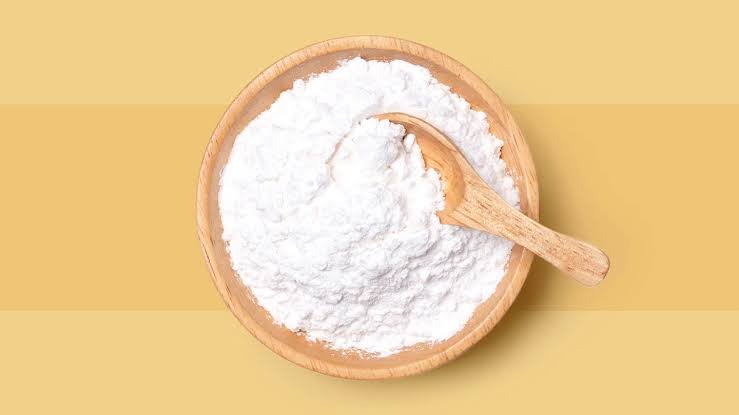

Understanding what corn starch actually provides nutritionally helps explain why eating it regularly is not considered a healthy habit.
Corn Starch Nutrition (Per Tablespoon)
| Nutrient | Amount |
|---|---|
| Calories | Approximately 30 |
| Carbohydrates | About 7 grams |
| Protein | Less than 1 gram |
| Fat | 0 grams |
| Fiber | Minimal |
| Vitamins/Minerals | Negligible |
As the table shows, corn starch offers energy in the form of carbohydrates but almost no vitamins, minerals, protein, or fiber.
Health Risks of Eating Corn Starch Regularly
Eating small amounts of cooked corn starch in food is generally harmless. Eating large amounts of raw corn starch regularly is a different story.
Habitual raw starch consumption is known as amylophagy and carries several documented health risks that go beyond simple nutrition gaps.
Documented Risks of Amylophagy
- Worsening iron and zinc deficiency
- Blood sugar spikes from concentrated carbohydrate intake
- Digestive issues like bloating, constipation, or abdominal pain
- Dental problems from abrasive texture over time
- Unintended weight gain from high caloric intake
- Displaced nutrition from skipping balanced meals
Research has shown that people with pica behaviors have measurably lower hemoglobin and plasma zinc levels compared to those without the habit.
In rare and severe cases, compulsive consumption of large quantities of starch or other substances can lead to digestive blockages requiring medical treatment.
Corn Starch Compared to Other Pica Substances
Corn starch is just one of many substances associated with pica. Comparing it to others helps show where it falls on the risk spectrum.
| Substance | Common Name | Relative Risk Level |
|---|---|---|
| Corn Starch | Amylophagia | Moderate |
| Ice | Pagophagia | Low |
| Dirt/Clay | Geophagia | High |
| Chalk | Chalk-eating pica | Moderate |
| Paper | Xylophagia | Low to Moderate |
| Glass | Hyalophagia | Severe |
This comparison shows that while corn starch is not the most dangerous substance associated with pica, it still carries real nutritional and digestive risks.
When to See a Doctor
Not every instance of tasting corn starch while cooking is a medical concern. Context and frequency matter when deciding whether to seek help.
Clinicians generally consider pica a concern when the behavior lasts at least one month, involves regular quantities, and cannot easily be stopped.
If cravings are frequent, intense, or paired with fatigue, dizziness, or pale skin, it is worth scheduling a medical evaluation rather than ignoring it.
Pregnant individuals experiencing these cravings should mention them to their obstetrician, since iron and nutrient levels are especially important during pregnancy.
How Doctors Diagnose Pica and Amylophagia
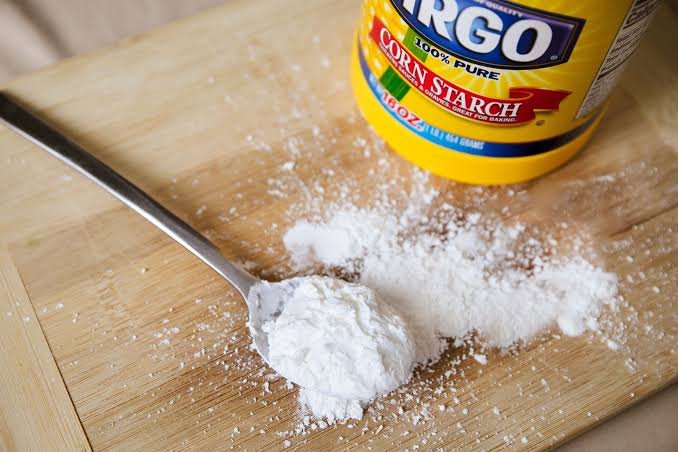
Diagnosis typically starts with a detailed conversation about eating habits, since many people feel embarrassed and do not bring up the behavior on their own.
Doctors commonly order blood tests, including a complete blood count and ferritin levels, to check for underlying iron or zinc deficiencies.
In some cases, a referral to a mental health professional or registered dietitian may be recommended to address behavioral or nutritional aspects together.
Children showing pica behaviors may also be evaluated for developmental conditions, depending on their age and other symptoms present.
Treatment and Management Approaches
Treatment for pica linked to iron deficiency usually focuses on correcting the underlying deficiency first, since cravings often improve once iron levels are restored.
Iron supplementation, guided by a doctor, has been shown to resolve cravings in many cases within one to two weeks of consistent treatment.
For cases linked to psychological or behavioral factors, therapy and structured behavioral support are often used alongside nutritional treatment.
Ongoing medical follow-up is important, since pica behaviors can return if underlying deficiencies or stressors are not fully addressed.
Anyone concerned about their own or a loved one’s corn starch cravings should speak with a licensed healthcare provider rather than attempting to self-diagnose.
Cooking With Corn Starch vs Eating It Raw
It is worth separating corn starch’s normal culinary role from the behavior of eating it raw and in large amounts.
In cooking, corn starch is used in small, controlled quantities to thicken sauces, gravies, and desserts, posing no meaningful health risk.
Eating raw corn starch directly and repeatedly is a completely different pattern, one that clinicians distinguish clearly from typical cooking use.
This distinction matters because occasionally tasting a recipe is normal, while regularly consuming raw starch outside of cooking is what raises medical concern.
Frequently Asked Questions (FAQs)
Why do people eat corn starch?
People eat corn starch for reasons including iron deficiency, pregnancy cravings, sensory enjoyment, or a condition called pica.
Is eating corn starch bad for you?
Eating small cooked amounts is harmless, but regularly eating raw corn starch can cause deficiencies and digestive issues.
What is amylophagia?
Amylophagia is a subtype of pica involving compulsive cravings specifically for starch products like corn starch.
Can iron deficiency cause corn starch cravings?
Yes, low iron levels are the most common medical explanation for persistent corn starch cravings in many people.
Is craving corn starch during pregnancy normal?
It is fairly common, but doctors recommend checking iron levels since pregnancy increases deficiency risk significantly.
What are the risks of eating raw corn starch?
Risks include nutrient deficiencies, blood sugar spikes, digestive discomfort, dental issues, and potential weight changes over time.
How is pica diagnosed?
Doctors diagnose pica through symptom history, blood tests for deficiencies, and sometimes psychological evaluation.
Does corn starch have any nutritional value?
It offers carbohydrates and calories but almost no vitamins, minerals, protein, or fiber.
Can pica be treated?
Yes, treatment often includes correcting nutritional deficiencies and, when needed, behavioral or psychological support.
When should I see a doctor about corn starch cravings?
See a doctor if cravings are frequent, intense, or paired with fatigue, dizziness, or pale skin.
Conclusion
Why do people eat corn starch ultimately comes down to a mix of biological, psychological, and sensory factors, with iron deficiency and pica standing out as the most medically significant causes.
While an occasional taste during cooking is harmless, regularly eating raw corn starch is a pattern worth paying attention to, especially if it is frequent or hard to control.
Pregnant individuals and anyone experiencing fatigue, dizziness, or pale skin alongside these cravings should speak with a healthcare provider for proper testing and guidance.