


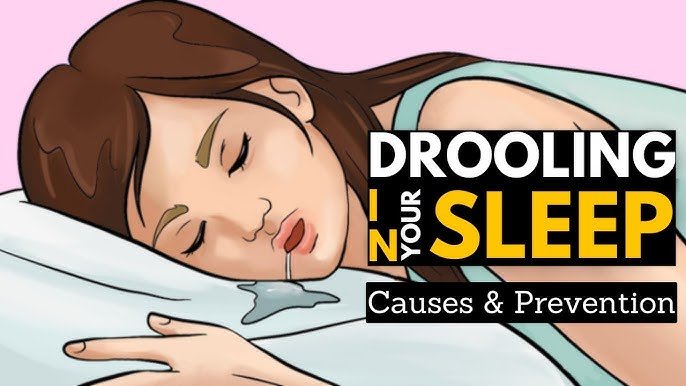
Why do people drool in their sleep is one of the most searched questions about nighttime health — and the answer is more layered than most people expect.
Drooling during sleep, medically called sialorrhea or hypersalivation, affects roughly 30% of adults at some point. It happens when saliva builds up faster than the body swallows it, usually due to relaxed muscles, sleep position, or an underlying health issue.
Most of the time it is harmless. But in some cases, it signals something worth investigating.
What Is Drooling in Sleep and Why Does It Happen?
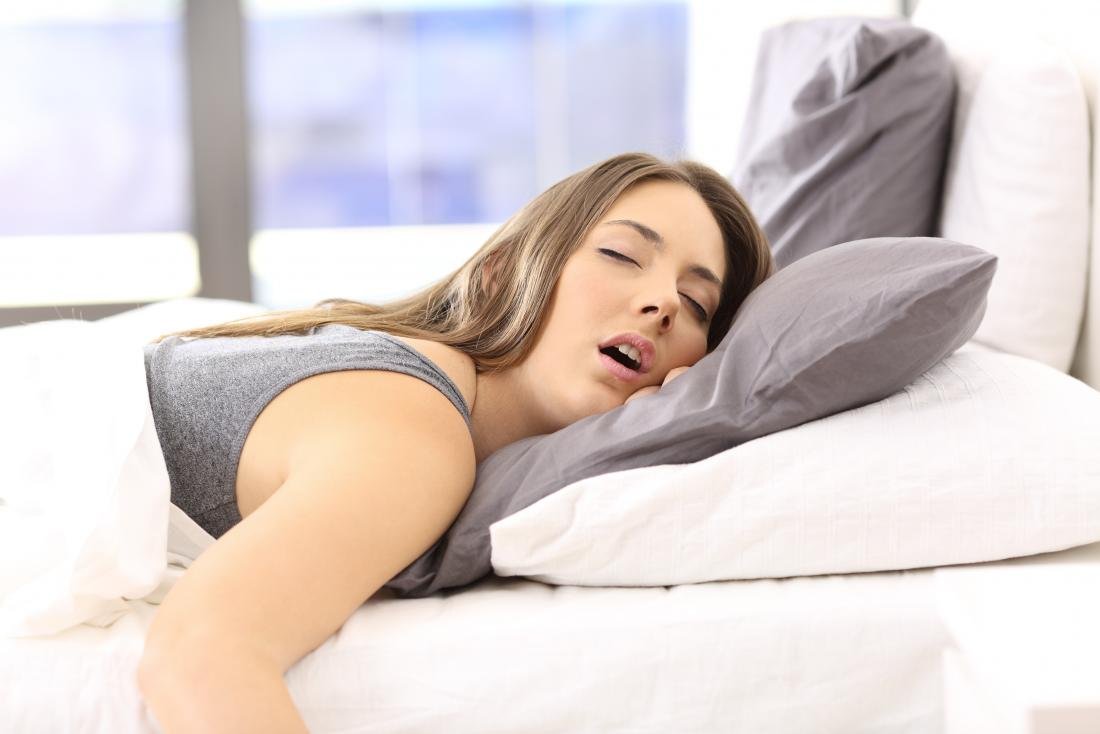
Drooling is simply the unintentional escape of saliva from the mouth during sleep. The body produces 0.5 to 1.5 liters of saliva every single day, even while asleep.
During waking hours, people swallow saliva unconsciously hundreds of times. During sleep, the swallowing reflex slows down significantly and muscles relax.
When saliva accumulates faster than it is swallowed — especially in side or stomach sleepers — it pools in the mouth and leaks out onto the pillow.
How Common Is Drooling During Sleep?
Drooling while sleeping is far more common than people admit. Research suggests that approximately 30% of adults experience it at some point in their lives.
It is most common in infants and young children because their facial muscles are still developing. Babies typically begin drooling between 3 and 6 months of age, often linked to teething.
In adults, it tends to become more frequent with age, as muscle tone decreases and certain health conditions become more prevalent.
The Main Causes of Drooling in Sleep
Sleep Position: The Biggest Trigger
Sleeping on your side or stomach is the single most common reason people drool. In these positions, gravity pulls saliva toward the front or side of the mouth.
Even a small opening between the lips allows saliva to escape. Side sleepers are especially prone because the mouth naturally falls open as the jaw relaxes.
Back sleepers drool far less because gravity keeps saliva in the mouth or directs it toward the throat where it is swallowed.
Relaxed Facial and Jaw Muscles
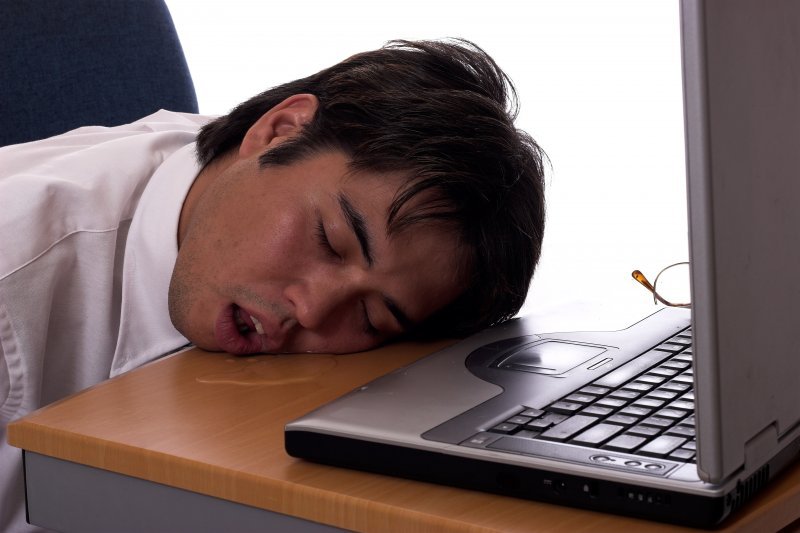
During sleep — particularly in deep sleep stages — all the muscles in the body relax, including those in the face, jaw, and throat.
When the muscles controlling lip closure and swallowing relax, the mouth can fall open. Saliva then escapes without the person being aware of it.
This is completely normal and is not a sign of poor health on its own.
Mouth Breathing During Sleep
People who breathe through their mouths during sleep are significantly more likely to drool. When the mouth is open to breathe, saliva leaks out easily.
Mouth breathing is often caused by nasal congestion, a deviated septum, enlarged tonsils, or narrow nasal passages.
Even temporary congestion from a cold or seasonal allergies can cause a noticeable increase in overnight drooling.
Nasal Congestion and Sinus Issues
Blocked nasal passages from a cold, sinus infection, or allergies force the body to breathe through the mouth. This directly increases the chance of drooling.
Seasonal allergies inflame the sinuses and restrict airflow, pushing people into mouth breathing even without realizing it.
Treating the congestion — with saline spray, antihistamines, or a humidifier — often resolves the drooling without any other intervention needed.
GERD and Acid Reflux
Gastroesophageal reflux disease (GERD) is a well-known but often overlooked cause of nighttime drooling. When stomach acid travels back up the esophagus, the body responds by producing extra saliva to neutralize the acid.
This surge in saliva production happens unconsciously during sleep, leading to excessive drooling on the pillow.
If drooling is accompanied by heartburn, a sour taste in the mouth, or a hoarse voice in the morning, GERD may be the underlying cause.
Sleep Apnea
Obstructive sleep apnea (OSA) is a serious sleep disorder where breathing repeatedly stops and starts during sleep. It is strongly linked to nighttime drooling.
When the airway is blocked, the body instinctively opens the mouth to breathe. This mouth breathing increases saliva leakage significantly.
People with sleep apnea often also grind their teeth (bruxism), which further stimulates saliva production and worsens drooling.
Medications That Increase Saliva Production
Certain medications list increased saliva production as a side effect, directly causing or worsening drooling during sleep.
Common culprits include antipsychotic medications, clozapine in particular, as well as some medications used for neurological conditions, certain antibiotics, and drugs that affect the nervous system.
If drooling started or worsened after beginning a new medication, speaking to a doctor about dosage adjustment or alternatives is a reasonable next step.
Neurological Conditions
Conditions that affect the nervous system can impair swallowing reflexes and muscle control, leading to chronic drooling.
Parkinson’s disease, cerebral palsy, stroke, ALS (amyotrophic lateral sclerosis), and multiple sclerosis are among the neurological conditions most commonly associated with sialorrhea.
In these cases, drooling is a symptom of reduced muscle coordination and swallowing ability, not simply a positional or temporary issue.
Dental and Oral Issues
Misaligned teeth, a poor bite, or dental problems can make it physically harder to keep the mouth fully closed during sleep.
Oral infections, tooth decay, mouth ulcers, and gum disease can also stimulate the salivary glands to produce more saliva than usual.
A dentist can assess whether a jaw or bite issue is contributing to drooling and suggest an oral appliance if needed.
Pregnancy
Pregnancy can trigger increased saliva production, particularly during the first trimester. Hormonal changes stimulate the salivary glands.
Combined with the nausea that sometimes makes swallowing feel uncomfortable, saliva can build up and escape during sleep.
This type of drooling is temporary and typically resolves after the first trimester or after delivery.
Stress and Fatigue
High stress levels and extreme tiredness can deepen sleep and cause greater muscle relaxation than usual. This can make drooling more likely even in people who do not normally experience it.
Poor sleep quality and irregular sleep schedules also contribute to disrupted swallowing patterns during sleep.
Addressing stress through exercise, consistent sleep routines, and relaxation techniques can reduce drooling in these cases.
Quick-Reference Causes of Drooling in Sleep
| Cause | How It Triggers Drooling | Severity |
|---|---|---|
| Side/stomach sleeping | Gravity pulls saliva forward | Mild |
| Nasal congestion | Forces mouth breathing | Mild to moderate |
| Allergies/sinus infection | Blocks nasal airway | Mild to moderate |
| GERD/acid reflux | Stimulates extra saliva production | Moderate |
| Sleep apnea | Causes chronic mouth breathing | Moderate to severe |
| Medications | Increase saliva output | Mild to moderate |
| Dental issues | Prevent proper mouth closure | Mild |
| Neurological conditions | Impair swallowing reflex | Moderate to severe |
| Pregnancy | Hormonal saliva increase | Mild, temporary |
| Stress and fatigue | Deepens muscle relaxation | Mild |
Is Drooling in Sleep Normal or a Warning Sign?
For most people, occasional drooling is completely normal and harmless. It simply reflects natural sleep muscle relaxation and positional factors.
However, frequent or excessive drooling — especially when it is new, sudden, or accompanied by other symptoms — can be a warning sign worth discussing with a doctor.
Watch for these red flags:
Sudden onset drooling that appears without explanation may indicate a new medication side effect, an infection, or the beginning of a neurological condition.
Drooling with choking or gasping during sleep strongly suggests sleep apnea and requires a medical evaluation.
Drooling combined with difficulty swallowing when awake can be an early indicator of Parkinson’s disease or other neurodegenerative conditions.
Excessive drooling in older adults that was not previously present warrants attention, as it may signal a neurological change.
Drooling with skin irritation around the mouth, chapped lips, or persistent bad breath suggests the volume of drool is high enough to cause secondary effects and needs to be addressed.
Side Effects of Excessive Drooling
Beyond the wet pillow, frequent heavy drooling can create real secondary problems.
Bad breath (halitosis) develops when saliva pools and bacteria multiply overnight on the sheets and around the mouth.
Chapped lips and skin irritation around the mouth occur when skin is repeatedly exposed to saliva overnight.
Mild dehydration is possible in extreme cases where large volumes of saliva are lost, though this is rare in healthy adults.
Sleep disruption happens when drooling is linked to sleep apnea or other conditions that fragment sleep architecture.
Emotional embarrassment is the most commonly reported impact, particularly in adults sharing a bed.
How to Stop Drooling in Sleep: Complete Fix Guide
Change Your Sleep Position
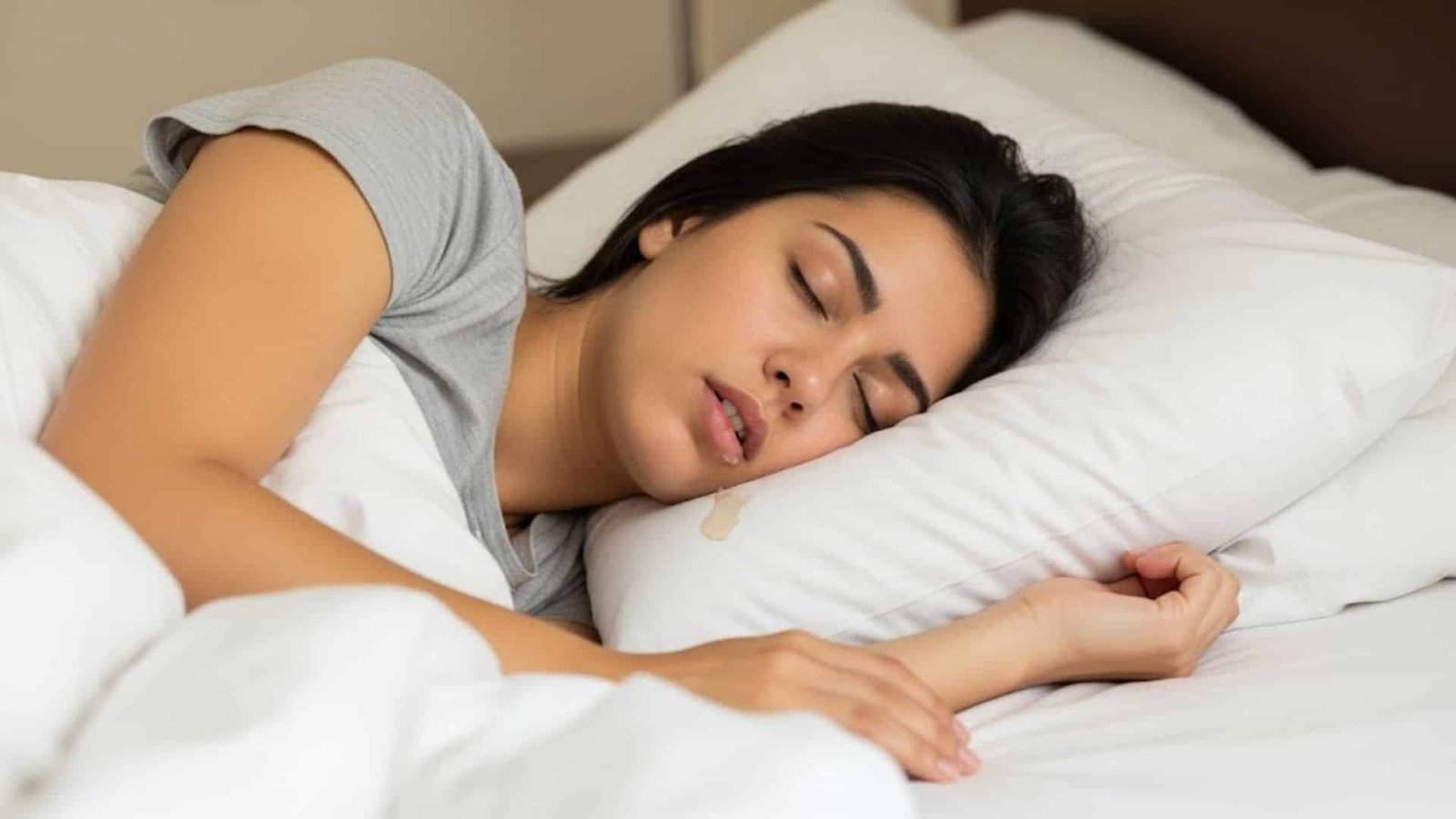
The fastest and most accessible fix is to switch to sleeping on your back. Back sleeping uses gravity to keep saliva in the mouth or direct it toward the throat.
A body pillow or wedge pillow can help train the body to stay on its back throughout the night.
Elevating the head slightly with a contoured or ergonomic pillow also reduces saliva pooling.
Treat Nasal Congestion
Clear the nasal passages before bed. Use a saline nasal spray, nasal rinse, or neti pot to flush out allergens and reduce inflammation.
A cool mist humidifier in the bedroom adds moisture to the air and keeps nasal passages hydrated, reducing the need to mouth breathe.
If seasonal allergies are the cause, an over-the-counter antihistamine before bed can significantly reduce congestion and drooling together.
Manage GERD
Avoid eating large meals within 3 hours of bedtime. Eating earlier reduces the chance of acid reflux during sleep.
Elevate the head of the bed by 6 to 8 inches using a wedge pillow or bed risers. This positioning reduces nighttime acid reflux.
Identify and avoid personal trigger foods — common ones include spicy food, citrus, coffee, alcohol, and fatty meals.
Address Sleep Apnea
If sleep apnea is suspected, a sleep study (polysomnography) is the standard diagnostic tool. This can be done in a sleep clinic or increasingly at home with take-home devices.
A CPAP (Continuous Positive Airway Pressure) machine is the gold standard treatment for obstructive sleep apnea. It keeps the airway open, eliminates mouth breathing, and often resolves drooling as a secondary benefit.
Oral appliances (mandibular advancement devices) are effective alternatives for mild to moderate sleep apnea and directly help with mouth closure during sleep.
Muscle Exercises for the Jaw and Throat
Strengthening the muscles involved in swallowing and jaw closure can reduce drooling, particularly when weak muscle tone is the primary cause.
Practice keeping the lips gently closed for several minutes at a time during the day.
Chewing exercises — such as chewing sugar-free gum — strengthen jaw muscles. A speech-language pathologist can provide a structured program of swallowing and lip-closure exercises for more persistent cases.
Stay Hydrated
Dehydration causes saliva to become thicker and stickier. Thick saliva is harder to swallow and more likely to pool and drool.
Drinking adequate water throughout the day — not just before bed — helps maintain saliva at a normal consistency.
Avoid alcohol close to bedtime, as it relaxes muscles more deeply and can worsen drooling even in people who do not normally experience it.
Avoid Triggers Before Bed
Spicy foods, highly acidic foods, and large late-night meals stimulate the salivary glands. Avoiding these within 2 to 3 hours of sleep reduces overnight saliva production.
Caffeine and alcohol both interfere with sleep quality and muscle tone. Limiting both in the hours before bed improves sleep and reduces drooling risk.
Medical Treatments for Excessive Drooling
When lifestyle changes are not enough, several medical treatments are available. These are typically used for moderate to severe or medically caused sialorrhea.
Botox Injections
Botulinum toxin (Botox) injected directly into the salivary glands reduces saliva production. Studies show it is effective in approximately 60% of cases.
The effects typically last 3 to 6 months, after which the treatment can be repeated. Side effects may include temporary dry mouth or minor swallowing difficulty.
This treatment is particularly useful for people with neurological conditions like Parkinson’s disease, where other interventions are limited.
Anticholinergic Medications
Prescription medications such as glycopyrrolate and scopolamine reduce saliva output by blocking the nerve signals that stimulate the salivary glands.
These are often used when drooling is severe, persistent, or linked to a neurological disorder. Side effects can include dry mouth, constipation, urinary retention, and blurred vision.
A doctor must weigh the benefits against the side effects based on individual circumstances.
Speech Therapy
A speech-language pathologist can design personalized exercises to improve swallowing function, lip closure, and tongue position. This is particularly effective when drooling is due to muscle weakness or coordination issues.
Speech therapy is commonly recommended for children with developmental delays and for adults recovering from stroke or managing neurological conditions.
Progress can take several weeks to months, but the improvements are often lasting.
Mandibular Devices
Oral appliances worn during sleep can reposition the jaw and tongue to keep the airway open and the mouth closed. These are primarily used for sleep apnea but also help with drooling.
Custom-fitted devices made by a dentist provide the best fit and effectiveness compared to over-the-counter options.
Surgery
Surgical options are reserved for severe cases where other treatments have failed. Options include repositioning the salivary gland ducts so saliva drains toward the back of the mouth rather than forward.
Removal or reduction of salivary glands may also be recommended in rare cases. These procedures are considered last-resort interventions.
Radiation therapy is occasionally used as a last resort to reduce salivary gland activity, though this carries its own risks and is uncommon.
Drooling Treatment Options at a Glance
| Treatment | Best For | Duration of Effect |
|---|---|---|
| Change sleep position | Positional drooling | Permanent if maintained |
| Nasal spray / humidifier | Congestion-related drooling | As long as used |
| CPAP machine | Sleep apnea-related drooling | Ongoing with use |
| Mandibular device | Mild sleep apnea, mouth closure | Nightly use |
| Speech therapy exercises | Muscle weakness drooling | Long-term improvement |
| Botox injections | Moderate to severe sialorrhea | 3–6 months per treatment |
| Anticholinergic medications | Neurological or persistent cases | While medicated |
| Surgery | Severe, treatment-resistant cases | Permanent |
Drooling in Children vs. Adults
In Infants and Toddlers
Drooling is entirely normal in babies. Infants begin producing saliva around 3 months of age but do not develop full swallowing muscle control until 18 to 24 months.
Teething between 4 and 7 months increases saliva production significantly. Most children naturally outgrow drooling by age 2.
Persistent drooling beyond age 4 may suggest a developmental issue with oral muscle control and should be evaluated by a pediatrician.
In Older Children and Teens
Drooling beyond toddlerhood is often linked to allergies, enlarged tonsils, adenoids, or nasal congestion from frequent upper respiratory infections.
Children with conditions like cerebral palsy, Down syndrome, or autism spectrum disorder may drool due to reduced oral motor control.
Speech therapy is a first-line treatment in these cases and often produces good results.
In Adults
In adults, the most common causes are positional, allergy-related, or linked to GERD and sleep apnea. These are generally manageable with lifestyle changes.
In older adults, sudden new onset of drooling warrants a neurological evaluation, as it can be an early sign of conditions like Parkinson’s disease.
Drooling and Sleep Quality: Is There a Connection?
There is a popular belief that drooling is a sign of deep, restful sleep. The science is partially supportive but more nuanced.
Deep sleep does involve greater muscle relaxation, which can make drooling more likely. However, the most common medical cause of heavy drooling — sleep apnea — actually indicates poor sleep quality, not good sleep.
If drooling is accompanied by loud snoring, waking with a dry mouth, morning headaches, or daytime fatigue, the sleep is almost certainly fragmented and of poor quality.
Occasional, mild drooling in an otherwise healthy sleeper with no symptoms is generally harmless and not an indicator of sleep quality in either direction.
When to See a Doctor About Drooling
Most drooling does not require a doctor visit. However, seek medical evaluation if:
You experience sudden, unexplained onset of excessive drooling with no clear cause.
Drooling is accompanied by snoring, gasping, choking, or waking up repeatedly during the night.
You notice difficulty swallowing when awake alongside nighttime drooling.
Drooling is accompanied by tremors, muscle stiffness, or changes in speech or facial expression.
An older adult develops new drooling that was not present previously.
A child over age 4 drools persistently and frequently, especially with feeding or speech difficulties.
The right first stop is usually a primary care physician, who may refer you to an ENT (ear, nose, and throat specialist), neurologist, sleep specialist, or dentist depending on the suspected cause.
Frequently Asked Questions (FAQs)
Why do people drool in their sleep?
Drooling during sleep happens because muscles relax during sleep, the swallowing reflex slows down, and saliva pools in the mouth — gravity and sleep position then cause it to escape.
Is drooling in your sleep normal?
Yes, occasional drooling is completely normal and affects about 30% of adults at some point. It only becomes a concern when it is frequent, excessive, or accompanied by other symptoms.
What does it mean when you drool a lot in your sleep?
Excessive drooling may indicate sleep apnea, GERD, nasal congestion, a medication side effect, or in some cases a neurological condition. It is worth speaking to a doctor if it is persistent.
Is drooling in sleep a sign of deep sleep?
Not necessarily. While deep sleep involves more muscle relaxation, heavy drooling is more often linked to sleep apnea or mouth breathing, which actually indicate disrupted, poor-quality sleep.
How do I stop drooling in my sleep?
Start by sleeping on your back, treating nasal congestion, staying hydrated, and avoiding late-night spicy or acidic food. If those do not help, a doctor can evaluate for sleep apnea, GERD, or other causes.
Is drooling in sleep a sign of diabetes?
Not directly. Diabetes itself does not cause drooling, but diabetic neuropathy can impair swallowing reflexes, and acid reflux — common in people with diabetes — can increase saliva production indirectly.
Can medications cause drooling in sleep?
Yes. Certain antipsychotics, neurological medications, and other prescription drugs list increased saliva production as a side effect. If a new medication coincides with new drooling, speak to your prescribing doctor.
Does drooling mean I have sleep apnea?
Not automatically, but sleep apnea is a common cause of drooling because it forces mouth breathing. If drooling comes with snoring, daytime sleepiness, or morning headaches, a sleep study is worth pursuing.
Can a CPAP machine stop drooling?
Yes, for sleep apnea-related drooling, CPAP therapy often reduces or eliminates drooling by keeping the airway open and stopping mouth breathing. Many patients notice an improvement quickly after starting treatment.
When should I see a doctor about drooling in sleep?
See a doctor if drooling is sudden and unexplained, accompanied by difficulty swallowing, snoring or gasping, daytime fatigue, or neurological symptoms like tremors or facial stiffness.
Conclusion
Why do people drool in their sleep comes down to biology, position, and sometimes health conditions working against the body’s natural swallowing reflex.
For most people, it is harmless, embarrassing at most, and fixed with simple changes like sleeping on your back or treating a blocked nose. For others, it is a signal worth investigating — pointing to sleep apnea, GERD, medication effects, or less commonly a neurological condition.
In 2026, effective solutions exist for every level of severity, from positional changes and nasal sprays all the way to CPAP, Botox, and speech therapy. The key is identifying your specific cause and choosing the right fix.


