

Why do people cheat is one of the most searched relationship questions, especially among couples trying to understand infidelity after it happens or fearing it might. Cheating rarely comes down to one simple reason.
Psychologists point to emotional gaps, unmet needs, personality traits, and even brain chemistry as common triggers. Some affairs start with opportunity, others with long-term dissatisfaction that builds quietly over time.
Understanding Infidelity in 2026


Infidelity is generally defined as any physical, emotional, or virtual connection that breaks the trust agreement between partners. It does not always involve sex.
Modern infidelity increasingly includes digital forms, such as secret messaging, emotional affairs on social media, and inappropriate online relationships that never turn physical.
How Common Is Cheating
Recent surveys suggest around 20 percent of married men and 13 percent of married women report having cheated at some point in their relationship.
These numbers highlight that infidelity is far more common than most couples realize, even in relationships that appear stable and happy from the outside.
Why Do People Cheat: The Core Psychological Reasons
Researchers at the University of Maryland studied 495 people who admitted to cheating and identified eight major motivations behind their behavior. Most had nothing to do with sex.
These motivations often overlap, meaning a person might feel neglected while also craving the self-esteem boost that comes from new attention elsewhere.
The Eight Key Motivations Table
| Motivation | Description |
|---|---|
| Anger | Seeking revenge for a partner’s past betrayal |
| Sexual Desire | Wanting novelty or dissatisfaction with routine |
| Lack of Love | Falling out of passion or emotional connection |
| Neglect | Not receiving enough attention or respect |
| Low Commitment | Unclear or weak relationship exclusivity |
| Situation | Being intoxicated, on vacation, or under stress |
| Self-Esteem | Seeking validation to feel desired again |
| Variety | Curiosity about a different partner or experience |
This research shows infidelity is rarely about one single trigger, but instead a mix of emotional, situational, and psychological factors working together.
Emotional Reasons Behind Cheating
Many people cheat not for physical reasons but because they feel emotionally unfulfilled in their current relationship. They seek connection that feels missing at home.
This emotional hunger often shows up as wanting deep conversations, validation, or simply feeling understood by someone new.
Emotional Neglect and Disconnection
When partners stop prioritizing quality time together, emotional distance builds slowly. This distance can create an opening for outside emotional connections to feel appealing.
Over time, small moments of neglect accumulate, making a person more vulnerable to seeking comfort or attention elsewhere.
Low Self-Esteem and Validation Seeking
Cheating can sometimes be an attempt to boost self-esteem. Feeling desired by someone new can temporarily mask deep insecurities or feelings of inadequacy.
This pattern often traces back to childhood experiences, where a person never felt fully good enough, creating a lasting need for external validation.
The Validation Cycle
The temporary confidence boost from an affair rarely fixes the underlying insecurity. Instead, it often creates a repeating cycle of seeking approval outside the relationship.
This cycle can become addictive, similar to a dopamine-driven habit, making it harder for the person to stop even when they want to.
Attachment Styles and Infidelity Risk
Psychologists have found that the way people bonded with caregivers as children shapes how they handle intimacy as adults. These patterns are called attachment styles.
A meta-analysis found both anxious and avoidant attachment styles were significantly linked to higher rates of infidelity in marriage.
Avoidant Attachment and Cheating
People with avoidant attachment tend to pull away from emotional closeness. They value independence strongly, sometimes keeping partners at a safe emotional distance.
This makes outside relationships feel less risky, since they carry fewer emotional obligations compared to their primary committed relationship.
Anxious Attachment and Cheating
Anxious attachment can also drive infidelity, often through a constant need for reassurance and attention that one partner alone cannot always provide.
This need can push a person toward seeking validation from multiple sources, increasing the risk of emotional or physical infidelity.
The Role of Boredom and Novelty


Many people who cheat report growing bored with the sexual or emotional routine in their relationship. This is especially common in long-term partnerships.
The desire for something new is not always about the affair partner specifically, but about escaping predictability and rediscovering excitement.
Novelty Seeking in Long Relationships
Evolutionary psychology suggests some individuals are naturally wired to seek novelty. This desire can intensify without healthy outlets like shared new experiences with a partner.
Couples who intentionally introduce novelty into their relationship often reduce this specific risk factor significantly over time.
Neuroscience Behind Cheating
Cheating is not only psychological but also biological. Neurotransmitters, reward systems, and emotional regulation in the brain influence decision-making around fidelity.
Dopamine, the brain’s reward chemical, plays a major role in why affairs can feel intensely exciting and even addictive to the person involved.
Brain Chemistry and Addiction Patterns
Much like substance addiction, the dopamine rush from a new romantic or sexual connection can become something a person craves repeatedly.
This explains why some people struggle to end affairs even when they recognize the damage it is causing to their primary relationship.
Situational Reasons People Cheat
Not all infidelity stems from deep psychological issues. Sometimes cheating happens due to specific situations, such as being intoxicated, traveling, or under extreme stress.
These situational lapses do not excuse the behavior but explain why even generally faithful people can make a one-time mistake under pressure.
Opportunity and Low-Risk Environments
Research indicates people are more likely to cheat when they find themselves in environments where infidelity feels low-risk or socially accepted.
This is why workplaces, business trips, and social circles with lenient attitudes toward cheating can increase overall risk for some individuals.
Anger and Revenge Cheating
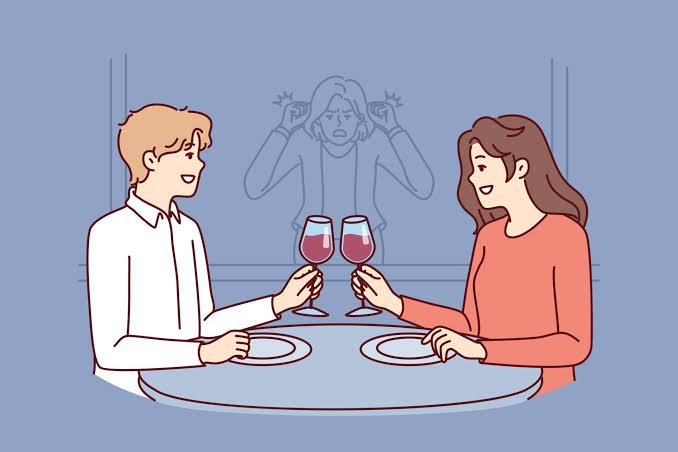

Some individuals cheat specifically to seek revenge after discovering a partner’s own betrayal. This is often called retaliatory or revenge cheating.
This type of infidelity is usually driven by hurt and anger rather than genuine attraction to the affair partner.
Why Revenge Cheating Rarely Helps
Revenge cheating almost never resolves the original pain. Instead, it typically adds new layers of hurt and complicates any chance of reconciliation.
Couples dealing with this pattern often need professional guidance to address the original betrayal before healing can genuinely begin.
Gender Differences in Why People Cheat
Studies suggest men report cheating for sexual variety and boredom slightly more often than women, though this gap has narrowed significantly in recent years.
Women more frequently report emotional disconnection and lack of validation as primary reasons behind their infidelity.
Shifting Patterns in Modern Relationships
As gender roles evolve, motivations for cheating are becoming more similar across men and women, with emotional and situational factors affecting both equally.
This shift highlights that infidelity is increasingly understood as a human relationship issue rather than one tied strictly to gender.
Common Signs of Cheating
While no sign guarantees infidelity, certain behavioral patterns appear consistently across cheating cases reported by therapists and relationship experts.
Recognizing these signs early can help couples address concerns directly instead of relying on assumptions or unnecessary suspicion.
Signs of Cheating Table
| Sign | What It Looks Like |
|---|---|
| Phone Secrecy | Password changes, face-down phones, deleted messages |
| Emotional Withdrawal | Less interest in conversations and shared time |
| Unexplained Absences | Vague explanations for missing time |
| Appearance Changes | Sudden new grooming, fitness, or wardrobe habits |
| Financial Changes | Unexplained withdrawals or hidden spending |
| Defensive Behavior | Overreacting to normal questions |
| Social Media Shifts | New contacts or hidden online activity |
Behavioral Red Flags to Watch For
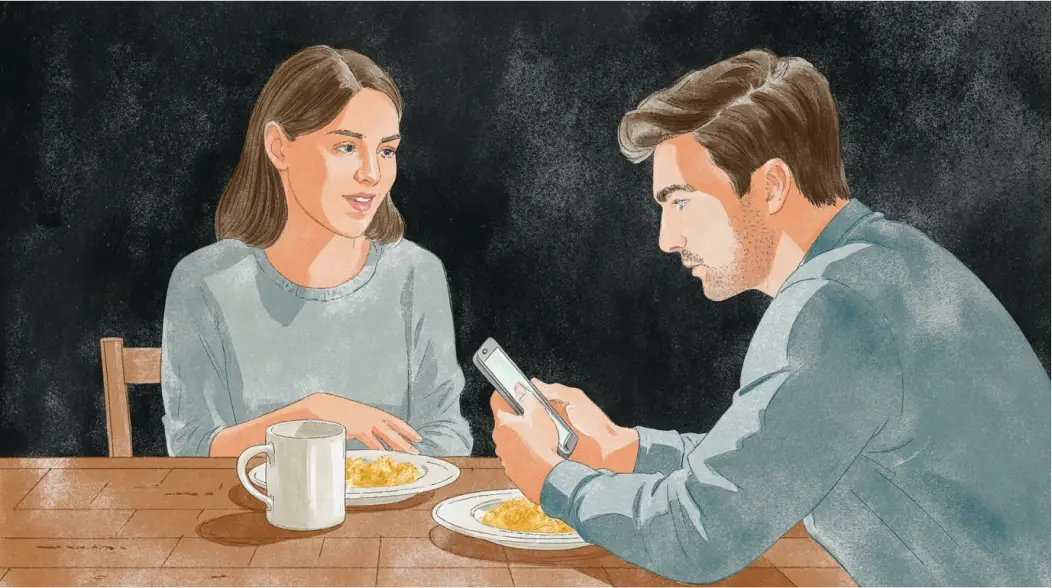

A cheating partner often shows drastic changes in mood, becoming unusually irritable, anxious, or emotionally distant without a clear explanation.
These shifts frequently appear alongside other signs, making a pattern more telling than any single behavior alone.
Sudden Interest in Personal Appearance
A partner who suddenly starts prioritizing fitness, new clothing, or grooming without an obvious reason may be seeking outside attention or validation.
This sign alone does not confirm infidelity, but paired with secrecy or distance, it becomes more significant.
Digital Signs of Cheating
Many modern affairs begin and continue through digital communication. Increased secrecy around phones and social media is one of the earliest visible signs.
New unknown contacts, unusual message timing, and hidden apps are frequently reported by people who later confirmed a partner’s infidelity.
Social Media Behavior Changes
Consistent interaction with one specific person online, especially through likes, comments, or private messages at odd hours, can indicate a developing emotional connection.
This pattern is often one of the first visible signs before infidelity moves beyond the digital space.
Projection and Accusation Patterns
Interestingly, a cheating partner sometimes accuses their partner of the same behavior. This defense mechanism is known as projection.
Mental health professionals note that guilt often drives this pattern, though false accusations can also stem from unrelated jealousy or insecurity.
Why Projection Happens
Projection allows a person to shift focus away from their own guilt by placing suspicion elsewhere, often without fully realizing they are doing it.
Recognizing this pattern can help partners respond calmly rather than becoming defensive during difficult conversations.
Trusting Your Instincts
Experts consistently note that gut instinct about infidelity tends to be more accurate than people expect, since partners know their relationship’s normal baseline best.
If something feels consistently off, it is worth paying attention to, even without concrete proof right away.
When Instincts Need Support
While instinct matters, it should be paired with clear behavioral evidence before jumping to conclusions, since stress or other issues can mimic similar patterns.
Open, calm communication remains the healthiest first step before assuming the worst about a partner’s behavior.
How to Prevent Infidelity in Relationships
Strengthening emotional connection is one of the most effective ways to reduce the risk of cheating in long-term relationships.
Regular check-ins, honest communication, and prioritizing quality time can address many of the emotional gaps that often lead to infidelity.
Building Stronger Emotional Bonds
Couples who actively work on emotional intimacy tend to report higher relationship satisfaction and significantly lower infidelity rates over time.
Simple habits like active listening and expressing appreciation regularly can make a noticeable difference in relationship stability.
What to Do If You Suspect Cheating
If you notice multiple warning signs, it is important to pause and process your emotions before confronting your partner directly.
Approaching the conversation calmly, using clear examples rather than accusations, tends to lead to more honest and productive discussions.
Steps After Confirming Infidelity
After infidelity is confirmed, many couples benefit from professional therapy to process emotions and decide whether reconciliation or separation is the healthier path forward.
Healing takes time, and there is no universally right timeline for moving forward after such a significant breach of trust.
Expert Insights on Rebuilding Trust
Therapists note that rebuilding trust after cheating requires consistent transparency, patience, and a genuine willingness from both partners to address root causes.
This process is rarely quick, often taking months or longer, depending on the depth of the betrayal and both partners’ commitment to healing.
Can Relationships Survive Infidelity
Many relationships do survive infidelity, especially when both partners are committed to honest communication and professional guidance during the recovery process.
However, survival is not guaranteed, and some relationships are healthier ending than continuing under unresolved resentment and mistrust.
Cultural and Social Factors Behind Cheating

Cultural attitudes toward monogamy and fidelity vary widely, and these social norms can influence how likely someone is to justify cheating behavior.
In cultures or social circles where infidelity is more normalized or discreetly accepted, individuals may feel less internal resistance before acting on temptation.
Peer Influence and Social Circles
Friends and colleagues who openly discuss or encourage extramarital relationships can subtly shift a person’s personal boundaries over time.
Being surrounded by a social circle that treats cheating casually often lowers the perceived risk and guilt associated with infidelity.
Personality Traits Linked to Infidelity
Certain personality traits appear more frequently among people who cheat, including high impulsivity, narcissistic tendencies, and a strong need for external validation.
These traits do not guarantee infidelity but can increase vulnerability, especially when combined with relationship dissatisfaction or opportunity.
The Narcissism Connection
Individuals with higher narcissistic traits often prioritize personal gratification and attention, making them more susceptible to seeking validation outside their primary relationship.
Recognizing these traits early in a relationship can help partners set clearer boundaries and expectations from the start.
Relationship Dissatisfaction as a Root Cause
An emotionally impoverished relationship is frequently cited as the leading reason affairs eventually end, even when the affair itself provided temporary satisfaction.
This suggests that while an affair might start due to situational factors, its continuation often reflects deeper dissatisfaction within the primary relationship.
Warning Signs of Growing Dissatisfaction
Decreased communication, reduced physical affection, and a general sense of living parallel lives are early indicators of relationship dissatisfaction worth addressing proactively.
Couples who notice these patterns early have a better chance of resolving issues before infidelity becomes a consideration for either partner.
The Impact of Cheating on Mental Health
Both partners in a relationship affected by infidelity often experience significant emotional distress, including anxiety, depression, and trust issues that can last well beyond the affair itself.
The betrayed partner frequently reports symptoms similar to trauma, including intrusive thoughts, hypervigilance, and difficulty trusting future relationships.
Supporting Emotional Recovery
Professional therapy, whether individual or couples-based, plays a critical role in processing the emotional aftermath of infidelity for both partners involved.
Support groups and trusted friends can also provide valuable emotional outlets during the difficult recovery period following discovery.
Long-Term Effects on Future Relationships
Experiencing infidelity, whether as the betrayed partner or the one who cheated, can shape how a person approaches trust and vulnerability in future relationships.
Some individuals become more cautious and communicative after infidelity, while others may struggle with recurring trust issues in subsequent partnerships.
Breaking Negative Patterns
Working with a therapist can help individuals identify and break unhealthy relationship patterns that may have contributed to past infidelity, whether as the cheater or the betrayed partner.
This self-awareness often leads to healthier relationship choices and communication styles moving forward.
When to Seek Professional Help
If infidelity has left you struggling with persistent anxiety, sadness, or difficulty functioning in daily life, speaking with a licensed therapist can provide meaningful support.
A trained professional can help both partners navigate difficult emotions and decide on a healthy path forward, whether that means healing together or apart.
Finding the Right Support
Couples counseling focuses on rebuilding the relationship, while individual therapy can help each partner process their personal emotions separately before deciding next steps together.
Choosing the right type of support depends on each couple’s specific situation, comfort level, and long-term relationship goals.
Frequently Asked Questions (FAQs)
1. Why do people cheat in relationships?
People cheat due to emotional neglect, low self-esteem, boredom, attachment issues, or specific situational triggers, rarely just one single reason.
2. What are the most common signs of cheating?
Common signs include phone secrecy, emotional withdrawal, unexplained absences, sudden appearance changes, and unusual financial activity.
3. Do men and women cheat for different reasons?
Men more often cite sexual variety, while women more often cite emotional disconnection, though these patterns are increasingly similar today.
4. Can a relationship survive after cheating?
Yes, many relationships survive infidelity through honest communication, therapy, and sustained effort from both partners over time.
5. Is emotional cheating as serious as physical cheating?
Many experts consider emotional cheating equally damaging, since it often involves deep intimacy and secrecy outside the relationship.
6. What causes someone to cheat repeatedly?
Repeated cheating often links to addiction-like dopamine patterns, unresolved insecurity, or deeper attachment and personality-related issues.
7. How can couples prevent cheating?
Prioritizing emotional connection, honest communication, and regular quality time significantly reduces common infidelity risk factors.
8. Is cheating always about sex?
No, research shows sex is not the primary motivation in many cheating cases, with emotional and situational factors playing bigger roles.
9. Should I trust my gut feeling about cheating?
Yes, experts note gut instinct is often accurate, but it should be paired with clear evidence before confronting a partner.
10. What should I do if I suspect my partner is cheating?
Stay calm, observe patterns over time, and approach your partner directly with specific concerns rather than assumptions alone.
Conclusion
Why do people cheat rarely has one simple answer. Experts point to a mix of emotional neglect, low self-esteem, attachment patterns, brain chemistry, and situational opportunity as common drivers behind infidelity.
Understanding these psychological reasons does not excuse cheating, but it does offer valuable clarity for couples trying to rebuild trust or simply understand what happened. Recognizing behavioral and digital warning signs early allows partners to address concerns before they escalate into deeper damage.
Whether you are healing from betrayal or working to strengthen your own relationship, focusing on open communication, emotional connection, and professional support remains the most reliable path forward. Infidelity is painful, but with the right insights, understanding and even rebuilding trust is possible.