

Infidelity rarely comes down to one simple reason. It’s usually a mix of emotional needs, personal history, and circumstances colliding at the wrong moment.
Understanding why people cheat in relationships won’t excuse the betrayal, but it can help you make sense of what happened.
Why Do People Cheat in Relationships


People cheat in relationships for reasons like emotional disconnection, low self-esteem, anger, boredom, sexual desire, or simple opportunity. Research shows infidelity is rarely about one single cause.
Most affairs involve a combination of unmet emotional needs and situational triggers. Understanding the “why” helps couples decide whether the relationship can be repaired.
The 8 Core Reasons People Cheat
A widely cited 2020 study in the Journal of Sex & Marital Therapy identified eight primary motivations behind infidelity. These patterns show up again and again across different studies and therapy practices.
Anger or Revenge
Some people cheat as a way to punish a partner for a past hurt. It becomes less about desire and more about evening the score.
Low Self-Esteem and Need for Validation
Cheating can serve as a confidence boost when someone feels unattractive or overlooked. The attention from a new person temporarily fills that gap.
Lack of Love or Emotional Disconnection
When love fades but the relationship continues out of habit, some partners look elsewhere for that missing spark. This is one of the most commonly cited reasons in therapy settings.
Low Commitment
People who never fully committed to monogamy in the first place are more likely to stray. The relationship structure itself wasn’t built to hold.
Need for Variety
Some cheat simply out of curiosity or a craving for novelty. It isn’t always tied to dissatisfaction with the current partner.
Neglect
Feeling ignored, unappreciated, or emotionally starved can push a partner toward someone who makes them feel seen again. Neglect often builds slowly before it leads anywhere.
Sexual Desire
For some, infidelity is driven mostly by physical attraction or unmet sexual needs. This motivation shows up more frequently in men, according to research.
Situation or Opportunity
Sometimes there’s no deep unhappiness at all — just the right (or wrong) circumstances. Alcohol, travel, or a close working relationship can create the opening.
Emotional Cheating vs. Physical Cheating
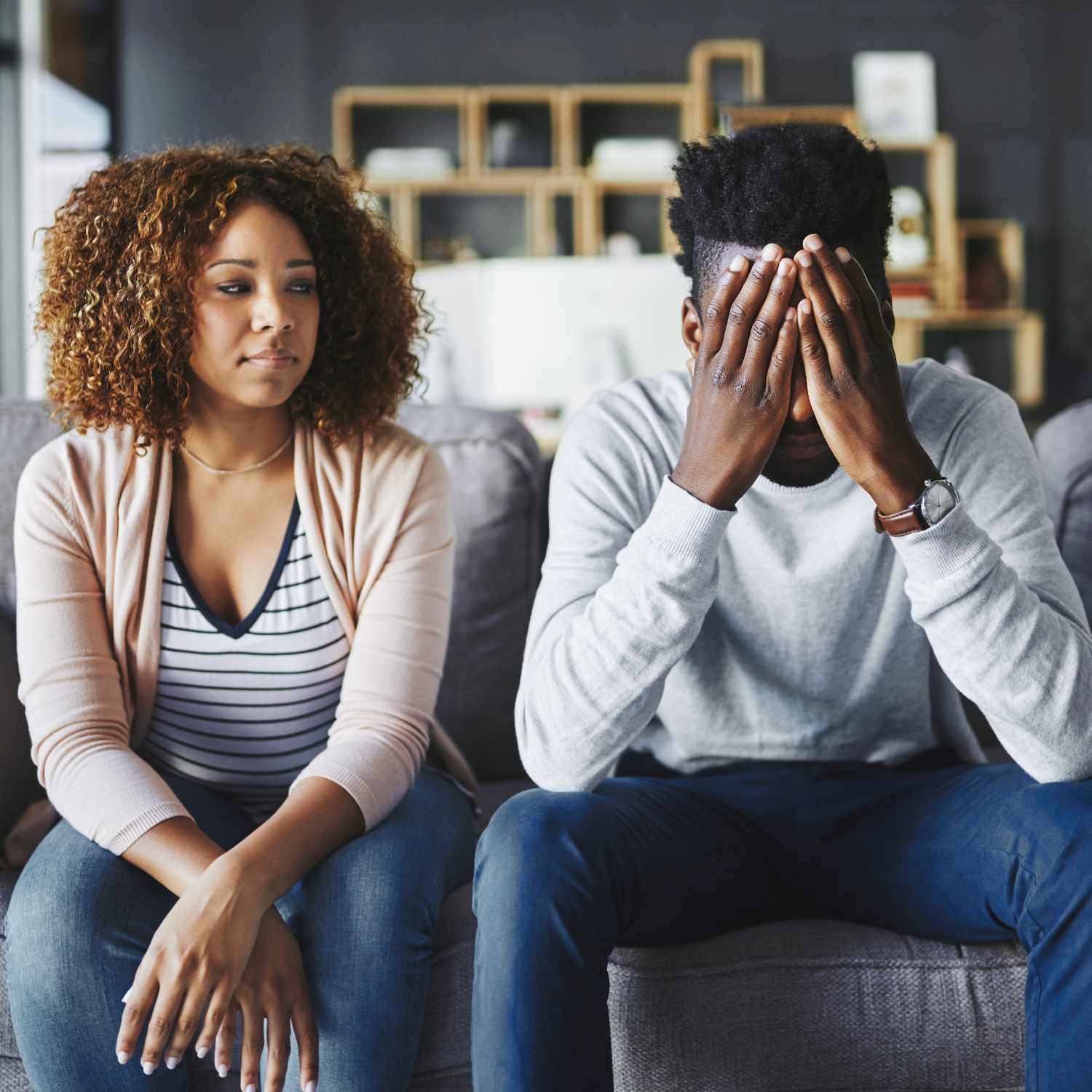

Not all infidelity involves physical contact. Emotional affairs — deep romantic or intimate connections outside the relationship — are increasingly common with texting and social media.
Research shows a large share of couples consider emotional affairs just as damaging as physical ones, sometimes more so. The secrecy and emotional investment often hurt more than the act itself.
Gender Differences in Why People Cheat
Men and women don’t always cheat for the same underlying reasons. Studies consistently show different patterns between the sexes.
| Factor | More Common In Men | More Common In Women |
|---|---|---|
| Primary driver | Sexual desire, opportunity | Emotional disconnection |
| Reported relationship happiness | Often report being “happy” while cheating | More likely to cite an unhappy relationship |
| Repeat cheating | 67% cheat more than once | 53% cheat more than once |
| Younger adults (18-29) | 10% report cheating | 11% report cheating |
How Common Is Cheating? Key Statistics


Cheating happens more often than most people assume, but it’s still far from universal. Roughly 20 to 25 percent of married individuals report having been sexually unfaithful at some point.
When emotional affairs are included, that number climbs to closer to 40–45 percent of men and 35 percent of women. Infidelity rates run even higher among unmarried couples, often exceeding 30 to 40 percent.
Common Myths About Cheating
Misconceptions about infidelity often make healing harder for the betrayed partner. Clearing these up matters.
Myth: Only Unhappy People Cheat
Research shows a surprising number of people who cheat still describe their relationship as happy. Opportunity and personality traits play a bigger role than many assume.
Myth: Cheating Is Always About Sex
Many affairs are driven more by emotional needs like attention and validation than by sex itself. Desire for novelty often matters more than physical dissatisfaction.
Myth: Only Men Cheat
Women cheat too, and the gender gap has narrowed significantly in younger generations. Emotional infidelity rates are close between men and women.
Warning Signs Someone Might Be Cheating
No single sign confirms infidelity on its own, but patterns matter. Watch for a combination of these behaviors rather than one isolated moment.
- Sudden secrecy around phones or devices
- Emotional withdrawal or increased irritability
- Unexplained schedule changes or absences
- New attention to appearance without clear reason
- Defensiveness when asked simple questions
Can a Relationship Survive Cheating?
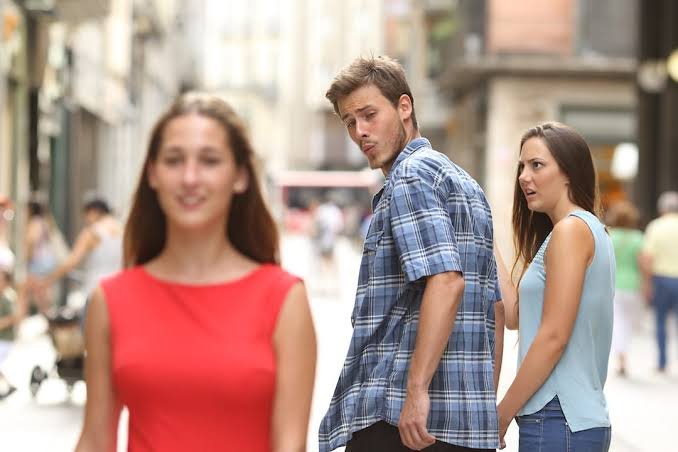
Yes, many relationships do survive infidelity, especially with professional support. Studies show 60 to 75 percent of couples who pursue structured therapy stay together long-term.
Without any professional help, reconciliation rates drop sharply. Honesty, accountability, and consistent behavior change are the biggest predictors of recovery.
How to Prevent Cheating in a Relationship
Prevention isn’t about controlling a partner — it’s about building a relationship where cheating feels unnecessary. These habits make a real difference.
- Keep communication open about needs and frustrations
- Prioritize regular quality time together
- Address resentment before it builds up
- Maintain physical and emotional intimacy
- Set clear boundaries with outside relationships
What to Do If You’ve Been Cheated On
Discovering infidelity is disorienting, and there’s no single “right” reaction. Give yourself permission to feel whatever comes up first.
Consider talking to a licensed couples or individual therapist before making major decisions. Time and support usually lead to clearer choices than reacting in the moment.
Also Read:
- From Hair Care Idea To Business: How Bo International Supports Startup Brands
- Portable Space Heaters vs Fan Heaters: Pros and Cons
- How Care Patterns Help During Steps to Report Suspected Nursing Home Abuse
- How Insurance Responses Can Affect a Houston, TX Auto Accident Claim
- The Investigation Steps a Premises Liability Lawyer May Take After an Injury
- Does Being a Loan Guarantor Affect Your CIBIL Score
- Do You Need Legal Help After a Truck Accident? Here’s What to Know
- Employee Rights and Legal Remedies in Whistleblower Retaliation Cases
- 430+ Trendy Roblox Username Ideas for Boys & Girls
- 1000+ Trendy Instagram Usernames Ideas for Girls
- Letflix Review – Features, How It Works and Is It Safe to Use?
- Download Gayatri Mantra Best Ringtone Mp3/M4R
- Grand Theft Auto: San Andreas – Theme Song Download
- Download Mission Impossible – Original Theme Song
- Randy Orton – Voices WWE Theme Song Download
- Lorde – Liability (Instrumental)
- The LOX – Ignorant (Instrumental)
- Dae Dae – Spend It (Instrumental)
- Mac Miller – Diablo (Instrumental)
- Little Mix – Pretend It’s Ok (Instrumental)
- David Guetta – Lovers On The Sun (Instrumental)
Frequently Asked Questions (FAQs)
Why do people cheat even when they love their partner?
Love and cheating aren’t mutually exclusive. Some cheat due to unmet emotional needs, opportunity, or personal insecurities unrelated to how much they love their partner.
Is cheating always planned in advance?
No, many affairs start unplanned and escalate gradually. A close friendship, for example, can slowly cross emotional or physical lines.
Do happy couples ever experience cheating?
Yes, a notable percentage of people who cheat describe their relationship as happy at the time. Personality traits and opportunity can outweigh relationship satisfaction.
What’s the difference between an emotional affair and a friendship?
Secrecy is usually the key difference. If details are hidden from a partner or emotional intimacy replaces the primary relationship’s closeness, it’s likely crossed into an affair.
Can stress cause someone to cheat?
Yes, high stress can lower impulse control and increase vulnerability to outside attention. It doesn’t excuse cheating, but it is a documented contributing factor.
Why do men cheat more often than women?
Research suggests men are more frequently driven by sexual desire and opportunity. Women more often cite emotional disconnection as their primary motivation.
Is social media a major cause of modern infidelity?
It’s a significant contributing factor, not a root cause. Easy access to old flames and new connections increases opportunity, especially for emotional affairs.
Can a marriage survive after cheating?
Yes, many marriages recover, especially with professional counseling. Recovery usually depends on honesty, accountability, and consistent behavior change.
Do people who cheat once tend to cheat again?
Research shows repeat infidelity is common, especially without addressing the underlying cause. Past cheating increases the likelihood of it happening again in future relationships.
What percentage of people cheat in relationships?
Roughly 20 to 25 percent of married individuals report physical infidelity at some point. Rates are higher when emotional affairs and unmarried relationships are included.
Why do people cheat instead of ending the relationship?
Fear of confrontation, financial dependence, or guilt over hurting a partner often keep people from leaving directly. Cheating sometimes becomes an indirect way of avoiding that conversation.
Are workplace affairs common?
Yes, a significant share of affairs involve coworkers. Close proximity and shared time naturally increase opportunity.
Can low self-esteem really lead to cheating?
Yes, needing external validation is one of the most cited psychological drivers of infidelity. New attention can temporarily boost confidence that’s missing at home.
Is boredom a legitimate reason people cheat?
It’s a common one, though not an excuse. A need for novelty or excitement often develops in long, routine relationships.
How do most affairs get discovered?
Phones, text messages, and social media are the most common ways infidelity comes to light. Behavioral changes often raise suspicion first.
Does age affect the likelihood of cheating?
Yes, patterns shift across age groups. Interestingly, younger women (18–29) report slightly higher cheating rates than men in the same age range.
Can therapy actually prevent cheating?
Yes, couples therapy that addresses communication and unmet needs can significantly lower the risk. Prevention works best before resentment builds up.
Is it possible to trust a partner again after infidelity?
Yes, though it takes time and consistent transparency. Many couples report a stronger relationship after working through recovery with professional support.
Conclusion
Why people cheat in relationships almost always comes down to a mix of emotional needs, personality traits, and circumstance rather than a single cause. Understanding these patterns doesn’t excuse betrayal, but it does offer clarity for anyone trying to make sense of it.
Whether you’re processing infidelity or trying to protect your relationship from it, the research points to the same solution: honest communication, addressing neglect early, and seeking professional support when needed.
This article is for informational purposes only and isn’t a substitute for professional therapy or counseling.