

If you’re stuffed up and your lower teeth ache, you might be asking, “why do my lower teeth hurt when I have a cold?” It’s a fair question, since most cold-related tooth pain is actually linked to your upper jaw, not your lower one.
Why Do My Lower Teeth Hurt When I Have A Cold
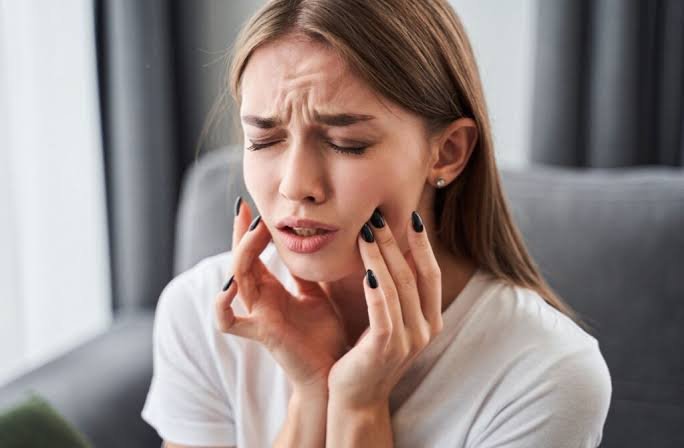

Lower teeth rarely hurt from sinus pressure, since the sinuses sit near the upper jaw. Lower tooth pain during a cold is more often linked to jaw muscle tension, referred pain, teeth grinding, dehydration, or an unrelated dental issue that’s simply more noticeable while you’re sick.
Why Sinus Pain Usually Skips Lower Teeth
Understanding the anatomy here clears up a lot of confusion.
The Maxillary Sinus Connection
The maxillary sinuses sit directly above the upper back teeth. When they become inflamed during a cold, pressure presses on nearby upper tooth roots, causing pain.
Lower Teeth Aren’t Near the Sinuses
There are no sinus cavities near the lower jaw. This is exactly why lower teeth are far less likely to hurt from sinus congestion alone.
Likely Reasons Your Lower Teeth Hurt During a Cold
Since sinus pressure isn’t the main culprit, a few other explanations are more likely.
1. Jaw Muscle Tension
Congestion often leads to mouth breathing, clenching, or tense facial muscles, which can radiate discomfort into the lower jaw and teeth.
2. Referred Pain From the Ear or Throat
Illness-related inflammation in the ears, throat, or lymph nodes can sometimes be felt as aching in nearby teeth due to shared nerve pathways.
3. Teeth Grinding (Bruxism)
Stress from feeling unwell, combined with disrupted sleep, can increase nighttime teeth grinding, which often shows up as lower jaw or tooth soreness.
4. Dehydration
Colds increase fluid loss through fever, mouth breathing, and reduced fluid intake. Dry mouth can make teeth and gums feel more sensitive.
5. Lowered Pain Threshold While Sick
Feeling generally unwell can make your body more sensitive to minor aches, including ones you might normally not notice in your teeth.
6. A Coincidental Dental Issue
Sometimes a cold simply makes you more aware of an existing cavity, cracked filling, or early gum problem that was already present.
Sinus-Related Pain vs Dental Pain


This comparison makes it easier to tell what you’re actually dealing with.
| Feature | Sinus-Related Pain (Usually Upper Teeth) | Dental Pain (Can Affect Lower Teeth) |
|---|---|---|
| Location | Multiple upper teeth, both sides | Usually one specific tooth |
| Trigger | Worsens when bending or lying down | Worsens when biting or chewing |
| Accompanying symptoms | Nasal congestion, facial pressure | Swelling, bad taste, visible damage |
| Pattern | Fades as the cold improves | Persists regardless of cold symptoms |
| Sensitivity | Rarely sensitive to hot/cold foods | Often sensitive to hot, cold, or sweets |
When Lower Tooth Pain Needs a Dentist
A cold can explain mild, general discomfort, but some signs point to something separate from your illness.
Signs You Should See a Dentist
- Pain is isolated to one specific lower tooth
- Swelling in the gum, cheek, or jaw
- Sharp pain when biting or chewing
- A bad taste or visible damage near the tooth
- Pain that continues after your cold clears up
If any of these apply, it’s worth getting the tooth checked rather than assuming it’s cold-related.
How to Relieve Lower Tooth Discomfort During a Cold

These steps address the most common non-sinus causes of lower tooth pain.
Stay Hydrated
Drinking enough water helps prevent dry mouth, which can make teeth feel more sensitive.
Relax Your Jaw
Gentle jaw stretches and avoiding excessive gum chewing can ease tension-related discomfort.
Use a Warm Compress
Applying warmth to the jaw can relax tense muscles contributing to the ache.
Try an Over-the-Counter Pain Reliever
Standard pain relievers can help manage general discomfort while your cold runs its course.
Watch for a Nightguard If You Grind Your Teeth
If grinding is a repeated issue, a dentist-fitted nightguard can prevent future tooth and jaw pain.

Also Read:
- Why Does My Gum Hurt When I Touch It? Causes & Relief
- Why Is My Tongue Itchy? Common Causes & Treatments
- Why Are MRIs So Expensive? The Real Cost Explained
- How Cashless Health Insurance Is Transforming Patient Experience
- Dr. L Barbara Robinson on What Patients Should Understand Before Choosing Robotic Heart Surgery
- How Peptides Are Changing the Science of Bodybuilding Research
- How the Best Personal Training Studios in Singapore Use Data
- How Care Patterns Help During Steps to Report Suspected Nursing Home Abuse
- From Hair Care Idea To Business: How Bo International Supports Startup Brands
- Portable Space Heaters vs Fan Heaters: Pros and Cons
- How Insurance Responses Can Affect a Houston, TX Auto Accident Claim
- The Investigation Steps a Premises Liability Lawyer May Take After an Injury
- Does Being a Loan Guarantor Affect Your CIBIL Score
- Do You Need Legal Help After a Truck Accident? Here’s What to Know
- Employee Rights and Legal Remedies in Whistleblower Retaliation Cases
- 430+ Trendy Roblox Username Ideas for Boys & Girls
- 1000+ Trendy Instagram Usernames Ideas for Girls
- Letflix Review – Features, How It Works and Safe to Use?
- Download Gayatri Mantra Best Ringtone Mp3/M4R
- Grand Theft Auto: San Andreas – Theme Song Download
- Download Mission Impossible – Original Theme Song
- Randy Orton – Voices WWE Theme Song Download
- Lorde – Liability (Instrumental)
- Mac Miller – Diablo (Instrumental)
- David Guetta – Lovers On The Sun (Instrumental)
Frequently Asked Questions (FAQs)
Can a cold really cause lower tooth pain?
Indirectly, yes. It’s usually linked to jaw tension, dehydration, or grinding rather than sinus pressure, which mainly affects upper teeth.
Why do only my upper teeth normally hurt with a cold?
The maxillary sinuses sit directly above the upper back teeth, so inflammation there presses on those tooth roots specifically.
Is it normal for one lower tooth to hurt during a cold?
Pain isolated to a single tooth is more likely a separate dental issue that happens to coincide with your cold.
Can sinus infections ever affect lower teeth?
It’s uncommon, since sinus cavities aren’t located near the lower jaw, making this pain pathway unlikely.
Why do my lower teeth hurt more at night when I’m sick?
Nighttime grinding or clenching, often worsened by poor sleep during illness, can increase lower jaw discomfort.
Can dehydration from a cold cause tooth sensitivity?
Yes. Reduced saliva production from dehydration can make teeth and gums feel more sensitive than usual.
Should I see a dentist if my lower tooth still hurts after my cold clears?
Yes. Pain that persists once your cold symptoms resolve is a sign the tooth issue is separate and needs evaluation.
Can mouth breathing during a cold cause tooth pain?
Yes. Mouth breathing dries out your mouth and can contribute to sensitivity and general discomfort in the lower teeth.
Is jaw clenching common when you’re sick?
Yes. Illness-related stress, congestion, and coughing can all contribute to increased jaw tension and clenching.
Can ear infections cause lower tooth pain?
Yes. Referred pain from ear inflammation can sometimes be felt in the lower jaw and teeth due to shared nerve pathways.
Does coughing a lot affect jaw or tooth pain?
Frequent coughing can strain jaw and neck muscles, which may contribute to referred tooth discomfort.
Why does my whole jaw ache, not just my teeth, when I’m sick?
This is often linked to muscle tension or lymph node swelling rather than the teeth themselves.
Can antibiotics for a cold cause tooth sensitivity?
Some medications can affect nerve sensitivity or saliva production, indirectly increasing tooth discomfort.
Is it common to grind teeth more when sick?
Yes. Poor sleep quality and physical stress from illness are known contributors to increased teeth grinding.
How can I tell if my lower tooth pain is dental or cold-related?
Dental pain usually affects one tooth and doesn’t improve as your cold does, while cold-related discomfort tends to ease alongside your other symptoms.
Can allergies cause similar tooth pain to a cold?
Yes. Allergy-related sinus inflammation can create comparable pressure and referred pain patterns as a cold.
Does drinking more water help with tooth sensitivity during a cold?
Yes. Staying hydrated helps maintain saliva flow, which protects and soothes sensitive teeth and gums.
Can a cold make an existing cavity feel worse?
Yes. Being generally unwell can lower your pain threshold, making existing dental issues more noticeable.
Should I use a warm or cold compress for jaw-related tooth pain?
A warm compress is generally more effective for relaxing tense jaw muscles linked to cold-related discomfort.
When does cold-related tooth pain count as an emergency?
If pain is severe, isolated to one tooth, or paired with swelling and fever, seek dental care rather than waiting for your cold to pass.
Conclusion
Lower tooth pain during a cold is usually not caused by sinus pressure, since the sinuses sit near the upper jaw instead. Jaw tension, dehydration, teeth grinding, and referred pain are far more likely explanations.
If the pain stays isolated to one tooth or continues after your cold clears, it’s worth having a dentist take a closer look to rule out a separate dental issue.