

Why do my legs feel heavy and weak is one of the most searched health questions today, and for good reason.
That dragging, sluggish feeling in your lower limbs can slow you down, disrupt your sleep, and signal something deeper going on inside your body.
Whether it hits you by the end of a long day or the moment you wake up, heavy and weak legs are not something to ignore.
What Does It Mean When Your Legs Feel Heavy and Weak?
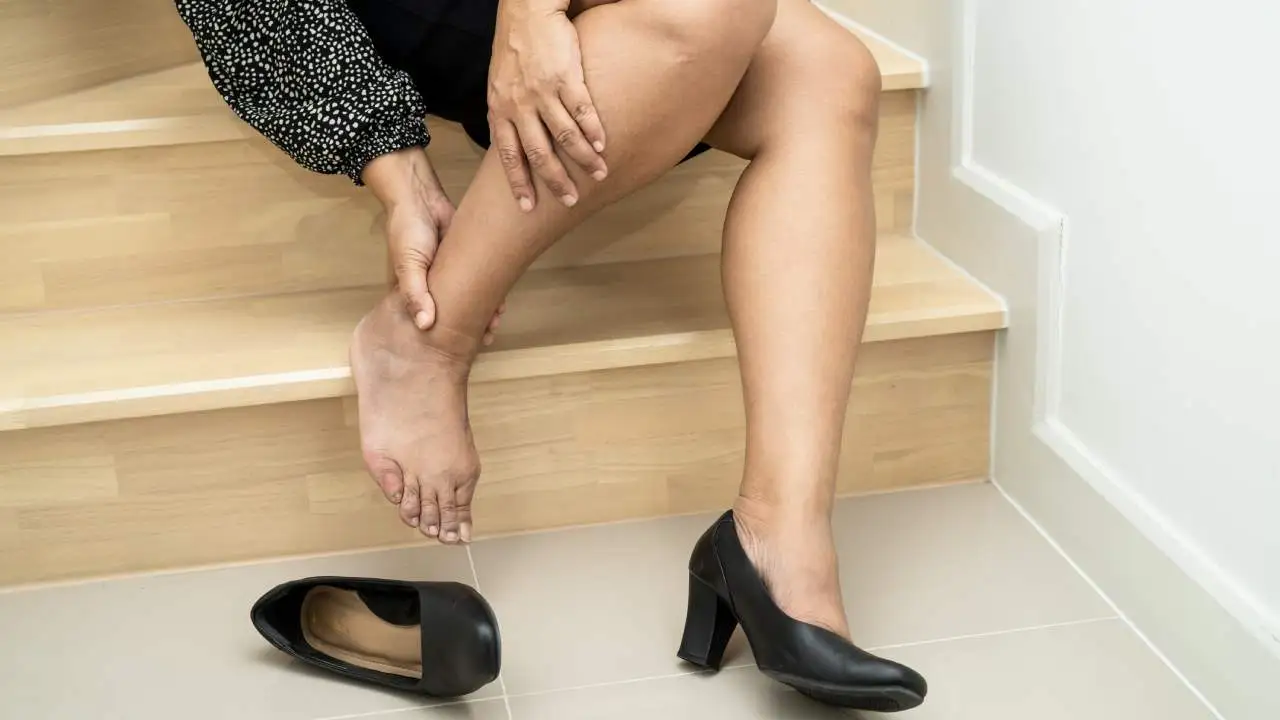

Heavy legs feel like you are walking through wet cement. Weak legs mean your muscles are struggling to carry your own bodyweight normally.
These two sensations often go hand in hand. Sometimes the cause is simple, like overtraining or sitting too long. Other times it points to a circulatory, neurological, or muscular condition that needs medical attention.
Heavy Legs vs. Weak Legs: Understanding the Difference
| Sensation | What It Feels Like | Common Cause |
|---|---|---|
| Heavy legs | Weighted, sluggish, hard to lift | Poor circulation, venous disease |
| Weak legs | Loss of muscle strength, shaky | Nerve damage, neurological conditions |
| Tired legs | Fatigue after minimal effort | Overtraining, anemia, dehydration |
| Achy legs | Dull or throbbing pain | Varicose veins, PAD, inflammation |
Knowing which sensation describes you best helps narrow down the cause significantly.
Top 10 Causes of Heavy and Weak Legs
1. Chronic Venous Insufficiency (CVI)
Chronic venous insufficiency is the most common reason legs feel heavy and weak. It happens when the one-way valves inside leg veins weaken or become damaged, allowing blood to pool downward instead of returning to the heart.
That pooled blood creates pressure, swelling, and that classic heavy sensation, especially after standing or sitting for long periods. CVI is estimated to affect more than 40% of the U.S. population in some form.
Key symptoms alongside heavy legs:
- Ankle and lower leg swelling
- Varicose or spider veins on the surface
- Skin discoloration or thickening near the ankle
- Aching that worsens at the end of the day
- Restless leg sensation at night
2. Peripheral Artery Disease (PAD)
PAD is an arterial condition where fatty deposits narrow the arteries supplying oxygen-rich blood to your leg muscles. With less fuel reaching your muscles, they feel heavy, cramped, or weak, especially during physical activity.
This symptom is called claudication. PAD differs from CVI because it involves arteries, not veins. It is a serious condition and should be evaluated by a doctor as soon as possible.
Red flags for PAD:
- Leg pain or cramping that starts during walking and stops with rest
- Cold or pale skin on the lower legs and feet
- Sores on feet that heal slowly
- Heaviness that is worse with exercise, not better
3. Deep Vein Thrombosis (DVT)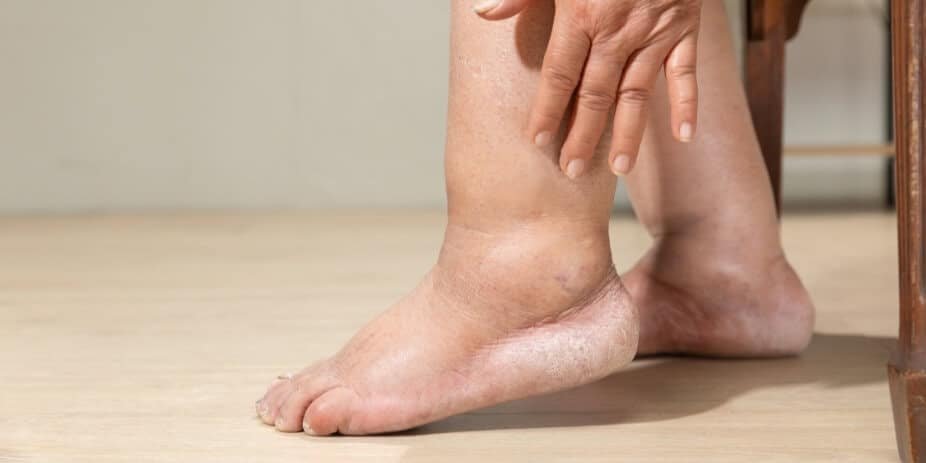

DVT occurs when a blood clot forms in a deep vein of the leg. It can cause sudden, one-sided heaviness, tightness, warmth, and visible swelling. DVT is a medical emergency because the clot can travel to the lungs.
If your heavy leg came on suddenly, affects only one leg, and is warm or red, go to an emergency room immediately. This is not a condition to self-treat at home.
4. Overtraining and Muscle Fatigue
One of the most straightforward causes is simply doing too much, too fast. When muscles do not have enough recovery time, they stay inflamed and feel sluggish, heavy, and weak.
This is common in athletes who increase training volume suddenly. Rest, hydration, and gradual progression are the fixes here.
5. Restless Legs Syndrome (RLS)
RLS creates an uncomfortable urge to move the legs, often described as pulling, crawling, or heavy sensations. It typically worsens at night and disrupts sleep significantly.
The exact cause is not fully understood, but research links it to dopamine regulation, iron deficiency, and kidney disease. It is more common in women and tends to worsen with age.
6. Multiple Sclerosis (MS)
MS damages the myelin sheath around nerve fibers, disrupting signals between the brain and muscles. Heavy or weak legs are often among the first symptoms people with MS notice.
Spasticity, a type of muscle stiffness caused by MS, can make legs feel heavy and difficult to move. About 80% of MS patients experience fatigue, which compounds the sensation of leg heaviness.
7. Nerve Damage and Neuropathy
Peripheral neuropathy, often caused by diabetes, spinal cord injury, or toxic exposure, disrupts the nerve signals that control muscle movement and sensation.
Numbness, tingling, burning, and weakness in the legs are common signs. Diabetic neuropathy is one of the leading causes of leg weakness in adults worldwide.
8. Anemia and Low Iron
When red blood cell counts drop, less oxygen reaches your muscles. The result is fatigue, weakness, and that heavy, drained feeling throughout the legs and body.
Iron-deficiency anemia is particularly common in women of reproductive age, vegetarians, and people with digestive conditions. A simple blood test can confirm or rule it out.
9. Dehydration and Electrolyte Imbalance
Your muscles need adequate fluids and electrolytes, especially potassium, sodium, and magnesium, to contract and relax properly. When you are dehydrated, legs cramp, feel stiff, and tire out faster than normal.
Athletes, elderly individuals, and people in hot climates are most at risk. Increasing water intake and eating potassium-rich foods like bananas and sweet potatoes often helps quickly.
10. Sedentary Lifestyle and Poor Circulation
Sitting or standing in one position for hours slows blood flow through the legs. Without regular movement, calf muscle pumps that push blood upward become inactive.
The result is pooling, swelling, and that end-of-day heaviness that so many desk workers and long-haul travelers experience. Even short walks every hour can make a measurable difference.
Causes at a Glance: Quick Reference Table
| Cause | Type | Who Is Most at Risk | Urgency |
|---|---|---|---|
| Chronic Venous Insufficiency | Circulatory | Adults 50+, overweight, prolonged standing | Medium |
| Peripheral Artery Disease | Arterial | Smokers, diabetics, older adults | High |
| Deep Vein Thrombosis | Blood clot | Post-surgery, sedentary, long travel | Emergency |
| Muscle Overtraining | Muscular | Athletes, gym beginners | Low |
| Restless Legs Syndrome | Neurological | Women, iron-deficient, elderly | Low–Medium |
| Multiple Sclerosis | Neurological | Women aged 20–40 | High |
| Neuropathy | Nerve | Diabetics, spinal injury patients | Medium |
| Anemia | Blood | Women, vegetarians, elderly | Medium |
| Dehydration | Metabolic | Athletes, hot climates, elderly | Low |
| Sedentary lifestyle | Lifestyle | Desk workers, long-distance travelers | Low |
Why Do My Legs Feel Heavy and Weak in the Morning?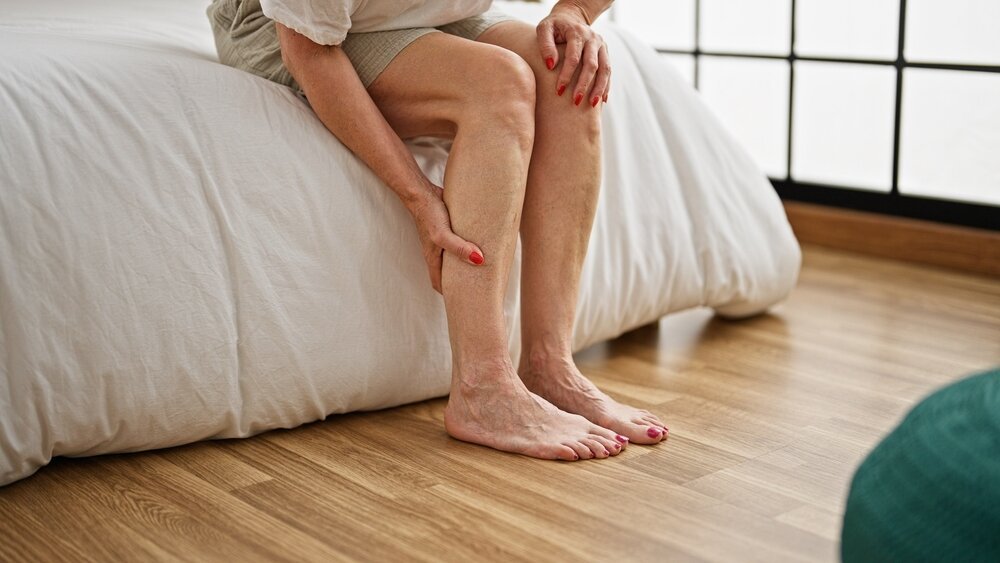

Morning leg heaviness is often tied to fluid redistribution during sleep. When you lie flat, fluid that pooled in your legs during the day redistributes through the body, but underlying venous issues can cause residual stiffness and heaviness when you first stand up.
Poor sleep posture, restless legs syndrome, and conditions like MS can also produce morning weakness. If your legs feel heaviest first thing in the morning and ease up as you move, CVI or RLS is a likely suspect.
Why Do My Legs Feel Heavy and Weak When Walking?
Heaviness specifically triggered by walking points strongly toward peripheral artery disease or spinal stenosis. With PAD, walking demands more oxygen from muscles but narrowed arteries cannot deliver it fast enough.
Spinal stenosis, a narrowing of the spinal canal, compresses nerves and causes heavy, weak legs that worsen with walking and improve when you sit or bend forward. Both conditions need medical evaluation.
Why Do My Legs Feel Heavy at Night?
Gravity pulls blood downward all day, so by evening the venous system is working hardest. If your vein valves are already weak, that effort overwhelms the system and heaviness, swelling, and aching peak at night.
Restless legs syndrome also notoriously worsens after dark. If night-time leg restlessness is disrupting your sleep regularly, speak to your doctor about RLS evaluation and iron panel testing.
Risk Factors That Make You More Vulnerable
Lifestyle and Physical Factors
Being overweight places constant extra pressure on leg veins and arteries. Carrying excess body weight increases the workload on your vascular system every single day, making venous insufficiency and leg heaviness significantly more likely.
Prolonged sitting or standing without movement is another major trigger. People in jobs that require long hours on their feet or at a desk are at noticeably higher risk.
Age and Hormonal Changes
Vein valves naturally weaken with age. Adults over 50 are significantly more likely to develop CVI and PAD, both of which cause heavy legs.
Pregnancy is a short-term but powerful driver of leg heaviness. Increased blood volume, hormonal changes, and pressure from the uterus on pelvic veins all contribute. For most women, this resolves after delivery.
Medical History
A personal or family history of varicose veins, blood clots, or deep vein thrombosis increases your risk considerably. Diabetes, which damages nerves and blood vessels over time, is a strong independent risk factor for both neuropathy and PAD.
Home Remedies That Actually Help
Move Every Hour
Short walks, calf raises, and ankle circles every 60 minutes activate the muscle pump in your calves that pushes blood back toward the heart. This is the single most effective daily habit for preventing leg heaviness.
Elevate Your Legs
Lying down and raising your feet above heart level for 15 to 20 minutes helps gravity pull pooled blood back toward the core. Many people notice immediate relief from swelling and heaviness with regular elevation breaks.
Wear Compression Socks
Graduated compression stockings apply gentle external pressure that supports vein walls and reduces blood pooling. They are widely recommended for CVI, long flights, pregnancy-related leg heaviness, and prolonged standing.
Note: If PAD is suspected, check with your doctor before using compression. High compression on poorly perfused arteries can cause harm.
Stay Hydrated
Drinking adequate water throughout the day keeps blood viscosity normal and reduces the risk of cramping and heaviness. Aim for at least 8 glasses daily, more if you are active or in a warm climate.
Eat for Vascular Health
Foods rich in flavonoids, like dark berries, citrus, and leafy greens, support vein wall strength. Reducing sodium lowers fluid retention. Potassium-rich foods like bananas, avocados, and spinach support proper muscle function and reduce cramping.
Contrast Showers
Alternating warm and cool water in the shower stimulates circulation by causing blood vessels to dilate and contract. Many people find this reduces the end-of-day heaviness and swelling noticeably.
Gentle Exercise
Low-impact activities like swimming, cycling, and walking improve circulation without overloading tired legs. Even 20 to 30 minutes of daily walking makes a measurable difference in venous return and overall leg strength.
Medical Treatments Available
Compression Therapy
Compression stockings or pneumatic compression devices are first-line medical treatment for CVI. They work by improving venous return and reducing swelling. Adherence is the main challenge since many people find them uncomfortable, but modern options are much more wearable.
Medications
Venotonic medications like diosmin and hesperidin are widely used in Europe and increasingly elsewhere to strengthen vein walls and reduce heaviness. Anticoagulants are used for DVT. For RLS, dopamine agonists, iron supplementation, and certain anticonvulsants are prescribed depending on the underlying cause.
Minimally Invasive Vein Procedures
For CVI driven by varicose veins, several procedures address the root cause directly.
| Procedure | How It Works | Recovery |
|---|---|---|
| Endovenous Laser Treatment (EVLT) | Laser energy closes the damaged vein | Same day, walk immediately |
| Radiofrequency Ablation (RFA) | Heat energy collapses the vein | Same day, minimal downtime |
| Sclerotherapy | Injection causes vein to scar and fade | No downtime |
| Microphlebectomy | Small incisions remove surface veins | Same day, wear compression after |
| VenaSeal | Medical adhesive closes the vein | No compression needed after |
Physical Therapy
For weakness caused by nerve damage, MS, or deconditioning, physical therapy rebuilds leg strength, improves balance, and corrects movement patterns. It is often a core part of neurological rehabilitation.
When to See a Doctor Immediately
Some situations require urgent or emergency care without delay.
Seek emergency care if you notice:
- Sudden heavy or painful swelling in one leg, especially with warmth or redness (possible DVT)
- Chest pain, shortness of breath, or rapid heart rate alongside leg symptoms (possible pulmonary embolism)
- Sudden weakness or numbness in both legs with loss of bladder or bowel control (possible spinal cord emergency)
See your doctor soon if you notice:
- Leg heaviness that has lasted more than two weeks without a clear cause
- Skin discoloration, sores, or ulcers on the lower legs
- Heaviness that is progressively worsening over weeks or months
- Limping, difficulty walking, or changes in gait
- Significant fatigue alongside leg weakness with no explanation
How Doctors Diagnose Heavy and Weak Legs
Your doctor will begin with a thorough history and physical exam, checking muscle strength on a scale of 0 to 5, reflexes, skin condition, and leg pulses.
Depending on what they find, they may order:
- Duplex ultrasound to evaluate blood flow in veins and arteries
- Ankle-brachial index (ABI) test to screen for PAD
- Blood tests to check for anemia, thyroid function, iron levels, and diabetes markers
- Nerve conduction study or EMG to assess nerve and muscle function
- MRI or CT scan for spinal, neurological, or vascular imaging
Lifestyle Changes That Provide Long-Term Relief
Weight Management
Losing even 5 to 10% of body weight reduces pressure on leg veins and arteries meaningfully. Combined with regular movement, weight loss is one of the most impactful interventions for chronic leg heaviness.
Quit Smoking
Smoking damages blood vessel walls, accelerates atherosclerosis, and worsens both PAD and CVI. Quitting smoking is one of the most important steps anyone with vascular-related leg problems can take.
Sleep Position
Elevating the foot of your bed by a few inches at night, or placing a pillow under your ankles, keeps blood draining from the legs even while you sleep. Many people with CVI find this dramatically improves morning symptoms.
Consistent Movement Breaks
Setting a timer every 45 to 60 minutes to stand, walk, or do calf raises is especially important for remote workers and travelers. Even 2 to 3 minutes of movement per hour keeps circulation active and prevents blood pooling.
Heavy and Weak Legs in Special Populations
During Pregnancy
Leg heaviness in pregnancy is almost universal in the third trimester. Increased blood volume, progesterone-driven vein relaxation, and uterine pressure on pelvic veins all contribute.
Compression socks, frequent position changes, and sleeping on the left side help. Symptoms typically resolve within weeks after delivery, though women with a history of pregnancy-related leg heaviness are at higher long-term risk for CVI.
In Athletes
Overtraining syndrome produces legs that feel persistently heavy, stiff, and weak despite rest. The muscles are not recovering between sessions fast enough.
Cutting training volume by 40 to 50%, prioritizing sleep, and increasing protein intake usually resolve this within one to two weeks.
In Older Adults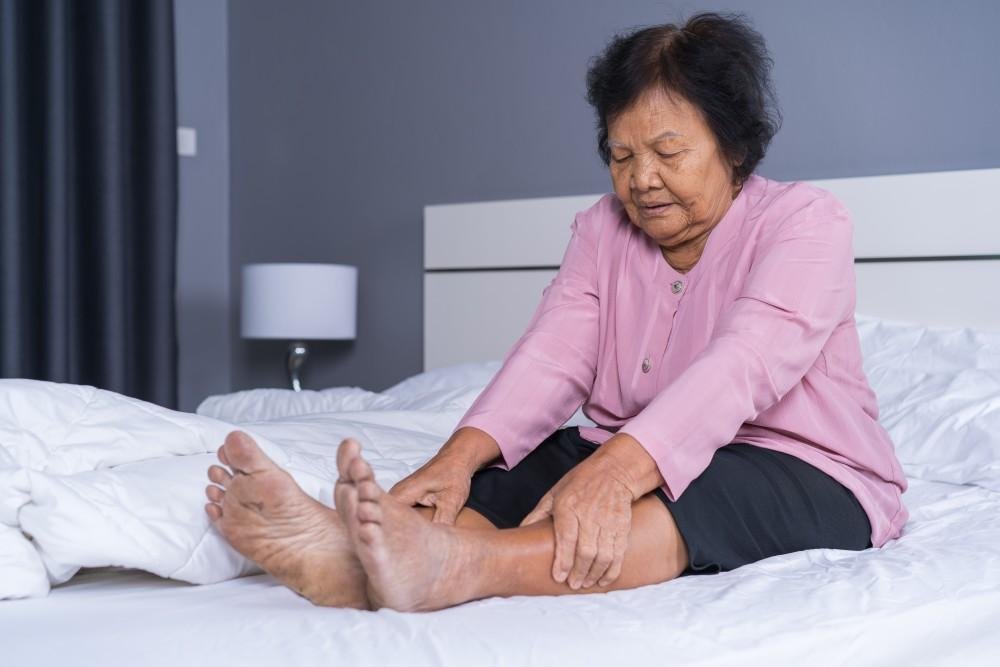

Age-related muscle loss (sarcopenia), reduced vein elasticity, and a higher prevalence of PAD, CVI, and diabetes make heavy and weak legs very common in adults over 60.
Resistance training, adequate protein, and regular vascular checkups are key preventive tools in this age group.
Nutritional Support for Leg Health
| Nutrient | Role in Leg Health | Food Sources |
|---|---|---|
| Potassium | Prevents muscle cramps, supports circulation | Bananas, sweet potatoes, spinach |
| Magnesium | Muscle relaxation, reduces RLS symptoms | Nuts, seeds, dark chocolate |
| Iron | Oxygen delivery to muscles, reduces RLS | Red meat, lentils, spinach |
| Vitamin C | Collagen for vein wall integrity | Citrus, bell peppers, strawberries |
| Flavonoids | Vein wall strength, anti-inflammatory | Blueberries, grapes, dark chocolate |
| Omega-3 fatty acids | Reduces inflammation, improves circulation | Fatty fish, flaxseed, walnuts |
| B vitamins | Nerve function and energy metabolism | Eggs, whole grains, leafy greens |
Can Stress and Anxiety Cause Heavy Legs?
Yes. Chronic stress elevates cortisol, which affects circulation and muscle tension. Anxiety can cause hyperventilation, which changes blood pH and triggers muscle weakness and tingling sensations that some people describe as heaviness.
Psychosomatic responses are real physiological events. If your heavy legs come alongside anxiety, palpitations, or shortness of breath, mental health evaluation is a legitimate and important part of the picture.
Exercises Specifically Helpful for Heavy Legs
Calf Raises
Stand with feet hip-width apart, rise slowly onto your toes, hold for 2 seconds, and lower. Do 3 sets of 15 to 20 repetitions. This activates the calf muscle pump and forces blood back up toward the heart.
Ankle Circles
Seated or lying down, slowly rotate each ankle clockwise and counterclockwise 10 times. Excellent for desk workers, travelers, or anyone who cannot walk frequently.
Leg Elevation with Cycling Motion
Lie on your back, raise legs to 90 degrees, and pedal in slow circles for 60 to 90 seconds. This combines elevation with muscle pump activation for maximum venous return.
Walking
A brisk 20 to 30 minute walk daily remains the gold standard low-impact exercise for vascular and venous leg health. It requires no equipment and has the best evidence base for improving circulation.
Frequently Asked Questions (FAQs)
Q1. Why do my legs feel heavy and weak all of a sudden?
Sudden onset of heavy, weak legs can signal a blood clot, stroke, or spinal cord issue and needs emergency evaluation right away. Do not wait and see if it resolves on its own.
Q2. Can dehydration cause heavy legs?
Yes, dehydration thickens the blood and reduces muscle function, leading to heaviness, cramping, and fatigue in the legs. Drink at least 8 glasses of water daily, more if active.
Q3. Are heavy legs a sign of heart disease?
They can be. Poor heart function reduces circulation, causing fluid to back up in the legs. If leg heaviness comes with breathlessness or chest discomfort, see a cardiologist.
Q4. Is leg heaviness a symptom of diabetes?
Yes. Diabetes causes nerve damage (neuropathy) and narrowing of arteries (PAD), both of which cause weakness, heaviness, and pain in the legs. Regular vascular screening is important.
Q5. Why do my legs feel heavy at night but not during the day?
Blood and fluid pool progressively throughout the day due to gravity, peaking at night. Venous insufficiency and restless legs syndrome are the most common culprits of night-time leg heaviness.
Q6. Can vitamins help with heavy legs?
Iron, magnesium, B12, and vitamin C all support leg health. Deficiencies in iron and B12 directly cause weakness and heaviness. A blood panel can identify what you are lacking.
Q7. Does walking help heavy legs?
Yes. Walking activates the calf muscle pump, improves venous return, and reduces blood pooling. Even short walks every hour throughout the day make a noticeable difference for most people.
Q8. When should I worry about heavy, weak legs?
Seek urgent care if the symptom is sudden, affects only one leg, comes with swelling and warmth, or is accompanied by back pain and loss of bladder control.
Q9. Can anxiety cause leg weakness and heaviness?
Yes. Chronic stress and anxiety affect circulation and muscle tone. Hyperventilation from anxiety also causes muscle weakness and tingling that can feel like heaviness.
Q10. What doctor should I see for heavy, weak legs?
Start with your primary care doctor. Depending on the suspected cause, you may be referred to a vascular surgeon, neurologist, hematologist, or orthopedic specialist.
Conclusion
Why do my legs feel heavy and weak is a question with many possible answers, and the right one depends on your specific symptoms, history, and lifestyle.
From the most common cause, chronic venous insufficiency, to more serious conditions like peripheral artery disease, deep vein thrombosis, and multiple sclerosis, understanding the full picture is the first step toward real relief.
Most cases of leg heaviness are manageable with a combination of movement habits, compression, hydration, and targeted medical care. Home remedies like elevation, compression socks, and daily walking provide significant short-term relief.
But if your symptoms are persistent, worsening, or came on suddenly, do not delay a medical evaluation.
Early diagnosis leads to better outcomes in virtually every condition linked to heavy, weak legs.
Take your symptoms seriously, speak to a healthcare professional, and use the information in this guide to walk into that conversation informed and prepared.