

Why do my gums suddenly hurt? It’s a question that catches most people off guard, usually right after brushing, eating, or waking up. One moment your mouth feels fine, and the next, your gums feel sore, tender, or even sharp to the touch.
Sudden gum pain isn’t always serious, but it’s not something to ignore either. The cause could be as simple as a stray popcorn kernel or as important as early gum disease.
Quick Overview: Common Causes of Sudden Gum Pain
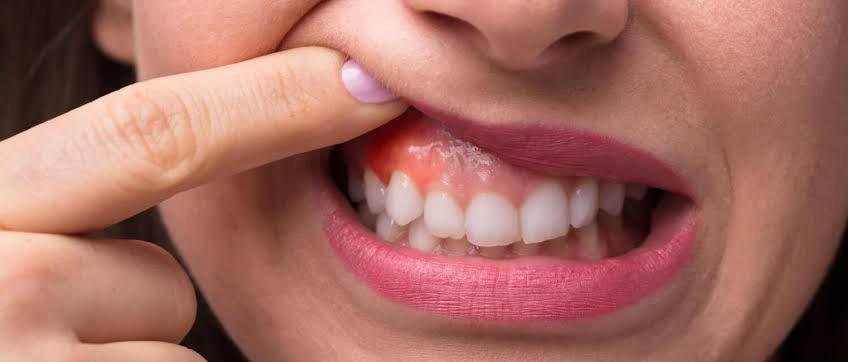

Sudden gum pain has many possible triggers. Some clear up on their own within a day or two. Others need a dentist’s attention right away.
The table below gives you a fast snapshot before we explore each cause in more detail.
| Possible Cause | Common Signs | Urgency Level |
|---|---|---|
| Gingivitis | Red, puffy, bleeding gums | Low to Moderate |
| Periodontitis | Receding gums, loose teeth | High |
| Hard brushing or flossing | Soreness, small cuts | Low |
| Trapped food | Sharp, localized pain | Low |
| Canker sore | Small, painful white sore | Low |
| Dental abscess | Throbbing pain, swelling, pus | High |
| Hormonal changes | Tender, swollen gums | Low |
| Vitamin deficiency | Bleeding, weak gum tissue | Moderate |
| Ill-fitting dentures or braces | Rubbing, irritation | Moderate |
| Wisdom tooth eruption | Pain near back molars | Moderate |
Is Sudden Gum Pain a Cause for Concern?
Most sudden gum pain is not a dental emergency. Minor irritation often fades within 48 hours with simple home care.
But pain that comes with swelling, pus, fever, or a bad taste in your mouth usually points to an infection. That kind of pain needs a dentist, not just patience.
1. Gingivitis: The Earliest Stage of Gum Disease
Gingivitis is the most common reason gums suddenly feel sore. It happens when plaque builds up along the gumline and irritates the soft tissue.
Your gums may look red, feel puffy, and bleed slightly when you brush. The good news is gingivitis is fully reversible with better brushing and flossing habits.
2. Periodontitis: When Gum Disease Gets Worse
If gingivitis goes untreated, it can progress into periodontitis. This deeper infection damages gum tissue and the bone that holds your teeth in place.
Periodontitis often causes a dull, lingering ache along with gum recession and loose teeth. Professional treatment is required once it reaches this stage.
3. Brushing Too Hard or Using a Stiff-Bristled Brush
Scrubbing your teeth with too much pressure can injure delicate gum tissue. A hard-bristled toothbrush makes the damage worse.
This usually causes a sharp soreness right after brushing. Switching to a soft-bristled brush and gentler strokes often solves the problem within a few days.
4. Aggressive or Incorrect Flossing
Sawing floss back and forth too hard can cut into your gum tissue. This creates tiny wounds that sting or throb suddenly.
Glide the floss gently in a C-shape around each tooth instead. The discomfort usually settles once you adjust your technique.
5. Food Particles Trapped Beneath the Gumline
A popcorn kernel, seed, or piece of meat can wedge itself between your tooth and gum. This causes sharp, localized pain that seems to appear out of nowhere.
Gently flossing the area usually relieves the pressure. If pain continues after the debris is gone, an infection may already be starting.
6. Canker Sores (Mouth Ulcers)
Canker sores are small, round sores that can form directly on gum tissue. They aren’t contagious but can be intensely painful for their size.
Stress, spicy food, and minor injuries are common triggers. Most canker sores heal on their own within one to two weeks.
7. Dental Abscess: A Gum or Tooth Infection
A dental abscess is a pocket of pus caused by bacterial infection. It can form at the root of a tooth or directly within the gum tissue.
This usually causes intense, throbbing pain that may spread to your jaw or ear. An abscess will not heal without dental treatment, so see a dentist quickly.
8. Hormonal Changes
Hormone shifts during puberty, your period, pregnancy, or menopause can increase blood flow to your gums. This makes them more sensitive and prone to sudden tenderness.
You might notice swelling or bleeding that seems to come and go. Good oral hygiene helps manage hormone-related gum sensitivity.
9. Vitamin and Nutrient Deficiencies
Low levels of vitamin C or B vitamins can weaken gum tissue over time. Weakened gums bleed and ache more easily, sometimes seemingly without warning.
Adding more fruits, vegetables, and a balanced diet can support gum strength. Severe deficiencies should be discussed with a doctor.
10. Ill-Fitting Dentures, Braces, or Mouthguards
Dental appliances that don’t fit properly can rub against your gums all day long. Over time, this friction leads to sudden soreness or small ulcers.
Plaque can also build up around brackets and wires, adding to the irritation. An adjustment from your dentist or orthodontist usually fixes the issue quickly.
11. Physical Trauma or Accidental Injury
Biting your cheek, eating something hard, or a small accident can bruise or cut your gum tissue. The pain often appears immediately and feels sharp.
Minor trauma usually heals within a few days on its own. Rinsing with warm salt water can speed up recovery and reduce swelling.
12. Gum Recession
When gums pull back from the teeth, the sensitive root surface becomes exposed. This can cause sudden sensitivity, especially with hot, cold, or sweet foods.
Recession often develops slowly, so the pain can feel like it appeared overnight. A dentist can recommend treatment to protect the exposed roots.
13. Erupting or Impacted Wisdom Teeth
For teens and young adults, a wisdom tooth pushing through the gum can cause sudden swelling nearby. This is especially common when there isn’t enough room for it to fully emerge.
Warm salt water rinses offer temporary relief. A dental evaluation will determine whether removal is necessary.
14. Stress, Teeth Grinding, and Lifestyle Factors
Stress can weaken your immune system and make gum tissue more reactive to bacteria. It can also lead to teeth grinding, which puts extra pressure on your gums.
This added pressure can cause soreness that feels random or sudden. Managing stress and addressing grinding habits often improves gum comfort over time.
Sudden Gum Pain During Pregnancy
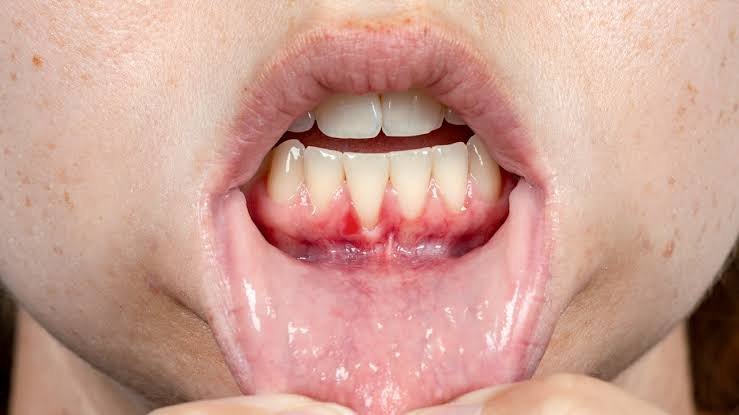

Pregnancy gingivitis affects many women, usually starting in the second trimester. Rising hormone levels make gums far more reactive to plaque than usual.
This can cause gums to feel suddenly tender, puffy, or prone to bleeding even with a normal brushing routine. A gentle oral care routine and regular dental visits during pregnancy help keep this discomfort under control.
Sudden Gum Pain in Children vs Adults
In children, sudden gum pain is often linked to a new tooth coming in or a minor injury from rough play. Teething pain can also flare up quickly without warning.
In adults, the cause is more likely tied to plaque buildup, gum recession, or an underlying dental issue. Either way, persistent pain in a child’s mouth deserves the same attention as it would in an adult.
What the Location of Your Gum Pain Might Mean
Where the pain shows up can offer useful clues about the cause. This isn’t a diagnosis, but it can help you describe symptoms more clearly to your dentist.
| Pain Location | Possible Explanation |
|---|---|
| Top gums only | Sinus pressure, upper tooth issue, or trauma |
| Bottom gums only | Grinding, gum recession, or trapped food |
| One isolated spot | Trapped debris, ulcer, or localized infection |
| Throughout the whole mouth | Gingivitis, hormonal changes, or vitamin deficiency |
| Near the back molars | Wisdom tooth eruption or impaction |
How Sudden Gum Pain Can Connect to Overall Health
Gum health doesn’t exist in isolation from the rest of your body. Chronic gum inflammation has been linked to broader health concerns, including heart and respiratory issues.
This doesn’t mean every case of sudden gum pain signals a serious health problem. But it’s one more reason to treat repeated or ongoing gum pain as worth investigating rather than something to repeatedly brush aside.
Warning Signs That Mean You Need a Dentist Right Away
Not every gum ache needs urgent care, but some symptoms should never be ignored.
If you notice any of the signs below, contact your dentist as soon as possible.
| Warning Sign | What It May Indicate |
|---|---|
| Pus or a foul taste | Active infection or abscess |
| Pain lasting more than 3 days | Infection or advancing gum disease |
| Fever along with gum pain | Spreading infection |
| Loose or shifting teeth | Periodontitis |
| Severe swelling in the face | Serious dental infection |
| Gum bleeding that won’t stop | Possible gum or blood disorder |
Home Remedies to Ease Sudden Gum Pain
Most mild gum pain responds well to simple home care. These steps can calm irritation while you wait to see if the pain settles.
Try one or two of these if your pain feels manageable and isn’t paired with any warning signs.
| Remedy | How It Helps |
|---|---|
| Warm salt water rinse | Reduces bacteria and calms inflammation |
| Soft-bristled toothbrush | Prevents further irritation |
| Cold compress | Reduces swelling and numbs discomfort |
| OTC pain reliever | Eases pain and lowers inflammation |
| Avoiding spicy or acidic food | Prevents further sting and irritation |
| OTC oral gel | Numbs the sore area temporarily |
If these steps don’t bring relief within two to three days, it’s time to book a dental appointment.
Professional Treatments Your Dentist May Recommend
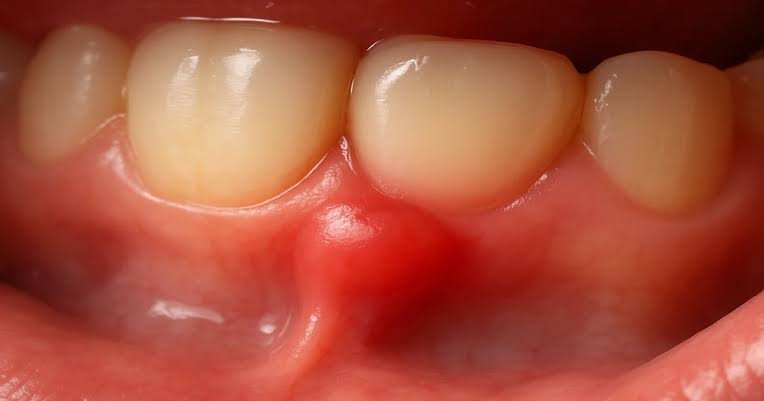

When home care isn’t enough, a dentist can target the real cause of your pain. Treatment depends entirely on what’s triggering the discomfort.
For gum disease, a professional cleaning or a deeper cleaning called scaling and root planing removes plaque from below the gumline.
For an abscess, your dentist may drain the infection and prescribe antibiotics. Severe cases sometimes require a root canal to fully resolve the pain.
If braces, dentures, or a mouthguard are the cause, a simple adjustment usually solves the irritation within one visit.
How Dentists Diagnose Sudden Gum Pain
A dentist usually starts by examining your gums visually and gently checking for swelling, bleeding points, or pockets. They may also measure gum pocket depth with a small probe to check for periodontitis.
X-rays are often used to spot hidden problems like an abscess, bone loss, or an impacted wisdom tooth. This combination helps pinpoint the exact cause instead of just treating the symptom.
Gum Pain vs Tooth Pain: How to Tell the Difference
Gum pain and tooth pain can feel similar, but a few clues help tell them apart.
Gum pain often feels like soreness, tenderness, or stinging in the soft tissue itself. Tooth pain tends to feel like a deep ache, throb, or sharp jolt centered on one tooth.
| Feature | Gum Pain | Tooth Pain |
|---|---|---|
| Location | Soft tissue around teeth | Inside or around a single tooth |
| Common Triggers | Brushing, flossing, food | Hot, cold, sweet foods, biting |
| Typical Cause | Gingivitis, injury, ulcers | Cavities, cracks, infection |
| Bleeding | Common | Rare |
How to Prevent Sudden Gum Pain in the Future
Most causes of gum pain are preventable with consistent care.
Brush twice daily with a soft-bristled toothbrush and gentle pressure. Floss once a day using a slow, careful technique rather than rushing through it.
Replace your toothbrush every three months and visit your dentist for checkups twice a year. Staying hydrated and eating a balanced diet also supports healthier, sturdier gum tissue.
Foods and Habits That Can Make Gum Pain Worse
What you eat and how you care for your mouth can either calm sore gums or aggravate them further. Knowing which habits to avoid helps speed up healing.
| Habit or Food | Why It Makes Pain Worse |
|---|---|
| Spicy or acidic foods | Irritate already inflamed tissue |
| Very hot drinks | Increase sensitivity and swelling |
| Smoking or vaping | Slows healing and raises infection risk |
| Hard or crunchy snacks | Can scrape or re-injure sore gums |
| Skipping oral care | Allows plaque and bacteria to build up |
Natural Ways to Soothe Sore Gums at Home
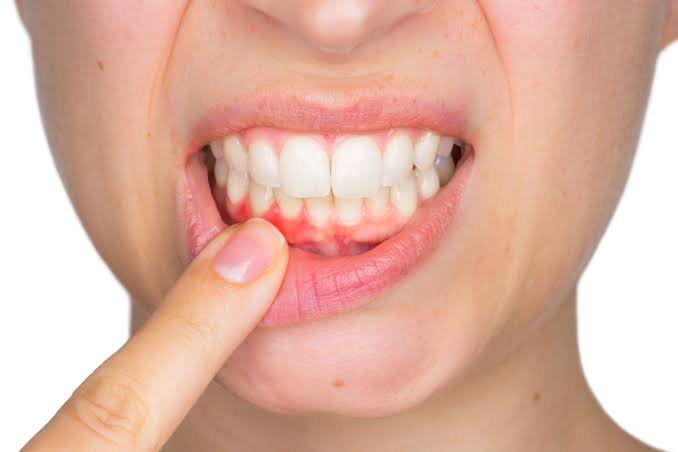

A few simple, natural steps can support healing alongside standard home remedies. These work best for mild, non-infected gum pain.
Chamomile tea bags, cooled and pressed gently against the gum, can calm irritation. Clove oil, used sparingly on a cotton swab, has natural numbing properties that many people find helpful for temporary relief.
Frequently Asked Questions (FAQs)
1. Why do my gums hurt suddenly with no injury?
Sudden gum pain without injury is often caused by early gingivitis or trapped food. Hormonal shifts can also trigger unexpected tenderness.
2. Can stress cause sudden gum pain?
Yes, stress can weaken your immune response and lead to teeth grinding. Both factors can make gums feel sore or sensitive.
3. How long does sudden gum pain usually last?
Minor irritation typically improves within two to three days. Pain lasting longer often signals infection or gum disease.
4. Is it normal for gums to hurt after flossing?
Mild soreness can happen if you’re new to flossing or floss too aggressively. Persistent pain after flossing needs a dental check.
5. Can a vitamin deficiency really cause gum pain?
Yes, low vitamin C or B12 levels can weaken gum tissue. This makes gums more prone to bleeding and soreness.
6. Should I keep brushing if my gums hurt?
Yes, continue brushing gently with a soft-bristled brush. Skipping oral care can let plaque build up and worsen the pain.
7. Can hormonal changes cause gums to hurt overnight?
Hormone fluctuations during your period or pregnancy can raise gum sensitivity quickly. This can make pain feel sudden even though the cause built up gradually.
8. When should sudden gum pain be treated as an emergency?
Treat it as urgent if you have swelling, pus, fever, or severe throbbing pain. These signs usually point to an active infection.
9. Can a dental abscess cause sudden, severe gum pain?
Yes, an abscess often causes intense, throbbing pain that appears suddenly. It usually requires prompt dental treatment to clear the infection.
10. Will sudden gum pain go away on its own?
Mild irritation from brushing or food debris often resolves alone within a few days. Pain linked to infection or gum disease will not improve without treatment.
Conclusion
Why do my gums suddenly hurt? In most cases, the answer is something manageable, like aggressive brushing, trapped food, or a passing canker sore. These causes usually settle down within a few days of gentle home care.
But sudden gum pain can also be your body’s early warning system. Gingivitis, periodontitis, abscesses, and hormonal changes can all show up as unexpected soreness, and ignoring them can let small problems grow into bigger ones.
The safest approach is simple: try gentle home remedies first, and pay close attention to how your gums respond. If the pain lingers past two or three days, or comes with swelling, bleeding, or a bad taste, don’t wait it out.
A quick visit to your dentist can identify the real cause and stop the discomfort before it affects your teeth, your bone, or your overall oral health for the long run.