

Why do my gums hurt in one spot? If you have noticed a sharp, dull, or throbbing pain in one exact area of your gums, you are not alone.
Localized gum pain is one of the most common dental complaints in 2026. Unlike general soreness that spreads across the mouth, pain in a single spot almost always has a specific, identifiable cause.
It could be something as simple as a piece of food stuck under your gumline, or it could be an early warning sign of infection or gum disease.
Either way, understanding what is behind that pain is the first step toward getting rid of it.
What Does It Mean When Only One Spot on Your Gum Hurts?
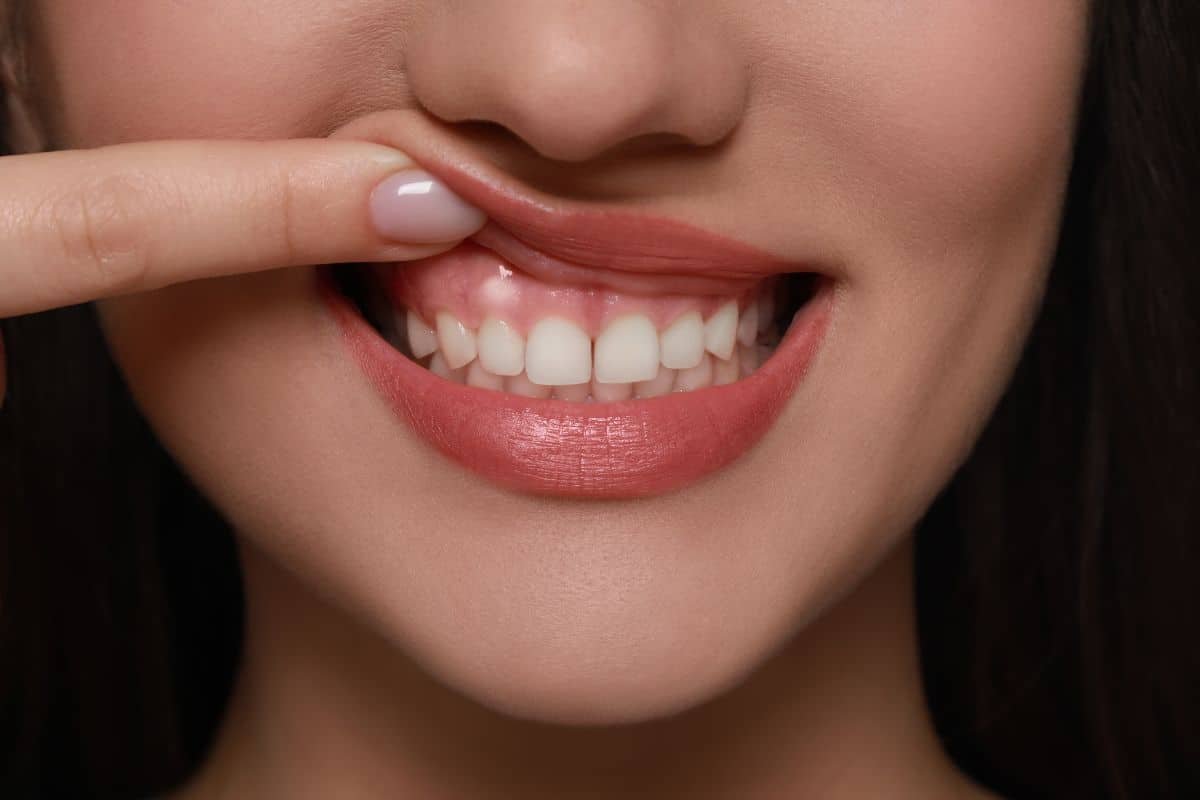

When gum pain is limited to one area, it almost always points to a localized issue rather than a whole-mouth problem.
Unlike generalized gum soreness — which can be linked to hormonal shifts, illness, or widespread inflammation — pain in a single spot usually means something specific is irritating or damaging that exact tissue.
Paying attention to how long the pain lasts, whether it is getting worse, and whether you see any swelling or bleeding can help you and your dentist figure out what is actually going on.
Common Causes of Gum Pain in One Spot
Trapped Food Under the Gumline
One of the most frequent reasons for gum pain in one specific area is food trapped between the teeth or just beneath the gumline.
Small particles of hard or fibrous food — like popcorn husks, seeds, or meat fibers — can slip under the gum tissue and stay there. Even if you cannot see anything, the pressure and bacteria from the debris cause rapid localized inflammation.
The fix is often as simple as gently flossing and rinsing with warm salt water. If the area remains sore for more than two to three days, see a dentist to rule out infection.
Aggressive Brushing or Flossing
Brushing too hard or snapping floss down aggressively can injure a single section of your gum tissue, leaving it sore and tender for several days.
The surface may look perfectly fine, but underneath the tissue is bruised and inflamed. Many people do not realize how much force they are applying during their daily routine.
Switching to a soft-bristled toothbrush and using a gentle back-and-forth motion — rather than scrubbing — usually resolves this type of pain within a few days.
Canker Sore on the Gum
A canker sore, also known as an aphthous ulcer, is a small, round lesion with a white or yellowish center and a red border. These sores can form directly on the gum tissue.
Canker sores are not contagious. They are triggered by stress, minor injuries, acidic foods, vitamin deficiencies — especially vitamin B12, iron, zinc, and folate — or hormonal changes. They are most common in teens and adults in their 20s.
Most canker sores heal on their own within 7 to 14 days. Warm salt water rinses, topical numbing gels like benzocaine, and avoiding spicy or acidic foods can speed up recovery significantly.
Gum Abscess (Localized Infection)
A gum abscess is a pocket of pus caused by a bacterial infection beneath the gumline. It can develop from trapped food, an untreated cavity, or deep gum disease.
Abscess pain is typically deep, intense, and often pulsing or throbbing. The area may feel hot, look swollen, and you might notice a foul taste in your mouth or a visible small bump near the painful spot.
A gum abscess will not resolve on its own. You need dental treatment — which may include draining the abscess, antibiotics, and sometimes root canal therapy or extraction to clear the infection completely.
Tooth Abscess Causing Referred Gum Pain
A tooth abscess is a severe infection at the root tip of a tooth. The pain from this infection often radiates outward and can feel like it is coming from the gum rather than the tooth itself.
This is called referred pain — the real problem is inside the tooth, but your brain registers the sensation as gum pain in that area. Cracked teeth and inflamed nerves can also create this effect.
Root canal treatment or tooth extraction is usually necessary to resolve the abscess and eliminate the associated gum pain. Early treatment prevents the infection from spreading to surrounding bone and tissue.
Early Gum Disease (Gingivitis)
Gingivitis is the mildest form of gum disease and can cause inflammation in one specific spot before it spreads further along the gumline.
When plaque builds up along the gumline and is not properly removed through brushing and flossing, bacteria accumulate and irritate the surrounding gum tissue. You may notice redness, puffiness, or light bleeding in one area when you brush.
Early gingivitis can often be reversed with improved oral hygiene and a professional cleaning. If left untreated, it can progress to periodontitis, which causes bone and tooth loss.
Pericoronitis (Wisdom Tooth Gum Infection)
Pericoronitis is inflammation of the gum tissue surrounding a partially erupted wisdom tooth. It is one of the most common causes of localized gum pain in young adults aged 17 to 25.
When a wisdom tooth only partially emerges through the gum, a small flap of tissue called an operculum forms over the crown. Food, bacteria, and debris collect under this flap and quickly cause infection. Pain is typically felt at the very back of the mouth on one side.
Mild cases are treated with warm salt water rinses and antibiotics. Severe or recurring cases usually require wisdom tooth extraction, which eliminates the flap of tissue and removes the source of infection permanently.
Gum Recession and Root Exposure
When the gum tissue pulls back from the tooth, the sensitive root surface becomes exposed. This causes sharp pain or heightened sensitivity in one specific spot, especially to cold temperatures, sweet foods, or touch.
Gum recession can happen from brushing too aggressively, gum disease, teeth grinding, or simply genetics. The exposed root has no enamel protecting it, making it much more vulnerable to external stimuli.
Desensitizing toothpaste can provide short-term relief. For significant recession, a dentist may recommend bonding, a gum graft, or other periodontal treatments to cover the exposed root and protect it long-term.
Ill-Fitting Dental Restorations
Crowns, fillings, braces, dentures, or other dental work that do not fit properly can rub constantly against the gum tissue at one specific point, causing chronic irritation and soreness.
Even a slight rough edge on a filling or an imperfectly shaped crown can be enough to inflame the nearby gum tissue over time. The pain typically does not go away until the restoration is adjusted or replaced.
If you started experiencing gum pain in one spot shortly after dental work, go back to your dentist and mention the problem. A simple adjustment is often all that is needed.
Hormonal Changes
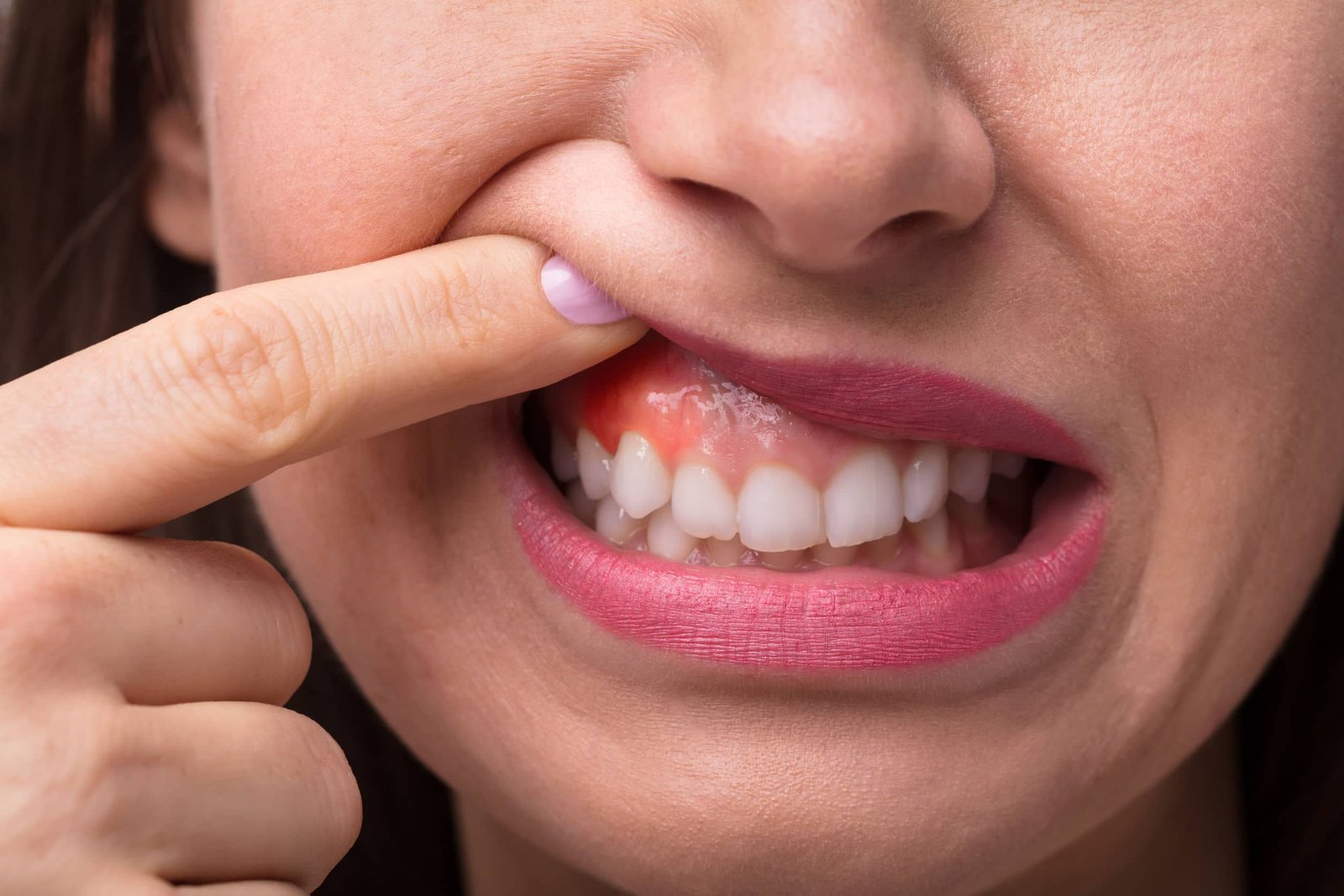

Hormonal fluctuations during pregnancy, menstruation, puberty, or menopause can make gum tissue more sensitive and prone to inflammation, sometimes in just one area.
During pregnancy, rising estrogen and progesterone levels increase blood flow to the gums, making them more reactive to bacteria and plaque. A condition called pregnancy gingivitis can cause swelling and pain concentrated in certain spots.
Maintaining excellent oral hygiene during hormonal changes is especially important. Let your dentist know about any hormonal changes so they can monitor your gum health more closely.
Vitamin Deficiencies
A deficiency in key nutrients — particularly vitamin C, vitamin B12, iron, and zinc — can weaken gum tissue and make it prone to soreness, ulcers, and inflammation in localized areas.
Vitamin C deficiency in severe cases causes scurvy, which damages gum tissue directly. Even mild deficiencies in B12 or iron can trigger recurring canker sores and general gum sensitivity.
A blood test can confirm whether a nutritional deficiency is contributing to your gum pain. Supplementation and dietary changes — adding more leafy greens, citrus, lean proteins, and whole grains — can resolve this cause quickly.
Tobacco Use
Smoking cigarettes or using chewing tobacco causes chronic gum irritation and reduces blood flow to the gum tissue, making it harder for the body to fight infection and heal effectively.
Tobacco use increases the risk of gum disease, oral infections, and oral cancer. It can cause sore, inflamed spots on the gums that do not heal as quickly as they should in a non-smoker.
Cutting back on or eliminating tobacco is one of the most impactful steps you can take for long-term gum and oral health.
How to Identify the Likely Cause of Your Gum Pain
Not every case of localized gum pain requires a dentist visit right away. Here is a quick guide to help you narrow down what might be happening.
| Symptom | Likely Cause |
|---|---|
| Pain after eating popcorn or seeds | Trapped food debris |
| Soreness after brushing or flossing | Overly aggressive technique |
| Small white/yellow sore on gum | Canker sore (aphthous ulcer) |
| Throbbing pain with swelling or bad taste | Gum or tooth abscess |
| Pain at back of mouth, difficulty opening jaw | Pericoronitis (wisdom tooth) |
| Pain after new filling or crown | Ill-fitting restoration |
| Sensitivity to cold at one spot | Gum recession or exposed root |
| Bleeding when brushing one area | Early gingivitis |
| Recurring pain during pregnancy or period | Hormonal changes |
| Frequent sores with poor diet | Vitamin deficiency |
When Should You See a Dentist for Gum Pain?
Not all gum pain requires an emergency dental visit, but some signs should never be ignored.
See a dentist as soon as possible if you notice:
- Pain in the same spot lasting more than two to three days without improvement
- Visible swelling, pus, or a bump near the painful area
- A bad or foul taste in your mouth
- Difficulty opening your mouth fully or pain when swallowing
- Fever accompanying the gum pain
- Bleeding gums that do not stop with gentle brushing
- Gum pain that spreads beyond the original spot
Pain lasting more than 48 hours and showing no signs of improvement almost always indicates something more serious than minor irritation — such as an abscess, pericoronitis, or developing gum disease — that needs professional evaluation.
Home Remedies for Gum Pain in One Spot
For mild localized gum pain with no signs of infection, these at-home strategies can provide effective relief while the area heals.
Warm Salt Water Rinse
Mix one teaspoon of salt in a cup of warm water and rinse gently for 30 seconds, several times a day.
Salt water reduces inflammation, draws out excess fluid from the tissue, and creates an environment that is hostile to bacteria. It is one of the most effective, evidence-backed home treatments for gum irritation.
Cold Compress
Apply an ice pack or a bag of frozen peas wrapped in a cloth to the outside of your cheek for 10 to 15 minutes at a time.
Cold helps constrict blood vessels, reducing swelling and numbing the pain temporarily. It works best in the first 24 to 48 hours after an injury or the onset of acute pain.
Topical Numbing Gel
Over-the-counter gels containing benzocaine — such as Orajel or Anbesol — can be applied directly to the sore gum to numb the area for short-term relief.
These gels do not treat the underlying cause but they make eating, drinking, and brushing much more comfortable while healing progresses. Follow the directions on the label carefully.
Gentle Brushing and Flossing
It might be tempting to avoid the painful area entirely, but continuing gentle oral hygiene prevents plaque from accumulating and worsening the inflammation.
Use a soft-bristled toothbrush and a light touch around the sore area. Floss carefully — do not snap the floss down but slide it gently between the teeth.
Over-the-Counter Pain Relievers
Ibuprofen (Advil, Motrin) reduces both pain and inflammation and is often more effective for gum pain than acetaminophen alone.
Take as directed on the label. Do not place aspirin directly on the gum tissue, as this can cause a chemical burn. If pain does not respond to OTC pain relievers, that is a sign you need professional dental care.
Honey Application
Applying a small amount of raw honey — preferably Manuka honey — directly to the sore spot can help reduce pain and fight bacteria due to its natural antibacterial and anti-inflammatory properties.
Let it sit for a minute before rinsing. Avoid this remedy right before bed if you are concerned about sugar contact with teeth.
Hydrogen Peroxide Rinse
Mix equal parts 3% hydrogen peroxide and water, then rinse gently for 30 seconds before spitting out completely. Do not swallow.
Hydrogen peroxide kills bacteria and helps keep the affected area clean. It is particularly useful when canker sores or minor gum wounds are involved. Use once or twice a day, not continuously.
Foods to Eat and Avoid When Your Gums Hurt
What you eat during a gum pain episode can speed up or slow down recovery significantly.
| Eat These | Avoid These |
|---|---|
| Yogurt, smoothies, oatmeal | Popcorn, chips, hard crackers |
| Soft cooked vegetables | Spicy foods and hot sauces |
| Cold water, herbal teas | Citrus fruits and acidic drinks |
| Eggs, tofu, soft proteins | Alcohol-based mouthwashes |
| Lukewarm soups and broths | Carbonated or sugary drinks |
Soft, bland, and cool or lukewarm foods minimize contact with the sore area and reduce additional irritation. Avoiding spicy, acidic, and crunchy foods gives the tissue space to heal.
Professional Treatments for Localized Gum Pain
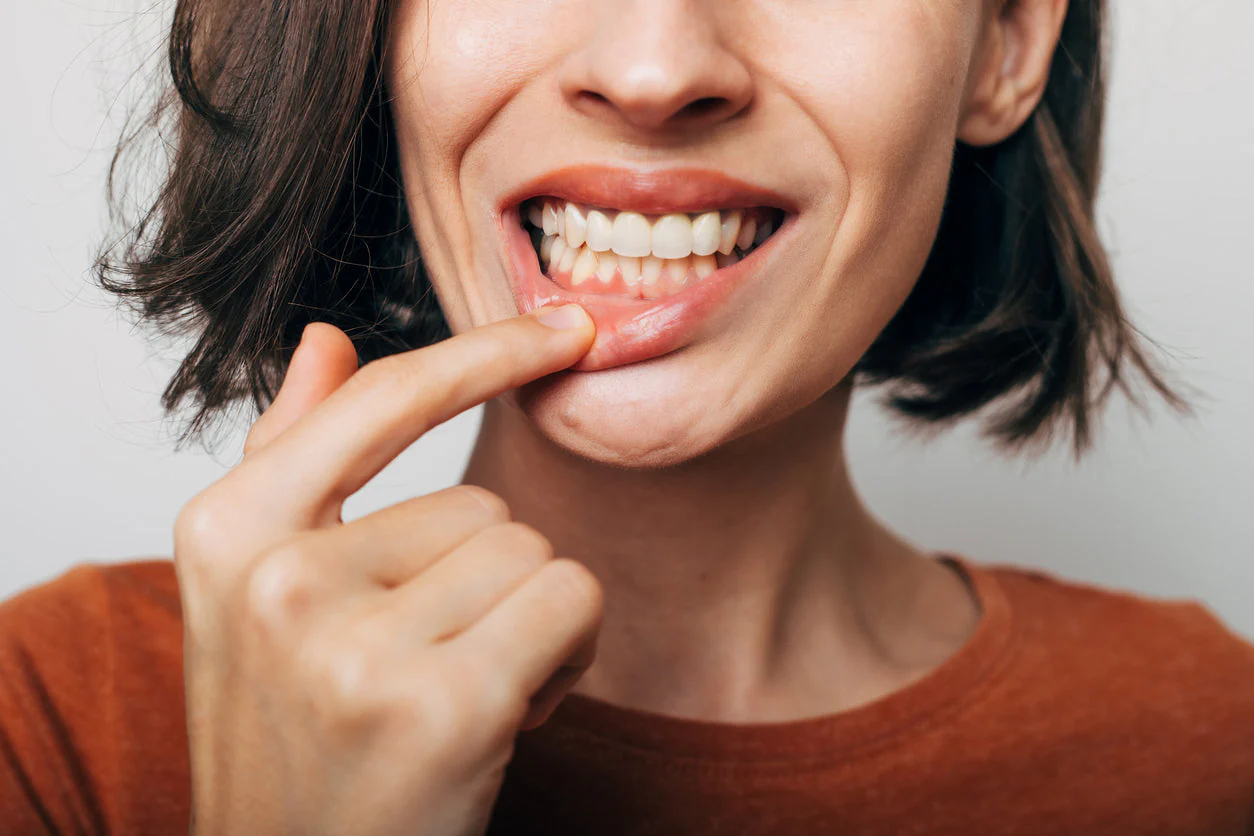

When home care is not enough, dental professionals have several effective treatments depending on the underlying cause.
Professional Dental Cleaning
If plaque buildup is contributing to localized gum inflammation or early gingivitis, a professional cleaning removes tartar and bacteria that brushing and flossing alone cannot eliminate.
A thorough cleaning often provides significant relief within a few days. Most dentists recommend professional cleanings every six months for this reason.
Deep Cleaning (Scaling and Root Planing)
For more advanced gum disease, scaling and root planing is a two-part procedure that removes tartar from below the gumline and smooths the root surface to help the gum reattach.
This is a non-surgical procedure typically done under local anaesthetic. It is highly effective for treating periodontal disease before it requires surgical intervention.
Abscess Drainage
If a gum or tooth abscess is the cause of pain, the dentist will drain the pus to relieve pressure, then prescribe antibiotics to clear the infection.
Depending on the severity, further treatment — such as a root canal or extraction — may be needed to eliminate the source of infection and prevent it from returning.
Antibiotics
For infections like pericoronitis or spreading gum infections, a course of antibiotics — typically amoxicillin or metronidazole — is prescribed alongside other treatment to control bacterial growth.
Antibiotics treat the infection but do not address the structural dental problem causing it. They are almost always part of a broader treatment plan rather than a standalone solution.
Wisdom Tooth Extraction
When pericoronitis is recurring or severe, removing the partially erupted wisdom tooth is the most reliable long-term solution because it eliminates the gum flap that traps bacteria.
Even with perfect oral hygiene, the operculum will continue to be a problem as long as the wisdom tooth remains partially impacted. Extraction is the only permanent fix.
Dental Restoration Adjustment
If an ill-fitting crown, filling, or denture is causing the localized gum irritation, your dentist can adjust, smooth, or replace the restoration to eliminate the source of friction.
This is usually a quick procedure. Addressing it promptly prevents chronic gum damage from continued contact with a rough or misaligned edge.
Periodontal Surgery
In cases of advanced gum disease or significant gum recession, surgical procedures may be necessary. These include gum grafts — where tissue is taken from the palate to cover exposed roots — or flap surgery to thoroughly clean deep pockets.
Surgery is typically a last resort after non-surgical options have been exhausted, but it can restore gum health and protect teeth from further damage very effectively.
How to Prevent Gum Pain in One Spot
Prevention is far easier than treatment, and most causes of localized gum pain are entirely avoidable with consistent habits.
Daily prevention habits:
- Brush twice daily using a soft-bristled toothbrush and gentle pressure
- Floss once daily using a controlled sliding motion — not snapping the floss down
- Use an alcohol-free, antibacterial mouthwash after brushing
- Stay well hydrated to prevent dry mouth, which allows bacteria to thrive
- Eat a balanced diet rich in vitamin C, vitamin B12, calcium, zinc, and iron
- Avoid tobacco products in any form
- Schedule professional dental cleanings every six months
- Replace your toothbrush every three to four months or when the bristles fray
Gum Pain in One Spot vs. All-Over Gum Soreness: Key Differences
Understanding whether your pain is localized or generalized helps determine the most likely cause and next steps.
| Feature | Localized Pain (One Spot) | Generalized Pain (All Over) |
|---|---|---|
| Area affected | Single specific point | Entire gumline or large section |
| Common causes | Trapped food, abscess, canker sore, injury | Gingivitis, hormonal changes, medication |
| Duration | Days to weeks if untreated | Often persistent until systemic cause addressed |
| Home care effectiveness | Often effective for minor causes | Usually requires professional treatment |
| Urgency | High if swelling or pus present | High if bleeding is significant or widespread |
Gum Pain During Pregnancy: What to Know
Pregnancy causes significant hormonal changes that increase blood flow to the gum tissue, making it more reactive and prone to inflammation — sometimes in just one spot.
Pregnancy gingivitis is extremely common and can cause localized swelling, tenderness, and bleeding. Some women also develop a benign growth called a pyogenic granuloma — a small, red lump on the gums that bleeds easily.
It is safe to see the dentist during pregnancy. In fact, it is strongly recommended. Untreated gum disease during pregnancy has been linked to preterm birth and low birth weight, making oral health care especially important during this period.
Gum Pain and Stress: Is There a Connection?
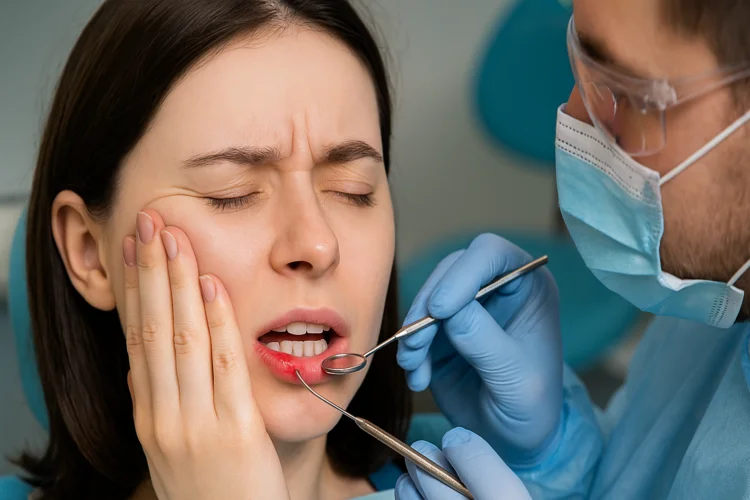

Yes — stress is a significant contributor to localized gum pain through multiple pathways.
Stress weakens the immune system, making the body less able to fight off oral bacteria and heal from minor tissue injuries. It is also a well-documented trigger for canker sores.
Additionally, stress causes many people to clench or grind their teeth — a condition called bruxism — which puts uneven pressure on the gums and jaw, often leading to soreness in one specific spot. Stress management techniques like regular exercise, adequate sleep, and mindfulness practices can make a measurable difference in oral health outcomes.
Signs Your Gum Pain Could Be Something More Serious
Most localized gum pain is benign, but in rare cases, a persistent sore that does not heal within two weeks warrants further investigation.
Oral cancer can initially appear as a mouth sore or lump that does not heal, a red or white patch on the gum, or persistent pain in one spot. It is not contagious and is not caused by the same factors as canker sores.
If you have a gum sore that does not heal within two weeks, does not follow any pattern of injury or infection, or is accompanied by numbness or difficulty swallowing, see a dentist or doctor promptly. Early detection of oral cancer dramatically improves outcomes.
Quick Reference: Causes, Symptoms, and Treatments
| Cause | Key Symptom | First Step |
|---|---|---|
| Trapped food | Sharp pain after eating | Floss and warm salt water rinse |
| Canker sore | White/yellow sore with red border | Topical gel, salt water, soft diet |
| Gum abscess | Throbbing pain, swelling, bad taste | See dentist immediately |
| Tooth abscess | Deep pain radiating to gum | Root canal or extraction needed |
| Pericoronitis | Back of mouth pain, trouble opening jaw | Antibiotics, possible extraction |
| Gingivitis | Bleeding, redness when brushing | Professional cleaning, better hygiene |
| Gum recession | Cold sensitivity, exposed root | Desensitizing toothpaste, gum graft |
| Ill-fitting restoration | Pain after dental work | Restoration adjustment |
| Hormonal changes | Swollen gum during pregnancy or period | Improved hygiene, dentist monitoring |
| Vitamin deficiency | Recurring sores, slow healing | Blood test, supplements, diet change |
Frequently Asked Questions (FAQs)
Why do my gums hurt in one spot but look normal?
The tissue underneath can be inflamed or infected even when the surface looks fine. Common hidden causes include early abscess formation, trapped food debris, and bruised tissue from aggressive brushing.
How long does localized gum pain usually last?
Minor irritation from food or brushing typically resolves within two to five days. Pain lasting more than a week without improvement should be evaluated by a dentist.
Can stress cause gum pain in one spot?
Yes. Stress weakens the immune system, triggers canker sores, and can cause bruxism (teeth grinding), all of which produce localized gum soreness. Managing stress improves oral health outcomes.
Should I keep brushing if my gums hurt in one spot?
Yes — continue brushing gently with a soft-bristled toothbrush. Stopping completely allows plaque to accumulate and worsens inflammation. Just use a lighter touch and avoid hard scrubbing.
Is it a canker sore or a gum abscess?
Canker sores are small, shallow ulcers with a white or yellow center that appear on the gum surface and are not accompanied by deep throbbing. A gum abscess produces intense, pulsing pain, visible swelling, and often a bad taste from pus.
What vitamin deficiency causes gum pain?
Deficiencies in vitamin C, vitamin B12, iron, zinc, and folate are all associated with increased gum sensitivity, canker sores, and slow healing. A blood test can confirm which nutrients you may be lacking.
Can a cracked tooth cause gum pain in one spot?
Yes. A cracked tooth can cause referred pain that feels like it is coming from the gum rather than the tooth. The nerve inside the tooth sends pain signals that register in the surrounding gum tissue.
How do I know if I have a gum abscess?
Signs include throbbing pain concentrated in one area, noticeable swelling, redness, a foul taste in the mouth, and sometimes a visible bump or pimple-like lump on the gum. See a dentist urgently if these appear.
Can gum pain in one spot go away on its own?
Minor irritation from food or canker sores often resolves with good home care within a few days. But infections, abscesses, pericoronitis, and gum disease do not go away on their own and get worse without treatment.
When is gum pain a dental emergency?
Gum pain is a dental emergency when it is accompanied by significant swelling, spreading beyond the original spot, fever, difficulty breathing or swallowing, or a visible pocket of pus. These signs indicate infection that may spread rapidly.
Conclusion
Why do my gums hurt in one spot? In most cases, the answer is a specific, treatable cause — trapped food, a canker sore, over-aggressive brushing, or the early stages of an infection.
The key is to pay attention to what the pain is telling you rather than ignoring it and hoping it goes away.
Simple home remedies like warm salt water rinses, gentle oral hygiene, and over-the-counter pain relief can handle mild, short-lived gum pain effectively.
But any pain that persists beyond two to three days, comes with swelling, a foul taste, or fever, or keeps coming back in the same spot needs professional dental evaluation.
Infections like abscesses and pericoronitis do not resolve without treatment and can become serious quickly.
Maintaining good daily oral hygiene, scheduling regular dental cleanings every six months, eating a nutrient-rich diet, and staying away from tobacco are your best defenses against recurring gum pain. Healthy gums should not hurt.
When they do, your body is sending a signal worth listening to — and acting on — before a minor issue becomes a major dental problem.