

Why do my feet smell even after washing? You are not alone.
Smelly feet, medically called bromodosis, affect millions of people worldwide and it is one of the most common and treatable foot complaints.
The cause is not the sweat itself but the bacteria that feed on it inside your warm, dark shoes and socks.
Over 250,000 sweat glands are packed into each foot, making them sweat more than almost any other part of the body.
What Is Bromodosis?
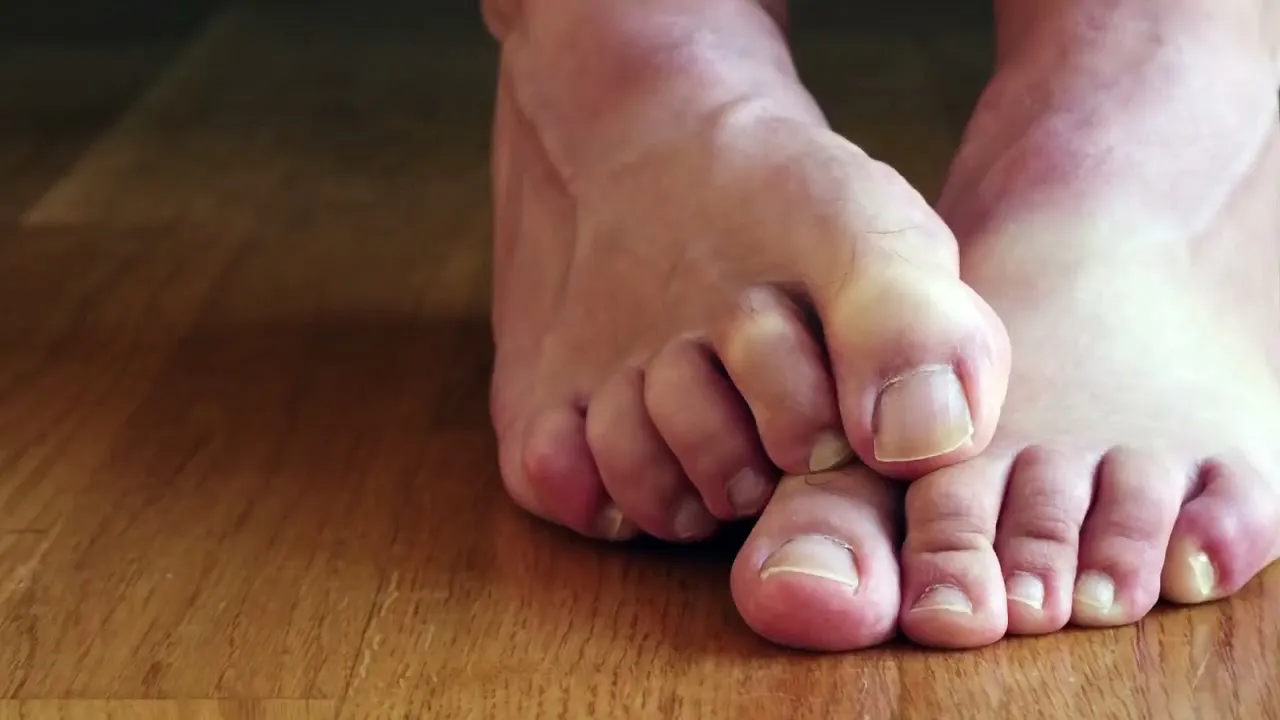

Bromodosis is the medical term for chronically smelly feet. It is not a disease but a condition caused by the interaction of sweat and bacteria on the skin.
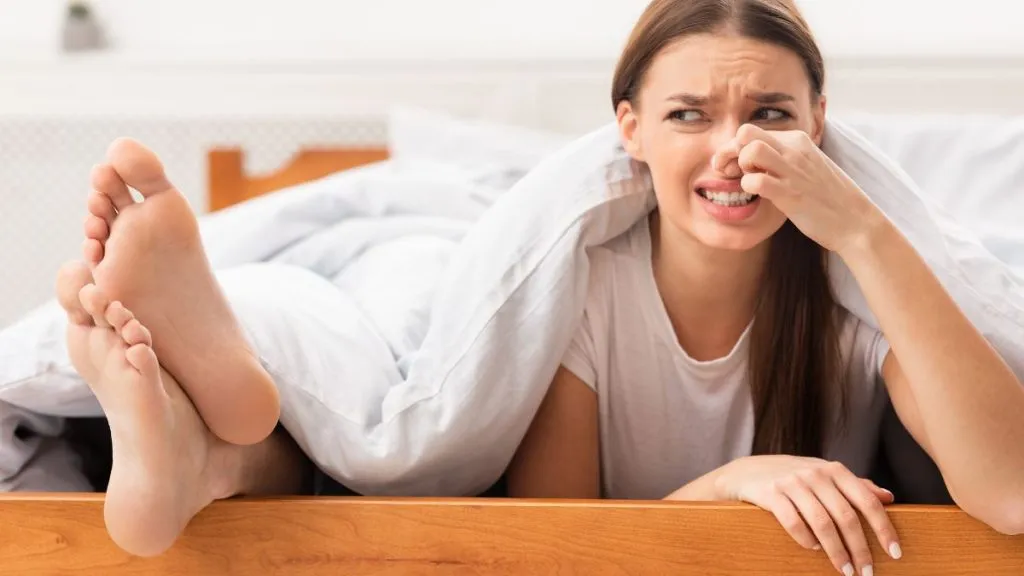
Your feet produce sweat all day, every day regardless of the weather. When that sweat gets trapped inside shoes and socks, bacteria multiply fast, break down the sweat, and release chemicals that produce that familiar unpleasant odor.
Up to 15 percent of people have feet that smell significantly worse than average. This is because they host a specific bacteria called Kyetococcus sedentarius, which releases sulfuric compounds that make sweat smell like rotten eggs.
Why Do My Feet Smell? The Science Behind It
Your feet have more sweat glands per square inch than any other part of the body. Each foot contains over 250,000 densely packed sweat glands and can produce almost 200 ml of sweat per day.
Sweat itself is completely odorless. The smell only comes when bacteria on your feet feed on the sweat, dead skin cells, and oils and then release waste products as they digest. Those waste products are the source of the smell.
The inside of your shoe creates the perfect environment for this process. It is warm, dark, moist, and sealed, which are exactly the conditions bacteria and fungi love most.
Main Causes of Smelly Feet
Understanding why your feet smell is the first step to fixing the problem. Here are the most common causes, supported by podiatrists and medical sources:
Poor Hygiene
Not washing feet daily is the most basic cause of foot odor. Bacteria accumulate quickly on the skin surface, especially between the toes.
Failing to dry feet properly after washing leaves moisture trapped between the toes, which accelerates bacterial and fungal growth. Reusing socks without washing them compounds the problem even faster.
Excessive Sweating (Hyperhidrosis)
Hyperhidrosis is a medical condition where the nerves that control sweat glands become overactive, causing excessive sweating even in cool conditions.
People with hyperhidrosis sweat heavily regardless of temperature, stress, or exercise. This constant moisture creates a near-permanent breeding ground for odor-causing bacteria.
If you notice your feet are constantly damp or soaking through socks rapidly, hyperhidrosis may be the cause rather than poor hygiene alone.
Athlete’s Foot (Tinea Pedis)
Athlete’s foot is a fungal infection caused by dermatophytes, a group of fungi that thrive in warm, moist environments. It produces a strong, unpleasant odor along with itching, redness, and peeling skin between the toes.
It is highly contagious and spreads through shared showers, gym floors, swimming pools, and contaminated socks and shoes. Treatment includes antifungal creams like terbinafine, clotrimazole, or miconazole.
Bacterial Infections
Pitted keratolysis is a bacterial skin infection that causes small pits or craters on the sole of the foot along with a powerful sulfuric odor. It is commonly mistaken for dry skin but is caused by bacteria feeding on moist skin.
Staph infections on the feet tend to smell cheesy or yeasty. Any infected wound, cut, blister, or ingrown toenail can also produce a foul odor that indicates bacterial activity on broken skin.
Hormonal Changes
Women and teenagers are particularly prone to sweaty and smelly feet due to hormonal fluctuations. During puberty, pregnancy, and menopause, the body produces more sweat as a result of shifting hormone levels.
Pregnant women often notice stronger foot odor than usual. During menopause, hormone replacement therapy or herbal supplements like soy isoflavones may help manage excess sweating and associated odor.
Diet

Certain foods contain sulfur compounds that your body excretes through sweat, including the sweat produced by your feet. This is a direct dietary cause that many people overlook.
Foods that can make your feet smell worse include garlic, onions, broccoli, cauliflower, cabbage, Brussels sprouts, asparagus, and eggs. Spicy foods and alcohol can also increase sweating and intensify odor. Reducing these foods can help reduce foot smell noticeably.
Medication Side Effects
Some medications have excessive sweating as a listed side effect, which can increase foot odor. These include certain antidepressants, anti-inflammatory drugs, leuprolide acetate, penicillin, and dupilumab.
If you started a new medication and noticed your feet smelling worse shortly after, speak with your doctor about whether sweating is a known side effect and whether an alternative can be considered.
Wrong Footwear and Socks
Shoes made from synthetic materials like rubber and plastic trap moisture against the skin with no way to escape. This creates the ideal environment for bacteria to multiply rapidly.
Cotton socks are popular but actually one of the worst choices for foot odor. Cotton absorbs sweat but does not allow it to evaporate, so it stays damp against your skin all day. Synthetic or merino wool moisture-wicking socks are far better at keeping feet dry.
Underlying Medical Conditions
Some systemic health conditions can contribute to abnormal foot odor. Kidney and liver disease interfere with the body’s ability to filter waste, causing toxins to be excreted through sweat and producing a bleach-like or ammonia-like smell.
Obesity increases sweating and creates skin folds where bacteria and fungi accumulate. Diabetes requires special attention since people with diabetes can develop wounds on their feet that become infected and smell strongly without obvious pain due to peripheral neuropathy.
What Does Foot Odor Smell Like?
The smell of your feet can actually give clues about the cause. Here is a quick reference:
| Smell | Likely Cause |
|---|---|
| Cheese or yeasty odor | Staph bacteria, fungal infection |
| Rotten eggs or sulfur | Kyetococcus sedentarius bacteria |
| Vinegar odor | Propionic acid from bacteria |
| Bleach or ammonia | Kidney or liver problems |
| Foul, sulfuric odor | Pitted keratolysis |
| Sweet or fruity odor | Possible fungal infection |
Who Is Most at Risk for Smelly Feet?
Some people are simply more likely to develop bromodosis than others. Risk factors include:
- Teenagers going through puberty due to increased hormone-driven sweating.
- Pregnant women due to hormonal changes and increased circulation.
- People with hyperhidrosis who sweat excessively.
- People who are overweight or obese.
- Athletes and people who are physically active for long periods.
- People who stand on their feet all day at work.
- Anyone who wears closed shoes made from non-breathable materials.
- People taking certain medications known to increase sweating.
Best Home Treatments for Smelly Feet in 2026
The good news is that most cases of smelly feet respond very well to consistent home treatments. With the right routine, you can reduce or eliminate foot odor within a week.
Wash Feet Daily With Antibacterial Soap
The single most effective first step is washing your feet every single day with soap and water. Use a mild antibacterial or antifungal soap and scrub all surfaces including between the toes and under the nails.
Dry your feet completely after washing. Pay special attention to the gaps between each toe since trapped moisture in those areas accelerates bacterial growth faster than anywhere else on the foot.
Vinegar Foot Soak
Apple cider vinegar or white vinegar creates an acidic environment on the skin that bacteria find inhospitable. It is one of the most popular and effective home remedies for foot odor.
Mix one part vinegar with two parts warm water in a basin. Soak your feet for 15 to 20 minutes three times a week. Rinse thoroughly and dry completely afterward. Do not use this soak if you have open cuts, sores, or broken skin as the acid will sting.
Baking Soda Soak and Shoe Treatment
Baking soda is mildly alkaline with natural antibacterial and moisture-absorbing properties. It neutralizes odors and creates an environment that bacteria struggle to survive in.
Mix two tablespoons of baking soda into a basin of warm water and soak your feet for 15 minutes daily. You can also sprinkle baking soda directly inside your shoes and socks before wearing them. Leave it in your shoes overnight and shake it out before putting them on.
Epsom Salt Soak
Epsom salt draws excess fluid from the skin, reduces sweating, and has antibacterial properties. It also soothes tired, aching feet after a long day.
Add half a cup of Epsom salt to a basin of warm water and soak for 15 to 20 minutes, two to three times per week. It works best as an end-of-day treatment to help your feet recover and prevent overnight bacterial growth.
Black Tea Foot Soak

Black tea contains tannins, which are natural astringents that constrict pores and reduce sweat production. Less sweat means less food for odor-causing bacteria.
Boil two to three black tea bags in a pint of water for 15 minutes, allow to cool to a comfortable temperature, then soak your feet for 20 to 30 minutes. Repeat daily for best results. Save used tea bags and rub them directly on your feet before soaking for an extra tannin boost.
Tea Tree Oil Treatment
Tea tree oil contains natural antibacterial and antifungal compounds including terpinen and cineole. It is particularly effective for foot odor caused by athlete’s foot or other fungal issues.
Always dilute tea tree oil before applying it to skin as it can be irritating in concentrated form. Mix a few drops with a carrier oil like coconut oil and apply to clean, dry feet. You can also add several drops to any foot soak. Use three to four times per week for best results.
Coconut Oil Application
Coconut oil contains lauric acid, which has natural antibacterial and antifungal properties. It kills bacteria on the skin and softens dry, rough skin that can harbor bacteria.
After washing and thoroughly drying your feet, rub a small amount of coconut oil over the entire foot including between the toes before bed. Allow it to absorb overnight. This is an especially useful treatment for those who also have dry, cracked heels.
Essential Oils for Foot Odor
Several essential oils carry strong antimicrobial activity that helps reduce odor-causing bacteria on the skin. The most effective ones include:
| Essential Oil | Key Benefit | How to Use |
|---|---|---|
| Tea tree oil | Antifungal and antibacterial | Dilute with carrier oil, apply to feet |
| Lavender oil | Antimicrobial, soothing | Add to foot soak or mix with carrier oil |
| Peppermint oil | Cooling, antibacterial | Add 5 drops to foot soak water |
| Eucalyptus oil | Antifungal, deodorizing | Dilute and apply to soles |
| Lemon oil | Antibacterial, fresh scent | Add to baking soda powder mix |
Always dilute essential oils before skin contact. Test on a small patch of skin first to check for sensitivity.
Foot Powder and Cornstarch
Foot powders absorb excess moisture throughout the day and create a dry environment where bacteria cannot thrive. This is a simple, low-cost prevention tool that works well combined with other treatments.
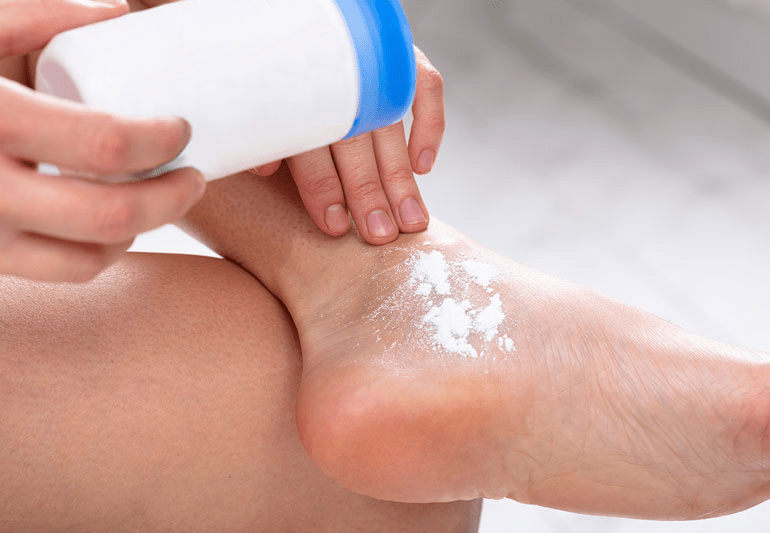
Sprinkle baking soda, cornstarch, or arrowroot powder directly onto clean dry feet before putting on socks and shoes. You can also make a DIY shoe powder by combining three tablespoons of baking soda, one tablespoon of cornstarch, and five drops of tea tree oil, then sprinkling the mixture inside shoes overnight.
Best Socks and Shoes for Preventing Smelly Feet
Your footwear choices have a massive impact on whether your feet smell. Here is what the research and podiatrists recommend:
Best Sock Materials
- Merino wool: Can absorb up to 30 percent of its weight in moisture without feeling damp. Naturally odor-resistant.
- Bamboo: Moisture-wicking with natural antimicrobial properties.
- DryMax or moisture-wicking synthetics: Designed to pull sweat away from the skin quickly.
- Avoid cotton: Cotton traps moisture against the skin instead of wicking it away, creating ideal conditions for bacteria.
Best Shoe Types
- Leather shoes: Allow feet to breathe far better than synthetic materials.
- Mesh athletic shoes: Excellent ventilation for active use.
- Canvas shoes: Natural material that allows some air circulation.
- Avoid rubber and plastic: Completely seal in moisture with no ventilation.
Footwear Habits That Help
- Rotate between at least two pairs of shoes so each pair has 24 full hours to dry out between uses.
- Remove insoles after wearing to allow them to air and dry separately.
- Stuff shoes with cedar wood chips or cedar shoe trees to absorb moisture and leave a fresh scent.
- Wash shoes regularly if the manufacturer allows it.
- Replace old insoles every few months as bacteria build up in them over time.
Over-the-Counter Products That Work

There is a wide range of products available without a prescription that can significantly help with foot odor. Here is a comparison of the main types:
| Product Type | How It Works | Best For |
|---|---|---|
| Antifungal foot spray | Kills fungi and bacteria | Athlete’s foot-related odor |
| Antibacterial foot soap | Removes bacteria during washing | Daily hygiene |
| Foot deodorant powder | Absorbs moisture, neutralizes odor | All-day use |
| Medicated insoles | Absorbs sweat inside shoes | Shoe-based odor |
| Antiperspirant foot spray | Reduces sweat production | Hyperhidrosis |
| Activated charcoal insoles | Absorbs odor molecules | Persistent shoe smell |
Products containing zinc oxide, baking soda, or activated charcoal are particularly effective at neutralizing odors rather than just masking them.
Medical Treatments for Persistent Foot Odor
If home remedies and over-the-counter products do not fully resolve the problem after several weeks, it is time to see a podiatrist or dermatologist. Medical treatments can be much more targeted and powerful.
Prescription Antiperspirants
Prescription-strength antiperspirants contain higher concentrations of aluminum chloride than over-the-counter versions. They are applied to the feet at night and can dramatically reduce sweat production.
These are often the first line of medical treatment for hyperhidrosis-related foot odor. They are safe and effective for most people without significant side effects.
Prescription Antifungal Medications
For persistent athlete’s foot or other fungal infections that over-the-counter creams cannot clear, a doctor can prescribe oral antifungal medications such as terbinafine or itraconazole.
These systemic treatments clear the infection from the inside out and are especially effective for infections that have spread beyond the skin surface to the toenails or deeper tissue layers.
Iontophoresis
Iontophoresis is a medical procedure where a mild electrical current is passed through water into the skin of the feet. It temporarily blocks the sweat glands and is a proven treatment for plantar hyperhidrosis.
Sessions typically last 20 to 30 minutes and are repeated two to three times per week until sweating is controlled. Many patients see significant improvement after six to ten sessions. Home iontophoresis devices are also available for ongoing management.
Botulinum Toxin Injections (Botox)
Botox injections into the soles of the feet block the nerve signals that trigger sweating. The effects last approximately six to twelve months before re-treatment is needed.
This is a recognized and effective treatment for hyperhidrosis-related foot odor in cases where other treatments have failed. It is performed by a dermatologist or podiatrist and is minimally invasive.
Surgery
In extreme cases where hyperhidrosis is severe and no other treatment has worked, surgery to remove sweat glands in the feet or to cut the nerves that activate them (endoscopic thoracic sympathectomy) may be considered as a last resort.
Surgery carries risks and is rarely needed. Podiatrists and dermatologists exhaust all other options before recommending surgical intervention.
Daily Foot Care Routine to Prevent Smelly Feet
Consistency is the key to long-term results. Here is a simple daily routine recommended by podiatrists to prevent foot odor permanently:
Morning:
- Wash feet thoroughly with antibacterial soap.
- Dry completely, especially between every toe.
- Apply foot powder or cornstarch before putting on socks.
- Wear clean moisture-wicking socks every day.
- Choose breathable shoes and rotate pairs.
Evening:
- Remove shoes and socks as soon as you are home to allow feet to air.
- Wash feet again if they feel damp or sweaty.
- Perform a foot soak two to three times per week.
- Apply tea tree oil or coconut oil if needed.
- Allow shoes to dry overnight with insoles removed.
Weekly:
- Trim and clean toenails.
- Use a pumice stone or foot file to remove dead skin.
- Wash and disinfect insoles.
- Check for any signs of athlete’s foot or skin changes.
Foods to Avoid for Fresher-Smelling Feet
Diet has a direct impact on how your feet smell. Foods that contain sulfur compounds are excreted through sweat, including foot sweat, and can make the odor significantly stronger.
Foods and drinks to reduce or avoid include:
- Garlic and onions.
- Broccoli, cauliflower, cabbage, and Brussels sprouts.
- Asparagus and eggs.
- Spicy food and hot peppers.
- Alcohol, particularly beer and wine.
- Excessive coffee and caffeine.
Increasing foods with chlorophyll like spinach, parsley, and other leafy greens can help neutralize body odors from the inside. Foods high in zinc like seeds, legumes, and nuts also support skin health and help manage bacterial balance.
When to See a Doctor About Smelly Feet
Most cases of foot odor are completely manageable at home. However, certain signs indicate you should speak with a doctor or podiatrist:
- The odor does not improve after two to four weeks of consistent home treatment.
- You notice itching, burning, redness, or peeling skin between your toes.
- You have pits or craters on the soles of your feet.
- You see a wound, ulcer, or sore on your foot, especially if you have diabetes.
- Your feet sweat excessively in all seasons, not just in hot weather.
- The smell is bleach-like, ammonia-like, or unusually strong and different from typical foot odor.
- Your foot odor is affecting your daily life, relationships, or mental health.
A podiatrist can diagnose the exact cause, rule out underlying conditions, and provide targeted medical treatments that go beyond what home remedies can achieve.
Smelly Feet in Children and Teenagers
Smelly feet are extremely common in children and teenagers because hormonal changes during puberty increase sweating significantly. It is a normal part of development but can cause embarrassment.
Safe home remedies for children include baking soda soaks, Epsom salt soaks, diluted apple cider vinegar, and cornstarch powder. Always use gentler concentrations than you would for adults.
Teaching children good foot hygiene habits early, including daily washing, sock changing, and shoe rotating, builds lifelong habits that prevent bromodosis from becoming a persistent issue.
Frequently Asked Questions (FAQs)
Why do my feet smell even when I wash them daily?
Washing is important but if your shoes and socks stay damp, bacteria keep multiplying. You also need to dry feet completely between toes, change socks daily, and rotate your shoes.
What is the medical name for smelly feet?
The medical term is bromodosis. It describes chronically smelly feet caused by the buildup of sweat and bacteria and sometimes fungal infections like athlete’s foot.
What bacteria causes smelly feet?
The main bacteria responsible is Kyetococcus sedentarius, which produces sulfuric compounds that cause a rotten egg smell. Other common culprits include staph bacteria and fungi.
Can the food I eat make my feet smell?
Yes. Foods high in sulfur such as garlic, onions, broccoli, cabbage, eggs, and alcohol are excreted through sweat and can make feet smell significantly worse.
What is the fastest home remedy for smelly feet?
An apple cider vinegar soak mixed one part vinegar to two parts warm water for 15 to 20 minutes is one of the fastest ways to kill odor-causing bacteria and reduce foot smell.
Do socks make feet smell worse?
Yes, if you wear the wrong type. Cotton socks trap moisture against the skin. Switch to merino wool, bamboo, or moisture-wicking synthetic socks to keep feet drier and reduce odor.
When should I see a doctor about smelly feet?
See a doctor if the smell does not improve after two to four weeks of consistent home treatment, or if you notice itching, burning, skin peeling, pits on the sole, or wounds that will not heal.
Can smelly feet be a sign of a health problem?
In most cases, no. However, bleach-like foot odor can signal kidney or liver issues, and excessive all-season sweating can indicate hyperhidrosis. Infected wounds with strong odor in diabetics require urgent medical attention.
How long does it take to get rid of foot odor?
With consistent daily hygiene and home treatments like vinegar or baking soda soaks, most people see a noticeable improvement within one week and significant results within two to four weeks.
Is foot odor contagious?
Foot odor itself is not contagious but athlete’s foot, which is a common cause of foot smell, is highly contagious and spreads through shared surfaces like shower floors, pools, and contaminated socks or shoes.
Conclusion
Why do my feet smell is a question that deserves a complete, practical answer, and now you have one.
Smelly feet are caused by the interaction of sweat, bacteria, and the dark moist environment inside your shoes, and the condition is almost always treatable without seeing a doctor. Start with the basics:
wash and dry your feet thoroughly every day, switch to moisture-wicking socks, rotate your shoes, and try a vinegar or baking soda soak two to three times a week
Add tea tree oil, Epsom salt, or black tea soaks for faster results.
If the problem persists after a month of consistent effort, a podiatrist can prescribe targeted treatments including prescription antiperspirants, antifungal medications, or in severe cases, Botox or iontophoresis.
You do not have to live with foot odor. With the right approach in 2026, fresh, odor-free feet are completely within reach.