


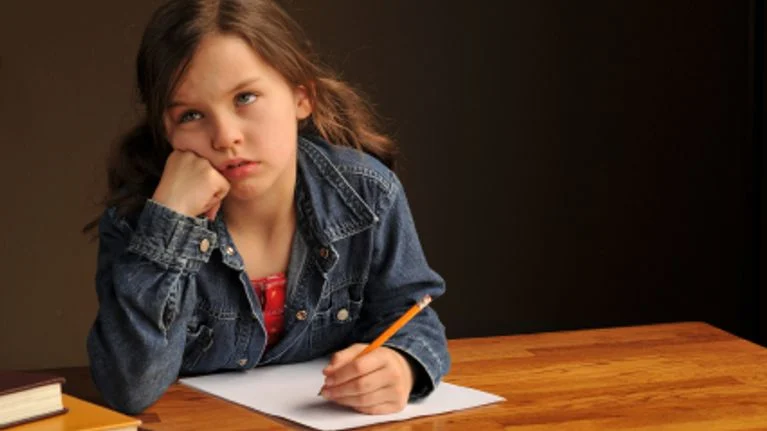
Why do kids hate school This is one of the most urgent questions parents ask in 2026, often while standing at the front door watching their child cry, refuse to move, or fake a stomachache for the third time that week.
School aversion is not laziness. It is not a bad attitude.
It is a real emotional response rooted in academic pressure, social fear, mental health struggles, and learning environments that do not work for every child.
Research from the National Institutes of Health shows that up to 28 percent of children experience school avoidance.
Is It Normal for Kids to Hate School?
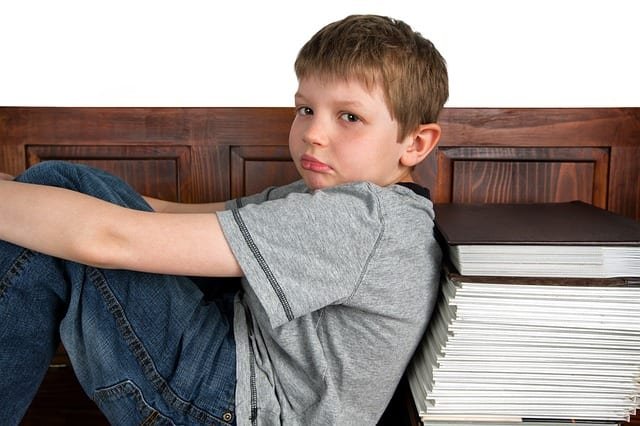
Every child complains about school at some point. That is completely normal and not a red flag on its own.
The real concern begins when complaints become a daily pattern. When a child cries every morning, develops recurring stomachaches or headaches before school days, fakes illness regularly, refuses to leave the car at drop-off, or says they hate school with genuine fear and distress — that signals something specific and serious.
In a 2020 United States survey, 75 percent of students reported negative feelings about school including persistent tiredness, stress, and boredom. Those negative feelings actively reduce cognitive resources and academic performance. Dismissing them as normal is a mistake.
The Difference Between School Refusal and Truancy
These two terms are often confused, but they are fundamentally different problems with different causes and solutions.
School refusal is driven by fear, anxiety, or emotional distress about school itself. A child who refuses school because of social anxiety, bullying, or academic overwhelm is not choosing fun over responsibility — they are responding to genuine psychological distress.
Truancy is driven by a preference for other activities and typically involves deception. A truant child skips school without their parents knowing. A school-refusing child is usually transparent about not wanting to go and experiences real physical and emotional symptoms.
Treating school refusal with punishment or forced attendance without addressing the underlying cause makes the problem significantly worse over time.
Major Reasons Why Kids Hate School
There is no single answer to why kids hate school. The causes are layered, personal, and often invisible to the adults around the child. Below are the most well-documented causes drawn from psychology, education research, and real-world parent experience.
Academic Pressure and Fear of Failure
The pressure to perform academically is one of the most widespread and powerful reasons kids develop deeply negative feelings about school. High expectations from parents, teachers, and the students themselves create a constant background hum of anxiety.
Many children live in daily fear of getting a wrong answer, failing a test, disappointing a parent, or being seen as stupid in front of classmates. This fear of failure turns school from a place of learning into a place of emotional threat.
Modern education’s heavy reliance on standardized testing makes this worse. When a child’s entire worth feels tied to a test score, learning stops being interesting and becomes simply stressful. Grades stop measuring understanding and start measuring anxiety tolerance.
Bullying and Social Cruelty
Bullying is one of the most powerful drivers of school hatred and school refusal across every age group. Nearly one in five students between the ages of 12 and 18 reports being bullied at school, according to recent studies.
Bullying takes many forms — physical, verbal, relational (social exclusion and gossip), and cyberbullying through social media and messaging apps. The rise of digital harassment means cruelty no longer ends when the school bell rings. It follows the child home, onto their phone, and into every moment of their evening.
Children who are bullied experience measurable anxiety, depression, lowered self-esteem, and declining academic performance. For many, the school building itself becomes synonymous with threat and fear. Vulnerable groups — children with disabilities, LGBTQ+ youth, and racial minorities — face disproportionately higher rates of targeted bullying.
Boredom and a Curriculum That Does Not Fit
Children are born curious. When that natural curiosity meets repetitive, one-size-fits-all instruction, boredom sets in quickly and deeply.
Traditional teaching methods — lectures, worksheets, rote memorization, and standardized tests — do not engage all types of learners. Visual learners, kinesthetic learners, and creative thinkers are forced into auditory, passive learning formats that simply do not work for how their brains process information.
When children cannot connect what they are learning to anything meaningful or interesting in their own lives, school starts feeling pointless. The natural question — why does this matter? — goes unanswered, and disengagement becomes the rational response.
Learning Disabilities and Undiagnosed Challenges
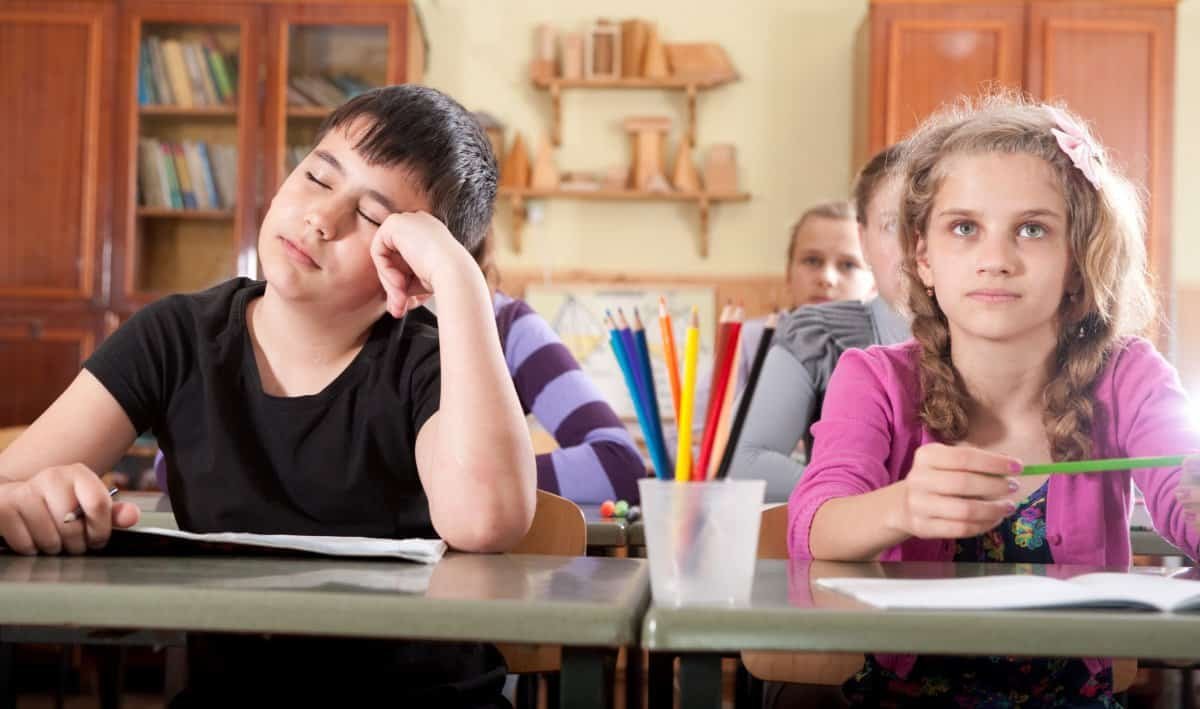
Children with undiagnosed or inadequately supported learning disabilities often develop deep hatred of school — not because they are not intelligent, but because the system was not designed for how they learn.
Dyslexia, ADHD, dyscalculia, auditory processing disorder, and other learning differences can make standard classroom instruction feel impossible. When a child struggles while others seem to manage effortlessly, shame and frustration build rapidly.
Without diagnosis and appropriate support, these children are often misread as lazy, distracted, or uncooperative. That mischaracterization by teachers and parents compounds the original struggle and creates a secondary layer of emotional damage that can last for years.
Rigid Structure and Loss of Autonomy
School structures are, by design, highly controlling. Children are told when to sit, when to speak, when to eat, when to move, and what to think about for six to eight hours a day, five days a week.
As children develop, they naturally seek autonomy and a sense of control over their own experience. When that developmental need collides head-on with a rigid school schedule that allows almost no self-direction, resentment builds. The school building starts to feel like a place where their identity and agency are suppressed.
Younger children in particular struggle with the physical demand of sitting still for long stretches. Their bodies need movement, and denying that need does not just create behavioral problems — it creates genuine misery.
Poor Teacher-Student Relationships
The relationship between a child and their teacher is one of the most powerful factors shaping how a child feels about school. A warm, encouraging, perceptive teacher can make even a struggling student feel capable and safe.
A harsh, dismissive, sarcastic, or inflexible teacher can make a previously school-loving child begin dreading every morning. Children remember how teachers made them feel far longer than they remember the content they were taught.
Favoritism, public humiliation, excessive criticism, and a failure to recognize individual differences are among the teacher behaviors that most reliably produce school aversion. Parents often do not hear about these dynamics until the damage is already well established.
Social Anxiety and Difficulty Fitting In
For many children, the social aspect of school is the most terrifying part. Navigating friendships, cliques, social hierarchies, and the constant pressure to belong is exhausting — especially for children who are naturally introverted, socially anxious, or neurodivergent.
Social anxiety is not shyness. It is a genuine and often debilitating fear of judgment, embarrassment, or social rejection. A child with social anxiety may dread class participation, lunch in the cafeteria, group projects, gym class, and any unstructured social time — all of which are daily features of school life.
Children who feel they do not belong socially often begin to see school as a hostile environment where they are exposed and vulnerable every single day.
Sensory Overload and Environmental Issues
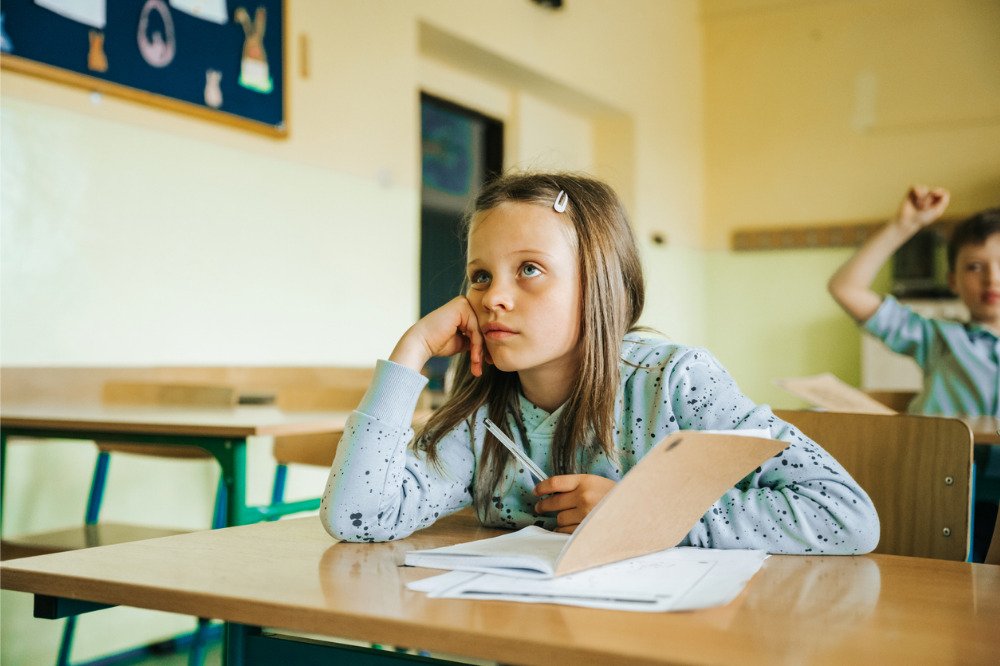
For children with sensory sensitivities — including many autistic children, children with ADHD, and children with sensory processing differences — the physical school environment itself can be genuinely overwhelming.
Fluorescent lighting, loud hallways, crowded classrooms, strong smells from cafeteria food, bells, and the constant noise of dozens of other children create a sensory environment that is simply intolerable for some nervous systems.
These children are not being dramatic or difficult. Their nervous systems are genuinely registering the school environment as stressful and threatening. Without appropriate accommodations, school becomes a place of daily endurance rather than learning.
Sleep Deprivation and Physical Exhaustion
School start times — particularly for middle and high school students — frequently conflict directly with adolescent sleep biology. Hormonal changes during puberty naturally shift teens’ circadian rhythms 1 to 2 hours forward, making them biologically unable to fall asleep early.
Research consistently shows that adolescents need 9 to 10 hours of sleep per night, but most get only 6.5 to 7.5 hours due to early school start times. Chronically sleep-deprived students cannot focus, retain information, regulate their emotions, or feel positive about anything — including school.
A child who hates school because they are exhausted is not unmotivated. They are physiologically impaired and being asked to perform at a high level in that impaired state every single day.
Lack of Representation and Belonging
When children do not see themselves reflected in the books they read, the historical figures they study, the teachers at the front of the room, or the examples used in lessons, they receive a subtle but consistent message that school is not really for people like them.
Children from racial, ethnic, religious, or cultural minority backgrounds may experience this disconnect daily. It creates a sense of not truly belonging in the educational space, which over time reduces engagement, motivation, and feelings of safety in the school environment.
Representation is not a luxury or a political issue — it is a basic psychological need for children to feel that education is personally relevant and welcoming to who they are.
Mental Health Struggles
Depression and anxiety are not exclusively adult conditions. The number of children and adolescents experiencing clinically significant anxiety, depression, and related mental health challenges has risen consistently over the past decade.
A child in the grip of depression lacks the energy, motivation, and emotional capacity to engage with school. A child with anxiety may be paralyzed by worry before even entering the building. These are medical realities, not character flaws.
Mental health struggles and school disengagement create a vicious cycle. School becomes harder when mental health suffers. Academic struggles worsen mental health. Without intervention, the cycle tightens.
Family and Home Environment
What happens at home directly and powerfully affects how a child experiences school. Children dealing with family conflict, divorce, financial instability, domestic violence, housing insecurity, or grief cannot simply leave those stressors at the school gate.
These children bring their full emotional weight into the classroom. When cognitive and emotional resources are consumed by survival and stress at home, very little is left for academic engagement. School becomes one more demand on an already overwhelmed system.
Comparison and Competitive Culture
When schools operate primarily on ranking — who scored highest, who made honor roll, whose test scores are posted publicly — children who do not rank well internalize those comparisons as evidence of their own inadequacy.
Comparison culture is particularly damaging in communities with extremely high academic expectations. Children in these environments may be working hard and still feeling like failures because someone else is always doing better.
Competition between peers can destroy intrinsic motivation — the internal drive to learn because learning itself is satisfying. When the only motivation is external ranking, children who cannot win stop trying.
Age-by-Age Breakdown of Why Kids Hate School
The reasons children hate school shift significantly with age. Understanding which reasons apply at which stage helps parents respond more accurately.
| Age Group | Most Common Reasons | Key Warning Signs |
|---|---|---|
| Ages 5–7 (Early Elementary) | Separation anxiety, social adjustment, sitting still | Crying at drop-off, stomachaches, clinging |
| Ages 8–11 (Elementary) | Academic pressure, social comparison, learning gaps | Homework meltdowns, friendship drama, school avoidance |
| Ages 12–14 (Middle School) | Bullying, social hierarchy, identity pressure | Withdrawal, mood changes, faking illness |
| Ages 15–18 (High School) | Academic burnout, sleep deprivation, future anxiety | Depression, chronic absenteeism, disengagement |
Physical Symptoms That Signal School Hatred Is Serious
Children who genuinely hate school often express that distress through physical symptoms rather than words. These psychosomatic symptoms are real — they are genuine physical expressions of emotional distress.
Common physical signs include recurring stomachaches on school mornings that resolve on weekends, frequent headaches before school, complaints of nausea at the thought of school, unexplained fatigue, and a sudden increase in requests to visit the school nurse.
If your child’s physical complaints follow a clear pattern — appearing on school mornings and disappearing on weekends and holidays — the school environment is almost certainly the source of the distress, and it deserves immediate investigation.
School Refusal Red Flags Parents Should Never Ignore
| Warning Sign | What It May Indicate |
|---|---|
| Daily crying or meltdowns at drop-off | Separation anxiety, social anxiety, or specific fear |
| Recurring physical symptoms on school mornings | Psychosomatic stress response |
| Sudden drop in grades with no academic explanation | Bullying, mental health issue, or learning challenge |
| Social withdrawal and loss of friendships | Depression, anxiety, or bullying |
| Refusing to discuss school at all | Shame, bullying, or traumatic school experience |
| Repeatedly asking to transfer schools | Specific ongoing problem in current environment |
| Talk of hopelessness or school being pointless | Depression or severe academic burnout |
What Parents Can Do Right Now
Have a Real Conversation Without Judgment
Ask open-ended questions and actually listen. Not “How was school?” — that gets one word. Try “What was the hardest part of today?” or “Was there any moment today when you felt uncomfortable?”
Children need to feel safe before they will share the real problem. If they sense they will be dismissed, told to just deal with it, or that the conversation will result in a punishment, they will stop talking and the problem will go underground.
Contact the School Proactively
Do not wait for a crisis. Reach out to your child’s teacher and school counselor as soon as you notice a pattern. Ask for their observations. Teachers often see social dynamics and academic struggles that are invisible at home.
Request a meeting that includes the school counselor if the problem persists. Schools have a legal and ethical responsibility to support the wellbeing of every student — hold them to it.
Get a Proper Evaluation
If you suspect a learning disability, request a formal educational evaluation through the school. Under federal law in the United States, schools are required to provide these evaluations at no cost to families.
If mental health is a concern, seek evaluation from a licensed child psychologist or psychiatrist. An accurate diagnosis is not a label — it is the foundation for getting the right support, accommodations, and treatment in place.
Build Positive Associations with Learning
Separate the concept of learning from the concept of school. Feed your child’s natural curiosity through museums, documentaries, books on topics they love, science experiments at home, and discussions about interesting ideas.
When children remember that learning itself can be exciting and relevant — not just something done to them in a building — their relationship with education begins to shift. School becomes one part of a larger, richer learning life.
Advocate for Accommodations
If your child has a diagnosed learning disability, mental health condition, or sensory processing difference, work with the school to establish a formal accommodation plan — either an IEP (Individualized Education Program) or a 504 Plan.
These legally binding documents ensure your child receives specific, documented support including extended time on tests, preferential seating, sensory breaks, modified assignments, or other adjustments that level the playing field.
Consider Alternative Education Models
For some children, the traditional school model is genuinely not the right fit, and no amount of adjustment will make it work well. That is not a failure — it is simply a recognition that education is not one-size-fits-all.
Alternative options worth researching include Montessori schools (which emphasize self-directed, hands-on learning), Waldorf schools (which integrate arts, movement, and imagination), project-based learning schools, microschools with small class sizes, online learning programs, and homeschooling with structured curricula.
Exploring these alternatives is not giving up on your child — it is taking seriously that every child deserves an education that actually works for them.
Practical School Strategies That Work
| Strategy | What It Addresses | How to Implement |
|---|---|---|
| Strict anti-bullying policy enforcement | Social fear, bullying | Report every incident in writing, follow up weekly |
| Interest-based elective classes | Boredom, disengagement | Advocate for expanded elective options |
| Project-based learning units | One-size-fits-all teaching | Request differentiated instruction at parent meetings |
| Consistent daily schedule | Anxiety, loss of control | Discuss schedule predictability with teachers |
| School counselor check-ins | Mental health, social struggles | Request weekly scheduled meetings |
| Reduced homework load | Academic burnout | Discuss realistic workload with teachers |
| Later school start times | Sleep deprivation in teens | Advocate at school board level, adjust home routines |
| Sensory accommodations | Sensory overload | Document through 504 Plan or IEP |
Frequently Asked Questions (FAQs)
Why do kids hate school even when they are smart?
Smart kids often hate school because they are bored by unchallenging material, feel alienated by rigid structures, or have undiagnosed learning differences that make standard instruction feel frustrating despite their intelligence.
Is hating school a sign of depression?
It can be. If school hatred comes with persistent sadness, withdrawal from friends, sleep changes, loss of interest in activities, or feelings of hopelessness, a mental health evaluation with a child psychologist is warranted immediately.
What should I do if my child cries every morning before school?
First, talk calmly and listen without dismissing their feelings. Then contact the school to investigate the specific cause. Seek a counselor’s involvement if the pattern continues beyond two weeks without clear explanation or improvement.
Can bullying cause a child to hate school?
Yes, absolutely. Bullying is one of the most powerful drivers of school avoidance and school hatred at every age. Children who are bullied associate the school building itself with fear, threat, and humiliation every single day.
How do I know if my child has a learning disability causing school hatred?
Watch for persistent struggles in specific skill areas despite effort, extreme frustration during homework, avoidance of reading or writing, and a gap between what your child can do verbally versus on paper. Request a formal school evaluation without delay.
Is it okay to let my child stay home when they hate school?
Occasional mental health days can be appropriate, but consistently allowing school avoidance reinforces anxiety and makes re-entry harder over time. Address the root cause rather than managing the symptom through repeated absences.
Why do kids hate school on Mondays specifically?
Monday school refusal often reflects the contrast between the freedom and comfort of the weekend versus the structure and stress of school. It can also signal anxiety that builds over the weekend in anticipation of a weekly stressor.
Can changing schools fix school hatred?
Sometimes yes, sometimes no. If the cause is a specific toxic environment, a particular bully, or a teacher conflict, changing schools can help. If the cause is anxiety, learning differences, or family stress, the problem typically follows the child to the new school.
Why do teenagers hate school more than young children?
Teenagers face compounding pressures — social identity crises, college anxiety, sleep deprivation from early start times, more complex social dynamics, higher academic stakes, and developing awareness of larger social inequalities that school may not address.
How long does it take to fix school refusal?
Mild cases often resolve within a few weeks with consistent parental support, school communication, and addressing the specific cause. Severe school refusal rooted in anxiety or trauma can take months of therapeutic support and requires professional involvement.
Conclusion
Why do kids hate school — the answer in 2026 is never simple and never one-dimensional.
It is academic pressure without adequate support. It is bullying without adequate protection. It is boredom inside a system designed for a single type of learner.
It is anxiety, exhaustion, undiagnosed learning differences, and environments that were simply not built with every child in mind.
The worst thing a parent can do is dismiss this pain as laziness or a bad attitude.
The best thing a parent can do is listen, investigate, advocate, and take action early. The earlier the true cause is identified, the easier and faster the healing becomes.
School should not be a place children dread.
When it is, something specific has gone wrong — and that something specific can almost always be addressed with the right combination of parental support, school engagement, professional evaluation, and genuine willingness to find what actually works for your individual child.
Every child deserves an education that makes them feel capable, safe, and seen.


