

Why Do I Have Bumps on My Tongue? Bumps on your tongue can show up without warning, and they are more common than most people realize. If you have ever noticed a small, sore, or unusual bump on your tongue, you are definitely not alone.
Most tongue bumps are harmless and heal within a few days on their own. However, some bumps may signal an infection, nutritional deficiency, or in rare cases, a more serious condition.
What Are the Tiny Bumps on Your Tongue Called?
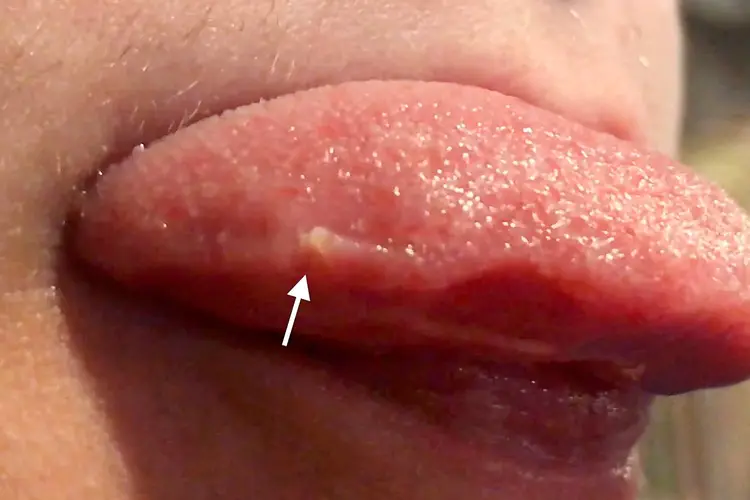

Your tongue is naturally covered in small, mushroom-shaped structures called papillae. These tiny projections contain your taste buds and help you sense flavor, temperature, and texture.
There are four types of papillae on the human tongue:
| Type | Location | Function |
|---|---|---|
| Fungiform | Tip and sides | Contains taste buds |
| Filiform | All over the top | Texture and sensation, no taste buds |
| Circumvallate | Back row (7–12 bumps) | Taste and saliva production |
| Foliate | Side edges | Taste detection |
When any of these papillae become irritated, inflamed, or infected, you may notice bumps that look or feel abnormal.
Why Do I Have Bumps on My Tongue? 13 Common Causes
1. Transient Lingual Papillitis (Lie Bumps)
Transient lingual papillitis, also called lie bumps, is one of the most frequent causes of tongue bumps. These tiny red or white bumps usually appear on the tip or sides of the tongue.
They are caused by inflamed fungiform papillae, triggered by spicy food, acidic drinks, stress, or minor mouth injuries. Research suggests over 50% of people experience this condition at some point in their lifetime.
Lie bumps typically disappear within 1 to 3 days without any treatment.
2. Canker Sores (Aphthous Ulcers)
Canker sores are small, painful ulcers that develop on the tongue, inner cheeks, or gum line. They look like round sores with a white or yellow center and a red border.
Common triggers include emotional stress, hormonal changes, nutritional deficiencies (B12, iron, folate), and certain foods. Canker sores are not contagious.
Most canker sores heal within 7 to 14 days on their own.
3. Oral Thrush (Fungal Infection)
Oral thrush is a yeast infection caused by an overgrowth of Candida albicans fungus. It creates creamy white or yellowish patches on the tongue and inner cheeks.
It is more common in people with weakened immune systems, those taking antibiotics, or individuals who wear dentures. Thrush requires antifungal medication prescribed by a doctor.
Left untreated, oral thrush can spread to the throat and esophagus.
4. Cold Sores (Herpes Simplex Virus)
Cold sores are fluid-filled blisters caused by the herpes simplex virus (HSV-1). They typically appear around the lips but can also develop on or near the tongue.
The virus stays dormant in the body and reactivates with triggers like stress, illness, or sun exposure. Antiviral medications like acyclovir can reduce healing time.
Cold sores are contagious and can spread through direct contact.
5. Allergic Reactions
Certain foods, oral hygiene products, or medications can trigger an allergic response in the mouth. The tongue may swell, develop bumps, or feel itchy.
Common allergens include nuts, shellfish, latex, cinnamon-flavored products, and some toothpastes. Symptoms usually appear within minutes to a few hours of exposure.
If you experience sudden tongue swelling with difficulty breathing, seek emergency care immediately — this may indicate anaphylaxis.
6. Traumatic Injury or Burns
Accidentally biting your tongue, burning it on hot food or drinks, or irritation from braces or dental appliances can create small bumps or sore spots.
These bumps are usually tender but heal quickly once the source of irritation is removed. Rinsing with warm salt water can speed up the healing process.
Repeated trauma to the same spot may eventually cause a traumatic fibroma, a smooth, firm, pink growth that may require removal.
7. Nutritional Deficiencies
A lack of vitamin B12, iron, folate, or zinc can cause your tongue to become inflamed and bumpy. This condition is known as glossitis — inflammation of the tongue.
The tongue may appear red, swollen, or unusually smooth with scattered painful bumps. Blood tests can confirm which nutrient you are lacking.
Correcting the deficiency through diet or supplements usually resolves the symptoms.
| Nutrient Deficiency | Tongue Symptom |
|---|---|
| Vitamin B12 | Red, swollen, smooth tongue |
| Iron | Pale, sore, inflamed tongue |
| Folate | Burning, tender bumps |
| Zinc | Loss of taste, sore spots |
8. Geographic Tongue (Benign Migratory Glossitis)
Geographic tongue is a harmless condition where irregular red patches with white borders appear on the tongue, making it look like a map. The patches change location over time.
The exact cause is unknown, but it may be linked to stress, hormonal changes, or a family history of the condition. It can cause mild burning or sensitivity to spicy or acidic foods.
Geographic tongue is not contagious and does not require treatment in most cases.
9. Oral Lichen Planus
Oral lichen planus is a chronic inflammatory condition that causes white lacy patches, red sores, or open ulcers in the mouth and on the tongue. It is an autoimmune condition.
Symptoms may include burning pain, tenderness, and sensitivity to spicy or acidic foods. It is not contagious and cannot be spread from person to person.
A dentist or oral specialist can diagnose and manage oral lichen planus with medications.
10. Enlarged Circumvallate Papillae (Back of Tongue)
The large bumps naturally located in a V-shape at the back of your tongue are called circumvallate papillae. There are typically 7 to 12 of these, and they are perfectly normal.
However, they can become temporarily enlarged or irritated due to acid reflux, throat infections, or excessive coughing. Many people mistake them for signs of illness.
If these bumps remain consistently enlarged or painful, a doctor should evaluate them.
11. Scarlet Fever or Strep Throat
Scarlet fever, caused by a Group A Streptococcus bacterial infection, produces a distinctive red, bumpy tongue often described as a strawberry tongue. It is accompanied by fever and a skin rash.
Strep throat infections can also cause inflamed taste buds and tongue soreness as part of the broader infection. Both conditions require antibiotic treatment.
Children are more commonly affected, but adults can develop these infections too.
12. Human Papillomavirus (HPV)
Certain strains of HPV can cause small, wart-like growths called oral papillomas to develop on the tongue or inside the mouth. These bumps are typically painless and flesh-colored.
HPV is transmitted through oral contact. The HPV vaccine offers protection against the strains most commonly associated with oral lesions and throat cancers.
A dentist or ENT specialist can evaluate and treat oral HPV-related growths.
13. Oral Cancer (Rare but Serious)
A persistent, painless bump on the tongue that does not heal within two weeks may in rare cases signal oral cancer. According to the Oral Cancer Foundation, over 54,000 Americans are diagnosed with oral cancer each year.
Risk factors include tobacco use, excessive alcohol consumption, HPV infection, and chronic sun exposure to the lips. Early detection significantly improves treatment outcomes.
A bump that grows larger, bleeds, feels hard, or is accompanied by difficulty swallowing should be evaluated by a doctor immediately.
Where Are the Bumps Located? What the Location Tells You
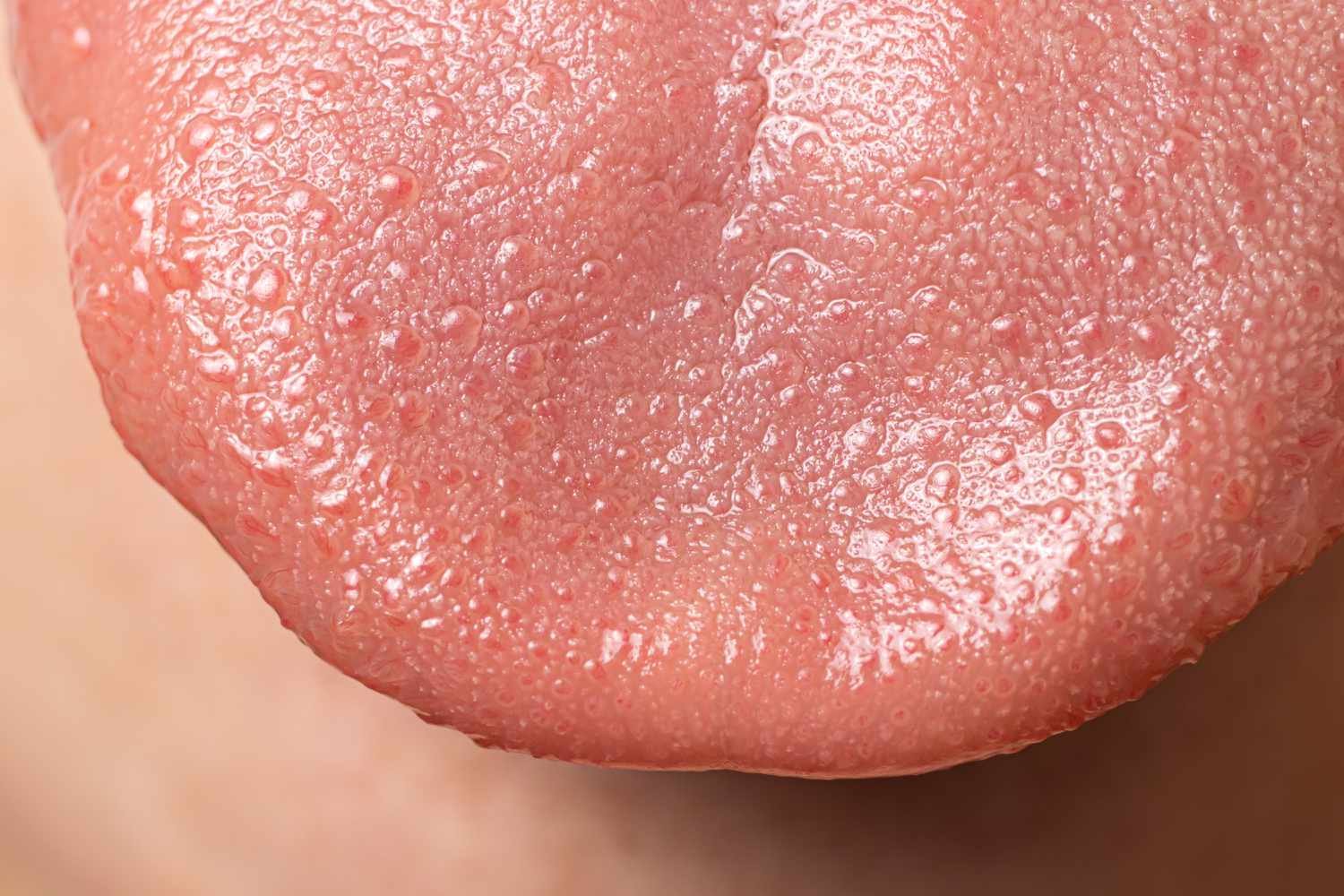

The location of tongue bumps can give useful clues about the cause.
| Location | Common Cause |
|---|---|
| Tip of tongue | Lie bumps, trauma, canker sores |
| Sides of tongue | Lie bumps, oral lichen planus, canker sores |
| Back of tongue | Enlarged circumvallate papillae, strep throat, acid reflux |
| Under the tongue | Salivary gland issues, canker sores, Wharton’s duct cyst |
| All over the tongue | Oral thrush, geographic tongue, scarlet fever |
| Single white bump | Canker sore, fibroma, oral papilloma |
What Do Different Types of Tongue Bumps Look Like?
Red Bumps on the Tongue
Red bumps are usually caused by inflamed taste buds, lie bumps, canker sores, or strep throat. They may be sore to touch and sensitive to heat or spicy food.
If red bumps are widespread across the tongue surface and accompanied by fever, it may indicate scarlet fever or a systemic infection.
White Bumps on the Tongue
White bumps often point to canker sores, oral thrush, or transient lingual papillitis. A single white spot with a red border is typically a canker sore.
Widespread white patches that can be scraped off usually indicate oral thrush. White patches that cannot be removed may be leukoplakia, which requires medical evaluation.
Painful Bumps on the Tongue
Painful tongue bumps are most often caused by canker sores, lie bumps, traumatic injuries, or oral herpes. The pain tends to worsen when eating, drinking, or speaking.
Over-the-counter numbing gels containing benzocaine can provide temporary relief while the bump heals naturally.
Painless Bumps on the Tongue
Painless bumps are often more concerning than painful ones. Oral HPV warts, traumatic fibromas, and early-stage oral cancer may present as painless lumps.
Any painless bump that persists for more than two weeks should be evaluated by a dental or medical professional.
How to Treat Bumps on the Tongue at Home
Most tongue bumps resolve on their own within a few days. The following home remedies can help manage discomfort and speed up healing.
Warm Salt Water Rinse Mix half a teaspoon of salt in a cup of warm water. Rinse your mouth for 30 seconds, two to three times daily. This reduces bacteria, soothes inflammation, and promotes healing.
Avoid Trigger Foods Stay away from spicy, acidic, or extremely hot foods while the bumps are present. These can worsen irritation and delay healing.
Maintain Good Oral Hygiene Brush twice daily and floss once a day. Keeping your mouth clean prevents bacterial buildup that can worsen tongue irritation.
Stay Hydrated Drinking plenty of water prevents dry mouth, which can irritate tongue tissue and make bumps more likely to develop.
Avoid Tobacco and Alcohol Both tobacco and alcohol are significant irritants to oral tissue. Avoiding them supports faster healing and reduces long-term risk.
OTC Pain Relief Benzocaine gels, antiseptic mouthwashes, or ibuprofen can reduce pain and swelling while the bump heals.
When Should You See a Doctor or Dentist?
Most tongue bumps are harmless and temporary. However, you should seek professional evaluation if:
- The bump has not healed after 2 weeks
- The bump is growing in size or changing shape
- You notice unexplained bleeding from the bump
- There is numbness or difficulty moving your tongue
- You have difficulty swallowing, speaking, or eating
- The bump is accompanied by fever, fatigue, or swollen lymph nodes
- You notice red or white patches that cannot be wiped away
- The bump feels hard or firm to the touch
- You have a neck lump alongside the tongue bump
Do not wait more than two weeks. Early evaluation can rule out serious conditions and ensure proper treatment if needed.
How to Prevent Bumps on the Tongue
Prevention focuses on reducing irritation and maintaining strong oral and overall health.
Eat a balanced diet rich in B vitamins, iron, and zinc to prevent deficiency-related tongue problems.
Manage stress through exercise, sleep, and relaxation techniques, since stress is a known trigger for lie bumps and canker sores.
Avoid known food triggers such as spicy dishes, citrus fruits, or cinnamon-heavy products if they consistently cause tongue irritation.
Get regular dental checkups at least twice a year. Dentists can spot early oral changes before they become serious.
Limit tobacco and alcohol use, which are the two biggest modifiable risk factors for oral cancer.
Practice good tongue hygiene by gently brushing your tongue during your daily routine to remove bacteria and plaque.
Tongue Bumps in Children vs. Adults
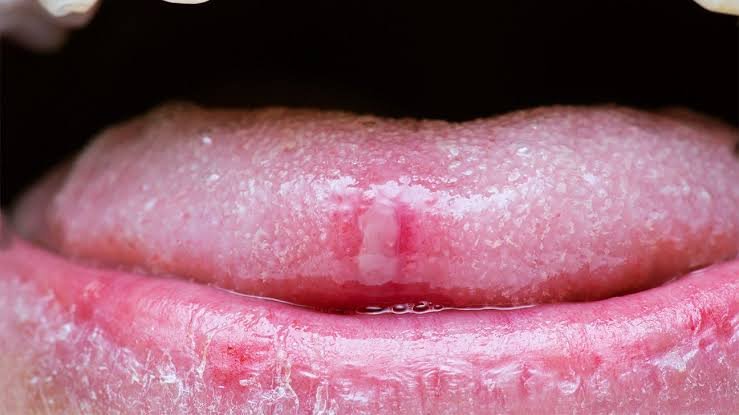

Tongue bumps can affect people of all ages, but some causes are more common in specific groups.
| Age Group | Common Causes |
|---|---|
| Infants | Oral thrush, hand-foot-mouth disease |
| Children | Eruptive lingual papillitis, canker sores, scarlet fever |
| Adults | Lie bumps, canker sores, geographic tongue, nutritional deficiency |
| Older Adults | Oral lichen planus, denture-related trauma, oral cancer risk |
Children with eruptive lingual papillitis may also have fever and swollen lymph nodes. This variant is potentially contagious and should be monitored.
Quick Comparison: Common Tongue Bumps at a Glance
| Condition | Appearance | Pain Level | Duration | Contagious |
|---|---|---|---|---|
| Lie Bumps (TLP) | Small red/white, tip | Mild to moderate | 1–3 days | No |
| Canker Sore | White/yellow, red border | Moderate | 7–14 days | No |
| Oral Thrush | White patches all over | Mild | Until treated | No |
| Cold Sore | Fluid blisters | Moderate | 7–10 days | Yes |
| Oral Cancer | Firm lump, any color | Often painless | Does not heal | No |
| Geographic Tongue | Red patches, white edges | Mild | Comes and goes | No |
| Trauma Bump | Localized, pink/red | Mild | Days | No |
Foods That Cause or Worsen Tongue Bumps
Certain foods are commonly linked to tongue irritation and bump formation. Knowing your triggers can significantly reduce flare-ups.
Foods to avoid when you have tongue bumps:
- Spicy peppers, hot sauces, and chili
- Citrus fruits like oranges, lemons, and grapefruits
- Acidic tomatoes and tomato-based sauces
- Hard or sharp-edged snacks like chips and crackers
- Cinnamon-flavored candies and gum
- Very hot beverages like coffee and tea
- Alcohol and carbonated drinks
Foods that support tongue healing:
- Soft, cool foods like yogurt, smoothies, and oatmeal
- Water-rich fruits like watermelon and cucumber
- Foods high in B12 such as eggs, dairy, and fish
- Iron-rich foods like leafy greens, beans, and lean meats


Frequently Asked Questions (FAQs)
Q1. Are bumps on the tongue normal?
Yes, the tongue naturally has papillae, which are small bumps that hold taste buds. Occasional inflamed or extra bumps are usually harmless and temporary.
Q2. How long do tongue bumps last?
Most tongue bumps caused by lie bumps or minor irritation last 1 to 3 days. Canker sores may take 7 to 14 days to fully heal.
Q3. Can stress cause bumps on my tongue?
Yes, stress weakens the immune system and is a well-known trigger for lie bumps, canker sores, and recurrent oral ulcers. Managing stress often reduces flare-ups.
Q4. Are tongue bumps contagious?
Most tongue bumps like canker sores and lie bumps are not contagious. Cold sores and eruptive lingual papillitis in children may be contagious through contact.
Q5. What is the white bump on the tip of my tongue?
A white bump on the tip of your tongue is most likely a lie bump (transient lingual papillitis) or a small canker sore. Both are harmless and heal within a few days.
Q6. Can acid reflux cause bumps on the tongue?
Yes, stomach acid that travels up into the mouth can irritate the tongue’s tissue and cause bumps, particularly the enlarged papillae at the back of the tongue.
Q7. Should I be worried about a bump on the back of my tongue?
The back of the tongue naturally has large bumps called circumvallate papillae. If the bumps are new, growing, or painless for over two weeks, consult a dentist to rule out serious causes.
Q8. What vitamins deficiency causes tongue bumps?
Deficiencies in vitamin B12, iron, folate, and zinc are commonly linked to glossitis and tongue bumps. A blood test can confirm which nutrient you need.
Q9. Can tongue bumps be a sign of cancer?
In rare cases, yes. A bump that does not heal in two weeks, grows, feels hard, or bleeds may need evaluation. Most bumps are not cancer, but persistent ones should be checked promptly.
Q10. What home remedy helps bumps on the tongue heal faster?
Rinsing with warm salt water two to three times daily, avoiding spicy or acidic foods, and staying well-hydrated are the most effective home remedies for tongue bumps.
Conclusion
Bumps on the tongue are a very common experience, and in the vast majority of cases, they are completely harmless.
Whether it is a simple lie bump from eating something spicy, a canker sore triggered by stress, or temporary irritation from a hot drink, most tongue bumps clear up on their own within a few days to two weeks. Understanding the type, location, and duration of the bump helps you determine the right course of action.
The key is knowing when to act. If a bump on your tongue lasts longer than two weeks, grows, bleeds, feels hard, or is accompanied by difficulty swallowing or unexplained weight loss, do not wait. Schedule an appointment with your dentist or doctor.
Early evaluation rules out serious causes and ensures you get the right treatment at the right time. Maintain good oral hygiene, eat a nutrient-rich diet, manage stress, and attend regular dental checkups to keep your tongue and overall oral health in the best possible shape.