


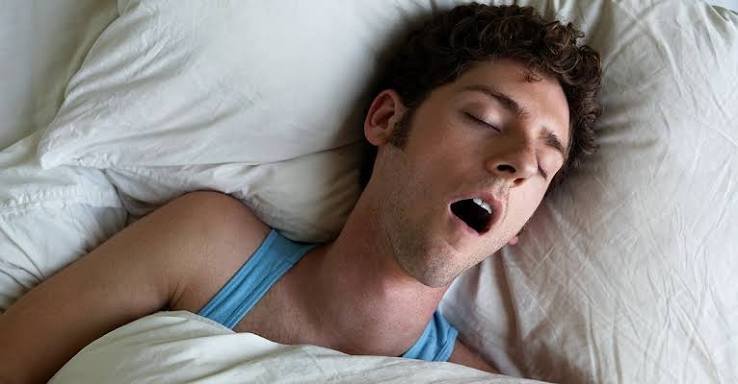
Why Do I Bite My Tongue in My Sleep? Waking up with a sore, swollen, or bleeding tongue is confusing, especially when you don’t remember biting it. If this keeps happening, there’s usually a clear reason behind it.
Nighttime tongue biting is more common than most people realize, and it’s rarely something you can control on purpose. It’s your body reacting to something happening while you’re unconscious.
Why Do I Bite My Tongue in My Sleep?
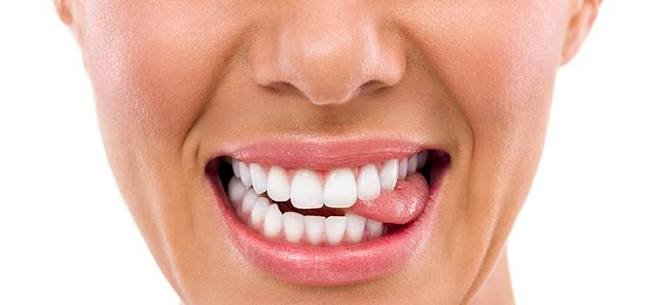
Most people bite their tongue in their sleep because of sleep bruxism, or unconscious teeth grinding and jaw clenching. Other causes include sleep apnea, misaligned teeth, stress-related muscle tension, certain medications, and in rarer cases, nighttime seizures.
Key Takeaways
- Sleep bruxism is the single most common cause of nighttime tongue biting.
- Misaligned teeth can push the tongue into a vulnerable position during sleep.
- Sleep apnea and airway issues are linked to increased tongue movement at night.
- Repeated tongue biting without an obvious cause can signal nocturnal seizures.
- Most cases improve with a night guard, stress management, or treating the root cause.
Sleep Bruxism (Teeth Grinding and Clenching)
Sleep bruxism is unconscious grinding or clenching of the teeth during sleep. When the jaw clenches forcefully, the tongue can get caught between the teeth.
This happens most often during lighter stages of sleep. Stress and anxiety are common triggers, since muscle tension builds up even without conscious grinding.
Misaligned Teeth or Bite Problems
An overbite, underbite, or overcrowded mouth can force the tongue into an awkward resting position. This makes it far more likely to get caught between the teeth while you sleep.
Orthodontic issues like this are often diagnosed by a dentist after ruling out other causes of tongue biting.
Sleep Apnea and Airway Issues
People with obstructive sleep apnea often have larger tongues and more relaxed mouth muscles during sleep. This combination raises the risk of the tongue shifting into the bite path.
Snoring, gasping, or pauses in breathing alongside tongue biting are signs worth mentioning to a doctor.
Stress, Anxiety, and Muscle Tension

Even without full-blown grinding, stress increases muscle tension throughout the jaw and face. That tension can trigger involuntary clenching or biting during sleep.
Many people are completely unaware they carry this tension until it shows up as morning soreness or a bitten tongue.
Nocturnal Seizures and Epilepsy
Seizures involve sudden, uncontrolled bursts of electrical activity in the brain that cause muscle spasms and stiffness. During a nighttime seizure, a person may bite the tongue without any awareness.
Bites from seizures often occur on the tip and sides of the tongue and can be more severe than typical bruxism-related bites.
Facio-Mandibular Myoclonus (FMM)
FMM is a lesser-known sleep disorder involving sudden, forceful contractions of the facial and jaw muscles. These involuntary jerks can cause the teeth to snap shut on the tongue.
It’s distinct from bruxism and usually requires a sleep study to properly diagnose.
REM Sleep Behavior Disorder
This condition causes people to physically act out their dreams due to a lack of normal muscle paralysis during REM sleep. Sudden movements during this stage can lead to accidental tongue or cheek biting.
It’s more common in older adults and often comes with other unusual nighttime behaviors.
Medication Side Effects

Certain medications, particularly those for mental health or neurological conditions, can cause involuntary muscle movements as a side effect. This may increase the risk of nighttime tongue biting.
If symptoms started after a new prescription, it’s worth discussing with the prescribing doctor.
Common Causes at a Glance
| Cause | Typical Sign | Needs Medical Attention? |
|---|---|---|
| Sleep bruxism | Sore jaw, worn teeth | Often, for a night guard |
| Misaligned teeth | Repeated tongue trapping | Yes, orthodontic evaluation |
| Sleep apnea | Snoring, gasping, fatigue | Yes |
| Stress and anxiety | Jaw tension, headaches | If persistent |
| Nocturnal seizures | Severe bites, confusion after waking | Yes, urgently |
| FMM or REM behavior disorder | Sudden jerking movements | Yes, sleep study needed |
At-Home Relief for a Bitten Tongue
- Rinse with warm salt water two to three times a day.
- Stick to a soft, bland diet for 24 to 48 hours after a bite.
- Apply a cold compress in short intervals to reduce swelling.
- Avoid spicy, acidic, or crunchy foods until healing improves.
- Keep the area clean to lower the risk of infection.
Best Practices to Prevent Future Tongue Biting
- Ask your dentist about a custom night guard if bruxism is suspected.
- Practice relaxation techniques like meditation to reduce nighttime muscle tension.
- Maintain a consistent sleep schedule and calming bedtime routine.
- Avoid caffeine and stimulants close to bedtime.
- Get evaluated for sleep apnea if you snore or feel excessively tired during the day.
Mistakes to Avoid
- Don’t ignore repeated tongue biting as something minor if it keeps happening.
- Avoid self-diagnosing a seizure disorder without a medical evaluation.
- Don’t skip a night guard fitting and use a generic store-bought one long term.
- Never continue a medication causing symptoms without consulting your doctor first.
When to See a Doctor or Dentist
- Tongue biting happens multiple times a week.
- Bites are severe, deep, or slow to heal.
- You experience confusion, jerking, or memory gaps around the episode.
- A partner reports unusual movements, gasping, or grinding sounds at night.
- You notice new symptoms after starting a medication.
Also Read:
- How Stack-Up Symmetry Affects Warpage and Assembly Yield in 12-Layer PCBs
- From Hair Care Idea To Business: How Bo International Supports Startup Brands
- Portable Space Heaters vs Fan Heaters: Pros and Cons
- How Care Patterns Help During Steps to Report Suspected Nursing Home Abuse
- How Insurance Responses Can Affect a Houston, TX Auto Accident Claim
- The Investigation Steps a Premises Liability Lawyer May Take After an Injury
- Does Being a Loan Guarantor Affect Your CIBIL Score
- Do You Need Legal Help After a Truck Accident? Here’s What to Know
- What to Know Before Using a Currency Exchange Service in Hyderabad
- Corrosion-Resistant Flexible Couplings: The Quiet Upgrade That Prevents Expensive Failures
- Why Not an American Ark? Historical Context
- Letflix Review – Features, How It Works and Safe to Use?
- 430+ Trendy Roblox Username Ideas for Boys & Girls
- 1000+ Trendy Instagram Usernames Ideas for Girls (2024)
- Download Gayatri Mantra Best Ringtone Mp3/M4R
- Grand Theft Auto: San Andreas – Theme Song Download
- Download Mission Impossible – Original Theme Song
- Randy Orton – Voices WWE Theme Song Download
- Luke Bryan – Light It Up Karaoke Acoustic Piano
- Ace Hood – To Whom It May Concern (Instrumental)
- Lil Wayne – Plastic Bag (Instrumental)
- Gotye – Somebody That I Used To Know (Instrumental)
Frequently Asked Questions (FAQs)
Why do I bite my tongue in my sleep?
The most common cause is sleep bruxism, where unconscious teeth grinding and jaw clenching traps the tongue between the teeth.
Is biting your tongue in your sleep serious?
Occasional biting usually isn’t serious, but frequent or severe bites can signal an underlying condition like sleep apnea or a seizure disorder.
Can stress cause tongue biting at night?
Yes, stress builds muscle tension in the jaw, which can lead to involuntary clenching and biting during sleep even without full bruxism.
Does sleep apnea cause tongue biting?
Sleep apnea is linked to a larger tongue and more relaxed mouth muscles during sleep, both of which increase the risk of biting.
Can misaligned teeth cause nighttime tongue biting?
Yes, an overbite, underbite, or crowded mouth can push the tongue into a position where it’s more likely to get caught between the teeth.
Should I see a dentist or a doctor for tongue biting?
A dentist can evaluate for bruxism or bite alignment issues, while a doctor can assess for sleep apnea, seizures, or medication side effects.
What is facio-mandibular myoclonus?
It’s a sleep disorder involving sudden, forceful muscle contractions in the face and jaw that can cause the teeth to snap onto the tongue.
Can nighttime seizures cause tongue biting?
Yes, seizures can cause uncontrolled muscle spasms that lead to unconscious tongue biting, often on the tip and sides of the tongue.
How do I treat a sore tongue after biting it in my sleep?
Rinse with warm salt water, use a cold compress, and stick to soft foods for a day or two while it heals.
Can a night guard stop tongue biting?
Yes, a custom night guard cushions the teeth and reduces the chance of the tongue getting caught during grinding or clenching.
Why do I only bite my tongue occasionally instead of every night?
Bruxism and tension often occur during lighter sleep stages, which vary night to night depending on stress, sleep quality, and other factors.
Can medication cause tongue biting during sleep?
Yes, some medications for mental health or neurological conditions can cause involuntary muscle movements as a side effect.
Is REM sleep behavior disorder linked to tongue biting?
Yes, this disorder causes people to physically act out dreams, and sudden movements during these episodes can lead to accidental bites.
What are signs I might have sleep bruxism?
Common signs include a sore jaw, morning headaches, worn tooth enamel, and a partner noticing grinding sounds at night.
Can children bite their tongue in their sleep too?
Yes, though children more often bite their tongue while awake, and nighttime bruxism affects a large portion of children as well.
How long does a bitten tongue take to heal?
Minor bites usually heal within a few days to a week with proper care, though deeper wounds may take longer.
When is tongue biting during sleep an emergency?
If bleeding is severe, doesn’t stop, or is accompanied by confusion or unusual movements, seek medical attention right away.
Can anxiety alone cause someone to bite their tongue at night?
Yes, anxiety increases muscle tension throughout the body, including the jaw, which can result in unconscious biting during sleep.
Does alcohol or caffeine make nighttime tongue biting worse?
Both can disrupt sleep quality and increase muscle tension, potentially making bruxism and related tongue biting more likely.
Conclusion
Biting your tongue in your sleep almost always traces back to something happening in your jaw, airway, or nervous system, whether it’s bruxism, sleep apnea, stress, or something rarer like nocturnal seizures.
Most cases improve significantly with a night guard, better stress management, or treating the underlying condition. If it keeps happening or comes with other unusual symptoms, a visit to your dentist or doctor is the fastest way to get real answers.


