



Why do cats bury their poop? It’s one of the most common questions cat owners ask, and the answer goes back thousands of years to your cat’s wild ancestors. This behavior isn’t random fussiness. It’s a survival instinct passed down through generations of felines who needed to stay hidden from predators and rivals.
In this guide, we’ll break down the real reasons behind this habit, why some cats stop doing it, and what you can do if your cat refuses to cover its waste. We’ll also look at when the behavior might signal a health issue worth watching.
What Does It Mean When a Cat Buries Its Poop
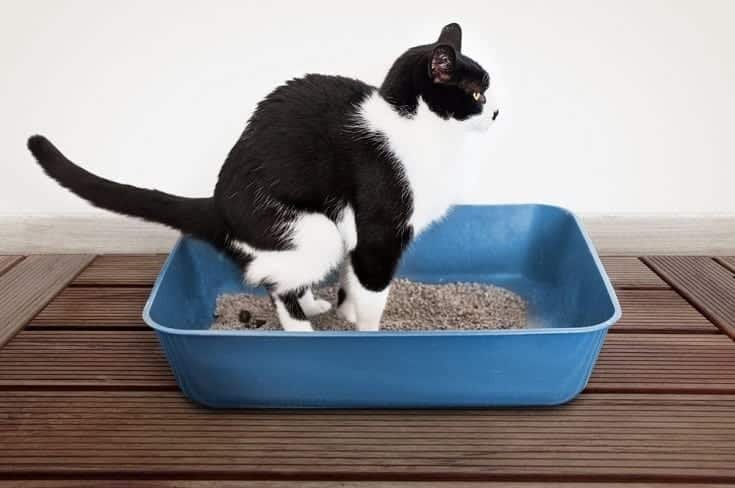
When a cat buries its poop, it’s performing one of the oldest instinctual behaviors in the feline world. This isn’t learned from humans or trained through litter box habits alone.
It’s wired into their DNA from wild cats who lived in the African savannah. Burying waste helped them avoid detection by larger predators looking for an easy meal.
Why Do Cats Bury Their Poop
There are several overlapping reasons cats cover their waste. Each one ties back to survival, communication, or simple cleanliness.
Instinct From Wild Ancestors
Domestic cats share nearly 95% of their DNA with wild cats. That genetic link means many “house cat” behaviors are really survival tactics from the wild.
In the wild, leaving waste uncovered could attract bigger predators. Burying it kept a cat’s location hidden from anything that wanted to hunt them.
Hiding Scent From Predators
Cat feces carry a strong scent that can travel and linger. For a small or mid-sized wild cat, that scent is a beacon for predators.
Burying the waste reduces the smell significantly, making it much harder for a predator to track a cat back to its den or nesting area.
Avoiding Detection by Rival Cats
Cats also use scent to communicate with other cats. Their feces contain pheromones, which are chemical signals unique to each individual cat.
A submissive or non-territorial cat will usually bury its poop so it doesn’t attract the attention of a dominant or aggressive rival in the area.
Showing Respect to the “Dominant” Member of the Household
In multi-cat or cat-human households, burying poop can be a sign of social hierarchy. Your cat may see you as the dominant figure in their environment.
By covering their waste, your cat is essentially saying “I’m not challenging you for territory.” It’s a subtle form of respect within their social structure.
Keeping Their Environment Clean
Cats are naturally fastidious animals. Studies show cats spend a significant portion of their day grooming themselves and keeping their space tidy.
Burying poop is an extension of that same cleanliness instinct. It keeps their resting, eating, and sleeping areas free from waste and odor.
Protecting Food and Water Sources
In the wild, cats avoid going to the bathroom anywhere close to where they eat or drink. This instinct still shows up in domestic cats today.
Burying waste helps prevent contamination of food and water, which protects them from parasites, bacteria, and other health risks tied to exposed feces.
Avoiding Parasites and Disease
Uncovered feces can attract flies, parasites, and bacteria that pose a real health risk to cats. Burying it cuts down on these dangers significantly.
This is one reason vets consider regular poop-burying behavior a sign of a generally healthy, instinct-driven cat.
Do All Cats Bury Their Poop
Not every cat covers its waste, and that doesn’t always mean something is wrong. Some cats are simply more relaxed about the habit than others.
The table below breaks down which cats are more or less likely to bury their poop and why.
| Cat Type | Likely to Bury Poop? | Common Reason |
|---|---|---|
| Domestic house cats | Yes, usually | Instinct + cleanliness |
| Kittens (under 8 weeks) | Sometimes | Still learning from mother |
| Feral or stray cats | Inconsistent | Territorial marking behavior |
| Dominant multi-cat household cats | Less likely | Asserting territory |
| Senior cats (12+ years) | Less consistent | Arthritis or cognitive decline |
| Big wild cats (lions, tigers) | No | Marking territory deliberately |
How Kittens Learn to Bury Their Poop
Kittens aren’t born automatically knowing how to cover their waste. It’s a behavior they typically learn by watching their mother during the first weeks of life.
If a kitten is separated from its mother too early, it may never fully pick up this habit. That’s why some adult cats simply never bury their poop at all.
Why Some Cats Don’t Bury Their Poop
If your cat has stopped covering its waste, or never did, there are several possible explanations. Most are harmless, but a few are worth monitoring closely.
Dominance and Territory Marking
Some cats, especially unneutered males, leave waste uncovered on purpose. This is a way of marking territory and signaling confidence to other cats nearby.
This is more common in multi-cat households or outdoor settings where territorial disputes are more likely to happen between cats.
A Dirty or Uncomfortable Litter Box
Cats are picky about cleanliness. If the litter box isn’t scooped often enough, your cat may avoid lingering long enough to bury their waste properly.
Try scooping the box at least once or twice daily, and fully replacing the litter every 3 to 4 weeks for the best results.
Litter Box Size or Placement Issues
A litter box that’s too small makes digging and covering physically difficult. Cats need enough room to turn, dig, and scratch comfortably.
Placement matters too. Boxes in noisy, high-traffic, or hard-to-escape areas can make cats feel unsafe enough to skip the burying step entirely.
Stress or Anxiety
Just like humans, cats respond to stress in physical ways. A new pet, a move, a new baby, or even rearranged furniture can throw off their routine.
Stress-related litter box changes are common and usually resolve once the cat adjusts or the stressor is removed from their environment.
Medical Issues
Sometimes a cat skipping the burying step is a sign of pain or illness. Conditions like arthritis can make digging physically uncomfortable for older cats.
Digestive issues, urinary tract infections, and constipation can also cause cats to rush out of the litter box before finishing their usual routine.
Never Learning the Behavior
If a cat’s mother never buried her own waste, the kitten likely never learned the behavior either. This can carry into adulthood with no other cause.
Some cats simply weren’t taught, and at that point, it becomes more of a personality trait than a problem to fix.
Signs the Behavior Change Might Be a Health Concern
Most of the time, a cat skipping its usual burying routine is nothing serious. But a few warning signs mean it’s worth a vet visit.
- Sudden change after years of consistent burying behavior
- Visible straining or discomfort in the litter box
- Diarrhea, constipation, or blood in the stool
- Noticeable weight loss or reduced appetite
- Increased litter box avoidance altogether
How to Encourage Your Cat to Bury Their Poop
If you want to help your cat get back into the habit, a few simple changes often make a big difference. Most of these are easy, low-cost fixes.
Choose the Right Litter Box Size
Bigger is almost always better. A general rule is the box should be at least one and a half times the length of your cat from nose to tail.
This gives them enough room to dig, turn around, and comfortably cover their waste without feeling cramped or restricted.
Keep the Litter Box Clean
A clean box encourages natural digging behavior. Scoop daily and do a full litter change regularly to keep odors and bacteria under control.
Cats are far more likely to bury their waste in a box that smells clean rather than one already layered with old waste.
Try Different Litter Textures
Some cats prefer finer, sand-like textures that are easier to dig through. Others may dislike scented litter or rough textures altogether.
Experimenting with two or three litter types can help you figure out what your individual cat actually prefers to dig in.
Reduce Stress Around the Litter Box Area
Place the box in a quiet, low-traffic area with at least one easy escape route. Cats need to feel safe while they’re vulnerable during elimination.
Avoid placing boxes near loud appliances, busy hallways, or areas where other pets might corner or surprise them.
Rule Out Medical Causes First
Before assuming it’s a behavioral issue, it’s worth ruling out anything medical. A quick vet visit can confirm whether pain or illness is playing a role.
This is especially important if the change in behavior was sudden rather than something that developed gradually over time.
Why Big Cats Like Lions and Tigers Don’t Bury Their Poop
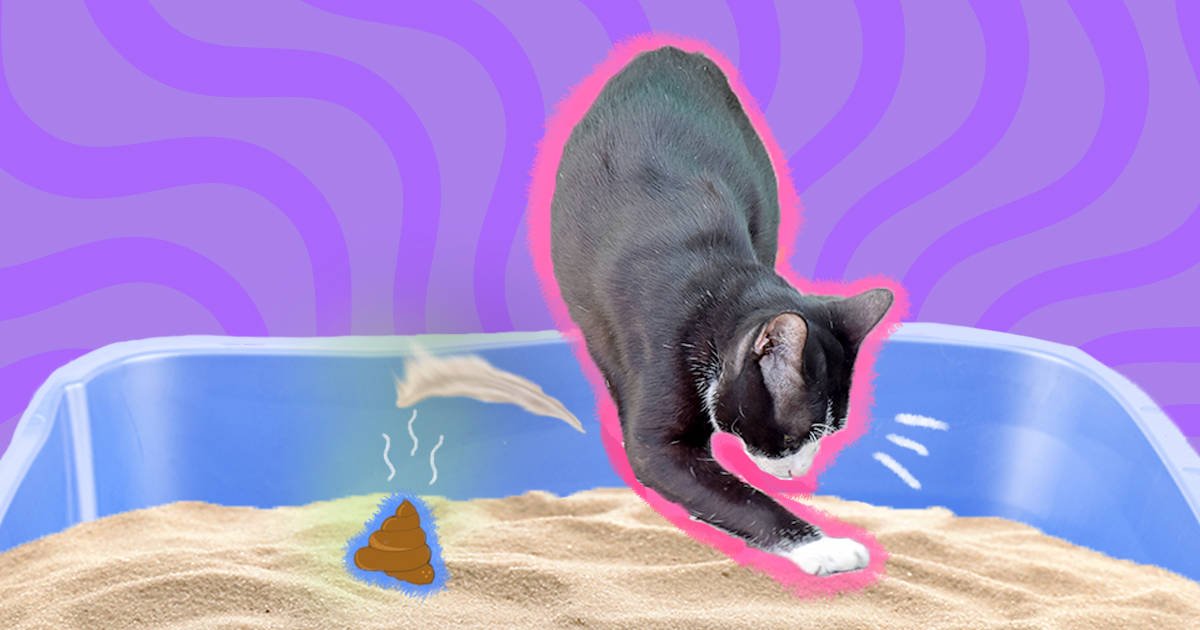
Interestingly, large wild cats like lions, tigers, and leopards typically don’t cover their waste at all. This comes down to their position at the top of the food chain.
These cats have no real predators to hide from, so they use uncovered waste as a territorial marker instead. It’s a deliberate signal, not a hygiene failure.
Smaller or more submissive wild cats, on the other hand, almost always bury their waste to avoid conflict with these larger, dominant animals.
Cats vs Dogs: Why the Difference in Behavior
Dogs and cats handle waste very differently, and the reason comes down to their evolutionary history as predators versus territorial animals.
| Behavior | Cats | Dogs |
|---|---|---|
| Bury waste | Usually yes | Rarely |
| Reason | Hide scent from predators | Mark territory |
| Learned from | Mother cat | Less behavior-driven |
| Wild ancestry role | Prey and predator | Primarily predator/pack animal |
Dogs descended from pack hunters who relied on scent marking to communicate with their group. Cats, as more solitary hunters, relied on staying hidden instead.
Common Myths About Cats Burying Their Poop
A lot of misinformation surrounds this behavior. Here are a few myths worth clearing up before you draw conclusions about your own cat.
Myth: It Means a Cat Is Ashamed
Cats don’t experience shame the way humans do. This behavior is instinctual, not emotional, and has nothing to do with embarrassment over their waste.
Myth: Not Burying Poop Always Means Illness
While it can signal a health issue, many cats simply never developed the habit or are asserting dominance. Context matters more than the behavior alone.
Myth: All Wild Cats Bury Their Waste
Only smaller, more submissive wild cats consistently do this. Larger apex predators like tigers often leave waste uncovered as a territorial signal.
When to Talk to Your Veterinarian
If the change in behavior is sudden, paired with other symptoms, or simply doesn’t improve after trying the fixes above, a vet visit is the safest next step.
A veterinarian can rule out arthritis, digestive disorders, or urinary issues that might be making the litter box experience uncomfortable for your cat.
Does Burying Poop Mean My Cat Is Healthy

Veterinarians generally view consistent poop-burying as a small but positive sign of normal feline behavior. It suggests your cat is comfortable, mobile, and following natural instincts without obstruction.
That said, burying behavior alone isn’t a full health check. A cat can bury its waste perfectly while still dealing with internal issues that aren’t visible during a quick litter box glance.
How Outdoor Cats Bury Their Poop Differently
Outdoor and feral cats don’t always follow the same predictable pattern as house cats. Their environment is less controlled, and their burying habits often shift based on safety and competition.
Feral Cats and Inconsistent Burying
Research on feral cat colonies has shown that burying behavior isn’t universal even among outdoor cats. Some feral cats bury waste near their core living area but leave it exposed farther from home.
This pattern suggests burying is less about general hygiene and more about protecting their immediate, vulnerable living space from detection.
Marking Territory Outdoors
In multi-cat outdoor colonies, more dominant cats may leave waste uncovered at the edges of their territory. This acts as a boundary marker for less dominant cats passing through the area.
It’s the same dominance logic seen indoors, just applied across a much larger and more competitive outdoor environment.
Nesting Females and Kittens
Nursing female cats tend to bury their waste more consistently than other adult cats. This extra caution helps protect their kittens from predators that might be drawn in by scent.
A mother cat instinctively understands that her nest location is the most valuable thing to protect, and burying waste is one layer of that defense.
The Role of Litter Type in Burying Behavior
The litter you choose has a bigger impact on burying behavior than most owners realize. Texture, dust level, and scent can all encourage or discourage your cat from digging.
| Litter Type | Digging Friendliness | Notes |
|---|---|---|
| Fine clumping clay | High | Mimics natural sand texture |
| Crystal/silica litter | Low to medium | Some cats dislike the texture |
| Pine or wood pellets | Medium | Texture varies by brand |
| Paper-based litter | Medium | Soft but less sand-like |
| Unscented litter | High preference | Most cats avoid strong scents |
If your cat has stopped burying waste, switching litter type is often one of the fastest and most affordable fixes available before assuming a deeper issue.
How Multi-Cat Households Affect Burying Habits
Adding a second or third cat to your home can change burying behavior almost overnight. Suddenly, the litter box becomes shared territory instead of a private space.
Competition Over Litter Boxes
The general rule among vets is one litter box per cat, plus one extra. Without enough boxes, cats may rush their bathroom routine and skip burying altogether.
Crowded litter box situations increase stress, which directly reduces the likelihood that a cat will take the time to properly cover its waste.
Dominance Hierarchies Forming
When a new cat joins a household, existing pecking orders often shift. A previously submissive cat may suddenly stop burying waste to test or assert new boundaries.
This kind of behavior shift is usually temporary and tends to settle down once the household hierarchy stabilizes over a few weeks.
Fascinating Facts About Cats and Burying Behavior
A few extra details make this instinct even more interesting once you understand the bigger picture behind it.
- Cats share about 95% of their DNA with wild tigers
- Other animals like armadillos and minks also bury waste for similar reasons
- A 2024 study found nursing cats bury waste more often than non-nursing cats
- Big cats like lions almost never bury their waste on purpose
- Kittens separated from mothers early may never learn the behavior at all
What Litter Box Habits Say About Your Cat’s Personality
Beyond instinct, burying behavior can offer small clues about your individual cat’s personality and comfort level within your home.
A cat that buries waste quickly and consistently is often confident and settled. A cat that lingers, sniffs excessively, or skips burying may be more anxious, dominant, or simply still adjusting to its environment.
Paying attention to these small patterns over time can help you catch behavioral or health changes earlier, long before they become bigger problems.
Frequently Asked Questions (FAQs)
Why does my cat bury poop but not pee?
Cats often use urine for scent marking, especially in their own territory. Poop carries a stronger odor, so burying it matters more for staying hidden.
Is it bad if my cat doesn’t bury their poop?
Not necessarily. Some cats simply never learned the habit. It only becomes a concern if the change is sudden or paired with other symptoms.
Do all kittens know how to bury their poop naturally?
No, kittens usually learn this by watching their mother. Orphaned or early-weaned kittens may never fully develop the instinct on their own.
Why does my cat smell their poop before burying it?
Cats often sniff their waste to check their own health and assess whether the scent could attract predators or rival cats nearby.
Can stress cause a cat to stop burying their poop?
Yes, stress from changes in routine, new pets, or moving homes can disrupt normal litter box habits, including the burying behavior.
Does litter box size affect burying behavior?
Yes, a litter box that’s too small makes digging difficult. Cats need enough space to comfortably turn, dig, and cover their waste.
Why do male cats sometimes not bury their poop?
Unneutered male cats often leave waste uncovered intentionally. It’s a territorial signal meant to assert dominance over an area.
Is not burying poop a sign of dominance?
In multi-cat households, yes. A dominant cat may leave waste exposed to signal confidence and discourage challenges from other cats.
Can arthritis stop older cats from burying poop?
Yes, arthritis can make digging painful for senior cats. This often leads to inconsistent or stopped burying behavior with age.
Should I train my cat to bury their poop?
You can encourage it by sitting with them during litter box use and gently guiding their paws to cover waste, followed by positive reinforcement.
Conclusion
Cats bury their poop for reasons rooted deep in survival instinct, not simple tidiness. From hiding scent to avoid predators, to signaling respect within a household hierarchy, this behavior carries centuries of evolutionary purpose. Most cats learn it from their mothers as kittens, though some never fully develop the habit.
If your cat suddenly stops covering their waste, it’s worth checking for stress, litter box issues, or underlying health problems before assuming it’s just a personality quirk. Simple fixes like a bigger box, cleaner litter, or a quieter location often solve the issue quickly. Understanding this instinct helps you respond calmly and provide the right environment for your cat’s comfort and long-term wellbeing.


