

If you’ve spent the last few weeks changing bibs every hour, you’re not imagining it. Babies really can produce an impressive amount of drool.
If you keep wondering why do babies drool so much, the answer usually comes down to normal development, not anything to worry about. Their little bodies are simply catching up with how much saliva they’re making.
Why Do Babies Drool So Much?
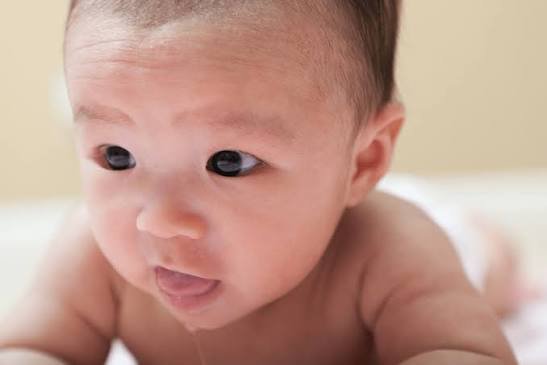

Babies drool a lot mainly because their salivary glands become active around 2 to 3 months old, before they’ve learned to fully control swallowing. Teething, mouthing objects, and digestive development all add to the extra saliva.
What Drooling Actually Is
Drooling is saliva that flows out of the mouth involuntarily. It happens because a baby’s mouth muscles and swallowing reflex aren’t fully developed yet.
Saliva itself plays several important roles in early development. It moistens food, helps with digestion, and even protects the mouth from bacteria.
Common Reasons Babies Drool So Much
Active Salivary Glands
Around 2 to 3 months of age, a baby’s salivary glands kick into higher gear. Since the muscles needed to swallow all that extra saliva aren’t ready yet, much of it simply spills out.
This is one of the most common and completely normal reasons for early drooling.
Undeveloped Mouth Muscles
Babies don’t have full control over their mouth muscles until around 18 to 24 months. Until then, keeping saliva contained in the mouth is genuinely difficult for them.
As those muscles strengthen, swallowing becomes more consistent and drooling naturally decreases.
Teething
Teething is one of the biggest drivers of excess drool. As new teeth push through sensitive gums, saliva production increases to help soothe the discomfort.
Teething can begin as early as 2 to 3 months, though most first teeth appear around 6 months.
Mouthing Objects
Babies explore the world by putting things in their mouths, from toys to their own fingers. This natural behavior stimulates even more saliva production.
It’s part of how babies learn about textures, temperatures, and their environment.
Digestive Development
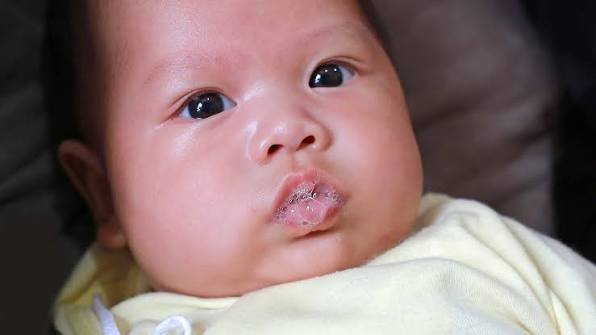

Saliva contains enzymes that begin breaking down food before it even reaches the stomach. Increased drooling can be a sign that a baby’s digestive system is maturing and preparing for solid foods.
This is especially noticeable as babies approach the age for starting solids.
Pacifier Use
Babies who use a pacifier are used to sucking and swallowing regularly. When the pacifier comes out, that same saliva production continues, but without the same swallowing pattern, leading to more visible drool.
This is a normal side effect rather than a sign of a problem.
Drooling Timeline by Age
| Age Range | What’s Typical |
|---|---|
| 0-2 months | Minimal drooling, glands not yet fully active |
| 2-3 months | Drooling increases as salivary glands activate |
| 3-6 months | More drooling as babies mouth objects and near teething |
| 6-12 months | Heavy drooling often peaks with active teething |
| 18-24 months | Drooling gradually decreases as muscle control improves |
When Drooling Might Signal Something Else
Most drooling is a normal part of development. Occasionally, it can point to something worth mentioning to a pediatrician.
- Drooling paired with fever, rash, or diarrhea
- Sudden, significant increase without an obvious cause like teething
- Drooling that interferes with feeding, breathing, or swallowing
- Choking or gagging alongside excess saliva
- Persistent drooling well past the typical toddler years
A true fever is never caused by teething alone, so a temperature above 100.4°F deserves a call to the doctor.
How to Manage Drooling and Prevent Rash
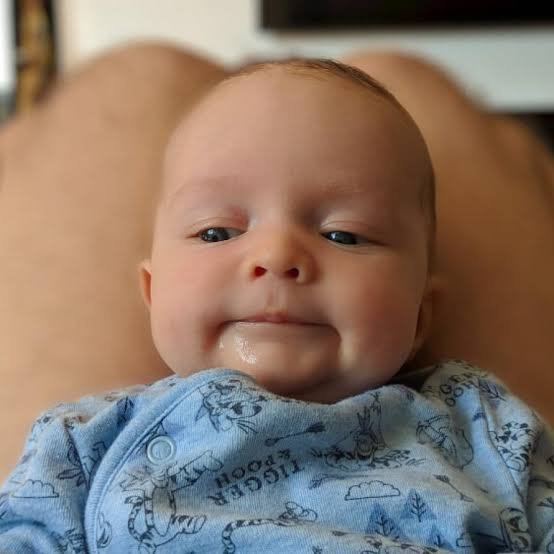

Keep a Bib Handy
A soft bib helps catch drool throughout the day and reduces how often clothing needs changing. Rotating a few bibs makes this easier to manage.
Wipe Gently and Often
Gently wiping your baby’s chin, cheeks, and neck helps prevent skin irritation from prolonged moisture. Pat rather than rub to avoid additional irritation.
Apply a Barrier Cream
A thin layer of barrier cream on the chin and neck can protect sensitive skin from drool rash. Reapply after wiping the area clean.
Keep the Skin Dry Before Sleep
Wiping your baby’s face right before naps and bedtime helps prevent prolonged moisture exposure overnight. This simple habit reduces the chances of a rash forming.
Offer Safe Teething Toys
Teething toys give babies something appropriate to chew, which can ease gum discomfort. Chilled (not frozen) teethers often provide extra relief.
Mistakes to Avoid
- Assuming all drooling means teething is imminent
- Ignoring a real fever and blaming it entirely on teething
- Leaving drool on the skin for long stretches without wiping
- Using scented wipes that can irritate sensitive baby skin
- Worrying unnecessarily about normal developmental drooling
Key Takeaways
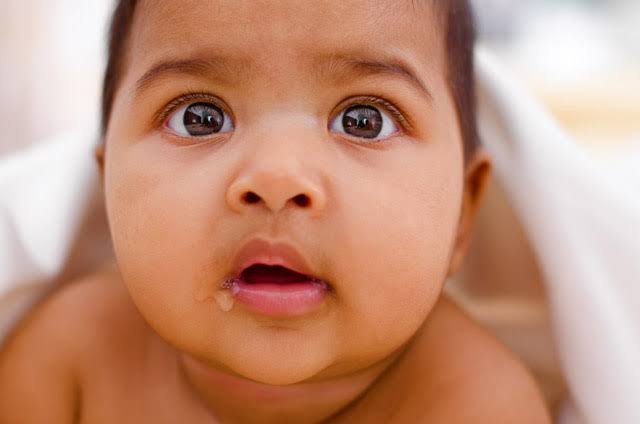

- Heavy drooling from 2 months onward is a normal developmental milestone.
- Teething, mouthing objects, and undeveloped swallowing muscles are the main causes.
- Drool rash is common but manageable with regular wiping and barrier cream.
- A real fever is never caused by teething alone.
- Drooling naturally decreases as babies approach 2 years old.
Also Read:
- From Hair Care Idea To Business: How Bo International Supports Startup Brands
- Portable Space Heaters vs Fan Heaters: Pros and Cons
- How Care Patterns Help During Steps to Report Suspected Nursing Home Abuse
- How Insurance Responses Can Affect a Houston, TX Auto Accident Claim
- Download Gayatri Mantra Best Ringtone Mp3/M4R
- Grand Theft Auto: San Andreas – Theme Song Download
- Download Mission Impossible – Original Theme Song
- Randy Orton – Voices WWE Theme Song Download
- 430+ Trendy Roblox Username Ideas for Boys & Girls
- 1000+ Trendy Instagram Usernames Ideas for Girls
- Letflix Review – Features, How It Works and Safe to Use?
- The Investigation Steps a Premises Liability Lawyer May Take After an Injury
- Does Being a Loan Guarantor Affect Your CIBIL Score
- Do You Need Legal Help After a Truck Accident? Here’s What to Know
- Employee Rights and Legal Remedies in Whistleblower Retaliation Cases
- Lorde – Liability (Instrumental)
- The LOX – Ignorant (Instrumental)
- Dae Dae – Spend It (Instrumental)
- Mac Miller – Diablo (Instrumental)
- How Peptides Are Changing the Science of Bodybuilding Research
- How Cashless Health Insurance Is Transforming Patient Experience
- Why Is My Tongue Itchy? Common Causes & Treatments
- Why Are MRIs So Expensive? The Real Cost Explained
- Why Does My Gum Hurt When I Touch It? Causes & Relief
- Why Do My Feet Burn at Night? 9 Possible Causes
Frequently Asked Questions (FAQs)
At what age do babies start drooling the most?
Drooling typically increases around 2 to 3 months old and often peaks during active teething between 6 and 12 months. It gradually decreases as swallowing muscles mature.
Is it normal for a 2 month old to drool a lot?
Yes, this is one of the most common ages for drooling to noticeably increase. It’s a sign that the salivary glands are becoming more active.
Does drooling always mean my baby is teething?
No, drooling can start well before teething begins and is often just part of normal development. Teething is one cause among several, not the only one.
When do babies stop drooling excessively?
Most babies see a significant decrease in drooling between 18 and 24 months. This lines up with better control over mouth muscles and swallowing.
Can drooling cause a rash on my baby’s skin?
Yes, prolonged moisture on the chin, cheeks, and neck can lead to drool rash. Regular wiping and a barrier cream help prevent and treat it.
Is excessive drooling a sign of a health problem?
Usually not, but drooling paired with fever, feeding difficulty, or breathing issues should be checked by a pediatrician. On its own, heavy drooling is typically just developmental.
Can a pacifier make my baby drool more?
Yes, pacifier use can increase visible drooling since babies swallow less saliva while sucking. This is a normal, harmless effect.
Does teething cause fever along with drooling?
No, a true fever above 100.4°F is not caused by teething alone. If your baby has a real fever, it’s worth checking with a doctor.
Why does my baby drool more when chewing on toys?
Mouthing toys stimulates saliva production as part of natural oral exploration. This is a normal and expected part of development.
Is it normal for drool to affect my baby’s cough or hiccups?
Yes, excess saliva can occasionally trigger a small cough or gag reflex, especially while lying down. This is usually harmless unless it happens with breathing difficulty.
Can drooling help with teething pain?
Yes, increased saliva helps soothe and lubricate sore, irritated gums during teething. It’s part of the body’s natural response to the discomfort.
Should I worry if my baby drools but has no teeth yet?
No, drooling commonly starts well before the first tooth appears. It’s tied to salivary gland activity and mouth development, not just visible teeth.
Does drool have any benefits for babies?
Yes, saliva helps with digestion, protects against bacteria, and coats early teeth with minerals. It plays an active role in healthy development.
Can drooling affect my baby’s sleep?
It can occasionally cause minor discomfort if drool pools while lying on the side. Wiping the face before naps and bedtime can help reduce this.
Why does my baby drool more during growth spurts?
Growth spurts often overlap with developmental leaps, including salivary gland activity and early teething. Increased drooling during these periods is common.
Is drool rash contagious or dangerous?
No, drool rash isn’t contagious and is usually mild. It typically clears up quickly with proper skin care.
Can allergies cause excessive drooling in babies?
In some cases, yes, allergies or reflux can contribute to increased drooling. If you notice other allergy symptoms alongside it, mention this to your pediatrician.
Does drooling mean my baby is close to talking or crawling?
Not directly, though both drooling and these milestones often overlap developmentally. They’re related to overall growth rather than directly causing one another.
How can I tell if drooling is from teething or something else?
Teething-related drooling is often paired with gum swelling, fussiness, and chewing on objects. If other symptoms like fever or rash appear, it’s likely something separate from teething.
When should I take my drooling baby to the doctor?
See a doctor if drooling is sudden and extreme, interferes with feeding or breathing, or comes with a real fever. Persistent drooling well beyond toddler age is also worth mentioning.
Conclusion
Heavy drooling is one of those messy but completely normal parts of early infancy. It usually points to healthy salivary gland development, teething, or your baby simply exploring the world with their mouth.
Keep a few bibs on hand, wipe gently, and watch for feeding or breathing issues rather than the drool itself. If anything feels off beyond typical drooling, your pediatrician can help confirm everything is on track.