


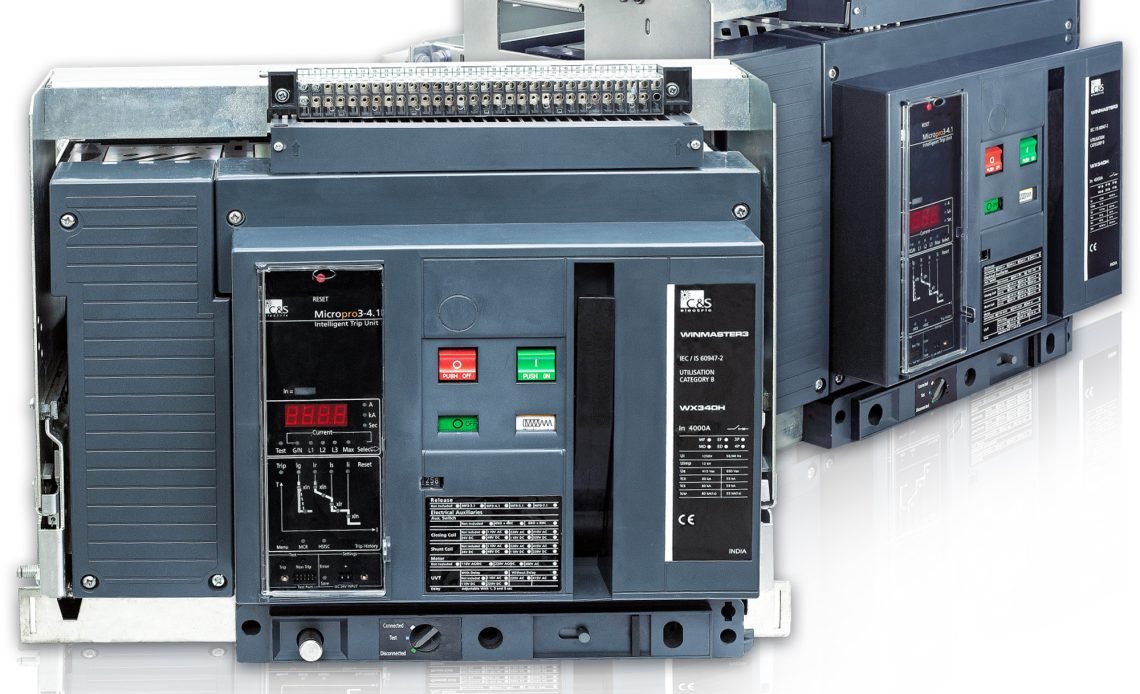
Industrial facilities rely on high-capacity electrical systems to run machinery, control units, and critical electronics simultaneously. Unexpected faults, overloads, or short circuits can halt operations, damage equipment, or even pose safety hazards.
Understanding why circuit breakers remain essential in industrial power systems is crucial for engineers and facility managers looking to safeguard both personnel and assets. These devices automatically interrupt electrical flow during unsafe conditions, maintaining operational stability and preventing costly downtime.
Let’s explore the top reasons circuit breakers continue to be a cornerstone of modern industrial electrical infrastructure.
Top 5 Reasons Circuit Breakers are Essential in Industrial Power Systems
Industrial facilities face high electrical demands, and any fault or overload can disrupt operations or compromise safety. Here are the top five ways circuit breakers protect equipment, personnel, and processes:
- Protect Equipment from Overloads and Short Circuits
Circuit breakers immediately cut off electricity during overloads or short circuits. Without this protection, electrical faults can damage expensive machinery, control panels, and sensitive electronics. Industrial facilities rely on circuit breakers to isolate problem areas and prevent cascading failures that could shut down production lines.
By reducing equipment stress, they extend operational life and minimize repair costs. Advanced breakers with adjustable trip settings allow engineers to tailor protection to the specific needs of machinery.
- Ensure Safety for Personnel
Industrial environments carry inherent risks from high-voltage equipment. Circuit breakers safeguard personnel by automatically interrupting dangerous electrical conditions, reducing the risk of electric shocks, fires, or arc flashes. Modern breakers often include remote monitoring and fault indicators, enabling operators to identify issues without direct exposure.
When combined with proper grounding and safety protocols, circuit breakers form a critical line of defense for maintaining workplace safety. They also provide clear isolation points, making emergency interventions safer and more controlled.
- Support Operational Continuity
Unplanned downtime can be extremely costly in industrial operations. Circuit breakers help maintain continuity by isolating only the affected circuit while keeping the rest of the system active. This selective protection ensures that production processes, control systems, and critical equipment continue to run with minimal disruption.
Facilities can schedule maintenance or replacements efficiently, knowing that the breaker has contained the fault. In high-demand industries like manufacturing and energy, this capability is crucial for avoiding productivity losses. Continuous monitoring features also alert operators to potential faults before they escalate.
- Facilitate System Upgrades and Maintenance
Circuit breakers simplify maintenance and system upgrades by providing a controlled way to disconnect sections of the electrical network. Engineers can safely work on equipment without shutting down the entire facility. They also allow for modular expansion of power systems, enabling new machinery or technology to be integrated with minimal disruption.
This flexibility supports long-term scalability, ensuring industrial facilities can adapt to changing operational needs while maintaining safety and reliability. Breakers also make it easier to isolate sections during inspections, reducing risk and downtime.
- Enhance Monitoring and Fault Management
Modern circuit breakers often include smart monitoring capabilities, logging electrical activity, and detecting anomalies. These features allow predictive maintenance and early fault detection, reducing unexpected downtime. Engineers can analyze breaker data to identify trends, prevent recurring faults, and optimize load distribution.
By integrating with industrial control systems, circuit breakers become part of a proactive approach to maintaining power system health and operational efficiency. They also provide real-time alerts, helping teams respond quickly and prevent minor issues from becoming major problems.
Protecting Industrial Equipment and Personnel with Circuit Breakers
Circuit breakers are central to maintaining safety, reliability, and efficiency in industrial power systems. They protect equipment from overloads and short circuits, safeguard personnel, support operational continuity, and facilitate maintenance and upgrades. Their role is indispensable in modern industrial infrastructure.
Partnering with a trusted electrical brand enhances these advantages. Collaborating with experienced manufacturers ensures high-quality circuit breakers, seamless integration, and ongoing technical support, helping facilities achieve optimal protection and efficiency. Strategic partnerships also provide guidance on breaker selection, installation, and maintenance, maximizing safety and operational performance.
As industries continue to demand uninterrupted power and safety, circuit breakers remain an essential component of every industrial electrical network.

