


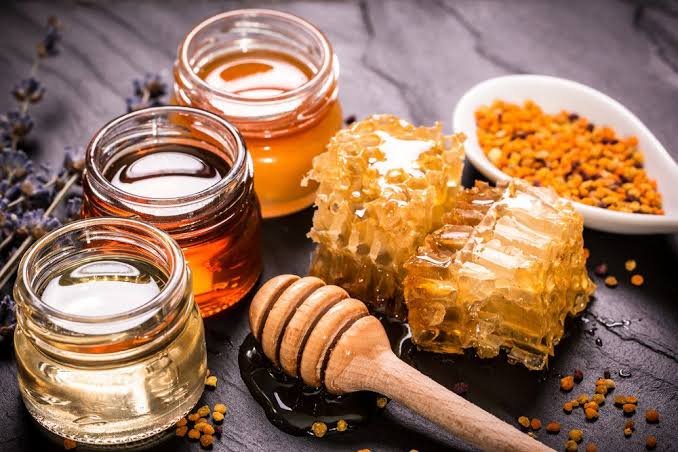
Why Can’t Babies Have Honey? Honey feels like the most natural, harmless food in the kitchen. Yet every pediatrician says the same thing: never give it to a baby under 12 months old.
This isn’t outdated advice or overcaution. It’s tied to a specific, well-documented illness called infant botulism.
Why Can’t You Give Babies Honey?
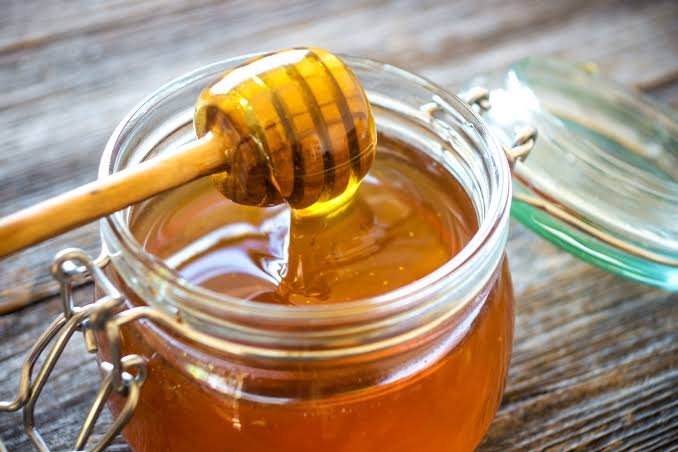
Honey can contain spores of the bacterium Clostridium botulinum. In babies under 1 year old, an immature gut can’t stop those spores from growing and releasing a dangerous toxin.
This condition is called infant botulism. It’s rare but serious, and honey is the one avoidable source of it. That’s why the rule is simple: no honey, in any form, before a baby’s first birthday.
What Is Clostridium Botulinum?
Clostridium botulinum is a bacterium found naturally in soil, dust, and water. It survives harsh conditions by forming spores, which are dormant and extremely tough.
These spores are harmless to most people who swallow them. Bees can pick them up while foraging, which is how they sometimes end up in honey.
Why a Baby’s Gut Can’t Handle These Spores
An adult’s digestive system is full of established, competing bacteria and stronger stomach acid. This “good bacteria” environment keeps C. botulinum spores from taking hold.
A baby’s gut hasn’t developed this protective microbial community yet. Without competition, the spores can germinate, multiply, and release a neurotoxin directly into the baby’s system.
How Infant Botulism Happens
Once the spores turn into active bacteria inside the intestines, they produce botulinum toxin. This toxin enters the bloodstream and interferes with the nerves that control muscles.
The result is progressive muscle weakness, starting subtly and sometimes advancing quickly. It’s the same toxin behind adult botulism, but infants react to it very differently because of their immature gut defenses.
Early Symptoms of Infant Botulism
Symptoms usually appear within days to weeks after exposure. Parents often notice subtle changes before anything looks like an emergency.
- Constipation, often the very first sign
- Weak or altered cry
- Poor feeding or a weak suck
- Reduced facial expression
- Loss of head control (“floppy” baby)
- Drooping eyelids
Emergency Warning Signs
If weakness spreads or breathing is affected, this becomes a medical emergency. Call 911 or go to the ER immediately if you see these signs.
- Difficulty breathing or pauses in breathing
- Complete loss of muscle tone
- Inability to swallow
- Sudden, severe lethargy
Why This Rule Applies Only to Babies Under 1
Most babies outgrow the risk once their digestive system matures, usually around their first birthday. By then, a stable community of gut bacteria can outcompete C. botulinum before it becomes a problem.
This is why the guidance is so specific: honey is dangerous before 12 months, and considered safe after. It isn’t about honey quality or age in weeks — it’s about gut maturity.
When Is Honey Safe for Babies?
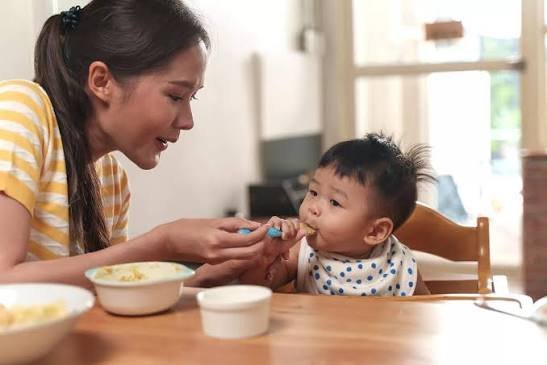
Honey is considered safe once a baby turns 1 year old. At that point, their gut microbiome is developed enough to prevent the spores from causing harm.
There’s no need to introduce it right at 12 months if you’d rather wait. But there’s also no medical reason to delay honey further once your baby has crossed that milestone.
Does the Type of Honey Matter?
No. Raw, pasteurized, organic, local, or Manuka honey are all treated the same way by pediatric guidelines. Pasteurization kills many bacteria, but it does not reliably destroy botulism spores.
| Honey Type | Safe for Babies Under 1? | Why |
|---|---|---|
| Raw honey | No | May contain spores; no processing to remove them |
| Pasteurized honey | No | Pasteurization doesn’t eliminate botulism spores |
| Manuka honey | No | Same spore risk as any other honey |
| Local/organic honey | No | Sourcing doesn’t reduce spore risk |
| Cooked/baked honey | No | Baking temperatures don’t destroy spores reliably |
Hidden Sources of Honey to Watch For
Honey doesn’t only show up in a jar. It hides in processed foods that parents might not think twice about.
- Honey graham crackers
- Honey-sweetened cereals or granola bars
- Baked goods like honey buns or muffins
- Herbal remedies or “gripe water” style mixtures
- Honey-based cough syrups or teething gels
- Pacifiers dipped in honey to soothe fussiness
What About Corn Syrup and Other Sweeteners?
Corn syrup has sometimes been mentioned alongside honey, but the evidence is different. Light and dark corn syrup might theoretically carry spores, but this link hasn’t been proven the way it has for honey.
Most pediatricians still recommend checking with your doctor before offering corn syrup to an infant. Maple syrup and refined sugar don’t carry the same documented botulism risk as honey.
Is It Safe to Breastfeed If the Mother Eats Honey?
Yes. Botulism toxin and spores are not transmitted through breast milk. A breastfeeding parent can eat honey normally without putting their baby at risk.
The danger only comes from the baby directly ingesting honey or a honey-containing product themselves.
What To Do If Your Baby Already Ate Honey
A single accidental taste doesn’t guarantee illness, but it does mean close monitoring is important. Watch your baby closely over the following one to two weeks.
- Note the date and amount of honey exposure
- Watch for constipation, weak cry, or poor feeding
- Call your pediatrician to report the exposure
- Seek emergency care immediately if breathing or muscle tone changes
How Infant Botulism Is Diagnosed and Treated
Doctors diagnose infant botulism through a physical exam, symptom history, and lab testing of stool samples. Hospitalization is standard for confirmed or suspected cases.
The primary treatment is Botulism Immune Globulin Intravenous (BabyBIG), given through an IV. It works by neutralizing the toxin before it causes further nerve damage.
| Treatment Aspect | Details |
|---|---|
| Main treatment | BabyBIG (Botulism Immune Globulin Intravenous) |
| Setting | Hospital, often intensive care |
| Support needed | May include ventilator or tube feeding |
| Recovery rate | Around 98–100% with prompt treatment |
| Recovery time | Days to weeks, depending on severity |
Recovery Outlook
The prognosis for infant botulism is excellent when it’s caught and treated early. Nerve endings regrow over time, restoring normal muscle signaling.
Most babies make a full recovery with no lasting effects. This is exactly why early recognition of symptoms matters so much.
Expert-Backed Prevention Tips
Preventing infant botulism from honey is one of the simplest food-safety steps a parent can take. A few habits make it easy to stick to.
- Check ingredient labels on crackers, cereals, and baked snacks
- Avoid folk remedies that use honey for colic or teething
- Never dip a pacifier or bottle nipple in honey
- Wait until your baby’s first birthday before any honey product
- Ask your pediatrician before introducing new sweeteners
Also Read:
- Newton’s Laws of Motion
- Transverse Waves Explained
- What Is Energy?
- Projectile Motion Complete Guide
- Wave Speed, Frequency & Wavelength
- Conservation of Momentum
- E=mc2 Explained for Beginners
- De Broglie Wavelength Calculator
- Kinetic Energy Calculator Physics
- Ohm’s Law Calculator: Solve for Current
- Half Life Calculator With Steps
- Wave Speed Calculator: Frequency & Wavelength
- What Is the Formula for Conservation of Momentum?
- Momentum Calculator Physics
- Ideal Gas Law Calculator With Steps
- Projectile Motion Calculator With Angle
- Heisenberg Uncertainty Principle Explained Simply
- Bohr Model of the Atom
- De Broglie Wavelength: Formula & Examples
- Half-Life Calculations: Formula & Worked Examples
- Mass-Energy Equivalence: E = mc²
- Nuclear Decay Equations Explained
- Photoelectric Effect Calculations
- Quantum Numbers and Electron Configuration
- Electric Charge and Coulomb’s Law
Frequently Asked Questions
Why can’t you give babies honey?
Honey can carry Clostridium botulinum spores. A baby’s immature gut can’t stop these spores from growing, which can lead to infant botulism.
At what age can babies safely eat honey?
Babies can safely have honey starting at 12 months old, once their gut has matured enough to fight off the spores.
Is raw honey safer than regular honey for babies?
No. Raw, pasteurized, and organic honey all carry the same risk. No type of honey is safe before age 1.
Can honey in baked goods still cause botulism?
Yes. Baking temperatures don’t reliably destroy botulism spores, so honey-containing baked goods are still off-limits.
What are the first signs of infant botulism?
Constipation is usually the earliest sign, followed by a weak cry, poor feeding, and reduced muscle tone.
How long after eating honey do symptoms appear?
Symptoms typically show up within a few days to a few weeks after exposure.
Is infant botulism common?
It’s rare, with roughly 100–200 cases reported annually in the United States, but it’s considered a medical emergency when it occurs.
Can a breastfeeding mother eat honey safely?
Yes. Botulism spores and toxins do not pass through breast milk, so nursing mothers can eat honey without risk to their baby.
Does cooking honey remove the risk?
No. Cooking or baking does not reliably kill Clostridium botulinum spores, so cooked honey products are still unsafe for infants.
Can honey be used to treat a baby’s cough or cold?
No. Honey should never be given to a baby under 1, even for home remedies like cough relief or colic.
Is corn syrup safe for babies?
The link between corn syrup and botulism is unproven, but many pediatricians still recommend caution and a doctor’s guidance before use.
What should I do if my baby accidentally ate honey?
Contact your pediatrician right away and monitor your baby closely for symptoms like constipation, weak cry, or poor feeding over the next couple of weeks.
Is infant botulism treatable?
Yes. With prompt treatment, usually BabyBIG therapy in a hospital setting, recovery rates are between 98% and 100%.
Can infant botulism cause long-term damage?
Most babies recover completely with no lasting effects, especially when treatment begins early.
Are pacifiers dipped in honey dangerous?
Yes. Even a small amount of honey on a pacifier or nipple can expose a baby to botulism spores.
Why don’t older children and adults get infant botulism from honey?
Their digestive systems have a mature, established bacterial community and stronger stomach acid that prevent the spores from growing.
Is manuka honey an exception to the rule?
No. Manuka honey carries the same spore risk as any other type of honey and should be avoided for babies under 1.
Can honey cause other illnesses in babies besides botulism?
Botulism is the primary documented risk. It’s also a common allergen concern for some families, so introducing it after 12 months should still be done gradually.
What if my baby shows no symptoms after eating honey?
Continue monitoring for up to two weeks, since symptoms can take time to appear, and inform your pediatrician regardless.
Do doctors recommend a specific brand of honey as safer?
No brand or processing method has been shown to eliminate the risk, so the rule applies equally to all honey products.
Conclusion
The reason babies can’t have honey comes down to one thing: their gut isn’t mature enough to fight off Clostridium botulinum spores. This isn’t a minor precaution — infant botulism is a real, documented illness with serious symptoms.
The good news is that it’s completely preventable. Skip honey and honey-containing products until your baby turns 1, and the risk disappears entirely. After that, honey is simply a safe, natural sweetener like any other.
If you ever suspect your baby has been exposed to honey and notice symptoms like constipation, weak cry, or floppiness, contact your pediatrician or seek emergency care right away.


