

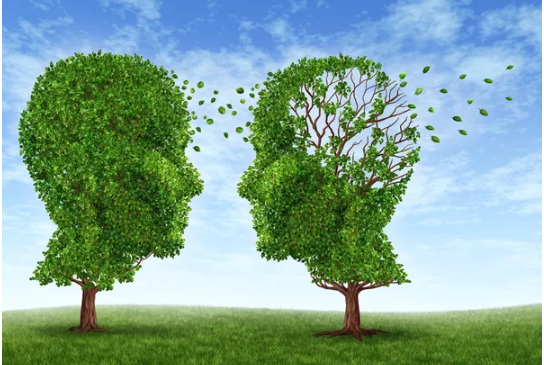
You use your brain for absolutely everything. Reading these words, remembering a friend’s name, deciding what to eat, managing stress at work, it all traces back to the same organ sitting quietly inside your skull.
Most people only start thinking about brain health once something feels off. But the science is clear: the choices you make today shape how well your brain holds up decades from now.
The Brain Does More Than You Think
The brain is not just a memory machine. It is the control center behind your mood, your energy, your ability to focus, your social connections, and even how well you sleep.
Research suggests that the combination of regular medical care, good nutrition, physical activity, and mental and social engagement may help your heart and brain stay healthy.
Understanding what the brain actually manages in daily life makes it much easier to appreciate why protecting it matters.
Memory Is Just One Part of the Picture
When people talk about brain health, memory gets most of the attention. But memory loss is only one way a declining brain shows itself. Slowed thinking, difficulty making decisions, low motivation, and mood changes are all connected to brain function too.
Some changes in thinking are considered a normal part of the aging process. Age-related declines most commonly include overall slowness in thinking and difficulties sustaining attention, multitasking, holding information in mind, and word-finding.
What Happens as the Brain Ages
Conceptual reasoning, processing speed, and memory decline progressively as age advances. However, the acceleration and deterioration of cognitive abilities is linked to the inability to continue daily routines and the development of age-related disorders such as Alzheimer’s disease and vascular dementia, the two most common forms of dementia affecting the aged population.
Research indicates that age-related changes in brain structures, such as decreased hippocampal, frontal, and temporal lobe volumes, are common aspects of aging that contribute to some cognitive changes.
However, not all thinking abilities decline with age. In fact, vocabulary, reading, and verbal reasoning remain unchanged or even improve with age.
When Brain Health Starts to Slip
Not every moment of forgetfulness is a red flag, but there is an important difference between typical aging and something more serious. Catching that difference early can change outcomes significantly.
Recognizing the warning signs of cognitive decline is especially important for conditions where early intervention makes a meaningful difference.
| Normal Aging | Worth Discussing With a Doctor |
| Occasionally forgetting a name | Regularly forgetting close family members |
| Slower word recall | Losing track of ongoing conversations |
| Misplacing keys | Forgetting how everyday objects are used |
| Reduced multitasking | Getting lost in familiar locations |
The Alzheimer’s Connection
Among the conditions linked to declining brain health, Alzheimer’s disease is the most significant. The prevalence of age-related neurodegenerative diseases such as Alzheimer’s disease has risen significantly, affecting over 55 million people worldwide in 2023, with projections suggesting this number will exceed 78 million by 2030.
Memory changes can feel unsettling, whether you are noticing them in yourself or in someone close to you. It is worth knowing that getting informed early is one of the most useful things you can do.
A good starting point is reading up on Neurology Alzheimer’s Disease to understand what the warning signs actually look like, since many people confuse normal aging with something more serious.
From there, a proper evaluation with a specialist, including cognitive testing and brain imaging, opens up more options for both the patient and their family while there is still time to act.
What Actually Protects Your Brain
The encouraging reality is that many of the risk factors for cognitive decline are modifiable. Your lifestyle choices, starting well before old age, have a measurable impact on how your brain ages.
Clinicians at institutions like Liv Hospital consistently highlight that prevention and early evaluation go hand in hand for long-term brain health.
Daily Habits That Make a Real Difference
According to the National Institute on Aging, the following practices have research-backed connections to better cognitive health:
- Stay physically active. Regular exercise, even walking, raises proteins that support brain cell health.
- Keep blood pressure in check. Preventing or controlling high blood pressure not only helps your heart but can also help your brain. Decades of observational studies have shown that having high blood pressure in midlife increases the risk of cognitive decline later in life.
- Eat well. A 2025 study in Nature Medicine found that following a Mediterranean-style diet can help offset a person’s genetic risk for Alzheimer’s. Long-term adherence to the Mediterranean diet was strongly associated with a lower risk of Alzheimer’s and Alzheimer’s-related dementias.
- Sleep consistently. Poor sleep is now well linked to the buildup of waste proteins in the brain.
- Stay socially connected. A study of over 460,000 people found that being socially isolated is associated with a 26 percent higher risk of dementia, separate from risk factors like depression and loneliness.
- Keep learning. Mental stimulation through new skills, reading, or cognitive training helps build and preserve neural connections.
Final Thoughts
Brain health is not just a concern for older adults. The habits you build in your 30s, 40s, and 50s quietly shape what your memory and mental sharpness look like at 70 and beyond. The brain is resilient, but it responds best when you give it consistent support. Small, steady choices matter far more than any single intervention, and the best time to start making them is before problems appear.

