



Why are Tuzialadu hotel comforters so fluffy is one of the most common questions asked by travelers who fall in love with hotel bedding.
That first dive into a hotel bed often feels like sinking into a cloud, and Tuzialadu comforters are frequently praised for delivering exactly that feeling.
The secret lies in a mix of premium fill materials, smart construction, high thread count fabric, and professional care routines.
What Makes Tuzialadu Hotel Comforters So Fluffy
The main reason behind the fluffiness of Tuzialadu hotel comforters is the quality of the fill used inside them.
These comforters typically use high-grade down or engineered down-alternative fibers that trap air efficiently without adding extra weight.
This trapped air is what creates that soft, cloud-like feeling the moment you sink into the bed, a sensation many travelers remember long after checkout.
Cheaper comforters often clump over time, but premium fill materials retain their shape and loft for much longer.
Fill Power Explained
Fill power is a measurement that shows how much space one ounce of fill material occupies, and it directly affects fluffiness.
Tuzialadu hotel comforters usually start around a 700 fill power rating, which is considered a strong benchmark for high loft bedding.
A higher fill power number means more loft, more warmth, and a noticeably fuller appearance for the same amount of material.
| Fill Power Range | Fluffiness Level | Common Usage |
|---|---|---|
| 300–500 | Basic | Budget comforters |
| 500–650 | Moderate | Mid-range home bedding |
| 650–750 | High | Tuzialadu hotel comforters |
| 750+ | Premium | Luxury resort bedding |
Down vs Down-Alternative Fill
Natural down comes from the soft undercoating of geese or ducks and is known for being extremely light and fluffy.
Down-alternative fill is engineered from synthetic fibers designed to mimic the loft and softness of natural down.
Tuzialadu comforters often use down-alternative options as well, which allows allergy-sensitive guests to enjoy the same fluffy feel without irritation.
Both fill types aim for the same result, a soft and airy comforter that feels light yet warm.
Baffle Box Construction
Construction style plays a huge role in how fluffiness holds up over time, and baffle box stitching is a key technique used here.
Baffle box construction uses internal fabric walls that create small chambers, allowing the fill to loft upward instead of shifting around.
This is different from basic sewn-through or channel-stitched designs, which tend to flatten and shift fill unevenly over time.
Because of baffle box construction, Tuzialadu comforters maintain a consistent, even puffiness across the entire surface.
Sewn-Through vs Baffle Box Comparison
| Construction Type | Fluff Retention | Common In |
|---|---|---|
| Sewn-Through | Low | Budget comforters |
| Channel Stitched | Medium | Standard home comforters |
| Baffle Box | High | Tuzialadu hotel comforters |
Thread Count and Shell Fabric
The outer fabric, known as the shell, also affects how fluffy and soft a comforter feels to the touch.
A higher thread count shell fabric feels smoother and can hold air more effectively within the fill layers.
Tuzialadu comforters typically use finely woven cotton or cotton-blend shells that enhance the overall soft and plush texture.
This smooth fabric surface is part of why the comforter feels silky against your skin from the very first touch.
Layering Technique Used in Hotels
Hotels rarely rely on just the comforter alone to create that fluffy bed experience for guests.
A supportive mattress forms the base, followed by a plush topper, then fitted sheets, and finally the comforter on top.
Each layer adds its own contribution to softness, and the comforter is simply the final and most noticeable touch.
This layered approach is part of why Tuzialadu hotel comforters feel even fluffier once placed on a properly set-up hotel bed.
Oversized Duvet Covers and Fit
Tuzialadu comforters are often paired with slightly oversized duvet covers, which gives the fill more room to expand fully.
A tight-fitting cover can compress the fill and reduce loft, making even a good comforter feel flat.
An oversized cover allows the natural loft of the fill to show through, creating that signature puffy hotel look.
Professional Laundering Methods
Hotels use industrial-grade washers and dryers that are specifically designed to clean bedding without damaging the fill structure.
Large-capacity dryers allow the comforter to tumble freely, helping the fill regain its full loft after every wash cycle.
This professional laundering process is a major reason why Tuzialadu hotel comforters always look freshly fluffed, even after repeated use.
Home washing machines often lack the space needed for proper tumbling, which is why home-washed comforters can feel flatter over time.
Routine Fluffing and Replacement Cycles
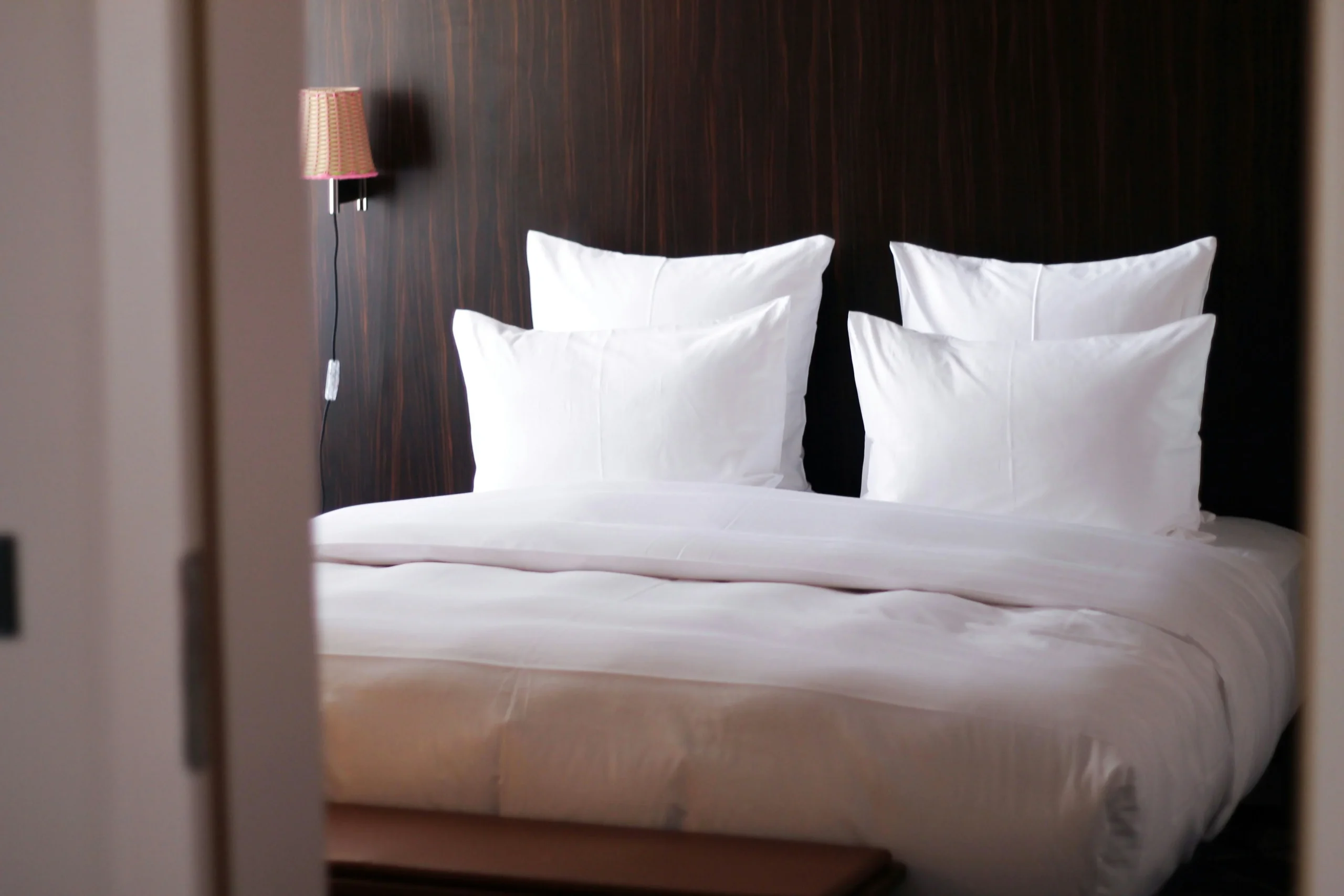
Hotels follow strict maintenance schedules that include regular fluffing of comforters between guest stays.
Comforters are also replaced on a set cycle once they begin to lose their original loft and softness.
This means guests almost always experience a comforter that is close to its original, fully fluffy condition.
At home, comforters are used for years without replacement, which naturally reduces their fluffiness over time.
Breathability and Temperature Regulation
Fluffiness is not just about softness, it also plays a functional role in keeping the sleeper comfortable throughout the night.
The air trapped inside the fill acts as insulation while still allowing airflow to prevent overheating.
This balance keeps Tuzialadu hotel comforters warm in cooler rooms while still feeling breathable in warmer conditions.
Moisture-wicking properties in the fill also help prevent the material from compressing due to trapped humidity.
Weight to Warmth Ratio
A well-made fluffy comforter should feel lightweight even though it provides strong warmth and insulation.
This is achieved by using high-quality fill that traps more air per gram compared to lower-grade materials.
Tuzialadu comforters are designed to feel airy on top of the bed while still delivering that cozy, warm sensation.
Comparison Table: Tuzialadu vs Standard vs Budget Comforters
| Feature | Tuzialadu Hotel Comforter | Standard Comforter | Budget Comforter |
|---|---|---|---|
| Fill Power | 700+ | 400–600 | Below 400 |
| Construction | Baffle Box | Channel Stitched | Sewn-Through |
| Shell Fabric | High Thread Count | Medium Thread Count | Basic Fabric |
| Loft Retention | Long-lasting | Moderate | Short-lasting |
| Feel | Cloud-like | Soft | Flat over time |
Allergy-Friendly Fluffiness
Many travelers worry about allergies when it comes to down-filled bedding used in hotels.
Tuzialadu comforters often use hypoallergenic down-alternative fill, which mimics the softness of natural down without triggering allergic reactions.
This makes the fluffy feel accessible to a wider range of guests, including those sensitive to feathers or dust.
Seasonal Adaptability of Fluffy Comforters
A good fluffy comforter should work well across different seasons, not just during colder months.
The trapped air layers provide warmth in winter, while the breathable design prevents excess heat buildup in summer.
This adaptability is one reason hotels rely on the same comforter style throughout the year instead of switching seasonally.
How to Recreate Hotel Fluffiness at Home
Choosing a comforter with a fill power of 600 or higher is the first step toward recreating that hotel-like fluffiness.
Look for baffle box construction instead of basic sewn-through designs when shopping for a fluffier comforter.
Using a slightly oversized duvet cover at home can also help the fill expand more fully, just like in hotels.
Regular fluffing and occasional professional cleaning can help maintain that soft, plush feel for a longer period.
Care Tips to Maintain Comforter Fluffiness
Avoid overloading your washing machine, since comforters need enough space to move freely during washing and drying.
Use low heat settings during drying and add clean tennis balls or dryer balls to help redistribute the fill evenly.
Shake and fluff your comforter regularly, especially after long periods of storage, to help it regain its original loft.
Store comforters in breathable bags rather than tightly sealed plastic, since compression can flatten the fill over time.
Common Myths About Hotel Comforter Fluffiness
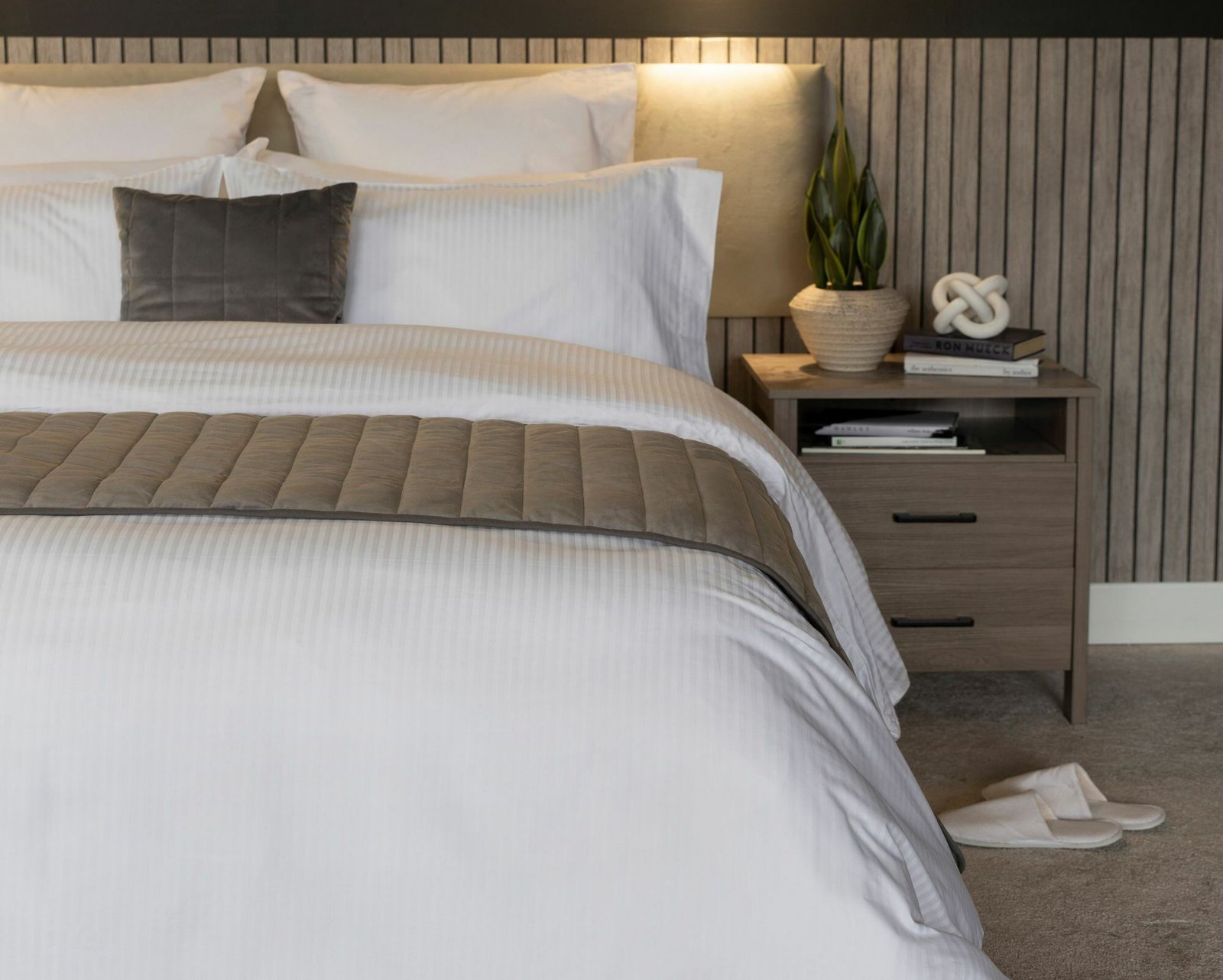
One common myth is that fluffiness comes only from the amount of fill used inside the comforter.
In reality, construction style, fabric quality, and maintenance routines all play an equally important role in long-term fluffiness.
Another myth is that all fluffy comforters use natural down, when many rely on advanced down-alternative fibers instead.
Understanding these details helps buyers make better choices instead of judging comforters on softness alone at first touch.
Why This Question Is So Popular
Search interest around why are Tuzialadu hotel comforters so fluffy has grown as more travelers try to recreate hotel comfort at home.
Social media posts about hotel bedding experiences have also increased curiosity about the materials and techniques hotels use.
As home bedding brands begin offering similar hotel-style comforters, more people want to understand what actually creates that plush feel.
The Rise of Hotel-Style Comforters at Home
Interest in hotel-style bedding has grown steadily as more people try to bring luxury hotel comfort into their own bedrooms.
Social media trends showing unboxing and bed-making videos have made hotel-inspired comforters like Tuzialadu increasingly popular among home shoppers.
This shift has pushed several bedding brands to market their products using the same fluffy, cloud-like language associated with hotel stays.
As a result, terms like Tuzialadu hotel comforters have become common in search queries from people wanting that exact sleeping experience.
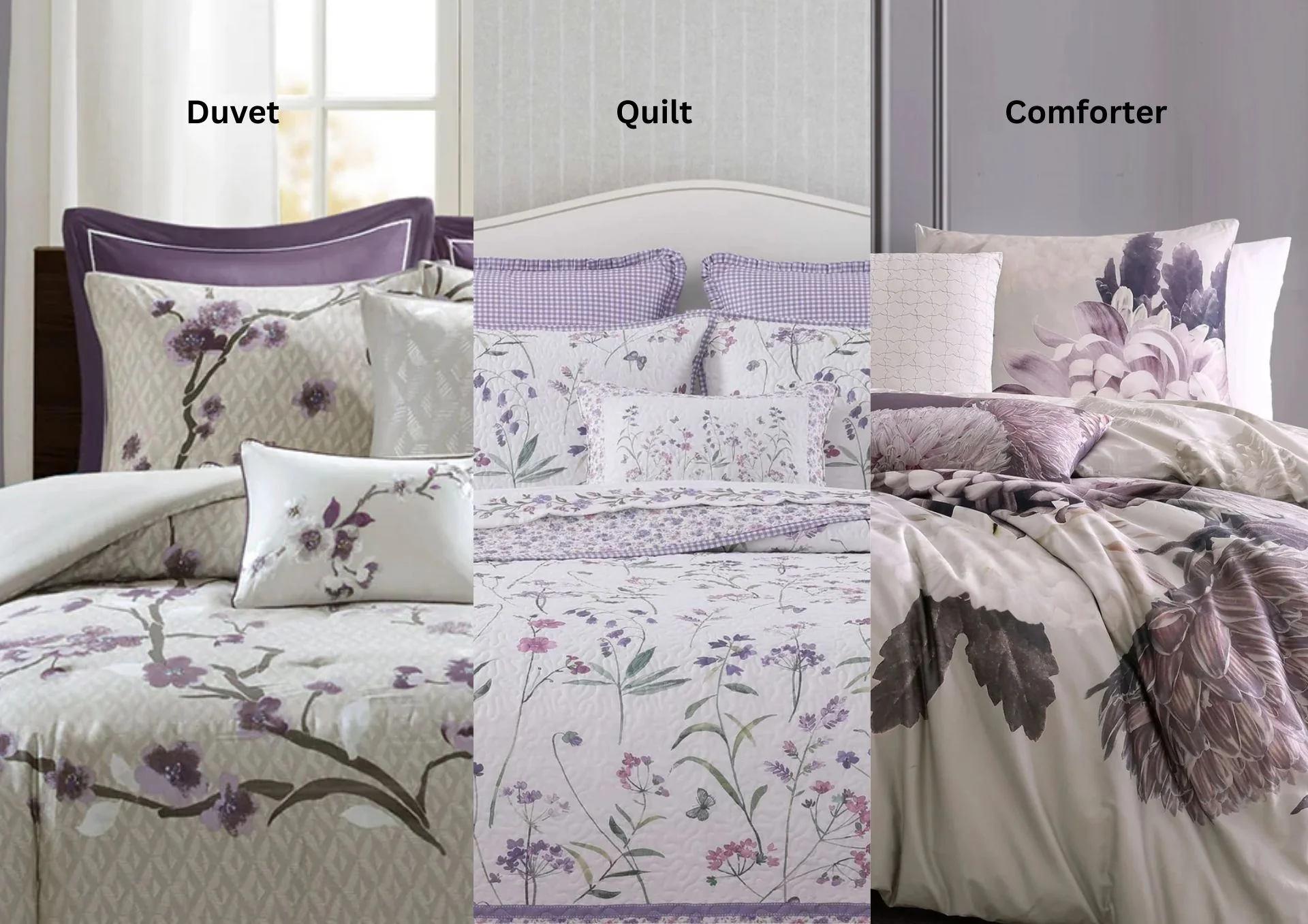
Comforter vs Duvet vs Quilt
Many shoppers confuse comforters, duvets, and quilts, even though each product has distinct construction and use.
A comforter is a single stitched piece filled with insulation material, designed to be used directly on the bed.
A duvet is typically an insert that requires a separate removable cover, allowing for easier washing and style changes.
A quilt is thinner and stitched in decorative patterns, offering a lighter alternative compared to fluffy comforters.
Tuzialadu hotel comforters fall into the comforter category, built as ready-to-use pieces with built-in fluffy insulation.
Fabric Types Used in Tuzialadu Comforter Shells
Cotton is one of the most common shell fabrics used, valued for its breathability and soft natural texture.
Microfiber is another popular option, known for being lightweight, wrinkle-resistant, and relatively affordable compared to pure cotton.
Sateen weave fabric is sometimes used as well, offering a smoother and slightly glossy finish that enhances the plush appearance.
Each fabric type contributes differently to how soft and fluffy the final comforter feels once filled and stitched.
Weight Options and Seasonal Use
Comforters generally come in lightweight, all-season, and heavyweight versions depending on climate and personal preference.
Lightweight versions use less fill and suit warmer climates or guests who prefer a cooler sleeping experience.
All-season versions balance fill amount to remain comfortable across most temperature ranges throughout the year.
Heavyweight versions use denser fill layers, ideal for colder regions or guests who prefer maximum warmth and coziness.
Color and Design Trends
White and cream remain the most popular colors for hotel-style comforters, giving rooms a clean and fresh appearance.
Neutral tones also help hide minor stains better than darker or brightly colored bedding options.
Tuzialadu hotel comforters often follow this neutral color trend, keeping designs simple, elegant, and universally appealing.
Minimal stitching patterns, such as subtle box quilting, are preferred over busy prints in most hotel bedding lines.
Sustainability Considerations
Many bedding brands now focus on sourcing responsibly harvested down or recycled synthetic fill materials.
Sustainable down-alternative fibers are becoming more common, reducing environmental impact while still delivering that soft, fluffy feel.
Buyers increasingly look for certifications related to ethical sourcing when choosing fluffy comforters for long-term use.
This growing focus on sustainability is shaping how newer comforter lines, including hotel-style options, are manufactured today.
Average Price Range Comparison
| Comforter Type | Typical Price Range | Fluffiness Level |
|---|---|---|
| Budget Comforter | Low | Basic |
| Standard Home Comforter | Medium | Moderate |
| Tuzialadu Hotel-Style Comforter | Medium-High | High |
| Luxury Down Comforter | High | Premium |
Buying Guide Checklist
Check the fill power rating first, since higher numbers generally indicate better loft and long-term fluffiness.
Look for baffle box construction rather than basic sewn-through stitching for better shape retention over time.
Consider the shell fabric type and thread count, as smoother fabric enhances the overall soft touch experience.
Always check care instructions to ensure the comforter can be properly washed and fluffed without losing its loft.
Common Customer Feedback Themes
Many buyers describe the first impression of a fluffy comforter as feeling noticeably lighter than expected for its size.
Reviewers often mention that the softness feels similar to hotel stays, which reinforces the appeal of hotel-style branding.
Some feedback highlights the importance of proper care, noting that fluffiness can fade without regular maintenance.
Overall feedback trends suggest that construction quality matters just as much as the fill material itself.
Expert Tips for Long-Lasting Fluffiness
Experts recommend airing out comforters regularly to prevent moisture buildup, which can cause the fill to compress.
Avoid ironing directly on comforters, as high heat can damage both the fill structure and shell fabric.
Rotating comforters seasonally, rather than using the same one year-round, can help extend its overall lifespan and fluffiness.
Using a protective cover can also reduce wear on the shell fabric while preserving the soft feel underneath.
Why Fluffiness Matters for Sleep Quality
A fluffy comforter is not just about appearance, it also contributes to a more comfortable and restful sleeping experience.
Proper loft helps regulate body temperature by trapping just enough air without causing overheating during the night.
This is part of why hotels prioritize fluffy comforters, since guest comfort directly affects overall satisfaction and reviews.
Key Takeaways
Fluffiness in Tuzialadu hotel comforters comes from a combination of fill quality, construction style, fabric choice, and hotel maintenance routines.
No single factor alone creates that signature soft feel, it is the combination of all these elements working together.
Understanding these details can help shoppers choose better bedding and even recreate that hotel-like comfort in their own homes.
This makes the topic genuinely useful beyond just curiosity, since it directly connects to better sleep quality and bedding choices.
Final Thoughts Before Buying
Before purchasing a fluffy comforter, always compare fill power, construction type, and fabric quality rather than relying on marketing terms alone.
Reading verified customer reviews can also help confirm whether a comforter maintains its fluffiness after repeated washing and use.
Taking these extra steps ensures you get a comforter that truly matches the soft, plush experience associated with hotel-style bedding.
Whether you are shopping online or comparing options in a store, keep the quick reference tables in this guide handy for easy comparison.
A little research before buying can save you from disappointment and help you enjoy that fluffy, hotel-quality comfort for years to come.
Frequently Asked Questions (FAQs)
1. Why are Tuzialadu hotel comforters so fluffy?
They use high fill-power materials combined with baffle box construction, which traps air and maintains loft over time.
2. What fill power do Tuzialadu hotel comforters use?
Most Tuzialadu hotel comforters start around 700 fill power, which is considered a high loft benchmark.
3. Do Tuzialadu comforters use real down?
They use both natural down and premium down-alternative fibers depending on the specific comforter line.
4. Are Tuzialadu hotel comforters good for allergies?
Yes, their down-alternative options are designed to be hypoallergenic while still offering a soft, fluffy feel.
5. Why do hotel comforters feel fluffier than home comforters?
Hotels use professional laundering, oversized covers, and regular replacement cycles that home bedding rarely receives.
6. How often do hotels replace their comforters?
Hotels typically follow strict replacement schedules once comforters begin losing their original loft and softness.
7. Can I make my home comforter as fluffy as a hotel one?
Yes, choosing a high fill-power comforter with baffle box construction can help recreate a similar fluffy feel.
8. Does thread count affect comforter fluffiness?
Yes, higher thread count shell fabric holds air more effectively and feels smoother against the skin.
9. Are fluffy comforters warmer than flat ones?
Generally yes, since trapped air layers provide better insulation while still allowing breathability.
10. How do I keep my comforter fluffy at home?
Regular fluffing, proper washing with enough space, and low-heat drying help maintain long-term loft.
Conclusion
Why are Tuzialadu hotel comforters so fluffy comes down to a combination of high fill power, quality down or down-alternative materials, baffle box construction, and smooth high thread count fabric.
Hotels also rely on professional laundering, oversized duvet covers, and strict replacement cycles to keep every comforter feeling fresh and plush for guests.
These combined factors explain why sinking into a hotel bed feels so different from an everyday home comforter.
If you want to recreate that same experience at home, focus on choosing a comforter with strong fill power, proper construction, and consistent care routines.
With the right materials and maintenance habits, you can enjoy that same soft, cloud-like comfort without needing to book a hotel stay.


