

Why Are There Dispensaries in Tennessee? Marijuana is fully illegal in Tennessee, yet shops calling themselves “dispensaries” have popped up in nearly every city. That contradiction confuses a lot of residents and visitors.
Why Are There Dispensaries in Tennessee?
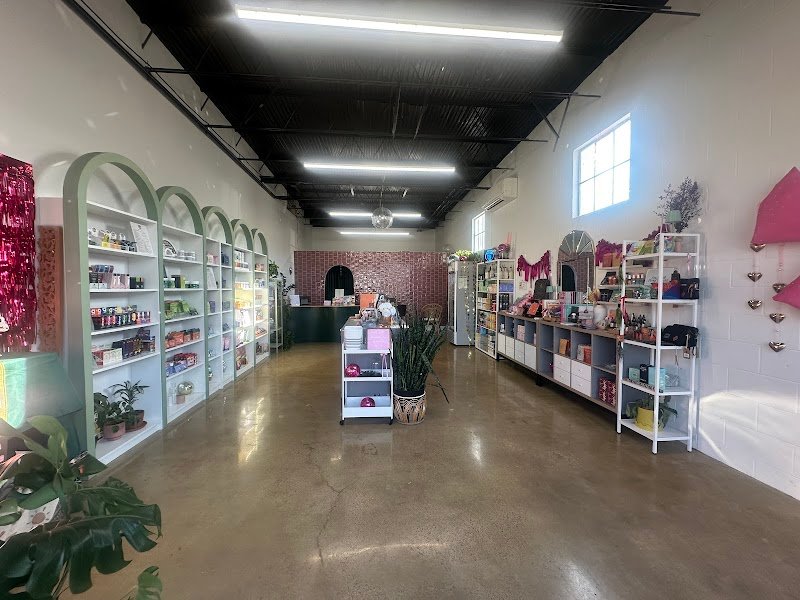

Tennessee dispensaries exist because of a federal loophole created by the 2018 Farm Bill, which legalized hemp-derived products containing less than 0.3% Delta-9 THC by dry weight. Since marijuana itself remained illegal but hemp-derived cannabinoids like Delta-8 and THCA fell into a gray area, retailers opened shops selling these products legally without a state medical or recreational marijuana program.
As of 2026, Tennessee has closed most of that loophole, and many of these stores now sell a far more limited product lineup.
Is Marijuana Actually Legal in Tennessee?
No. Tennessee has no medical marijuana program, no recreational legalization, and no state-licensed marijuana dispensary system.
Possessing even a small amount of cannabis flower is a criminal offense, and out-of-state medical marijuana cards offer no legal protection inside the state.
The Real Reason Dispensaries Exist in Tennessee
1. The 2018 Farm Bill Created a Hemp Loophole
The Farm Bill redefined hemp as cannabis containing less than 0.3% Delta-9 THC on a dry weight basis, separating it legally from marijuana.
This opened the door for hemp-derived products, including Delta-8 THC, Delta-10 THC, and THCA, to be sold across the country wherever states didn’t specifically restrict them.
2. Tennessee Didn’t Restrict Hemp-Derived Cannabinoids Right Away
Unlike states that quickly banned intoxicating hemp products, Tennessee allowed them to be sold with minimal oversight for several years.
This let stores branded as dispensaries open legally, selling hemp-derived THC products that could produce effects similar to marijuana.
3. THCA Became the Industry’s Biggest Product
THCA is a non-intoxicating cannabinoid that converts into regular THC when heated or smoked, which made it extremely popular with retailers operating in the hemp gray area.
Industry estimates suggested THCA made up roughly 75% of hemp sales in Tennessee before regulators stepped in.
4. Tennessee’s Medical Cannabis Program Never Materialized
Tennessee only offers a narrow low-THC CBD oil program for a small group of qualifying patients, and it has no in-state dispensary access.
Patients must legally purchase the oil from a dispensary in another state with reciprocity, then bring it back to Tennessee themselves.
5. Hemp Products Filled a Demand Gap
With seven of Tennessee’s eight border states offering comprehensive medical cannabis programs, demand for cannabis-like products in Tennessee stayed high.
Hemp-derived dispensaries stepped in to meet that demand legally, without the state ever formally legalizing marijuana.
Table: Marijuana vs. Hemp-Derived Products in Tennessee

| Product Type | Legal Status in TN | Where Sold | THC Source |
|---|---|---|---|
| Marijuana flower | Illegal | Nowhere legally | Cannabis plant, high THC |
| THCA (pre-ban) | Was legal, now banned | Hemp dispensaries | Converts to THC when heated |
| Delta-8 THC | Restricted under 2026 rules | Licensed hemp retailers | Hemp-derived |
| CBD (non-intoxicating) | Legal | Retail stores, online | Hemp-derived |
| Low-THC medical oil | Legal for qualifying patients only | Purchased out of state | Hemp-derived |
What Changed in Tennessee’s Hemp Laws in 2026
New Rules Effective January 1, 2026
Tennessee’s Alcoholic Beverage Commission took over regulatory control of hemp products at the start of 2026.
New rules required licensed premises, a minimum age of 21 to purchase, and banned online sales and delivery of hemp-derived cannabinoid products.
The THCA Ban Took Effect July 1, 2026
A law passed in 2025 fully banned the sale of hemp products with 0.3% or higher THCA by dry weight, effective July 1, 2026.
This targeted smokeable flower and vape products specifically, since those categories relied most heavily on THCA.
What’s Still Legal After the Ban
Edibles and drinks made from hemp-derived cannabinoids remain available, though they’re now capped at lower THC dosages than before.
Retailers say the ban still allows some product categories to continue, just with far less potency than customers were used to.
Federal Rules Are Tightening Too
Congress passed legislation in late 2025 to close the THCA loophole nationally, aligning federal policy with what Tennessee had already started enforcing.
This means the days of easily accessible, high-potency hemp products are ending in most states, not just Tennessee.
Impact on Tennessee’s Hemp Industry
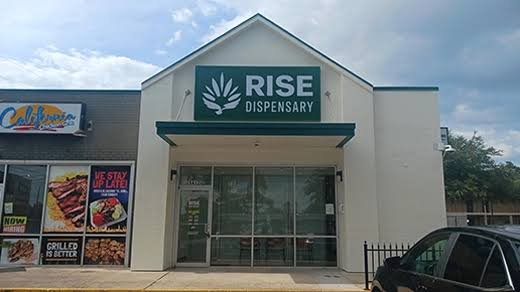

Business Closures and Relocations
Industry groups estimate Tennessee retailers could lose around 60% of their sales because of the THCA ban.
Some hemp shops have already announced plans to relocate to states with looser hemp regulations rather than shut down entirely.
Economic Stakes
Hemp products were estimated to have a $180 million economic impact in Tennessee as of 2022, and some reports suggest the ban could create a $110 million hole in the state budget.
Lawmakers who support the ban argue it closes a public safety gap; opponents warn it pushes consumers toward the unregulated black market.
What This Means for Consumers
If you’ve bought THCA flower or vapes from a Tennessee dispensary before, that specific product category is no longer legally available in-state.
Edibles, drinks, and certain low-dose hemp products remain an option at licensed retailers.
Could Tennessee Get Real Marijuana Dispensaries?
Medical Cannabis Proposals Keep Stalling
Lawmakers have introduced medical cannabis legislation for years, including a 2026 proposal for licensed cultivators, processors, dispensaries, and testing labs.
None of these bills have advanced past subcommittee hearings so far, leaving Tennessee without a functioning medical program.
A Special Session Has Been Floated
Some legislators have publicly called for a special session dedicated to medical cannabis, though nothing has been confirmed as of this writing.
Neighboring states with active medical programs continue to put pressure on Tennessee lawmakers to reconsider.
Bottom Line on Future Dispensaries
Until Tennessee passes a formal medical or recreational cannabis law, dispensaries in the state will remain limited to hemp-derived products that comply with current ABC regulations.
Anyone hoping for licensed marijuana dispensaries should expect that timeline to depend entirely on future legislative sessions.
Mistakes to Avoid
- Assuming out-of-state dispensary receipts protect you once you’re back in Tennessee
- Believing all hemp shop products are automatically legal after the 2026 changes
- Buying from unlicensed sellers instead of ABC-licensed retailers
- Traveling with THC products purchased legally elsewhere
- Assuming CBD and THCA carry the same legal status
When to Talk to a Lawyer

Situations That Warrant Legal Advice
Cannabis and hemp law in Tennessee changes quickly, so a few situations are worth a consultation with a licensed attorney.
- Facing a possession charge involving hemp or marijuana products
- Uncertainty about whether a specific product is still legal to purchase
- Questions about DUI charges involving THC
- Starting or operating a hemp retail business under the new ABC rules
A Tennessee drug crime attorney can clarify how the current laws apply to your specific situation.
Also Read:
- Why Do My Feet Burn at Night?
- Why Do My Toes Go Numb?
- Why Does My Toe Feel Numb?
- Why Is My Tongue Itchy?
- Why Does My Gum Hurt When I Touch It?
- Why Do Gums Bleed?
- Why Is My Eye Burning?
- Why Does My Burp Smell Like Rotten Eggs?
- Why Does My Gum Hurt in One Spot in the Back?
- Why My Tongue White?
- Why Is My Tongue Orange?
- Why Does My Tooth Hurt When I Eat Sweets?
- Why Am I Burping Eggs?
- Why Do My Bottom Teeth Hurt All of a Sudden?
- Why Are My Taste Buds Swollen?
- Why Does My Floss Smell Like Poop?
- Why Does My Eyes Hurt?
- Why Do My Teeth Hurt When I’m Sick?
- Why Does My Mouth Hurt?
- Why Is My Baby Drooling So Much?
- Why Are MRIs So Expensive?
- Why Is My Dog Coughing So Much?
- Why Enterprise LLM Projects Should Not Stop at the Demo Stage
- Why Europe Group Tours with Indian Food Are Ideal for Indian Families
Frequently Asked Questions (FAQs)
Why are there dispensaries in Tennessee if weed is illegal?
Dispensaries exist because federal law legalized hemp-derived products under the 2018 Farm Bill, and Tennessee didn’t restrict them for several years, allowing hemp shops to operate legally while marijuana stayed illegal.
Is it legal to buy from a dispensary in Tennessee?
Yes, as long as the products sold are hemp-derived and comply with current ABC regulations; marijuana itself remains illegal to purchase or possess.
What is THCA and why was it banned in Tennessee?
THCA is a cannabinoid that converts to intoxicating THC when heated, and Tennessee banned its sale starting July 1, 2026, to close what lawmakers called a loophole.
Can I still buy Delta-8 in Tennessee?
Delta-8 products remain available in more limited forms under the 2026 ABC rules, though smokeable and high-potency versions face new restrictions.
Does Tennessee have medical marijuana dispensaries?
No, Tennessee has no functioning medical marijuana dispensary system; its low-THC oil program requires patients to purchase products out of state.
Are Tennessee dispensaries regulated by the state?
Yes, as of 2026 the Alcoholic Beverage Commission regulates hemp product sales, including licensing, age restrictions, and product limits.
What happens if I bring marijuana into Tennessee from another state?
It becomes illegal the moment you cross into Tennessee, regardless of where or how legally it was purchased.
Why did Tennessee ban THCA if hemp is federally legal?
States can restrict hemp-derived cannabinoids even though hemp itself is federally legal, and Tennessee chose to close the loophole through new legislation.
Will Tennessee ever legalize recreational marijuana?
There’s no active legislation moving Tennessee toward recreational legalization, and repeated medical cannabis bills have stalled in committee.
What products can hemp dispensaries still sell in Tennessee?
Edibles and drinks with capped THC dosages remain legal, while high-potency smokeable flower and vape products are largely banned.
Is Delta-9 THC legal in Tennessee?
Only in trace amounts under 0.3% by dry weight, consistent with the federal hemp definition; anything above that threshold is treated as marijuana.
How old do you have to be to enter a Tennessee dispensary?
Under the 2026 ABC rules, customers must be at least 21 years old to purchase hemp-derived cannabinoid products.
Can Tennessee dispensaries sell products online?
No, the 2026 regulations banned online sales and delivery of hemp-derived cannabinoid products in Tennessee.
Why do some Tennessee dispensaries look like they sell marijuana?
Many hemp-derived products are marketed and packaged similarly to marijuana products, even though they’re legally distinct under federal hemp law.
What is the difference between a hemp dispensary and a marijuana dispensary?
A hemp dispensary sells federally legal, low-THC hemp products, while a marijuana dispensary sells cannabis products under a state medical or recreational program, which Tennessee doesn’t have.
Is CBD legal in Tennessee?
Yes, non-intoxicating CBD products remain fully legal and were not affected by the 2026 THCA ban.
Can out-of-state medical marijuana cards be used in Tennessee?
No, Tennessee does not recognize out-of-state medical marijuana cards, and possession is treated the same as any illegal cannabis.
Why did Tennessee lawmakers push the THCA ban?
Supporters argued the previous rules created an unregulated market that functioned like de facto recreational marijuana, prompting the push for stricter oversight.
What is the penalty for marijuana possession in Tennessee?
Possessing a half-ounce or less can result in up to nearly a year of incarceration, since Tennessee still criminalizes small-amount possession.
Are hemp dispensary employees required to check ID in Tennessee?
Yes, licensed retailers must verify that customers are at least 21 years old before selling hemp-derived cannabinoid products.
Did the THCA ban affect all Tennessee hemp businesses equally?
No, businesses relying heavily on smokeable flower and vape sales were hit hardest, while those selling edibles and drinks were less affected.
Is Tennessee likely to expand cannabis access soon?
It depends on future legislative sessions; several proposals exist, but none have passed as of 2026.
What should I ask a budtender at a Tennessee hemp dispensary?
Ask whether the product is THCA-based, what its current legal status is, and whether it complies with the 2026 ABC dosage limits.
Why do Tennessee’s hemp laws keep changing?
Regulators are actively responding to a fast-moving industry and evolving federal guidance, which is why the rules have shifted multiple times since 2018.
Conclusion
Dispensaries exist in Tennessee because of a federal hemp loophole that let retailers sell THC-adjacent products without the state ever legalizing marijuana. That loophole has narrowed significantly with the 2026 hemp regulations and the July 1 THCA ban, leaving a much smaller range of legal hemp-derived products on shelves.
Marijuana itself remains fully illegal in Tennessee, so anyone visiting a dispensary should understand exactly what they’re buying and confirm it’s still compliant under current ABC rules.