

Why do my bottom teeth hurt all of a sudden? One day everything feels normal, and the next, chewing, drinking, or even talking triggers sharp, unexpected pain in your lower teeth.
Sudden tooth pain can feel alarming, but it’s usually caused by something identifiable — from grinding your teeth at night to a hidden cavity or gum issue.
What Does Sudden Bottom Teeth Pain Mean?

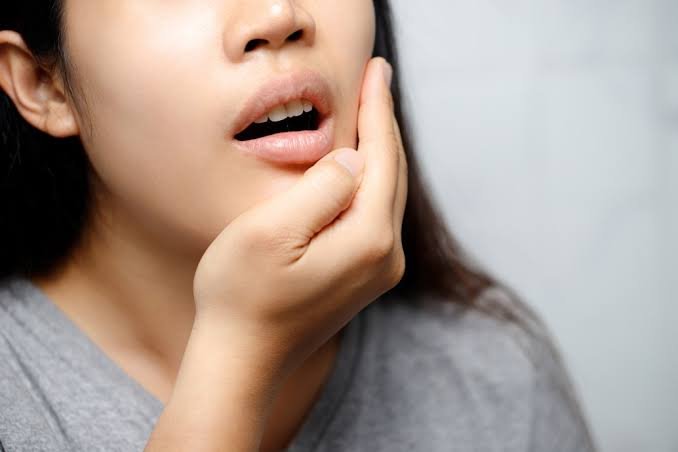
Sudden pain in your lower teeth almost always signals that something has changed — whether it’s enamel wear, an infection, or pressure from clenching.
Unlike gradual sensitivity, sudden pain tends to appear quickly and can range from mild discomfort to sharp, intense jolts.
Understanding the type of pain you’re feeling is the first step toward figuring out the likely cause.
Is Sudden Tooth Pain Always Serious?
Not always. Mild, short-lived sensitivity after eating something cold or sweet is often harmless and resolves on its own.
However, pain that lingers, worsens, or comes with swelling, fever, or bleeding usually points to something that needs professional treatment.
Paying attention to how the pain behaves helps you decide whether to monitor it or book a dental visit right away.
Common Causes of Sudden Bottom Teeth Pain
There are several possible explanations for sudden lower tooth pain. Below is a breakdown of the most frequent causes dentists identify.
1. Teeth Grinding or Clenching (Bruxism)
Many people grind or clench their teeth without realizing it, especially during sleep or while focused and stressed.
This constant pressure wears down enamel over time, exposing the sensitive dentin underneath and leading to sudden discomfort.
Waking up with a sore jaw or dull, achy bottom teeth is a common early sign of bruxism.
2. Tooth Decay or Cavities
Cavities are one of the most common causes of tooth pain. Bacteria feed on sugar and produce acids that erode enamel over time.
Bottom molars are especially prone to decay since their chewing surfaces trap food and plaque easily.
Once decay reaches the inner nerve, pain tends to hit suddenly and can feel sharp or constant.
3. Cracked or Fractured Tooth
Even a tiny hairline fracture can expose the inner layers of a tooth to temperature changes, air, and bacteria.
This often causes sudden, sharp pain when biting down or drinking something cold, even without visible damage.
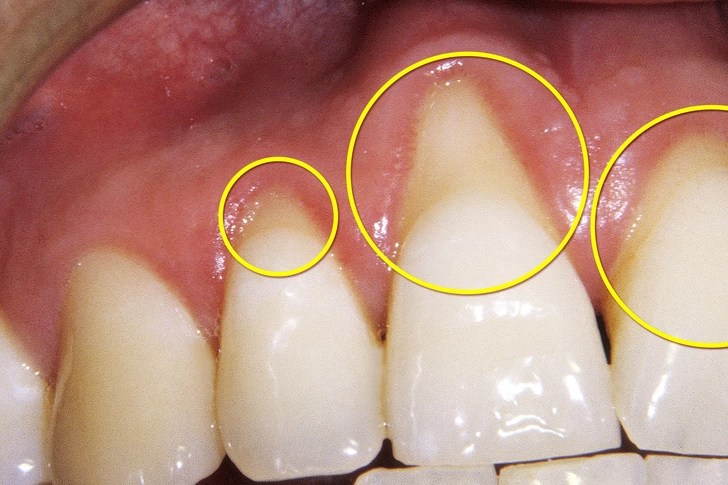
4. Gum Recession
When gums pull away from the teeth, the roots become exposed. Roots don’t have the protective enamel coating that crowns do.
This exposure often causes sudden sensitivity to hot, cold, or sweet foods, even though the recession happened gradually.
5. Gum Disease (Gingivitis and Periodontitis)
Early gum disease, called gingivitis, causes red, swollen gums that bleed easily. Left untreated, it can progress to periodontitis.
Periodontitis affects deeper tissue and bone, often causing dull aches or sharp pain near the bottom teeth and possible tooth movement.
6. Tooth Abscess
An abscess is a bacterial infection that creates a pocket of pus near the tooth root or gum. It can affect multiple teeth at once.
Abscess pain is typically intense, throbbing, and may radiate to the jaw or ear, often accompanied by swelling or fever.
7. Sinus Infection
Sinus infections can cause referred pain that travels down to the lower teeth, even though sinuses sit above the upper jaw.
If multiple teeth ache suddenly alongside cold or congestion symptoms, a sinus infection may be the underlying cause.
8. Enamel Erosion
Acidic foods, drinks, overbrushing, or acid reflux can gradually wear away enamel, especially affecting the biting edges of bottom teeth.
Once enamel thins enough, sensitivity can suddenly become noticeable, even though the erosion happened slowly over time.
9. Trapped Food Debris
Something as small as a popcorn kernel or seed can wedge between the teeth and gums, causing irritation and localized pain.
This type of pain often resolves quickly once the debris is removed through flossing or a dental visit.
10. Overbrushing or Hard Brushing
Brushing too hard doesn’t clean better — it wears down enamel and can cause gum recession, both of which lead to exposed, sensitive dentin.
11. Recent Dental Procedures
Fillings, cleanings, or crowns can temporarily irritate nerves, leading to sensitivity that typically fades within a few days to weeks.
12. Referred Pain from Upper Teeth
Because teeth, gums, and jaw muscles are interconnected through nerves, pain from an upper tooth can sometimes feel like it’s coming from a lower tooth.
13. Erupting Wisdom Teeth
If a lower wisdom tooth is partially erupted, bacteria can get trapped under the gum flap, triggering inflammation and sudden pain.
14. Bite Misalignment
Subtle imbalances in how your teeth meet can put excess pressure on certain bottom teeth, leading to sudden, unexplained discomfort.
Table: Common Causes of Sudden Bottom Teeth Pain
| Cause | Type of Pain | Needs Dentist Visit |
|---|---|---|
| Teeth grinding (bruxism) | Dull, achy, morning soreness | Yes |
| Cavities | Sharp, constant when biting | Yes |
| Cracked tooth | Sharp jolt with pressure or cold | Yes |
| Gum recession | Sensitivity to hot/cold | Yes |
| Gum disease | Dull ache, bleeding gums | Yes |
| Tooth abscess | Intense, throbbing | Yes, urgent |
| Sinus infection | Multiple teeth, congestion | Sometimes |
| Enamel erosion | Gradual, then sudden sensitivity | Yes |
| Trapped food debris | Localized, sharp | No, try flossing first |
| Overbrushing | Widespread sensitivity | Yes if persists |
How to Tell the Difference Between Causes

| Symptom Alongside Pain | Likely Cause |
|---|---|
| Sore jaw in the morning | Teeth grinding |
| Pain only when biting down | Cavity or crack |
| Bleeding, swollen gums | Gum disease |
| Throbbing pain with swelling | Abscess |
| Pain with cold/flu symptoms | Sinus infection |
| Pain after eating acidic food | Enamel erosion |
| Sudden pain after a specific bite | Trapped debris |
When Sudden Bottom Teeth Pain Is a Dental Emergency
Certain symptoms mean you shouldn’t wait to book an appointment. These signs point toward infection or serious damage.
Swelling in the Face or Gums
Visible swelling near the jaw or gums often indicates an abscess or spreading infection that needs urgent treatment.
Fever Alongside Tooth Pain
A fever combined with tooth pain is a strong sign of infection and should be treated as a priority.
Pus or Foul Taste
Discharge or a persistent bad taste near a painful tooth usually signals an active infection requiring prompt care.
Pain That Worsens Rapidly
Pain that intensifies quickly over hours, rather than staying mild, often points to a worsening infection or fracture.
Difficulty Opening Your Mouth or Swallowing
These symptoms can indicate a spreading infection and should be treated as a medical and dental emergency.
Table: Wait and Watch vs. See a Dentist Now
| Situation | Wait and Monitor | See a Dentist Now |
|---|---|---|
| Mild sensitivity to cold, no other symptoms | Yes | — |
| Pain fades within 24–48 hours | Yes | — |
| Pain lasting more than 48 hours | — | Yes |
| Visible swelling or fever | — | Yes, urgent |
| Pus or foul odor near tooth | — | Yes, urgent |
| Difficulty swallowing or opening mouth | — | Yes, emergency |
Home Remedies for Temporary Relief
While waiting for a dental appointment, these remedies can help manage discomfort at home.
Saltwater Rinse
Rinsing with warm saltwater helps reduce bacteria and mild inflammation around the affected tooth or gum.
Cold Compress
Applying a cold compress to the outside of your cheek can help numb pain and reduce swelling temporarily.
Over-the-Counter Pain Relief
Pain relievers like ibuprofen can help manage discomfort and reduce inflammation until you’re seen by a dentist.
Clove Oil
Clove oil has natural numbing properties and is a commonly used home remedy for temporary tooth pain relief.
Avoid Extreme Temperatures
Steer clear of very hot or cold foods and drinks, which can intensify sensitivity in an already irritated tooth.
Sleep with Your Head Elevated
Elevating your head while sleeping can reduce blood flow pressure to the jaw, easing throbbing pain overnight.
Table: Home Remedies and How They Help
| Remedy | How It Helps | Use Until |
|---|---|---|
| Saltwater rinse | Reduces bacteria and swelling | Dental visit |
| Cold compress | Numbs pain, reduces swelling | As needed |
| OTC pain relievers | Manages pain and inflammation | Follow label directions |
| Clove oil | Temporary numbing effect | Dental visit |
| Elevated sleeping | Reduces overnight throbbing | Dental visit |
Professional Treatment Options
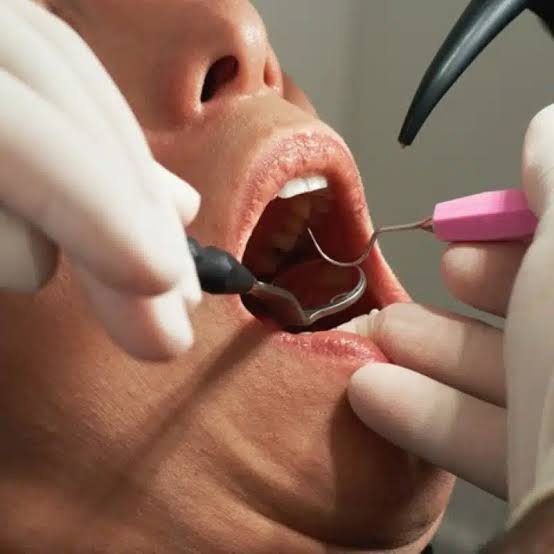

Once you see a dentist, treatment will depend on the underlying cause of your sudden tooth pain.
Fillings for Cavities
Decayed portions of the tooth are removed and filled to stop pain and prevent further damage.
Root Canal Therapy
If decay or infection reaches the tooth’s nerve, a root canal removes the infected tissue and saves the tooth.
Custom Night Guard
For grinding-related pain, a custom night guard protects teeth from further wear and reduces pressure during sleep.
Deep Cleaning for Gum Disease
Scaling and root planing removes plaque and bacteria buildup below the gumline, addressing gum-related pain.
Antibiotics for Infection
If an abscess or bacterial infection is present, antibiotics are often prescribed alongside dental treatment.
Bite Adjustment
If misalignment is causing pressure on specific teeth, a dentist can adjust your bite to distribute pressure evenly.
How to Prevent Sudden Bottom Teeth Pain
Many causes of sudden tooth pain are preventable with consistent habits and regular dental care.
Use a Soft-Bristled Toothbrush
Brushing gently with a soft-bristled brush protects enamel and prevents gum recession over time.
Wear a Night Guard if You Grind
If you suspect bruxism, a night guard significantly reduces enamel wear and pressure-related pain.
Maintain Regular Dental Checkups
Routine exams catch cavities, gum disease, and cracks early, before they cause sudden, severe pain.
Limit Acidic and Sugary Foods
Reducing acidic drinks and sugary snacks helps protect enamel and lowers your risk of decay.
Floss Daily
Daily flossing removes trapped debris and plaque between teeth, preventing irritation and decay in hard-to-reach areas.
Manage Stress
Since stress is a major contributor to teeth grinding, stress-management techniques can indirectly protect your teeth.
Diet Tips to Protect Sensitive Bottom Teeth
| Foods to Choose | Foods to Limit |
|---|---|
| Cheese, yogurt, dairy | Sugary sodas and candy |
| Leafy greens | Citrus fruits and juices |
| Water | Ice (chewing on it) |
| Lean proteins | Sticky or chewy sweets |
| Nuts (in moderation) | Extremely hot or cold foods |
Sudden Tooth Pain in Children vs. Adults
Age can influence which causes are most likely, so it helps to understand the difference.
In Children
Kids often experience sudden pain from cavities, trapped food, or early tooth eruption, especially in molars.
In Adults
Adults more commonly deal with grinding-related pain, gum recession, or enamel erosion that builds up gradually before becoming noticeable.
In Older Adults
Gum recession and existing dental work, like fillings or crowns, become more common contributors to sudden sensitivity with age.
Understanding Tooth Anatomy and Why Pain Feels Sudden
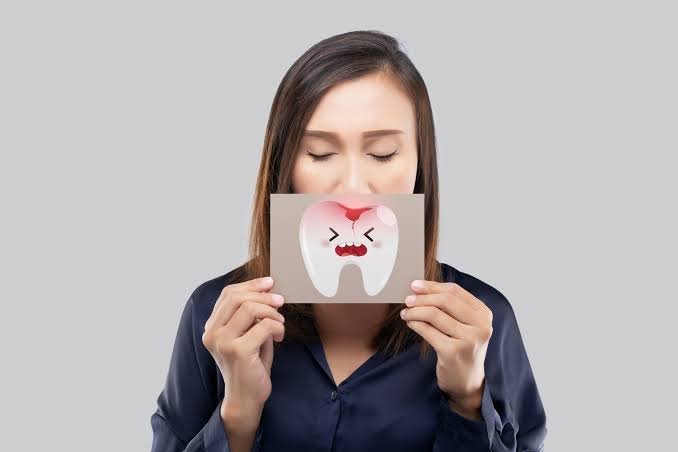
Knowing the basic structure of a tooth helps explain why pain often seems to appear out of nowhere.
Enamel
Enamel is the hard, protective outer layer of your teeth. It has no nerve endings, so damage here often goes unnoticed until it’s significant.
Dentin
Beneath enamel sits dentin, a softer layer with microscopic tubules that lead directly to the nerve. Once exposed, sensitivity appears quickly.
Pulp
The pulp is the innermost layer, containing nerves and blood vessels. Pain becomes sharp and intense once decay or damage reaches this layer.
This layered structure explains why gradual wear can suddenly result in noticeable pain once it reaches the dentin or pulp.
Table: Tooth Layers and Pain Progression
| Layer | Contains Nerves? | Pain Level When Damaged |
|---|---|---|
| Enamel | No | Minimal to none |
| Dentin | Yes, indirectly | Mild to moderate |
| Pulp | Yes, directly | Severe, sharp pain |
Lifestyle Habits That Increase Risk
Beyond direct dental causes, certain everyday habits can make sudden tooth pain more likely over time.
Chewing Ice or Hard Objects
Biting down on ice, pens, or hard candy puts excessive pressure on teeth, increasing the risk of cracks and sudden pain.
Using Teeth as Tools
Opening packages or bottles with your teeth creates unnecessary stress that can chip or crack enamel unexpectedly.
Frequent Snacking
Constant snacking, especially on sugary foods, keeps acid levels elevated in the mouth, accelerating enamel erosion and decay risk.
Skipping Regular Dental Visits
Missing checkups allows small issues like early decay or gum recession to progress unnoticed until they cause sudden pain.
The Role of Genetics and Enamel Strength
Not everyone has the same enamel thickness or strength, which partly explains why some people are more prone to sudden sensitivity than others.
Thinner enamel, often inherited, wears down faster and exposes dentin sooner, making sudden pain more likely even with normal habits.
If sensitivity runs in your family, extra preventive care like fluoride treatments can help strengthen and protect your enamel.
Tracking Your Symptoms Before a Dental Visit
If pain persists, keeping a simple log can help your dentist pinpoint the cause faster during your appointment.
Note when the pain started, what triggers it (cold, biting, sweets), how long it lasts, and its intensity on a scale of one to ten.
This information often speeds up diagnosis, especially when the cause isn’t immediately obvious during a visual exam.
Quick Recap: Key Takeaways
Before jumping into the FAQs, here’s a fast summary of what matters most when dealing with sudden bottom teeth pain.
Most cases stem from grinding, cavities, cracks, or gum issues, and many can be managed with prompt dental care.
Watch for warning signs like swelling, fever, or pus, and don’t hesitate to seek urgent care if they appear.
Simple daily habits — gentle brushing, flossing, a protective night guard, and regular checkups — go a long way in preventing future flare-ups.
Bringing a written symptom log to this conversation makes it easier to get a clear answer instead of a vague guess. Most dentists appreciate the extra detail, and it often leads to faster, more accurate treatment.
Talking to Your Dentist: Questions Worth Asking
When you finally see a dentist, asking the right questions helps you understand both the cause and the long-term fix.
Ask what specifically is causing the pain, whether it’s likely to recur, and what preventive steps you can take going forward.
If grinding is suspected, ask about a custom night guard versus an over-the-counter option, since fit makes a big difference in effectiveness.
If a filling, crown, or root canal is recommended, ask about recovery time and what sensitivity to expect afterward.
Frequently Asked Questions (FAQs)
1. Why do my bottom teeth hurt only at night?
Nighttime pain is often linked to teeth grinding, since clenching tends to happen unconsciously during sleep.
2. Can stress really cause sudden tooth pain?
Yes, stress increases teeth grinding and clenching, both of which put pressure on the bottom teeth and cause pain.
3. Is it normal for bottom teeth to hurt after a filling?
Yes, mild sensitivity after a filling is common and usually fades within a few days to weeks.
4. How do I know if it’s a cavity or a cracked tooth?
Cavity pain is often constant when biting, while cracked tooth pain is usually a sudden, sharp jolt with pressure or cold.
5. Can a sinus infection really cause bottom teeth pain?
Yes, sinus pressure can radiate to both upper and lower teeth, especially when multiple teeth ache at once.
6. When should I go to the dentist for sudden tooth pain?
See a dentist if pain lasts more than 48 hours, or immediately if you notice swelling, fever, or pus.
7. Can gum disease cause sudden pain without warning?
Yes, gum disease can progress quietly and suddenly become noticeable once inflammation or infection worsens.
8. Does brushing too hard really damage teeth?
Yes, aggressive brushing wears down enamel and can cause gum recession, both leading to sensitivity and pain.
9. Can wisdom teeth cause bottom teeth pain?
Yes, partially erupted lower wisdom teeth can trap bacteria and cause inflammation that radiates to nearby teeth.
10. What’s the fastest way to relieve sudden tooth pain at home?
A cold compress and over-the-counter pain relievers offer the fastest temporary relief while you wait for a dental appointment.
Conclusion
Sudden bottom teeth pain can feel alarming, but it almost always has an identifiable cause — from teeth grinding and cavities to gum recession or a hidden infection. Understanding what’s behind the pain makes it much easier to find the right relief and avoid it becoming a bigger problem.
Mild, short-lived sensitivity can often be managed at home with saltwater rinses, cold compresses, and gentle care. However, pain that lingers, worsens, or comes with swelling, fever, or pus should never be ignored.
Regular dental checkups, gentle brushing, a protective night guard if needed, and a tooth-friendly diet go a long way in preventing sudden pain from returning. Listening closely to what your teeth are telling you today can save you from a much more painful, costly problem down the road — keeping your smile comfortable and healthy for the long run.