


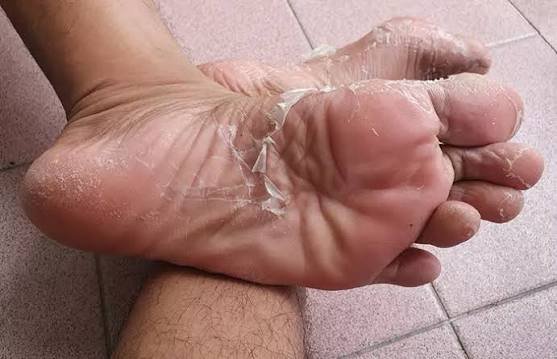
Why Are My Toes Peeling is a common question people search when they notice flaky, cracked, or shedding skin around their feet. In most cases, the cause is harmless and easy to treat at home.
However, peeling toes can sometimes point to a fungal infection, an underlying skin condition, or occasionally a more serious health concern. Identifying the pattern of peeling helps narrow down the likely cause.
Common Causes of Toe Peeling At a Glance
| Cause | Key Signs | Typical Treatment |
|---|---|---|
| Dry Skin | Flaky, rough patches, no itching | Moisturizer, hydration |
| Athlete’s Foot | Itching, odor, peeling between toes | Antifungal cream |
| Eczema | Itchy, red, cracked skin | Fragrance-free moisturizer |
| Psoriasis | Thick, scaly patches | Medicated creams |
| Contact Dermatitis | Redness after new product use | Avoid irritant, soothing cream |
| Sunburn | Peeling after sun exposure | Aloe vera, hydration |
| Friction/Blisters | Peeling after tight shoes | Cushioned footwear |
| Post-Fever Peeling | Peeling after illness resolves | Time and moisturizing |
Dry Skin – The Most Common Cause
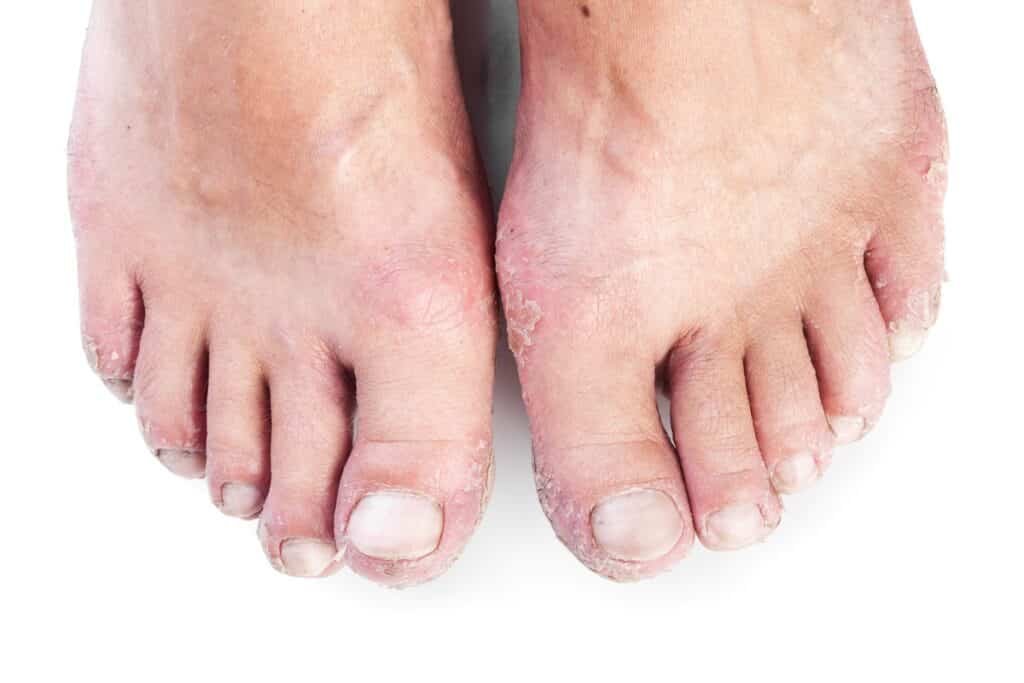
Dry skin is by far the most frequent reason behind peeling toes. It often appears as rough, flaky patches without significant itching or redness.
This condition tends to worsen during colder months when indoor heating reduces air humidity. Long, hot showers can also strip natural oils from the skin.
How to Manage Dry Skin on Toes
Applying a fragrance-free moisturizer daily can help restore the skin barrier. Creams and ointments generally work better than lotions for foot skin.
Drinking enough water and avoiding excessively hot showers can also reduce the frequency of dry skin flare-ups on the feet.
Environmental Factors Behind Dry, Peeling Toes
Low indoor humidity during winter months pulls moisture out of the skin faster than it can be replaced. This makes peeling more noticeable during colder seasons.
Frequent exposure to harsh soaps or hand sanitizers used on the feet, though uncommon, can also strip natural oils and worsen dryness.
Age and Skin Peeling
As skin ages, it naturally produces less oil, making older adults more prone to dry, peeling patches on the feet. This is a normal part of the aging process rather than a disease.
Consistent moisturizing becomes increasingly important with age to counteract this natural decline in skin oil production.
Athlete’s Foot (Fungal Infection)
Athlete’s foot, medically known as tinea pedis, is a common fungal infection that often starts between the toes. It thrives in warm, moist environments like locker rooms and swimming pools.
This condition is contagious and can spread through direct contact or contaminated surfaces such as shared towels or shower floors.
Symptoms of Athlete’s Foot
Peeling combined with itching, redness, and a noticeable foot odor strongly suggests a fungal infection. Small blisters and cracked skin can also appear as the condition progresses.
The peeling frequently begins around the smaller toes before spreading to other parts of the foot if left untreated.
Treatment for Athlete’s Foot
Over-the-counter antifungal creams, sprays, or powders are usually effective for mild cases. Consistent daily application is key to fully clearing the infection.
Keeping feet dry, changing socks frequently, and avoiding barefoot walking in damp public areas can prevent reinfection.
Who Is Most at Risk
People who frequently wear enclosed, non-breathable shoes are more likely to develop athlete’s foot. Sweaty feet create the warm, moist environment fungus needs to thrive.
Athletes, gym-goers, and anyone who regularly uses communal showers or locker rooms face a higher risk of exposure to this contagious fungus.
Why Athlete’s Foot Keeps Coming Back
Reinfection is common if the underlying moisture and footwear habits aren’t addressed. Fungal spores can also linger in shoes even after symptoms clear from the skin.
Treating shoes with antifungal powder and allowing them to fully air out between uses can reduce the chances of recurring infections.
Eczema and Toe Peeling
Eczema is an inflammatory skin condition that can affect the feet just as easily as the elbows or knees. It often causes dry, itchy, and cracked skin.
Atopic Dermatitis
Atopic dermatitis is the most common form of eczema and can be triggered by allergens, stress, heat, or certain fabrics. It weakens the skin barrier over time.
Fragrance-free moisturizers and breathable socks are typically recommended to calm this type of flare-up.
Dyshidrotic Eczema
Dyshidrotic eczema causes small, intensely itchy blisters on the toes and soles. These blisters eventually dry out, crack, and peel.
This type of eczema is often linked to stress, sweating, or exposure to certain metals and can require targeted medical treatment in persistent cases.
Triggers That Worsen Foot Eczema
Heat, excessive sweating, and harsh soaps are among the most common triggers for foot eczema flare-ups. Seasonal changes can also play a role in symptom severity.
Keeping a symptom diary that tracks flare-ups alongside recent products, weather, or stress levels can help identify personal triggers over time.
Psoriasis on the Feet
Psoriasis is an autoimmune condition that speeds up skin cell turnover. This rapid turnover leads to thick, scaly patches that eventually shed and peel.
Unlike fungal infections, psoriasis patches are usually not contagious and often appear on other parts of the body as well, such as elbows or scalp.
Managing Psoriasis-Related Peeling
Medicated creams prescribed by a dermatologist are often necessary to manage psoriasis effectively. Regular moisturizing also helps reduce discomfort from scaling.
Since psoriasis is a chronic condition, long-term management rather than a one-time cure is usually the realistic goal.
Distinguishing Psoriasis From Athlete’s Foot
Psoriasis patches tend to be thicker and more defined, while athlete’s foot often looks softer and moister with a distinct odor. This distinction can help guide initial treatment choices.
Since the two conditions require different treatments, a dermatologist evaluation is helpful when the diagnosis isn’t clear from symptoms alone.
Contact Dermatitis and Allergic Reactions
Contact dermatitis occurs when the skin reacts to an irritant or allergen, such as new detergents, certain fabrics, or shoe materials. This can cause redness, itching, and peeling.
Identifying and removing the triggering product is usually the first step toward resolving this type of peeling.
Common Triggers to Watch For
New socks, shoe dyes, laundry detergents, and certain lotions are frequent culprits behind sudden peeling. Introducing one new product at a time can help identify the cause.
Soothing, fragrance-free creams can help calm the irritation once the trigger has been removed.
Sunburned Toes
Yes, your toes can get sunburned, especially during sandal season or beach trips. Sunburned skin often peels within a few days as it heals.
This type of peeling is usually accompanied by redness, warmth, and mild tenderness in the affected area.
Preventing and Treating Sunburned Feet
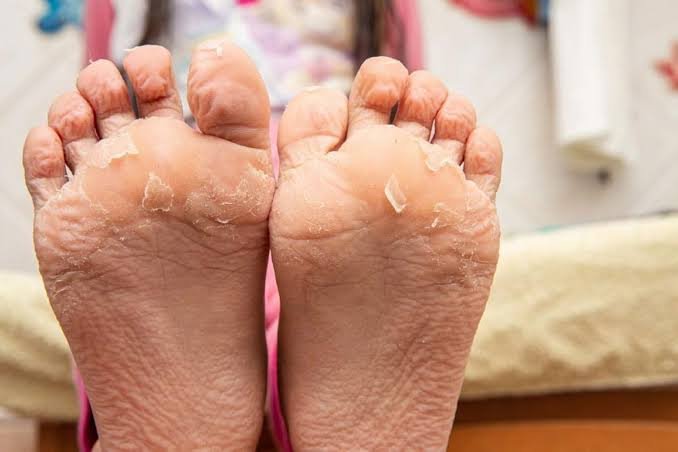
Applying sunscreen to the tops of your feet before sun exposure can prevent this issue entirely. If sunburn already occurred, aloe vera gel and proper hydration can support healing.
Avoiding further sun exposure until the skin fully recovers is also recommended.
Friction, Blisters and Ill-Fitting Shoes
Tight or poorly fitted shoes can cause friction blisters, which often peel as they heal. This is a very common and usually harmless cause of toe peeling.
Repeated friction without proper footwear adjustments can also lead to recurring irritation in the same spots.
Choosing Better Footwear
Cushioned, properly sized shoes can significantly reduce friction-related peeling. Rotating between at least two pairs of shoes allows each pair to dry fully between uses.
Barrier creams applied before wearing shoes can also help reduce friction in sensitive areas.
Peeling After Fever or Illness (Desquamation)
Peeling skin sometimes appears on the feet and toes after a fever or viral illness resolves. This process is known as desquamation.
This type of peeling is typically temporary and resolves on its own without specific treatment, aside from gentle moisturizing.
Diabetes and Foot Skin Peeling
People with diabetes are more prone to frequent skin infections and slower healing. Poor blood flow can make peeling skin between the toes more concerning than in the general population.
If you have diabetes, sores or peeling skin that isn’t healing well should be evaluated promptly to prevent complications.
Why Diabetic Foot Care Matters
Diabetes can make it harder for cuts, sores, and cracks to heal properly, increasing the risk of infection. Small breaks in peeling skin can become entry points for bacteria.
A podiatrist is often recommended as part of a diabetes care team, alongside general skin evaluation for peeling feet.
Daily Foot Checks for Diabetics
People with diabetes are often advised to check their feet daily for any cuts, cracks, or unusual peeling. Reduced sensation can make injuries harder to notice without a visual check.
Catching small issues early, before they worsen, is one of the most effective ways to prevent serious diabetic foot complications.
Venous Insufficiency and Skin Changes
Venous insufficiency occurs when faulty vein valves prevent blood from properly returning to the heart. This causes fluid buildup and gradual skin changes over time.
Symptoms often include dry, flaky, and discolored patches, most commonly around the ankles and tops of the feet rather than strictly the toes.
Treatment Approach for Venous Insufficiency
Compression therapy and swelling management are typically the main treatment approaches for this condition. Regular moisturizing also helps support the skin barrier.
Since this condition is vein-related rather than purely a skin issue, medical evaluation is usually necessary for proper management.
Who Should Watch for Venous Skin Changes
People who stand for long hours, are overweight, or have a family history of vein problems are more likely to develop venous insufficiency over time. Age also increases the risk.
Elevating the legs periodically and wearing compression socks can help manage mild symptoms before they progress further.
Cellulitis – When Peeling Signals Infection
Cellulitis is a bacterial skin infection that can spread quickly, especially if triggered by untreated athlete’s foot or open cracks in the skin.
Early symptoms include skin that feels painful, hot, and swollen, sometimes with blisters that peel as they pop or heal.
Why Cellulitis Needs Immediate Attention
If you suspect cellulitis, seeking immediate medical treatment is important, since the infection can enter the bloodstream and cause serious complications.
A doctor will typically prescribe antibiotics to treat this type of bacterial infection effectively.
Seasonal Patterns in Toe Peeling
Peeling toes often follow a seasonal pattern, which can offer another clue about the underlying cause. Winter tends to bring dry skin and eczema flare-ups due to low humidity.
Summer, on the other hand, often brings fungal infections and sunburn due to increased sweating and sun exposure.
How Shoes and Socks Affect Toe Health
The shoes and socks you wear daily play a bigger role in toe health than most people realize. Poor ventilation and prolonged dampness create ideal conditions for fungal growth.
Practical Footwear Habits
Rotating between at least two pairs of shoes gives each pair time to fully dry out between wears. This simple habit can significantly reduce fungal risk.
Choosing cotton or moisture-wicking socks over synthetic materials can also help keep your feet dry throughout the day.
Home Remedies for Peeling Toes
Most cases of peeling toes can be managed effectively at home, especially when the cause is dry skin or minor irritation.
Moisturizing Tips
Applying a thick, fragrance-free cream or ointment nightly helps restore the skin’s natural barrier. Consistency matters more than the specific brand used.
Avoid excessively hot showers, since high heat can strip natural oils and worsen peeling over time.
Foot Hygiene Practices
Washing your feet regularly and drying them thoroughly, especially between the toes, helps prevent fungal growth. Foot powders can help manage excess sweat.
Wearing sandals in public showers, pools, or locker rooms reduces the risk of picking up contagious fungal infections.
Diet and Hydration for Healthy Skin
Staying well-hydrated supports overall skin elasticity, including on the feet. Diets rich in essential fatty acids and vitamins can also support skin barrier health.
While diet alone won’t cure conditions like eczema or fungal infections, it can support faster healing alongside proper topical treatment.
Exfoliation Dos and Don’ts
Gentle exfoliation using a foot file or pumice stone can help remove dead, flaky skin. However, over-exfoliating can worsen irritation, especially on already peeling skin.
It’s best to avoid exfoliating actively infected or inflamed areas, since this can spread fungal infections or worsen open cracks.
Medical Treatments for Peeling Toes
| Cause | Home Remedy | Medical Treatment |
|---|---|---|
| Dry Skin | Daily moisturizing | Rarely needed |
| Athlete’s Foot | OTC antifungal cream | Prescription antifungal pills |
| Eczema | Fragrance-free moisturizer | Topical steroids |
| Psoriasis | Regular moisturizing | Dermatologist-prescribed creams |
| Cellulitis | Not recommended | Antibiotics, urgent care |
When to See a Doctor
Persistent peeling that doesn’t improve with home care, along with signs like severe redness, swelling, warmth, or pain, warrants a medical evaluation.
People with diabetes or poor circulation should seek professional care sooner, since minor issues can escalate quickly in these cases.
Red Flags That Need Prompt Attention
Fever, spreading redness, pus, or intense pain alongside peeling skin are signs that should not be ignored. These symptoms may indicate a bacterial infection like cellulitis.
If over-the-counter antifungal treatment doesn’t improve symptoms within two weeks, a dermatologist or podiatrist visit is recommended.
Prevention Tips to Keep Toes Healthy
Maintaining good foot hygiene, moisturizing regularly, and choosing breathable footwear are the foundation of healthy toe skin. Small daily habits make a significant long-term difference.
Rotating shoes, changing socks when damp, and avoiding shared towels in public spaces further reduce the risk of fungal and bacterial issues.
How Toenail Health Relates to Peeling Skin
Peeling skin around the toes is sometimes accompanied by nail changes, such as thickening or discoloration. This combination often points toward a fungal cause affecting both skin and nails.
Toenail fungus, if left untreated, can continue reinfecting the surrounding skin even after topical treatment clears the visible peeling.
When Nail Symptoms Need Separate Treatment
If nails appear yellow, brittle, or thickened alongside peeling skin, a doctor may recommend a separate antifungal treatment specifically for nail infections. Skin creams alone often aren’t enough for nail fungus.
Addressing both the skin and nail symptoms together leads to more complete and lasting results.
Building a Simple Daily Foot Care Routine
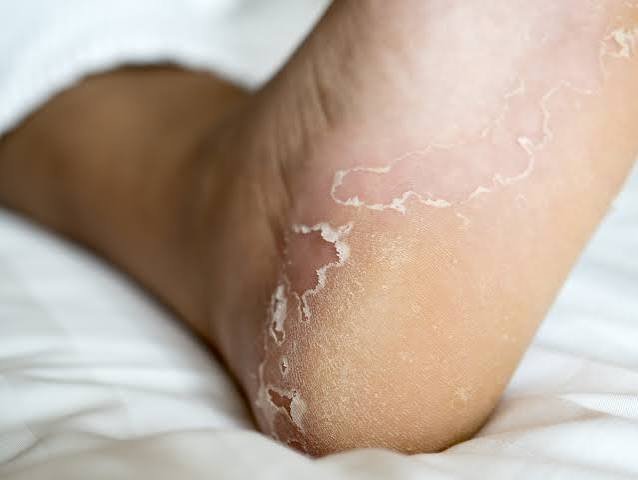
A consistent daily routine can prevent most common causes of toe peeling before they start. This doesn’t need to be complicated or time-consuming.
A Basic Routine to Follow
Wash feet with a gentle cleanser, dry thoroughly between the toes, and apply a fragrance-free moisturizer each night. This three-step habit addresses most dryness-related peeling.
Checking your feet weekly for early signs of redness, cracking, or discoloration helps catch problems before they become more serious. This small habit takes only a minute but can prevent minor issues from turning into more significant foot problems over time.
Key Takeaways Before You Go
Most peeling toes result from everyday causes like dryness, friction, or mild fungal infections that respond well to simple home care. Paying attention to accompanying symptoms helps identify the true cause more accurately.
Chronic conditions such as eczema and psoriasis require ongoing management, while diabetes-related peeling or signs of cellulitis call for prompt medical attention rather than home treatment alone.
Building a simple daily foot care habit, combined with awareness of red flag symptoms, is the most reliable way to keep toe peeling from becoming a recurring problem.
Frequently Asked Questions (FAQs)
Why are my toes peeling but not itchy?
Non-itchy peeling is often caused by simple dry skin rather than infection or eczema.
Is peeling between toes always athlete’s foot?
No, it can also be caused by eczema, psoriasis, or prolonged moisture exposure.
Can stress cause toes to peel?
Yes, stress can trigger dyshidrotic eczema, which leads to blistering and peeling skin.
How long does athlete’s foot take to heal?
Mild cases usually improve within two to four weeks with consistent antifungal treatment.
Should I moisturize peeling toes or let them dry out?
Moisturizing is generally recommended, except for active fungal infections where drying the area matters more.
Can peeling toes be a sign of diabetes?
Slow-healing peeling skin can sometimes indicate diabetes-related circulation issues and should be checked.
Is toe peeling contagious?
Fungal causes like athlete’s foot are contagious, while dry skin or eczema are not.
What deficiency causes skin peeling on feet?
Low levels of certain vitamins, like zinc or biotin, are sometimes linked to skin peeling.
Can new shoes cause toe peeling?
Yes, friction or allergic reactions to shoe materials can cause peeling and irritation.
When should I worry about peeling toes?
Worry if peeling is accompanied by swelling, fever, spreading redness, or non-healing sores.
Conclusion
Peeling toes are usually caused by everyday factors like dry skin, friction, or mild fungal infections, most of which respond well to simple home care and consistent moisturizing. Paying attention to accompanying symptoms, such as itching, odor, or pain, helps identify whether the cause is fungal, inflammatory, or something more serious.
Conditions like eczema and psoriasis require ongoing management, while diabetes-related peeling and cellulitis need prompt medical attention to avoid complications. Simple daily habits, including proper foot hygiene, breathable footwear, and regular moisturizing, can prevent most cases of toe peeling before they start.
Seasonal changes, footwear choices, and general skin health all play a role in how often your toes peel, so tracking patterns over time can offer useful clues. If peeling persists despite home treatment or comes with warning signs like swelling or fever, consulting a dermatologist or podiatrist remains the safest next step for an accurate diagnosis and treatment plan.


