


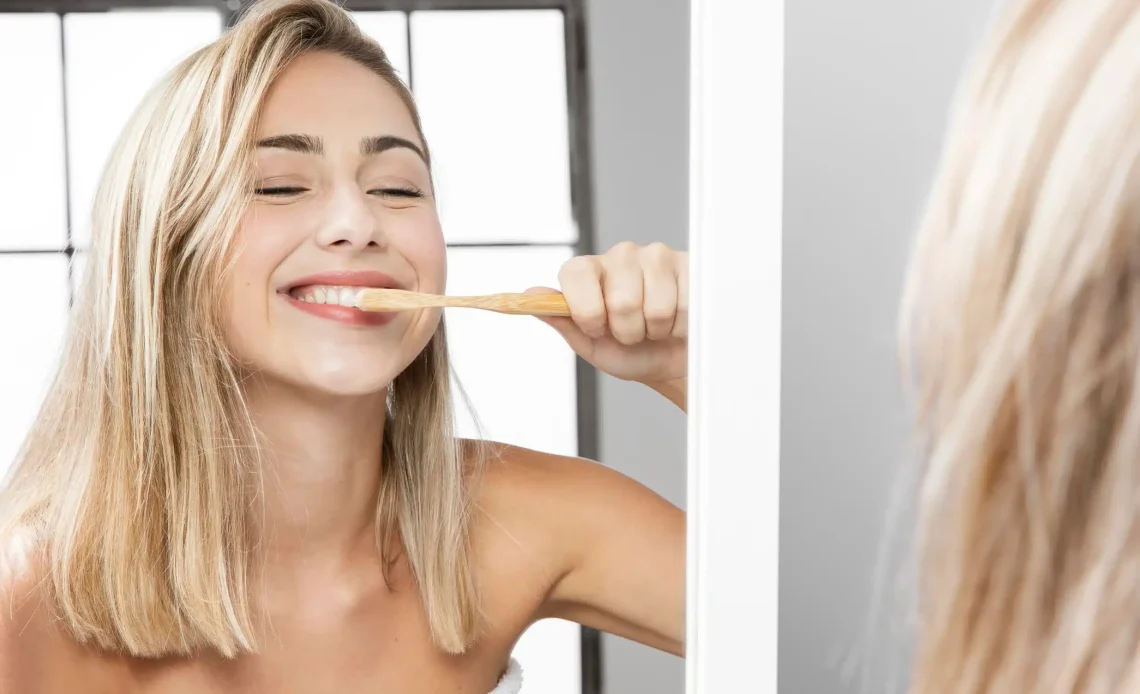
Why are my teeth yellow when I brush them everyday — this is one of the most common dental frustrations people face.
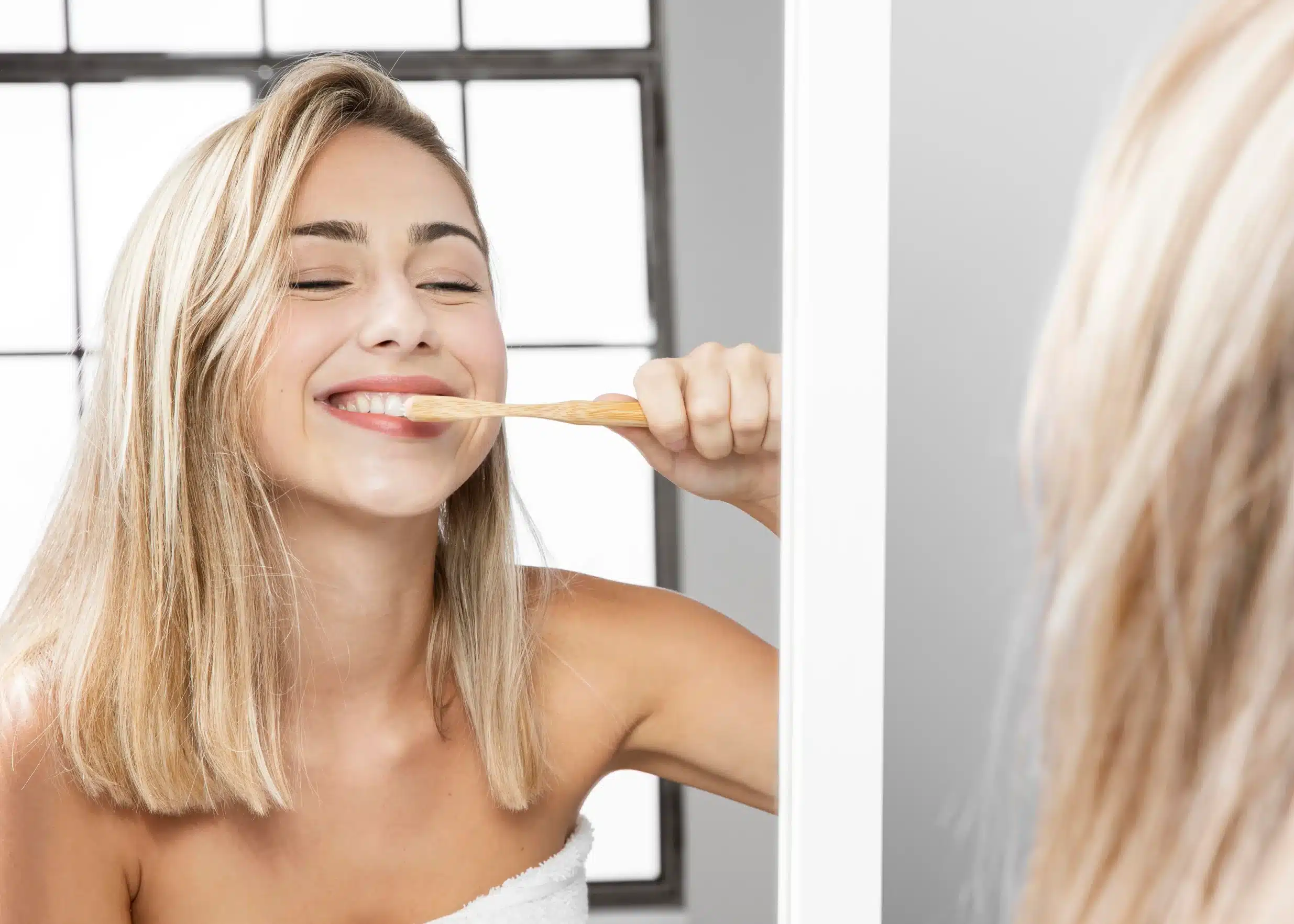
You do everything right. You brush twice a day, use good toothpaste, and still see yellow stains staring back at you in the mirror. The truth is, brushing alone is not a whitening solution.
It is a hygiene tool. Many other factors — from what you eat to how your enamel ages — play a bigger role in tooth color than brushing frequency.
The Real Purpose of Brushing (It Is Not Whitening)
Most people assume brushing should make teeth white. That is a widespread myth.
The actual purpose of brushing is to remove plaque and bacteria from the surface of teeth. Plaque is a sticky biofilm filled with bacteria that produces acids harmful to enamel. If plaque is not removed, it hardens into tartar, a yellow-brown mineral crust that cannot be removed with a toothbrush.
Brushing keeps your teeth healthy and disease-free. Whitening is a separate process entirely.
What Makes Teeth Look Yellow
Tooth color is determined by two layers — the outer enamel and the inner dentin.
Enamel is semi-translucent and naturally whitish. Dentin is the layer beneath enamel, and it carries a deep yellow to brownish color. When enamel thins or wears away, the dentin shows through — and the teeth look yellow.
This is the root cause behind most cases of yellow teeth in brushers.
Intrinsic vs Extrinsic Stains — The Key Difference
Understanding stain types helps explain why brushing works on some stains but not others.
| Type | Location | Cause | Removed by Brushing? |
|---|---|---|---|
| Extrinsic | Surface of enamel | Coffee, tea, wine, food pigments | Partially yes |
| Intrinsic | Inside the tooth structure | Aging, medication, trauma, genetics | No |
Extrinsic stains sit on the outside of teeth and can be partially lifted with brushing and whitening toothpaste. Intrinsic stains are locked inside the enamel or dentin. No amount of brushing will touch them.
If your teeth remain yellow despite daily brushing, intrinsic staining is likely the reason.
10 Reasons Your Teeth Are Yellow Even Though You Brush Every Day
1. Your Brushing Technique Is Incorrect
Brushing with the wrong motion misses large surface areas of teeth. Many people brush horizontally in a scrubbing motion, which skips the gumline, the inside surfaces, and the crevices between teeth.
The correct technique is gentle circular motions for two full minutes, covering all surfaces — front, back, and chewing. Not brushing correctly means plaque accumulates even with daily effort.
2. Enamel Erosion Is Revealing the Yellow Dentin
Enamel wears down from acid exposure over time. Once enamel thins, the yellow dentin underneath becomes visible through it.
Enamel does not regenerate. Once it is gone, it is gone permanently. The yellowing from enamel erosion cannot be reversed by brushing — it requires professional treatment.
3. Your Diet Is Staining Your Teeth Daily
Certain foods and drinks carry pigment molecules called chromogens that bind to tooth enamel. Regular consumption deposits these pigments layer by layer over time.
| Staining Food/Drink | Staining Intensity |
|---|---|
| Black coffee | Very high |
| Black tea | Very high |
| Red wine | Very high |
| Dark sodas/cola | High |
| Berries (blueberries, blackberries) | High |
| Tomato-based sauces | Moderate |
| Balsamic vinegar | Moderate |
| Curry spices | Moderate |
Rinsing with water after consuming these helps reduce pigment buildup, but it does not fully prevent staining.
4. Plaque Has Hardened Into Tartar
Plaque left on teeth for 24–72 hours mineralizes into tartar (calculus). Tartar has a yellowish to brownish color and bonds tightly to enamel.
No toothbrush or whitening product can remove tartar. Only a professional dental cleaning (scale and polish) can eliminate tartar buildup. If tartar is the cause of your yellow teeth, only a dentist can fix it.
5. Genetics Determines Your Natural Tooth Shade
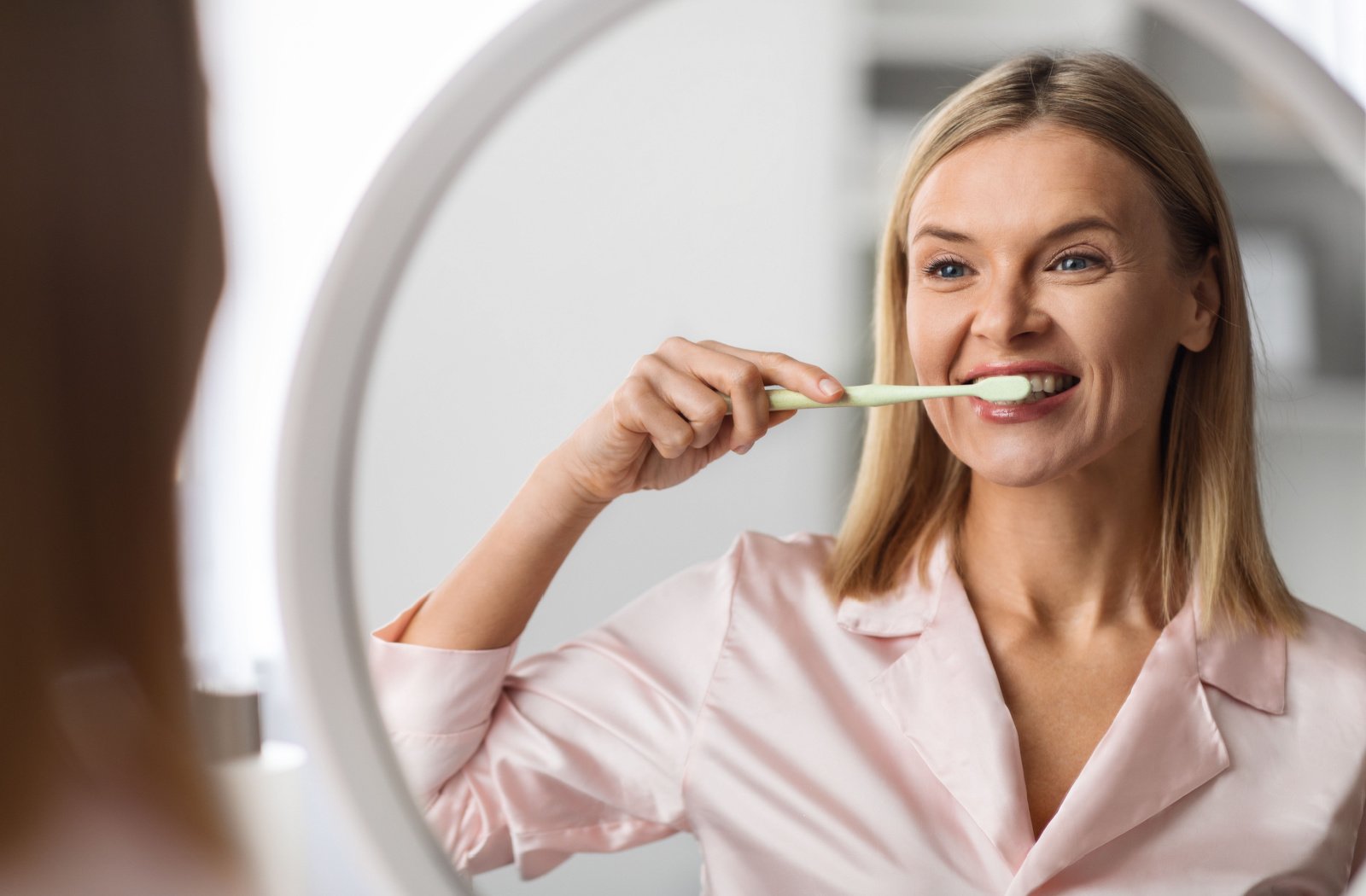
Tooth color is partly inherited. Dentin thickness and enamel translucency are genetically determined, meaning some people are simply born with naturally yellower teeth — and no surface treatment changes this.
There are four natural tooth shades — reddish brown, reddish yellow, gray, and reddish gray — all within the normal range. If your parents have yellow teeth, there is a good chance yours will be too.
6. Aging Naturally Thins Enamel
As you age, enamel gradually wears down from decades of chewing and acid exposure. The dentin beneath becomes progressively more visible, making teeth look darker and more yellow over time.
This is a natural biological process. Most adults notice their teeth getting yellower after their 30s. Daily brushing helps slow this but cannot stop or reverse age-related yellowing.
7. Tobacco Use Causes Deep Staining
Nicotine and tar from cigarettes and tobacco products seep into the microscopic pores of enamel. These stains embed deeply and turn teeth a persistent yellow or brown.
Tobacco stains are among the most difficult to remove. They do not respond to brushing or whitening toothpaste alone. Professional whitening and cessation of tobacco use are both necessary.
8. Certain Medications Cause Internal Discoloration
Some medications cause intrinsic staining that brushing cannot fix. Tetracycline antibiotics — especially when taken during childhood — bind to developing tooth structure and permanently discolor teeth from within.
Other medications that can affect tooth color include:
- Antihistamines
- Antipsychotics
- Blood pressure medications
- Chemotherapy drugs
- High-dose iron supplements
If you suspect medication is causing your yellow teeth, speak to your dentist about treatment options.
9. Teeth Grinding (Bruxism) Wears Down Enamel
Bruxism is the habit of grinding or clenching teeth, often during sleep. The constant friction wears enamel down faster than normal aging would.
As enamel thins from grinding, the yellow dentin becomes visible sooner. People with bruxism often notice yellowing at the edges and biting surfaces of teeth first. A night guard is the most common protective solution.
10. Trauma or Physical Damage to the Tooth
An impact to a tooth — from a fall, sports injury, or accident — can damage the internal structure. The tooth may darken from the inside as the pulp bleeds or the nerve is damaged.
This type of discoloration is intrinsic and will not improve with brushing. It requires dental evaluation and may need internal bleaching or a crown.
Acidic Foods and Enamel Erosion
Acidic foods and beverages directly dissolve enamel minerals. This process is called dental erosion, and it accelerates yellowing significantly.
Common acidic culprits include citrus fruits (lemon, orange, grapefruit), sports drinks, carbonated sodas, vinegar-based foods, and fruit juices.
The acid softens enamel temporarily. Brushing immediately after consuming acidic foods can actually make enamel erosion worse. Dentists recommend waiting at least 30 minutes after acidic foods before brushing.
How Fluoride Fits Into This Picture
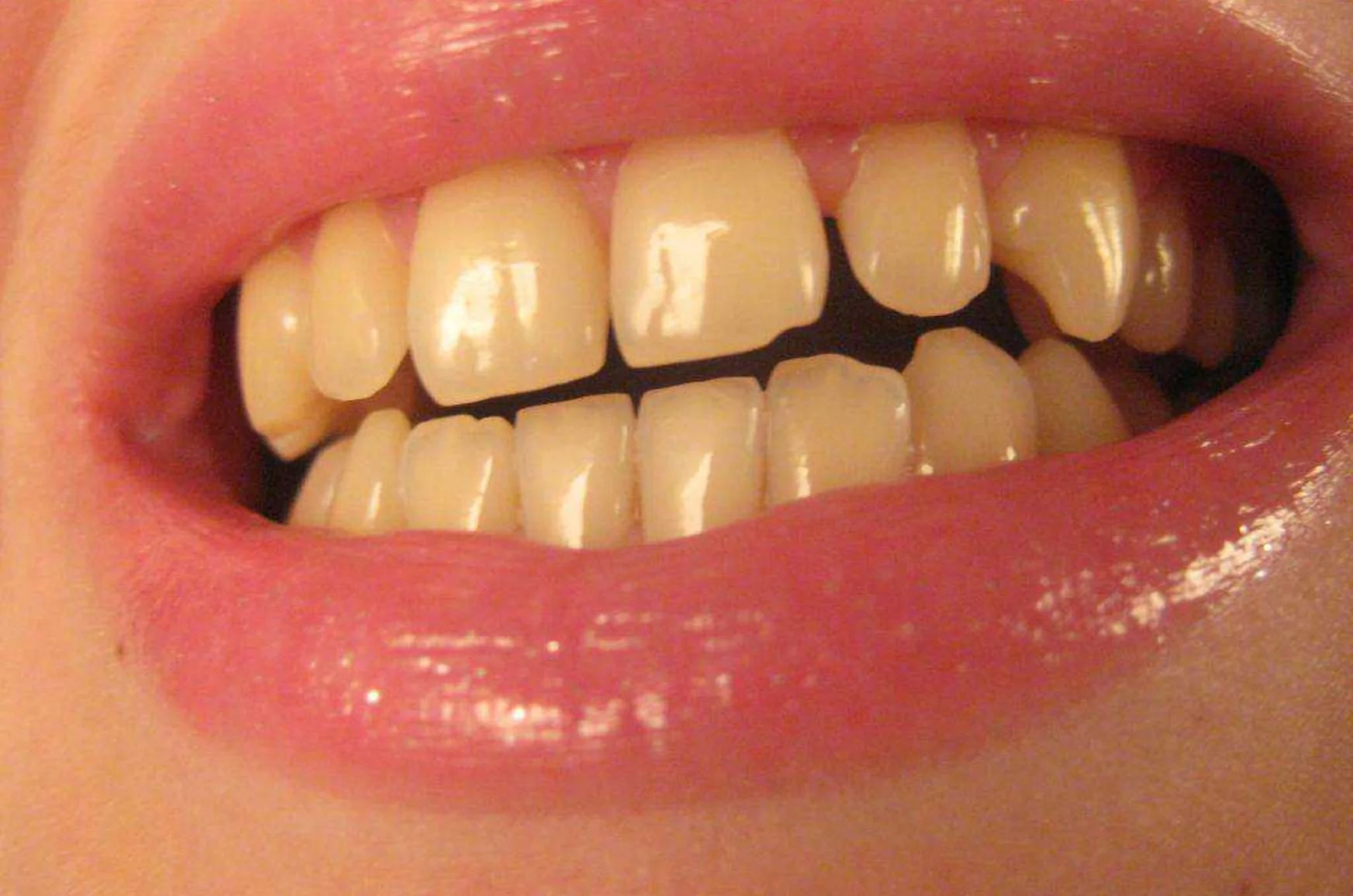
Fluoride helps remineralize and strengthen enamel, protecting against acid erosion. However, too much fluoride during tooth development in childhood can cause a condition called dental fluorosis.
Fluorosis creates white spots or yellowish-brown patches on teeth. These are intrinsic marks baked into the enamel during development. Brushing has no effect on fluorosis.
Sources of excess fluoride include fluoridated water, swallowed toothpaste in children, and prescribed fluoride supplements. Talk to a dentist if you are concerned about fluoride exposure in children.
When Yellow Teeth Signal a Bigger Problem
In most cases, yellow teeth are a cosmetic issue. But sometimes discoloration signals something that needs clinical attention.
See a dentist promptly if you notice:
- Sudden darkening of a single tooth (possible nerve damage or internal bleeding)
- Yellow teeth combined with tooth pain or sensitivity
- Brown or black spots on specific teeth (possible decay)
- White chalky patches alongside yellow areas (possible fluorosis or enamel hypoplasia)
- Yellow teeth in a child who has not started consuming staining foods
These situations may indicate decay, trauma, or infection that requires treatment beyond whitening.
What Actually Works to Fix Yellow Teeth
Professional Teeth Whitening
In-office whitening uses high-concentration peroxide gel activated by light or heat. It can lighten teeth by several shades in a single appointment and is the most effective cosmetic solution for extrinsic staining.
At-Home Whitening Trays
Custom trays from a dentist hold a lower-concentration whitening gel against teeth for several hours. Results are gradual but effective for surface staining. Over-the-counter strips work similarly with less precision.
Professional Dental Cleaning (Scale and Polish)
This removes tartar and surface stains that brushing cannot touch. It is the first step any dentist recommends before cosmetic whitening.
Whitening Toothpaste
Whitening toothpastes contain mild abrasives and chemical agents that lift surface stains. They work for extrinsic staining only. They have no effect on intrinsic stains and can erode enamel if overused.
Dental Veneers
Porcelain veneers are thin shells bonded over the front of teeth. They permanently cover severe intrinsic staining, including tetracycline stains, trauma discoloration, and heavy genetic yellowing. They are an irreversible procedure.
Dental Bonding
Composite resin is applied and shaped over discolored areas of teeth. It is less expensive than veneers and works well for isolated spots or minor staining.
Comparison of Whitening Options
| Treatment | Stain Type | Effectiveness | Cost Range | Duration |
|---|---|---|---|---|
| Professional whitening | Extrinsic | Very high | $$–$$$ | 1–3 years |
| Home whitening trays | Extrinsic | High | $–$$ | 6–12 months |
| OTC whitening strips | Extrinsic | Moderate | $ | 3–6 months |
| Whitening toothpaste | Extrinsic (light) | Low | $ | Ongoing |
| Scale and polish | Tartar/surface | High | $$ | Until next buildup |
| Veneers | Intrinsic + extrinsic | Very high | $$$$ | 10–20 years |
| Dental bonding | Intrinsic (localized) | Moderate | $$–$$$ | 5–10 years |
How to Prevent Yellow Teeth Going Forward
Preventing yellowing is far easier than reversing it. Small daily habits make a measurable difference over months and years.
Brush for a full two minutes twice a day using the correct circular technique. Floss daily to remove plaque from between teeth where your brush cannot reach. Use a fluoride toothpaste to strengthen enamel.
Rinse with water immediately after consuming staining foods or drinks. Use a straw when drinking coffee, tea, or soda to reduce direct contact with enamel.
Limit acidic foods and wait 30 minutes before brushing after consuming them. Quit tobacco use entirely — no whitening treatment fully overcomes ongoing tobacco staining.
Eat calcium-rich foods like dairy, leafy greens, and nuts to keep enamel strong. Visit your dentist every six months for professional cleaning and early detection.
The Role of Saliva in Tooth Color
Saliva plays an underappreciated protective role. It neutralizes acids in the mouth, washes away food particles, and remineralizes enamel with calcium and phosphate.
Poor saliva flow (dry mouth) increases the risk of enamel erosion and staining. Dry mouth can be caused by certain medications, mouth breathing, dehydration, and some medical conditions.
Staying well hydrated, chewing sugar-free gum, and addressing mouth breathing can improve saliva production and slow yellowing.
Children and Yellow Teeth
Parents often worry when they notice yellow teeth in children. Some yellowing is normal during the transition from baby teeth to permanent teeth.
Permanent teeth contain more dentin and naturally appear slightly more yellow than baby teeth. This is normal and not a sign of poor oral hygiene.
However, yellowing in children can also indicate fluorosis from excess fluoride, enamel hypoplasia (thin or missing enamel), early decay, or certain medications. A pediatric dentist can identify the cause and recommend appropriate steps.
Frequently Asked Questions (FAQs)
Why are my teeth yellow even though I brush twice a day?
Brushing removes plaque but does not whiten teeth. Yellowing from enamel thinning, genetics, diet stains, or tartar requires different solutions beyond brushing.
Can yellow teeth become white again?
Yes, extrinsic stains can be significantly lightened with professional whitening or cleaning. Intrinsic stains from aging or genetics are harder to reverse but can be masked with veneers.
Is it normal for teeth to be yellow naturally?
Yes. The natural color of teeth varies by person. Dentin is naturally yellow, and enamel thickness varies genetically, making some people’s teeth visibly more yellow without any health issue.
Does whitening toothpaste actually work?
It removes light surface stains only. It cannot change intrinsic tooth color or remove tartar. Overuse can also wear down enamel and worsen yellowing over time.
How often should I get professional dental cleaning?
Most dentists recommend every six months. If tartar builds up quickly or you consume many staining foods, more frequent cleanings may be beneficial.
Can drinking coffee through a straw reduce staining?
Yes. Using a straw directs liquid past the front teeth, reducing direct enamel contact. It is a simple habit that noticeably slows surface staining over time.
Does diet alone cause yellow teeth?
Diet is a major factor but not the only one. Genetics, aging, enamel erosion, medications, and tobacco all contribute independently of diet.
Are yellow teeth a sign of poor health?
Not always. Yellow teeth are often cosmetic. However, sudden single-tooth darkening, pain, or rapid color change should be evaluated by a dentist for possible underlying issues.
What is the fastest way to whiten yellow teeth?
In-office professional whitening is the fastest method, with visible results in a single visit. It is effective for extrinsic staining and mild intrinsic discoloration.
Can children’s yellow teeth be treated?
Treatment depends on the cause. Natural yellowing during tooth transition is normal. Fluorosis, decay, or enamel hypoplasia in children should be assessed by a pediatric dentist.
Conclusion
Why are my teeth yellow when I brush them everyday is a question with no single answer — and that is exactly the point.
Brushing is essential, but it was never designed to be a whitening treatment. It protects your teeth from disease and slows the accumulation of stains.
The actual color of your teeth is shaped by genetics, enamel thickness, aging, diet, medications, and lifestyle choices that go far beyond what any toothbrush can fix.
The good news is that most yellow teeth can be significantly improved. Professional cleaning removes tartar. Whitening treatments lift extrinsic stains. Veneers and bonding address intrinsic discoloration. And better daily habits — correct brushing, rinsing after staining drinks, limiting acid, and quitting tobacco — slow yellowing over the long term.
Understanding the real cause of your yellow teeth is the first step toward the right solution. Book a dental consultation, get a professional cleaning, and discuss whitening options that match your specific situation. A brighter smile in 2026 is absolutely within reach.


