


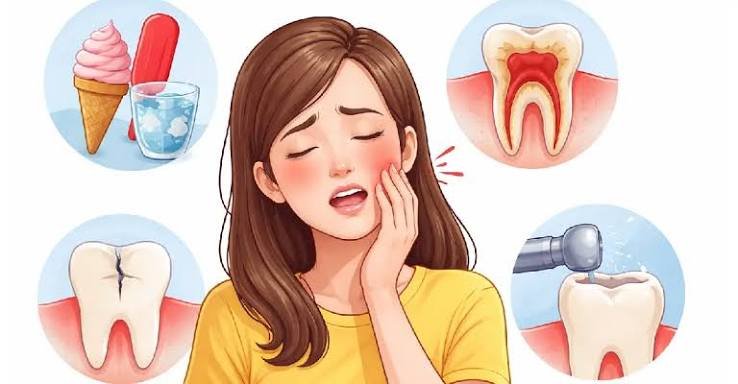
Why are my teeth sensitive all of a sudden? In most cases, it comes down to worn enamel, receding gums, a cracked tooth, recent dental work, or a new whitening product exposing the sensitive dentin layer underneath.
That sharp zing from cold water or a bite of ice cream can feel alarming when it comes out of nowhere, but it’s rarely a dental emergency.
Quick Overview: Common Causes of Sudden Tooth Sensitivity
Before going into detail, it helps to see the full picture in one place.
The table below summarizes the most common causes reported by dentists, along with how often each one shows up in practice.
| Cause | Typical Trigger | How Common |
|---|---|---|
| Enamel erosion | Acidic foods, aggressive brushing | Very common |
| Gum recession | Gum disease, hard brushing | Very common |
| Teeth grinding (bruxism) | Stress, sleep habits | Common |
| Tooth decay or cavity | Bacteria, sugar, poor hygiene | Common |
| Recent dental work | Fillings, crowns, cleanings | Common |
| Teeth whitening products | Peroxide-based bleaching agents | Common |
| Cracked or fractured tooth | Chewing ice or hard foods | Moderate |
| Sinus infection | Inflammation near upper teeth | Moderate |
| Acidic mouthwash | Frequent use of acidic rinses | Less common |
| Aging enamel | Natural wear over time | Moderate |
This table is a helpful starting point, but the sections below explain each cause in more depth so you can narrow down your own situation.
Why Are My Teeth Sensitive All of a Sudden? Main Causes Explained
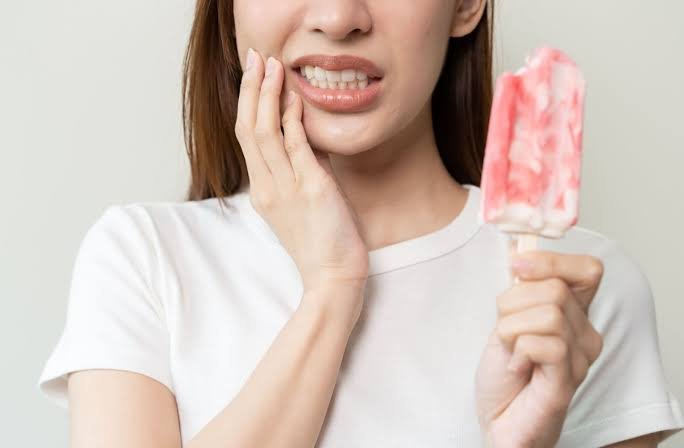
Enamel Erosion From Acidic Foods and Drinks
Enamel is the hard, protective outer layer covering each tooth.
Frequent exposure to acidic foods and drinks like citrus fruits, soda, wie, and even tomatoes can gradually wear this layer down.
Once enamel thins enough, the sensitive dentin underneath becomes exposed, and sensitivity can seem to appear overnight.
Gum Recession Exposing Tooth Roots
Gums can pull away from teeth due to gum disease or overly aggressive brushing.
This exposes the tooth root, which has no enamel coating and reacts strongly to temperature and pressure.
Because recession happens gradually, the pain often feels sudden even though the cause built up over months.
Teeth Grinding or Clenching (Bruxism)
Many people grind or clench their teeth at night without realizing it, often triggered by stress or sleep issues.
This constant pressure wears down enamel and creates tiny cracks that expose the nerve underneath.
Morning jaw soreness or headaches are common signs that grinding may be behind your sensitivity.
Newly Developing Tooth Decay
A cavity doesn’t always hurt right away, and early decay can progress quietly for weeks.
Once decay reaches the deeper layers of a tooth, cold, sweet, or sour foods can suddenly trigger sharp pain.
Sensitivity localized to just one tooth is a strong signal that decay may be the cause.
Recent Dental Work or Procedures
Fillings, crowns, cleanings, and other dental procedures can cause short-term sensitivity as the area heals.
This type of sensitivity is normal and usually fades within a few days to two weeks.
If it worsens or lingers longer than that, a follow-up visit with your dentist is worth scheduling.
Teeth Whitening Products
Over-the-counter whitening strips, gels, or abrasive whitening toothpaste can irritate the nerve inside your teeth.
Whitening agents work by penetrating the enamel to break down stains, which can temporarily increase sensitivity.
If your sensitivity started shortly after a whitening treatment, this is very likely your answer.
A Cracked or Fractured Tooth
Biting into something hard, like ice or popcorn kernels, can create tiny cracks that are difficult to see.
These micro-fractures let hot, cold, and sweet substances reach the nerve, causing pain when chewing or releasing pressure.
Temperature sensitivity from a cracked tooth often comes and goes, which can make it confusing to pin down.
Sinus Infection or Congestion
Your upper back teeth sit close to your sinuses, and inflammation there can put pressure on nearby nerve endings.
This pressure can radiate down, making several teeth feel sensitive even though nothing is wrong with the teeth themselves.
If sensitivity comes with nasal congestion or facial pressure, a sinus issue could be the real cause.
Acidic Mouthwash or Aggressive Oral Care Products
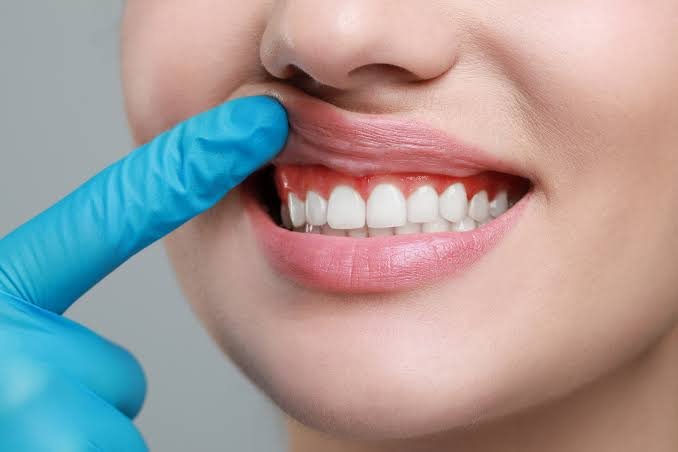
Some mouthwashes contain acidic ingredients that can make existing sensitivity worse over time.
Similarly, using a hard-bristled toothbrush or brushing back and forth instead of in gentle circles accelerates enamel wear.
Natural Aging of Tooth Enamel
Enamel naturally thins with age, even with good oral hygiene habits.
This gradual wear can eventually cross a tipping point where sensitivity becomes noticeable seemingly out of nowhere.
How to Know Which Cause Applies to You
Sensitivity in One Tooth vs. Multiple Teeth
Pain localized to a single tooth often points to decay, a crack, or a problem with recent dental work.
Sensitivity across many teeth at once usually suggests enamel erosion, gum recession, or grinding.
Sensitivity Triggered by Specific Stimuli
Pain from cold drinks specifically often relates to exposed dentin from enamel wear or gum recession.
Pain when chewing or biting down is more commonly linked to a cracked tooth or a cavity.
Timing Relative to Recent Events
If sensitivity started right after whitening, a cleaning, or a filling, that recent event is very likely the cause.
If there’s no clear trigger, gradual enamel erosion or grinding are the more likely explanations.
Accompanying Symptoms
Jaw soreness or morning headaches point toward teeth grinding as a contributing factor.
Nasal congestion alongside tooth sensitivity suggests a sinus-related cause rather than a dental one.
At-Home Fixes for Sensitive Teeth
Switch to a Desensitizing Toothpaste
Toothpastes containing potassium nitrate or stannous fluoride work by blocking the tiny tubules that lead to the tooth’s nerve.
Consistent use over several weeks typically produces noticeable relief.
Use a Soft-Bristled Toothbrush
A soft-bristled brush reduces further enamel and gum wear compared to medium or hard bristles.
Brushing gently in small circles, rather than back and forth, also helps protect what enamel remains.
Limit Acidic Foods and Drinks
Cutting back on soda, citrus fruits, wine, and other acidic items reduces ongoing enamel erosion.
Rinsing your mouth with water after consuming acidic foods can also help minimize their impact.
Avoid Brushing Immediately After Acidic Meals
Enamel is temporarily softened right after eating acidic foods, so brushing immediately can cause more damage.
Waiting about 30 minutes before brushing gives your enamel time to re-harden.
Try a Fluoride Mouth Rinse
Fluoride helps strengthen enamel and can reduce sensitivity over time when used regularly.
Look for an alcohol-free formula if you also want to avoid additional irritation.
Pause Whitening Treatments Temporarily
If sensitivity began after starting a whitening product, stopping use for a week or two often allows discomfort to settle.
Switching to a gentler whitening formula afterward may prevent the issue from returning.
Address Teeth Grinding With a Night Guard
An over-the-counter or custom night guard cushions your teeth from the pressure of grinding while you sleep.
Reducing stress through relaxation techniques can also help lower nighttime grinding frequency.
Professional Treatments Your Dentist May Recommend
In-Office Fluoride Varnish
A dentist can apply a concentrated fluoride treatment directly to sensitive areas for stronger, longer-lasting relief than at-home rinses.
Dental Bonding
Bonding applies a tooth-colored resin layer over exposed dentin, sealing it in a way similar to natural enamel.
Gum Grafting
If gum recession is severe, a gum graft covers the exposed root with tissue to reduce sensitivity and protect the area long-term.
Root Canal Therapy
In more serious cases where the nerve is affected, a root canal removes the damaged tissue and eliminates the source of pain entirely.
Filling or Crown Replacement
If sensitivity stems from a cavity or a failing filling, replacing or repairing the affected area resolves the underlying issue.
Custom Night Guard
A dentist-made night guard fits your bite precisely, offering better protection against grinding than generic store-bought versions.
Sudden Tooth Sensitivity: Causes and Treatment at a Glance
| Cause | Best At-Home Step | Professional Treatment |
|---|---|---|
| Enamel erosion | Desensitizing toothpaste | Fluoride varnish |
| Gum recession | Soft-bristled brush | Gum graft |
| Teeth grinding | Reduce stress, soft diet | Custom night guard |
| Tooth decay | Limit sugar intake | Filling or crown |
| Recent dental work | Wait it out, avoid extremes | Follow-up evaluation |
| Whitening sensitivity | Pause treatment | Gentler whitening formula |
| Cracked tooth | Avoid chewing on that side | Bonding or crown |
When to See a Dentist for Tooth Sensitivity
Sensitivity Lasts Longer Than Two Weeks
Short-term sensitivity after dental work or whitening is normal, but anything persisting beyond two weeks needs evaluation.
Pain Is Localized to a Single Tooth
Sensitivity confined to one tooth is more likely tied to decay, a crack, or an infection that needs direct treatment.
Sensitivity Is Getting Worse Over Time
Pain that intensifies rather than improves suggests an underlying issue that won’t resolve on its own.
You Notice Visible Damage or Swelling
Visible cracks, chips, or gum swelling alongside sensitivity are signs that professional care shouldn’t be delayed.
Pain Is Severe or Accompanied by Fever
Severe pain lasting more than 48 hours, a fever, or facial swelling can indicate infection and should be treated as urgent.
Preventing Tooth Sensitivity From Coming Back
Maintain a Consistent Oral Hygiene Routine
Brushing gently twice a day and flossing daily helps prevent both decay and gum recession over the long term.
Replace Your Toothbrush Every 3-4 Months
A worn-out toothbrush is less effective at cleaning and can encourage you to brush harder than necessary.
Schedule Regular Dental Checkups
Routine exams catch cavities, cracks, and early gum disease before they progress into more painful, expensive problems.
Wear a Mouth Guard if You Grind Your Teeth
Ongoing use of a night guard protects your enamel from ongoing wear caused by grinding or clenching.
Moderate Acidic and Sugary Foods
Reducing frequent exposure to acidic drinks and sugary snacks helps protect enamel and prevent new cavities from forming.
Tooth Sensitivity vs. a Toothache: What’s the Difference
Tooth Sensitivity
Sensitivity is typically a sharp, short-lived pain triggered by specific stimuli like cold air, sweets, or brushing.
The pain usually fades within seconds once the trigger is removed.
Toothache
A toothache tends to be a more constant, throbbing pain that isn’t necessarily tied to a specific trigger.
Toothaches often signal a more advanced issue, like a deep cavity or infection, and typically require prompt dental treatment.
Knowing which one you’re experiencing helps you judge how urgently you should seek care.
Foods and Drinks That Commonly Trigger Sensitivity
Cold Items
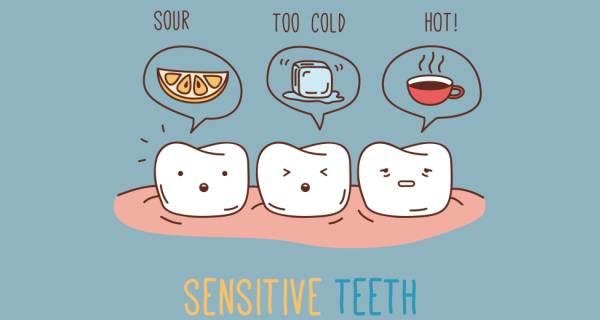
Ice water, ice cream, and frozen foods are among the most common triggers because cold rapidly stimulates exposed nerve endings.
Hot Beverages
Coffee, tea, and soup can trigger a similar sharp reaction, especially when dentin is already exposed.
Sweet Foods
Sugar interacts with exposed dentin in a way that can cause a quick, intense zing, particularly with sticky or sugary snacks.
Acidic Foods and Drinks
Citrus fruits, vinegar-based dressings, and carbonated drinks combine acidity with texture that can intensify existing sensitivity.
Cold Air
Breathing through your mouth in cold weather can trigger sensitivity in the same way cold drinks do, especially for exposed roots.
Common Myths About Tooth Sensitivity
Myth: Sensitive Teeth Always Mean a Cavity
While cavities are one possible cause, most sudden sensitivity actually comes from enamel wear or gum recession rather than decay.
Myth: Brushing Harder Cleans Better and Reduces Sensitivity
Brushing harder does the opposite — it accelerates enamel wear and gum recession, making sensitivity worse over time.
Myth: Sensitivity Always Requires a Root Canal
Root canals are reserved for more severe cases involving nerve damage, not routine sensitivity from enamel wear.
Myth: Whitening Products Never Cause Long-Term Damage
While most whitening-related sensitivity is temporary, overuse or misuse of strong products can contribute to lasting enamel thinning.
Myth: Sensitive Teeth Will Always Go Away on Their Own
Some cases resolve without intervention, but ongoing causes like grinding or acid exposure usually need to be addressed directly to see lasting improvement.
How Diet Changes Can Reduce Long-Term Sensitivity
Increase Calcium and Vitamin D Intake
Calcium-rich foods like dairy, leafy greens, and almonds support stronger enamel and healthier teeth overall.
Choose Water Over Acidic Beverages
Swapping soda or citrus juices for water throughout the day reduces the frequency of acid exposure to your enamel.
Eat Acidic Foods With a Meal, Not Alone
Combining acidic foods with other foods helps buffer their effect on your enamel compared to eating them on their own.
Chew Sugar-Free Gum After Meals
Chewing gum stimulates saliva production, which naturally helps neutralize acids and protect enamel between brushings.
What to Expect at a Dental Visit for Sensitivity
A Review of Your Symptoms and History
Your dentist will ask when the sensitivity started, what triggers it, and whether it’s localized or widespread.
This history often narrows down the likely cause before any physical exam even begins.
A Visual and Physical Exam
Your dentist will check for visible cracks, decay, gum recession, and signs of wear from grinding.
X-Rays if Needed
X-rays can reveal decay, cracks, or issues below the gumline that aren’t visible during a standard exam.
A Tailored Treatment Plan
Based on the findings, your dentist will recommend the most appropriate option, from a simple toothpaste switch to a more involved procedure.
Special Considerations for Different Age Groups
Children and Teens
Sensitivity in younger patients is often linked to newly erupting teeth, early cavities, or acidic diets heavy in soda and juice.
Establishing gentle brushing habits early helps prevent enamel damage that leads to sensitivity later in life.
Adults
Adults most commonly experience sensitivity from gum recession, grinding related to stress, or the cumulative effects of acidic foods over the years.
Regular checkups become especially important in this stage to catch gum disease before it progresses.
Older Adults
Natural enamel thinning, combined with a longer history of wear, root exposure, or past dental work, makes sensitivity more common in older adults.
Fluoride treatments and desensitizing products are often part of a long-term management plan at this stage.
Frequently Asked Questions (FAQs)
Why did my teeth suddenly become sensitive to cold?
Cold sensitivity usually means enamel has worn down or gums have receded, exposing the dentin layer underneath.
A desensitizing toothpaste is a good first step while you also monitor for other symptoms.
Can stress cause sudden tooth sensitivity?
Yes, stress often leads to teeth grinding or clenching, especially at night, which wears down enamel over time.
A night guard and stress management techniques can both help reduce this.
Is sudden tooth sensitivity a sign of a cavity?
It can be, especially if the pain is limited to one tooth and worsens with sweet or cold foods.
A dental exam is the best way to confirm or rule out decay.
How long does sensitivity from teeth whitening usually last?
Whitening-related sensitivity typically resolves within a few days to about a week after stopping treatment.
If it lasts longer, switching to a gentler whitening product or pausing entirely is recommended.
Can a sinus infection really make my teeth hurt?
Yes, inflammation in the sinuses near your upper back teeth can create pressure that feels like tooth pain.
This usually resolves once the sinus infection clears up.
Should I stop brushing my teeth if they’re sensitive?
No, but switch to a soft-bristled brush and gentle, circular brushing motions instead of stopping altogether.
Skipping oral hygiene can actually make sensitivity worse by allowing decay or plaque buildup.
Why are my teeth sensitive only when I bite down?
Pain specifically when biting or releasing pressure often points to a cracked tooth or a loose filling.
This should be evaluated by a dentist, since cracks can worsen without treatment.
Can gum disease cause sudden tooth sensitivity?
Yes, gum disease can cause gums to pull away from teeth, exposing the sensitive root surface underneath.
Early treatment can prevent further recession and reduce ongoing sensitivity.
Is it normal for teeth to be sensitive after a filling?
Yes, mild sensitivity after a filling is common and usually fades within one to two weeks.
If it persists longer or worsens, contact your dentist for a follow-up check.
When should I worry about sudden tooth sensitivity?
Worry if the pain is severe, lasts more than two weeks, or comes with swelling, fever, or visible damage.
These signs suggest a deeper issue that needs prompt professional evaluation.
Conclusion
Sudden tooth sensitivity can feel unsettling, especially when it seems to appear out of nowhere, but it almost always has a clear, treatable cause.
Worn enamel, receding gums, teeth grinding, a new cavity, recent dental work, or a whitening product are behind the vast majority of cases.
Simple steps like switching to a desensitizing toothpaste, using a soft-bristled brush, and cutting back on acidic foods often bring noticeable relief within a few weeks.
If sensitivity is severe, limited to one tooth, or lasts longer than two weeks, it’s time to see a dentist who can pinpoint the exact cause and recommend the right treatment.
With the right combination of home care and professional support, most people find lasting relief and can enjoy their favorite hot, cold, and sweet foods again without discomfort.


