


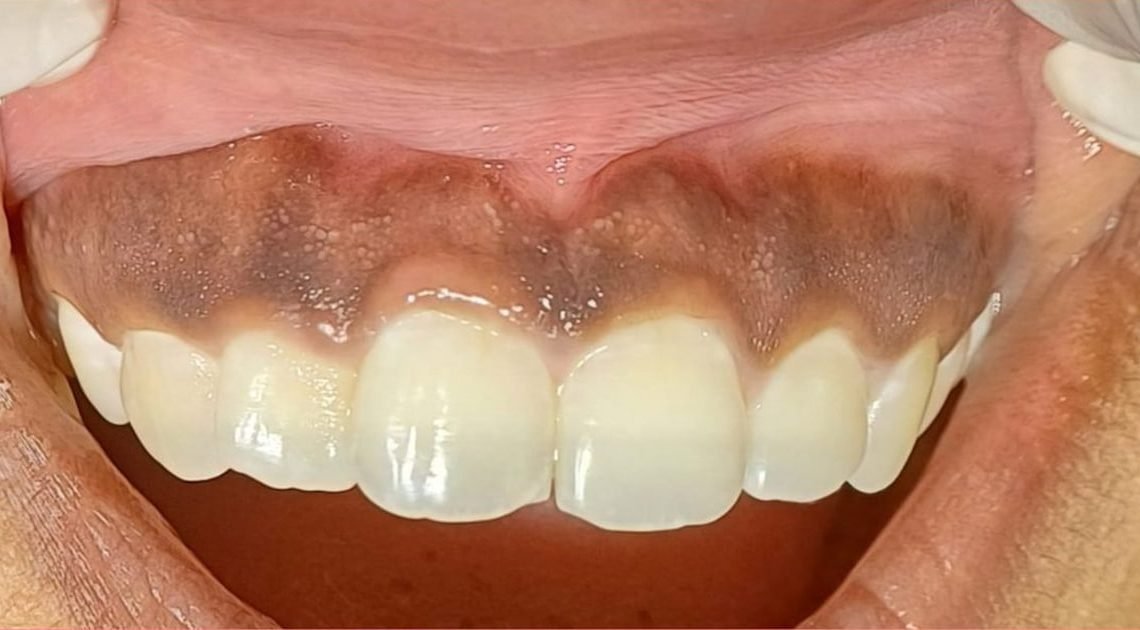
Why are my gums black? This is one of the most searched dental questions — and for good reason. Black or dark-colored gums can be completely normal for
some people, or they can signal something that needs immediate dental attention.
The color of your gums depends on several factors including genetics, lifestyle habits, medications, and underlying health conditions.
Understanding the difference between harmless pigmentation and a warning sign could protect your oral and overall health.
This guide covers every cause, symptom, and treatment you need to know in 2026.
Is It Normal to Have Black Gums?
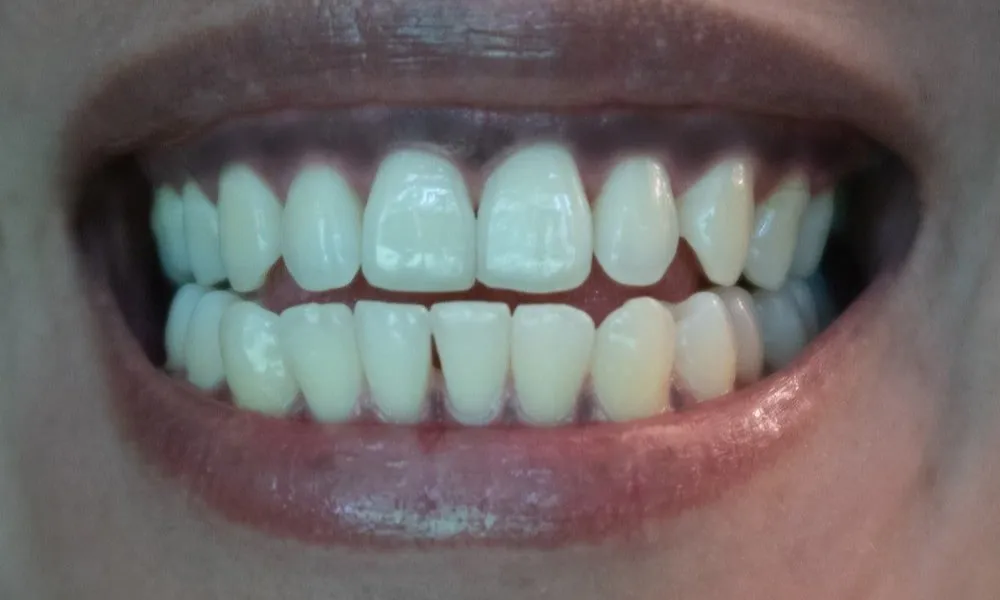
Not every case of black gums means something is wrong. Gum color varies widely from person to person, just like skin tone.
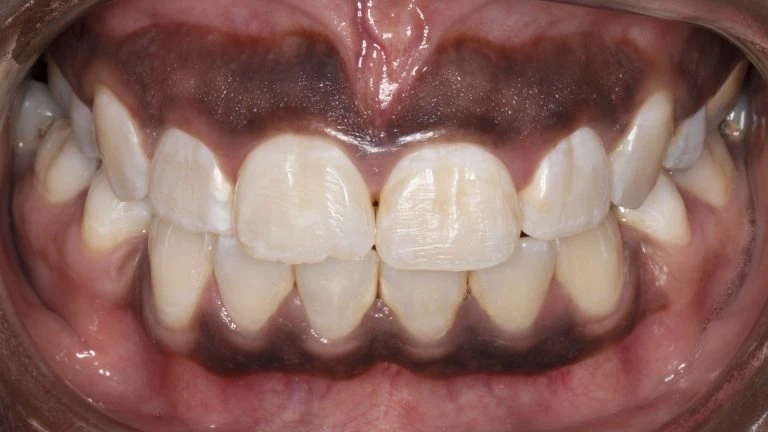
People with African, Asian, or Mediterranean heritage often have naturally darker or brownish-black gums due to higher melanin levels in their gum tissue. This is completely healthy and requires no treatment.
If your gums have always looked dark and you have no pain, bleeding, or swelling, they are most likely just naturally pigmented. You can confirm this with a simple dental checkup.
What Causes Black Gums? 10 Proven Reasons
There are both benign and serious causes of black or dark gums. Here is a complete breakdown.
1. Natural Melanin Pigmentation
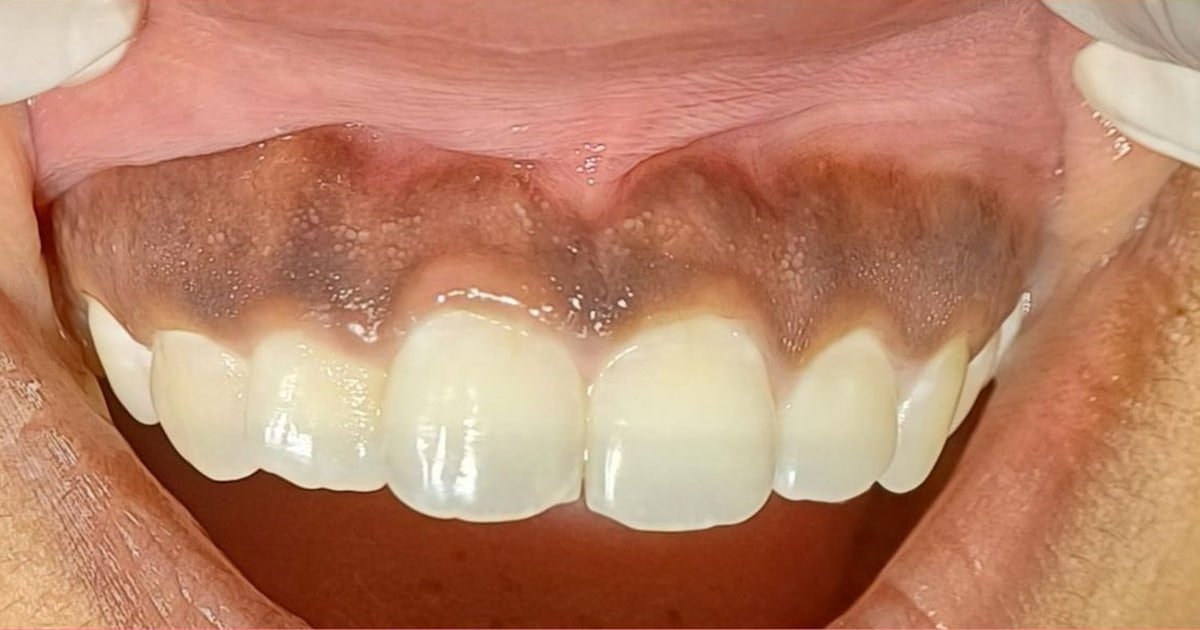
Melanin is the same pigment that gives your skin, hair, and eyes their color. Higher levels of melanin in your gum tissue lead to darker gums — brown, purple, or black in shade.
This is the most common cause of dark gums worldwide. It is not a disease, not dangerous, and does not require any treatment unless you want cosmetic changes.
People with naturally dark gums have no pain, no bleeding, and no swelling. The color is even and has been present since childhood or birth.
2. Smoking and Tobacco Use (Smoker’s Melanosis)
Smoking is one of the most common reversible causes of black gums. The nicotine in tobacco stimulates melanocytes (melanin-producing cells) to produce more pigment than normal.
This condition is called smoker’s melanosis. It typically appears on the front gums of the lower jaw and can affect the inner cheeks and lower lip as well.
The good news is that quitting smoking may reverse the discoloration over time. Research has found a strong link between quitting tobacco and reduced gum pigmentation.
3. Gum Disease (Gingivitis and Periodontitis)
Poor oral hygiene leads to plaque and tartar buildup at and below the gumline. When tartar absorbs blood from nearby vessels and mixes with proteins, the gums around the teeth can turn black.
Gingivitis starts with red, swollen, and bleeding gums. If ignored, it progresses to periodontitis, which can cause deep infections, bone loss, and black or dark gum tissue.
Signs of gum disease alongside dark gums include bad breath, bleeding when brushing, receding gums, and loose teeth. This requires professional dental treatment immediately.
4. Trench Mouth (Acute Necrotizing Ulcerative Gingivitis)
Trench mouth is a severe bacterial infection of the gums. It causes gum tissue to die, turning the gums dark gray or black. It is one of the more serious causes of sudden black gum patches.
Symptoms include intense gum pain, a foul smell, heavy bleeding, fever, and black or gray tissue forming along the gumline. Ulcers can also develop along the edges of the teeth.
It is caused by stress, poor sleep, poor diet, and neglected oral hygiene. A dentist will treat it with professional cleaning and antibiotics.
5. Medications That Cause Black Gums
Several prescription medications have gum discoloration as a known side effect. The pigmentation is usually dark brown, purple, or black and appears after starting the medication.
| Medication | Used For | Effect on Gums |
|---|---|---|
| Minocycline | Acne, infections | Black or blue-gray gum patches |
| Chlorpromazine | Antipsychotic | Dark gum pigmentation |
| Chloroquine / Quinine | Antimalarial | Gum discoloration |
| Bleomycin / Cyclophosphamide | Chemotherapy | Oral hyperpigmentation |
| Ketoconazole | Antifungal | Gum color changes |
| Zidovudine | Antiretroviral | Dark patches in mouth |
If you notice black gums after starting a new medication, speak to your doctor. An alternative drug may be available that does not cause this side effect.
6. Amalgam Tattoo (From Dental Fillings)
An amalgam tattoo is a small, dark blue, gray, or black spot on the gums caused by tiny metalite particles from silver dental fillings. These particles can become embedded in gum tissue during dental procedures.
Amalgam tattoos are completely harmless. They do not grow, do not cause pain, and do not require removal. A dentist can confirm the diagnosis with an X-ray.
This is one of the easiest causes to rule out. If you have had dental fillings and notice a small dark dot near that area, this is almost certainly an amalgam tattoo.
7. Addison’s Disease
Addison’s disease is a rare but serious adrenal gland disorder. The adrenal glands fail to produce enough cortisol and aldosterone, triggering the pituitary gland to release excess ACTH (adrenocorticotropic hormone).
This excess ACTH stimulates melanocytes to produce more melanin, causing dark patches on the skin, lips, and gums. In some patients, oral pigmentation is the very first visible sign of Addison’s disease.
Other symptoms include extreme fatigue, unexplained weight loss, low blood pressure, salt cravings, and muscle weakness. Addison’s disease is life-threatening if left untreated and requires urgent medical referral.
8. Oral Malignant Melanoma
This is the rarest but most serious cause of black gums. Oral malignant melanoma accounts for less than 1% of all melanomas and about 0.5% of all oral cancers, but it is extremely aggressive.
It appears as a dark black or brown spot or patch on the gums, usually without pain in the early stages. The patch may grow, change shape, or feel irregular. It is diagnosed through a tissue biopsy.
Any new dark spot on the gums that was not there before — especially if it grows or changes — must be evaluated by a dentist immediately. Early detection dramatically improves outcomes.
9. Black Tartar at the Gumline
Subgingival tartar (tartar below the gumline) is one of the most overlooked causes of gums appearing black. Blood pigments and proteins mix with hardened plaque, turning it a deep black color.
This black tartar sits below the gumline and is invisible during routine inspection unless your dentist uses a probe or X-ray. It causes the gum tissue around the teeth to appear dark or blackened.
Only a dental professional can remove subgingival tartar through a procedure called scaling and root planing. You cannot remove it at home.
10. Peutz-Jeghers Syndrome and Rare Genetic Conditions
Peutz-Jeghers syndrome is a rare inherited disorder that causes dark freckle-like spots to appear on the lips, inside the cheeks, and on the gums. These spots are caused by excess melanin.
This condition is also associated with intestinal polyps and an elevated risk of certain cancers. Diagnosis is made through genetic testing and physical examination. Regular monitoring is essential for people with this condition.
Warning Signs You Must Not Ignore
Not all dark gums are harmless. Here are the signs that mean you need to see a dentist right away.
| Warning Sign | What It Could Mean |
|---|---|
| Sudden color change in gums | Gum disease, trench mouth, Addison’s disease |
| Black patches that grow or change | Oral melanoma — see dentist immediately |
| Gum pain alongside dark color | Infection, trench mouth, periodontitis |
| Bleeding gums with dark patches | Active gum disease |
| Fever with black gum tissue | Trench mouth requiring urgent care |
| Loose teeth with dark gums | Advanced periodontitis |
| Dark gums after starting medication | Drug-induced pigmentation |
| Black spot appeared suddenly | Rule out amalgam tattoo or melanoma |
If you experience any two or more of the symptoms in the table above together, do not wait. Book a dental appointment within 48 hours.
How Healthy Gums vs. Problematic Gums Look
Understanding what normal gums look like helps you identify changes early.
Healthy gums are firm, do not bleed during gentle brushing, and fit snugly around the teeth. Their color ranges from pale pink to coral to deep brown or black depending on your natural melanin level.
Problematic gums are swollen, bleed easily, pull away from teeth, and may have sudden patches of discoloration that were not present before. Pain and bad breath often accompany unhealthy gums.
The single most important thing to watch for is change. If your gum color has always been dark, that is your baseline. If it has recently changed, that is when you need professional evaluation.
Diagnosis: How Does a Dentist Identify the Cause?
A dentist will use several tools to determine what is causing your black gums. The diagnostic process typically involves multiple steps.
Visual examination is the first step. Your dentist will look at the color, texture, distribution, and pattern of the discoloration to narrow down possible causes.
Dental X-rays help identify subgingival tartar, amalgam particles, or bone loss from advanced gum disease. X-rays can confirm amalgam tattoos without the need for further testing.
Tissue biopsy is performed when a suspicious lesion could be melanoma or another serious condition. A small sample of gum tissue is sent to a laboratory for microscopic analysis.
Blood tests are ordered when Addison’s disease or another systemic condition is suspected, checking cortisol and ACTH hormone levels.
Treatment Options for Black Gums
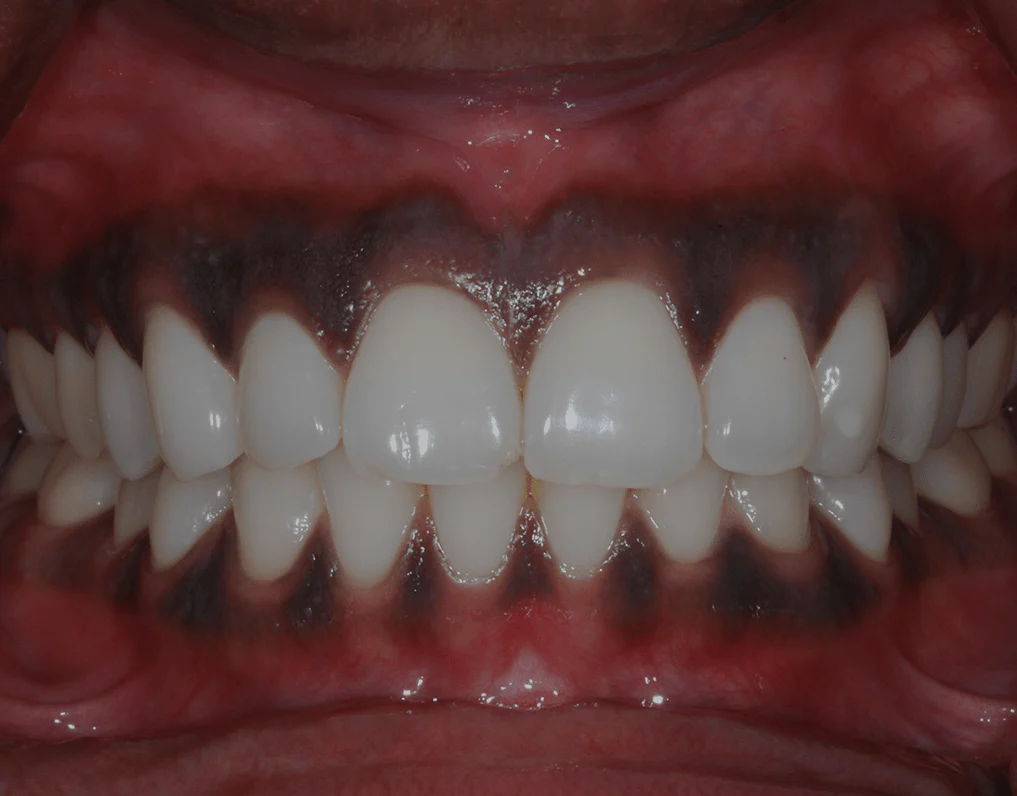
The right treatment depends entirely on the cause of the discoloration. Here is a full breakdown.
Treatments for Natural Melanin Pigmentation
No treatment is medically necessary for naturally dark gums. However, if you want to lighten them for cosmetic reasons, several safe options exist.
Laser gum depigmentation is the most popular and effective option. A dental laser targets and removes the outer layer of pigmented gum tissue. Results are often permanent, and the procedure takes under one hour.
Surgical scraping (scalpel depigmentation) is another method where a scalpel removes the darkened gum tissue. Initial results are good, but melanin-producing cells can sometimes return to the treated area.
Cryosurgery uses extreme cold to freeze and destroy pigmented tissue. Studies report a low recurrence rate after this procedure, making it a reliable option.
Free gingival grafting uses unpigmented tissue harvested from the roof of the mouth and placed over the dark gum tissue to conceal it.
Treatments for Gum Disease-Related Black Gums
If gum disease is causing the discoloration, professional cleaning is the first step. A dental hygienist performs scaling and root planing to remove plaque and tartar from above and below the gumline.
Antibiotic therapy may be prescribed alongside cleaning for moderate to severe infections. Medicated mouthwash is recommended to control bacteria and prevent reinfection.
For advanced periodontitis, surgical procedures including gum flap surgery or bone grafting may be needed to restore damaged tissue and bone structure.
Treatments for Trench Mouth
A dentist will perform a thorough professional cleaning of the infected area. Antibiotics such as metronidazole or penicillin are typically prescribed to eliminate the bacterial infection.
Medicated mouthwash is used as a daily rinse to support healing. Pain relievers help manage discomfort during recovery. Repeat infections are prevented through strict oral hygiene.
Treatments for Smoking-Related Dark Gums
The most effective treatment for smoker’s melanosis is quitting tobacco. Research consistently shows that gum color can improve significantly within months of stopping smoking.
Laser depigmentation can speed up the improvement for those who have already quit or want faster cosmetic results. However, continued smoking will cause the discoloration to return even after treatment.
Treatments for Medication-Induced Pigmentation
Your doctor may be able to switch you to an alternative medication that does not cause gum discoloration. Never stop a prescribed medication without medical guidance.
If switching is not possible, laser treatment or gingival depigmentation can address the cosmetic appearance of the discolored gums while you continue necessary medication.
Home Remedies: What Actually Helps and What Does Not
Some home remedies may support gum health in mild cases, but they do not replace professional dental care.
Oil pulling with coconut oil may help reduce bacteria in the mouth. Swish one tablespoon for 15 minutes daily before brushing.
Salt water rinse is an effective antimicrobial rinse. Dissolve half a teaspoon of salt in a cup of warm water and rinse after meals.
Aloe vera gel has anti-inflammatory properties. Massaging a small amount onto the gums can soothe irritated tissue.
Baking soda paste can gently remove surface stains when used occasionally. Mix with a small amount of water and brush gently on gums.
What does NOT work: Hydrogen peroxide at high concentrations, bleaching agents bought online, or aggressive scrubbing of the gums. These can cause chemical burns and worsen discoloration.
Home remedies only help with surface staining and inflammation. They will not treat gum disease, amalgam tattoos, Addison’s disease, or melanoma. See a dentist if you have any doubt.
Prevention: How to Keep Your Gums Healthy
Preventing gum problems starts with consistent daily habits and regular professional care.
Brush twice daily using a soft-bristled toothbrush and fluoride toothpaste. Brushing removes plaque before it hardens into tartar.
Floss every day to clean between teeth and along the gumline where your toothbrush cannot reach. Flossing is non-negotiable for gum health.
Avoid tobacco in all forms — cigarettes, chewing tobacco, and e-cigarettes all negatively affect gum tissue and color.
Visit your dentist every 6 months for professional cleaning and examination. Early detection of any gum color change is much easier to treat.
Eat a balanced diet low in sugar and rich in vitamins C and D, which are essential for strong and healthy gum tissue.
Drink enough water throughout the day to flush bacteria and support saliva production, which naturally protects the gums.
When to See a Dentist Immediately
Some situations require same-day or next-day dental care. Do not delay if you experience any of the following.
Your gums have suddenly changed color within days or weeks, especially if you have not changed any medications. There is a dark spot on your gums that has grown, changed shape, or developed irregular edges. You have pain, swelling, or fever alongside black gum tissue. Your gums bleed heavily, and you notice teeth becoming loose. You have been diagnosed with Addison’s disease and notice new oral pigmentation.
For any suspicious lesion that could be melanoma, same-day emergency dentistry is warranted. Early-stage oral melanoma is treatable; delayed diagnosis significantly worsens prognosis.
What Do Dermatologists and Dentists Say in 2026?
Dental professionals in 2026 emphasize a prevention-first approach to gum health. Regular monitoring of gum color changes during routine checkups has become standard practice.
Laser gum depigmentation has advanced significantly, with newer diode lasers offering more precision and faster healing than older methods. The procedure is now available in most general dental practices, not just specialist clinics.
Systemic awareness has also improved. Dentists are now better trained to recognize that black gum patches can be the first sign of Addison’s disease, an adrenal crisis that requires urgent endocrinology referral.
Routine ABCDE assessment (Asymmetry, Border, Color, Diameter, Evolution) — similar to skin cancer screening — is now being applied to gum lesions to catch melanoma earlier.
Summary: Quick Reference Table
| Cause | Dangerous? | Treatment Needed? |
|---|---|---|
| Natural melanin pigmentation | No | Optional (cosmetic only) |
| Smoker’s melanosis | No (but smoking is) | Quit smoking; laser optional |
| Gum disease / tartar | Yes if ignored | Professional cleaning required |
| Trench mouth | Yes | Antibiotics + cleaning urgent |
| Medication side effect | Depends | Consult doctor; may switch meds |
| Amalgam tattoo | No | None required |
| Addison’s disease | Yes | Urgent medical referral |
| Oral malignant melanoma | Yes — urgent | Immediate biopsy and treatment |
| Peutz-Jeghers syndrome | Monitor | Regular checkups and monitoring |
Frequently Asked Questions (FAQs)
Why are my gums suddenly turning black?
Sudden gum darkening can indicate gum disease, trench mouth, or a medication side effect. See a dentist promptly if the change happened within days or weeks.
Are black gums a sign of cancer?
Black gums are rarely cancer, but a growing or changing dark lesion on the gums should be evaluated immediately as it could be oral malignant melanoma.
Can poor oral hygiene cause black gums?
Yes. Plaque and tartar buildup, especially below the gumline, can cause gum tissue to appear dark or black. Regular brushing and dental cleanings prevent this.
Do black gums go away on their own?
It depends on the cause. Naturally dark gums stay dark. Smoking-related pigmentation may fade after quitting. Gum disease darkening requires professional treatment.
Is black gum tissue dead tissue?
In trench mouth, yes — black gum tissue can be dying or dead tissue resulting from a severe bacterial infection that requires urgent dental treatment.
Can stress cause black gums?
Stress does not directly cause black gums, but it weakens immunity, making you more susceptible to infections like trench mouth, which can produce dark gum tissue.
How do I get rid of black gums naturally?
You can try oil pulling, salt rinses, and aloe vera for mild cases. However, these do not treat the root cause. A dentist must evaluate any significant or sudden color change.
What does an amalgam tattoo look like on the gums?
An amalgam tattoo appears as a small, flat, blue-gray or black dot on the gums near a dental filling. It is harmless and confirmed by dental X-ray.
Can black gums be reversed?
Yes, in many cases. Smoker’s melanosis may reverse after quitting smoking. Gum disease darkening improves with treatment. Laser depigmentation can lighten naturally dark gums cosmetically.
When should I see a dentist for black gums?
See a dentist immediately if your gums changed color recently, if you have pain or bleeding, if a dark spot is growing, or if you have systemic symptoms like fatigue or fever.
Conclusion
Why are my gums black? Now you know the full picture. Black gums are sometimes nothing more than natural pigmentation that has been with you your whole life — harmless, common, and requiring no treatment.
But they can also be a warning sign of gum disease, a severe infection like trench mouth, a medication side effect, or in rare cases, something as serious as oral melanoma or Addison’s disease.
The most important thing you can do is pay attention to change. If your gum color has always been dark, relax.
If it changed recently, act. Maintain a strong daily oral hygiene routine, avoid tobacco, eat well, and visit your dentist every six months.
Your gums are one of the most visible indicators of your overall health — treat them accordingly and never ignore a sign that something may be wrong.


