

Why are my boogers yellow — and does it mean something is wrong? Yellow boogers are one of the most common and misunderstood nasal symptoms people experience.
In most cases, the yellow color signals that your immune system is actively fighting off an infection, whether viral or bacterial.
But not every case of yellow nasal mucus means you need antibiotics or a doctor’s visit.
The color of your mucus is a window into what is happening inside your body.
What Are Boogers and Why Do They Change Color?
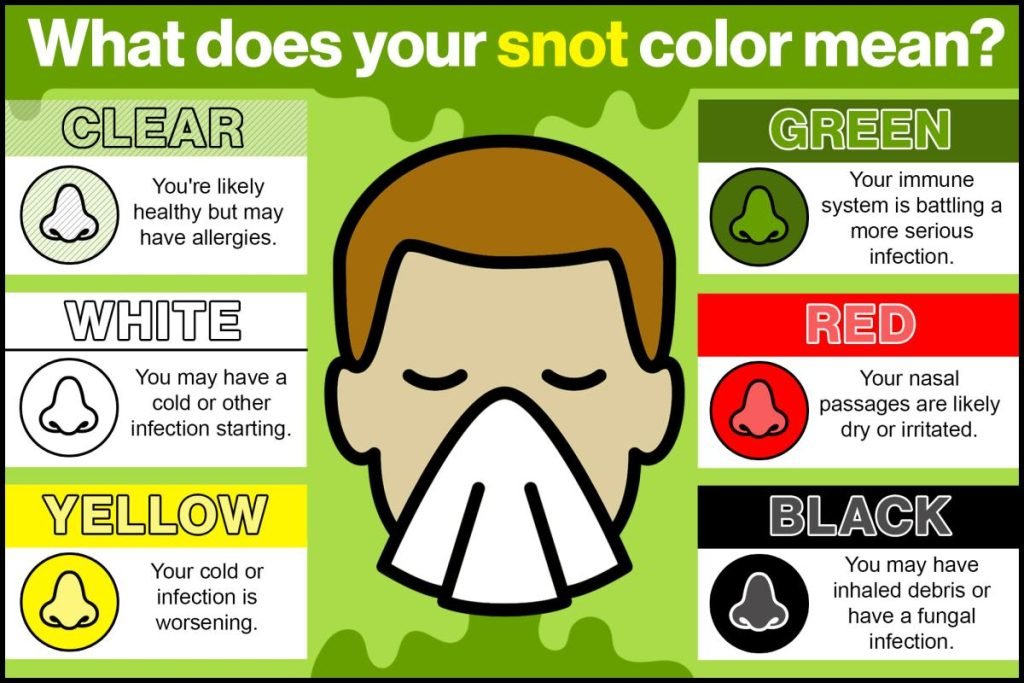

Boogers are simply dried nasal mucus. Your body produces mucus constantly — it lines your nose, sinuses, and throat to trap dust, allergens, bacteria, and viruses before they can reach your lungs.
When that mucus dries out or accumulates debris from what you breathe in, it solidifies into what we call a booger. In a healthy state, mucus is clear and thin. When your body is fighting something, the composition of that mucus changes — and so does its color.
What Makes Boogers Turn Yellow?
The yellow color in boogers comes from white blood cells — specifically a type called neutrophils.
When your immune system detects an infection or irritant, it sends a rapid surge of neutrophils to the area. These cells fight and engulf pathogens, and as they die in the process, they release enzymes and cellular debris that tint the surrounding mucus yellow.
The more white blood cells are present, the more pronounced the color becomes. A pale yellow shade typically indicates a moderate immune response. A deeper, darker yellow signals a more intense battle happening in your nasal passages.
Why Are My Boogers Yellow? The Main Causes
There is not just one reason for yellow boogers. Several common conditions can trigger this color change, and identifying the right one determines the correct treatment.
Common Cold (Viral Upper Respiratory Infection)
The common cold is the most frequent cause of yellow boogers. Viral infections typically begin with clear, watery mucus in the first 1–2 days.
As your immune system mounts a response — flooding the area with white blood cells — the mucus thickens and turns yellow. This usually happens around days 3–5 of a cold and is a completely normal part of the healing process.
The color shift to yellow does not mean your cold has become bacterial. It simply means your immune system is doing its job.
Sinus Infection (Sinusitis)
Sinusitis occurs when the lining of the sinuses becomes inflamed and swollen, preventing normal drainage. Trapped mucus becomes a breeding ground for bacteria or viruses, producing thick yellow or green discharge.
Bacterial sinusitis specifically tends to cause thick, dark yellow mucus accompanied by facial pressure, pain around the eyes and cheeks, and sometimes fever. If symptoms last more than 10 days without improvement, a bacterial sinus infection becomes more likely.
Allergies
Allergic reactions can sometimes cause yellow-tinged mucus, though they more commonly produce clear, watery discharge. When the immune system reacts to an allergen — pollen, dust mites, pet dander — it triggers inflammation in the nasal passages.
That inflammatory response can occasionally produce slightly yellow mucus, particularly if the nasal passages are also irritated or mildly infected secondary to the swelling caused by allergies.
Flu (Influenza)
Influenza causes a stronger immune response than a common cold, which means the yellow mucus produced can be thicker and more abundant. The flu is also more likely to produce higher fever, body aches, and fatigue alongside yellow nasal discharge.
Yellow boogers during a flu infection are a natural immune response — not a sign that antibiotics are needed, since influenza is viral.
Dry Air and Dehydration
Dry environments — particularly heated indoor air in winter — cause nasal mucus to dry out and concentrate rapidly. When mucus loses moisture faster than usual, it can develop a yellow tint simply from concentration and desiccation, without any infection present.
Dehydration has the same effect. If you are not drinking enough water, your mucus thickens and yellows more easily because your body does not have enough fluid to keep it thin and clear.
Nasal Polyps or Structural Blockages
Nasal polyps are soft, non-cancerous growths that form in the nasal passages or sinuses. A deviated nasal septum can also obstruct normal mucus drainage.
When mucus cannot drain properly, it stagnates, thickens, and changes color — often turning yellow. People with polyps or structural nasal issues may experience chronic yellow mucus that is not tied to active infection.
Environmental Irritants and Pollution
Breathing in pollutants, smoke, dust, or chemicals triggers an immune response in the nasal passages. The body treats these particles as threats and sends white blood cells to the area, which can produce yellow-tinted mucus even without a true infection.
Smokers frequently notice yellowish mucus because tobacco smoke is a persistent nasal irritant that constantly activates the local immune response.
COVID-19 and Other Respiratory Viruses
COVID-19 and other newer respiratory viruses can cause nasal mucus changes similar to a common cold or flu. Yellow boogers are a commonly reported symptom during COVID-19 infection, reflecting the immune response to the virus in the upper respiratory tract.
Yellow mucus during COVID-19 does not indicate a bacterial superinfection on its own. It should be evaluated in the context of all other symptoms present.
What Different Shades of Yellow Boogers Mean
The specific shade of yellow matters and gives you more precise information about what is happening.
| Shade | Likely Meaning |
|---|---|
| Pale or light yellow | Early immune response; beginning of a cold or mild irritation |
| Bright or neon yellow | Active infection; strong immune response underway |
| Dark or deep yellow | More intense infection; consider seeing a doctor if persistent |
| Yellow-green | Immune response intensifying; possible bacterial involvement |
| Yellow with blood streaks | Irritated blood vessels from blowing too hard or dry nasal passages |
| Yellow with foul smell | Possible bacterial sinus infection; see a doctor |
Complete Nasal Mucus Color Guide
Yellow is just one color your boogers can turn. Understanding the full color spectrum helps you read your symptoms more accurately.
| Mucus Color | What It Usually Means | Action Needed |
|---|---|---|
| Clear | Normal; also early allergy or cold | No treatment needed |
| White or cloudy | Congestion; early cold; dehydration | Rest, hydrate |
| Light yellow | Immune response; fighting a cold | Home care, monitor |
| Bright yellow | Active infection; cold or flu | Home care; see doctor if over 10 days |
| Yellow-green | Intensifying immune response | See doctor if symptoms worsen or persist |
| Green | Strong immune response; possible bacterial infection | See doctor if no improvement after 10–12 days |
| Brown | Dried blood; inhaled debris; old mucus | Usually harmless; see doctor if with pain |
| Red or pink | Fresh blood; broken blood vessels | See doctor if persistent or heavy |
| Black | Fungal infection (rare); heavy smoke/pollution exposure | See doctor promptly |
Is Yellow Mucus Always a Sign of Bacterial Infection?
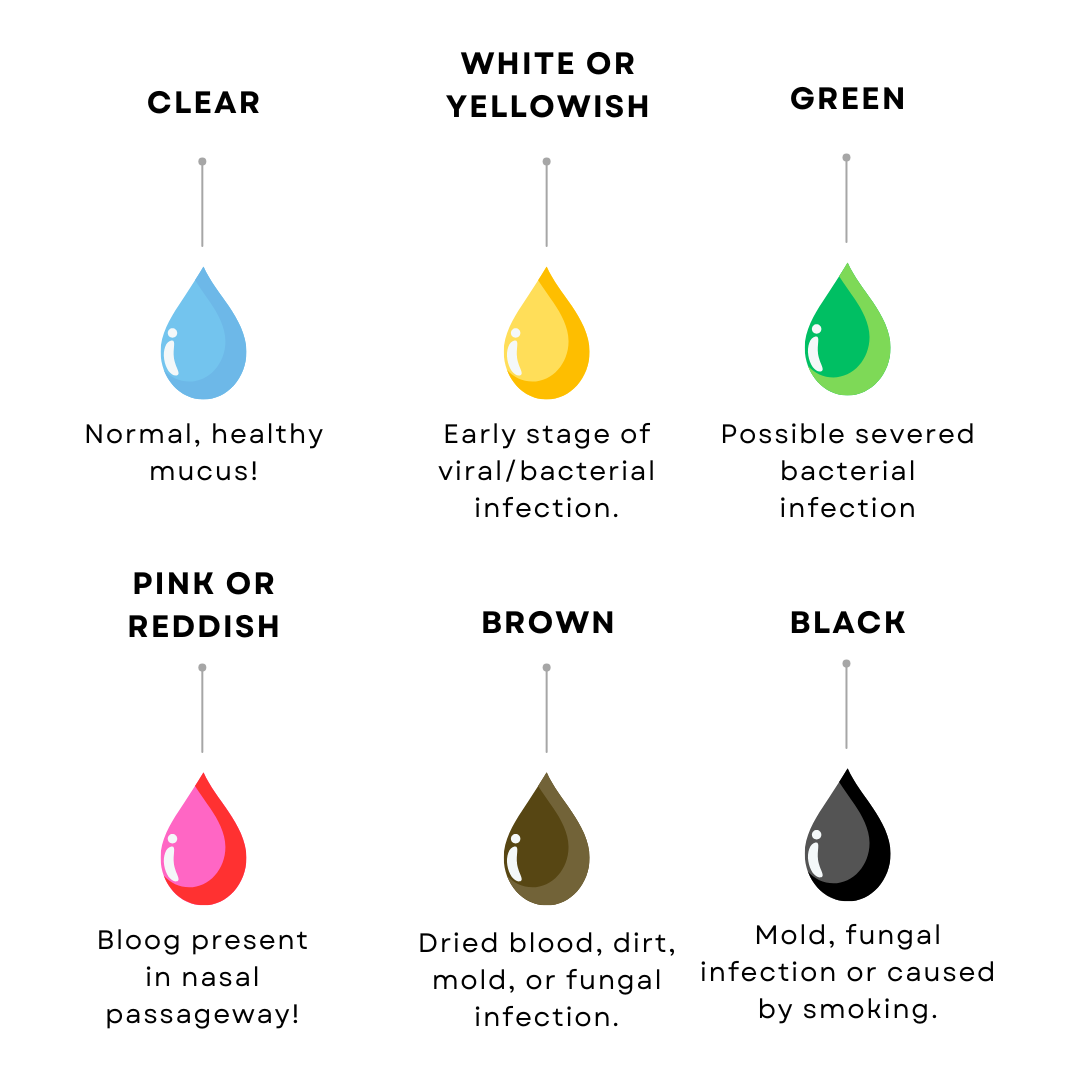

This is one of the most common misconceptions in medicine — and an important one to understand.
Yellow or green mucus does not automatically mean bacterial infection. Viral infections — which do not respond to antibiotics — produce exactly the same yellow and green mucus as bacterial ones.
The color alone cannot distinguish between viral and bacterial causes. Doctors rely on the duration of symptoms, the severity of accompanying symptoms, and clinical examination to make that distinction.
Requesting antibiotics based on mucus color alone is not appropriate and contributes to antibiotic resistance. Yellow boogers after 3–5 days of a cold are expected and normal, not a sign that antibiotics are needed.
Yellow Boogers vs. Sinus Infection: How to Tell the Difference
Knowing whether your yellow boogers indicate a common cold or a true sinus infection saves you an unnecessary doctor’s visit — or prompts you to make a necessary one.
| Feature | Common Cold | Bacterial Sinus Infection |
|---|---|---|
| Duration | 7–10 days | More than 10 days without improvement |
| Mucus color | Yellow, then clears up | Thick yellow-green, persistent |
| Facial pain | Mild | Moderate to severe pressure |
| Fever | Low-grade or none | Can be higher |
| Smell of mucus | Normal | May have foul odor |
| Response to time | Improves steadily | Plateaus or worsens |
| Antibiotics needed | No | Sometimes, if bacterial |
If your yellow boogers and symptoms have not improved after 10 days, or if they initially improved and then got worse, that is the classic pattern of bacterial sinusitis that warrants a medical evaluation.
Why Are My Boogers Yellow in the Morning?

Many people notice yellow boogers specifically first thing in the morning. This is very common and usually has a straightforward explanation.
During sleep, mucus accumulates in the nasal passages and dries out overnight as breathing slows. The concentration of white blood cells and cellular debris in this dried, overnight mucus makes it appear more yellow than it would during the day when fresh mucus is constantly produced.
Morning yellow boogers that clear up after a short time are generally not a concern. It is persistent yellow mucus throughout the day, accompanied by other symptoms, that warrants closer attention.
Why Are My Boogers Yellow Without Being Sick?
If you have yellow boogers but do not feel sick, several non-infection causes could explain it.
Dry indoor air is the most common culprit — particularly in winter when heating systems strip humidity from the air. Allergies, even mild ones, can produce slightly yellow-tinted mucus without a full cold or infection developing.
Environmental irritants like dust, smoke, or strong odors cause localized immune responses. Nasal polyps or a deviated septum can cause mucus to stagnate and yellow. And simple dehydration concentrates your mucus enough to shift its color.
Yellow Boogers in Children
Children develop more frequent upper respiratory infections than adults — up to 8–10 colds per year in young children is considered normal. Yellow boogers are a regular occurrence in kids and usually indicate the natural progression of a viral cold.
Yellow nasal discharge in children does not automatically warrant antibiotics. The same 10-day rule applies: if symptoms have not improved after 10 days, or if the child has a high fever, severe ear pain, or difficulty breathing, see a pediatrician.
Frequent yellow boogers in a child who seems otherwise well may indicate allergies or enlarged adenoids worth discussing at a routine check-up.
Home Remedies for Yellow Boogers
Most cases of yellow boogers resolve on their own. These evidence-supported home remedies help speed up recovery and relieve discomfort.
Stay Hydrated
Mucus is approximately 95% water. Drinking 8 or more glasses of water daily keeps mucus thin and easy to clear, allowing your body to flush pathogens out more efficiently.
Herbal teas with honey, warm broth, and diluted juice all count toward your fluid intake. Avoid excess caffeine and alcohol, which are dehydrating.
Saline Nasal Rinse
A saline nasal rinse — using a neti pot or squeeze bottle with sterile saline solution — physically flushes yellow mucus, allergens, and irritants from the nasal passages.
Studies consistently show saline irrigation reduces nasal congestion, decreases mucus thickness, and shortens the duration of cold and sinus symptoms. Use only distilled or sterile water — never tap water directly.
Steam Inhalation
Breathing warm, moist steam loosens thick yellow mucus and makes it easier to blow out. Taking a hot shower, using a bowl of hot water with a towel over your head, or using a cool-mist humidifier at night all deliver this benefit.
Adding a few drops of eucalyptus oil to steam can provide additional decongestant effect, though evidence for this is anecdotal.
Warm Compress on the Face
Applying a warm, damp washcloth over the nose and cheeks for 10–15 minutes helps reduce sinus pressure and encourages yellow mucus to drain more freely.
This is particularly helpful for the facial pain and pressure associated with sinus congestion.
Honey
Raw honey has well-documented antibacterial and anti-inflammatory properties. Adding honey to warm tea or water soothes throat irritation and may support immune function during a viral infection.
Do not give honey to children under 12 months due to the risk of infant botulism.
Elevate Your Head While Sleeping
Sleeping with your head slightly elevated prevents mucus from pooling in the sinuses overnight — one reason yellow boogers are often worse in the morning.
Use an extra pillow or raise the head of your bed slightly for more comfortable sleep and less morning congestion.
Over-the-Counter Treatments for Yellow Boogers
When home remedies are not enough, several OTC options help manage symptoms.
| Treatment | Purpose | Notes |
|---|---|---|
| Saline nasal spray | Moisturizes, loosens mucus | Safe for all ages; use frequently |
| Decongestant nasal spray (oxymetazoline) | Reduces nasal swelling | Do not use more than 3 days |
| Oral decongestants (pseudoephedrine) | Reduces congestion systemically | Avoid with high blood pressure |
| Guaifenesin (Mucinex) | Thins and loosens mucus | Drink extra water when taking |
| Antihistamines | Helps if allergies are involved | Can cause drowsiness |
| Ibuprofen / acetaminophen | Relieves pain, fever | Follow dosing instructions |
Note: None of these treatments cure the underlying cause. They manage symptoms while your immune system does the actual work.
When to See a Doctor About Yellow Boogers
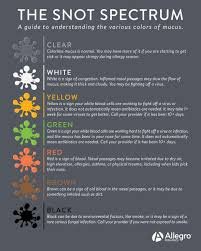

Most cases of yellow boogers do not need medical attention. But certain situations call for professional evaluation.
See a doctor if:
Your yellow boogers and symptoms last more than 10 days without improvement. Symptoms initially improved and then got worse — a pattern called “double-worsening,” which is a strong indicator of bacterial sinusitis. You develop a high fever (above 101.5°F / 38.6°C) alongside yellow mucus. You have severe facial pain or pressure, particularly around the eyes, forehead, or cheeks. Your mucus has a foul smell, suggesting bacterial infection. You notice yellow mucus with significant blood in it repeatedly.
See a doctor immediately if:
You have difficulty breathing or feel short of breath alongside nasal symptoms. You develop a stiff neck, severe headache, or visual changes — which could indicate rare but serious complications of sinus infection. You are immunocompromised or have chronic lung disease and develop yellow mucus.
Can Antibiotics Treat Yellow Boogers?
Antibiotics work only against bacterial infections — not viral ones.
The vast majority of cases of yellow boogers are caused by viral infections like the common cold or flu. Antibiotics will not help these cases and taking them unnecessarily damages your gut microbiome and contributes to antibiotic resistance.
If a doctor confirms a bacterial sinus infection based on the duration and pattern of symptoms, a course of antibiotics — typically amoxicillin or amoxicillin-clavulanate — may be appropriate. The decision should be based on clinical judgment, not mucus color alone.
How to Prevent Yellow Boogers
Preventing yellow boogers means reducing your risk of the infections and irritants that cause them.
Wash your hands frequently and thoroughly, especially during cold and flu season — this is the single most effective way to prevent viral upper respiratory infections. Stay up to date with flu vaccinations. Keep your home properly humidified, especially in winter, to prevent dry-air-related mucus changes.
Manage allergies proactively with antihistamines or nasal steroid sprays to prevent allergic inflammation that can lead to secondary infections. If you smoke, stopping is the most impactful thing you can do for your nasal and respiratory health. Stay hydrated year-round to keep mucus thin and functional.
Yellow Boogers and COVID-19 in 2026
COVID-19 continues to circulate as an endemic respiratory virus in 2026. Yellow nasal mucus remains a commonly reported symptom during COVID-19 infections and is not clinically distinct from what you would see with a common cold.
If you have yellow boogers alongside other COVID-19 symptoms — sore throat, fatigue, fever, cough, or loss of taste or smell — taking a rapid antigen test is recommended. Knowing whether COVID-19 is the cause helps with isolation decisions and treatment eligibility (antivirals like Paxlovid are available for high-risk individuals).
Yellow Boogers During Pregnancy
Pregnancy causes increased blood flow and hormonal changes that swell nasal tissues — a condition called pregnancy rhinitis. This can make mucus thicker, more abundant, and occasionally yellow-tinted even without infection.
Pregnant women should avoid many standard OTC decongestants, particularly pseudoephedrine, especially in the first trimester. Saline rinses and steam are safe first-line options. Consult your OB-GYN or midwife before taking any medication for nasal symptoms during pregnancy.
Frequently Asked Questions (FAQs)
Why are my boogers yellow?
Yellow boogers are caused by white blood cells rushing to fight an infection or irritant. The enzymes released by these immune cells as they die tint your mucus yellow.
Do yellow boogers mean I have a bacterial infection?
Not necessarily. Viral infections like the common cold produce the same yellow mucus as bacterial ones. Color alone cannot distinguish between the two — duration and severity of symptoms matter more.
Should I take antibiotics for yellow boogers?
Only if a doctor confirms a bacterial infection based on your symptom pattern. Yellow boogers from a viral cold will not respond to antibiotics, and taking them unnecessarily is harmful.
How long do yellow boogers last during a cold?
Yellow mucus typically appears around days 3–5 of a common cold and resolves within 7–10 days total. If yellow mucus persists beyond 10 days without improvement, see a doctor.
Why are my boogers yellow in the morning but clear during the day?
Mucus accumulates and dries overnight, concentrating the white blood cells and debris that cause yellow color. As you produce fresh mucus during the day, it appears clearer and thinner.
Can allergies cause yellow boogers?
Yes, though allergies more commonly produce clear, watery mucus. If allergy-related nasal inflammation triggers a secondary immune response or mild infection, yellow mucus can result.
Can dehydration cause yellow boogers?
Yes. Mucus is approximately 95% water. When you are dehydrated, mucus thickens and concentrates, which can give it a yellowish tint without any infection present.
What is the difference between yellow and green boogers?
Yellow mucus indicates an active but moderate immune response. Green mucus means more white blood cells are involved and the immune response is more intense. Green mucus persisting beyond 12 days warrants a doctor visit.
When should I see a doctor for yellow boogers?
See a doctor if yellow mucus lasts more than 10 days, is accompanied by high fever or severe facial pain, has a foul smell, or if your symptoms worsen after initially improving.
Can yellow boogers go away on their own?
Yes, in most cases. Viral infections that cause yellow mucus resolve within 7–10 days with rest, hydration, and supportive home care. No antibiotics are needed for viral causes.
Conclusion
Why are my boogers yellow is a question with a reassuring answer in most cases: your immune system is working exactly as it should.
The yellow color comes from white blood cells fighting off a virus, bacteria, allergen, or irritant — and that process is a sign of a healthy immune response in action.
The vast majority of yellow boogers resolve within 7–10 days with rest, hydration, saline rinses, and steam. The key is knowing when to wait and when to act.
If your yellow mucus lasts beyond 10 days, comes with high fever, severe facial pain, or a foul odor, or gets worse after initially improving, those are the clear signals that it is time to see a doctor.
Yellow boogers are rarely an emergency — but they are always worth paying attention to.