


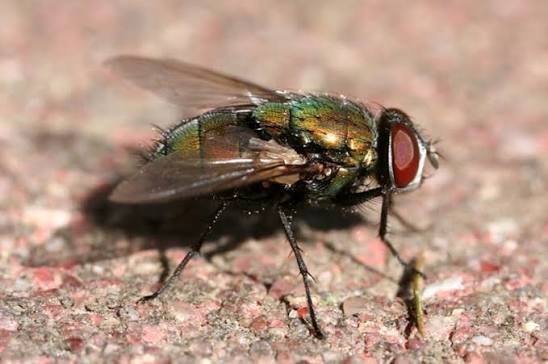
Why are flies so annoying? It is a question nearly every person on the planet has asked while swatting at a buzzing pest circling their face or landing uninvited on their food. The frustration feels personal, but it is actually deeply biological.
Flies are not randomly bothersome. Every irritating behavior they exhibit, from the maddening buzz to the persistent returns after every swat, is driven by millions of years of survival instincts. Understanding the science behind fly behavior reveals why these tiny insects provoke such universal irritation and what you can actually do to stop them in 2026.
What Makes Flies So Uniquely Irritating?
Flies belong to the order Diptera, which includes over 150,000 known species worldwide. The common housefly, Musca domestica, is the one most responsible for human frustration.
Unlike mosquitoes, flies do not bite you directly. Unlike wasps, they do not sting. And yet the housefly manages to be one of the most despised creatures on Earth. The irritation comes not from a single thing but from a perfect combination of biology, behavior, and unsanitary habits that make them nearly impossible to ignore.
Every annoying thing a fly does has a scientific explanation. This guide breaks down all of them.
Reason 1: Flies Have Superhuman Eyesight and Reflexes
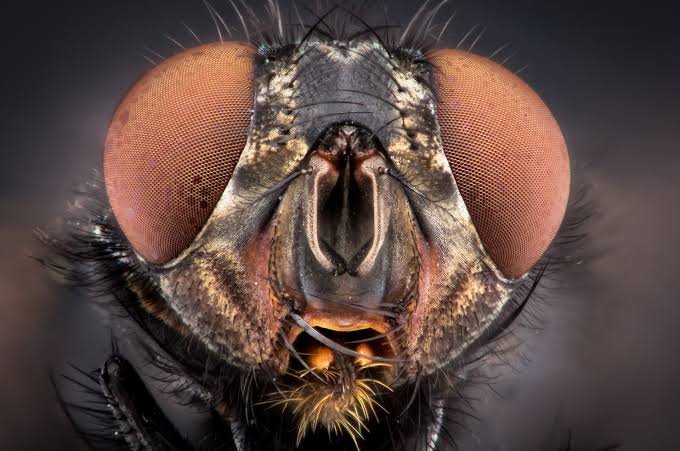
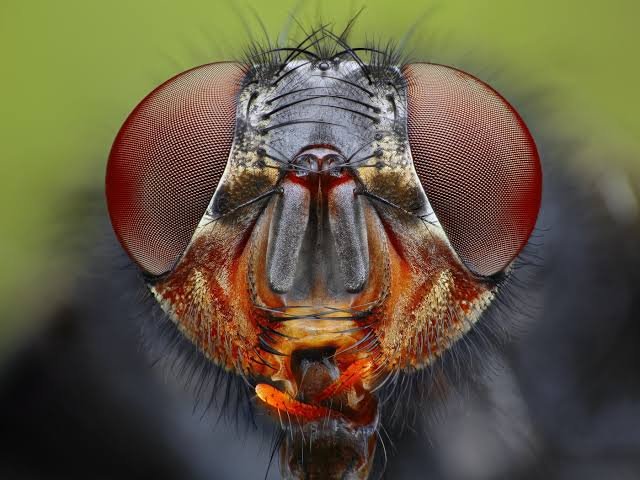
One of the biggest reasons flies are so impossible to swat is their visual system. Houseflies have large compound eyes made up of thousands of individual lenses called ommatidia. These eyes provide nearly 360-degree vision with no blind spots.
They do not need to move their head or turn their body to see what is coming. They are constantly watching from every direction simultaneously.
More critically, flies process visual information approximately seven times faster than humans. Our brains process around 60 images per second. A fly processes around 250 images per second. That means when your hand moves toward a fly to swat it, the fly is watching your move unfold in what is effectively slow motion from its perspective.
By the time your hand arrives, the fly has already calculated its escape route and taken off. This is not luck. It is biology operating at a level humans cannot match manually.
Reason 2: Every Swat Makes Them Come Back Faster
Here is the part that feels truly maddening. Every time you wave your hand at a fly, you are actually making the problem worse.
Your hand movement generates heat and air currents as it travels through the space. Flies are highly sensitive to both. Heat signatures and shifting air patterns are precisely the signals flies follow to locate warm-blooded hosts and food sources.
Every swat you take essentially broadcasts a signal saying “something warm and interesting is over here.” The fly retreats temporarily and then returns, drawn back by the very signals your defensive movements created.
The more aggressively you swat, the more agitated and persistent the fly becomes. Understanding this helps explain why calm, deliberate removal works better than frantic swatting.
Reason 3: You Are a Walking Buffet for Flies
Flies are attracted to humans for deeply practical biological reasons. You are, from a fly’s perspective, an extraordinarily rich source of everything it needs to survive and reproduce.
| What Flies Detect on Humans | Why It Attracts Them |
|---|---|
| Carbon dioxide from breathing | Primary navigation signal flies follow |
| Sweat and body heat | Indicates a warm-blooded food source |
| Skin oils and secretions | Rich in proteins and salts flies need |
| Food odors on hands or breath | Direct food source signal |
| Perfumes and scented products | Mimics floral or food aromas |
| Open wounds or moist areas | Protein-rich fluid source for feeding |
| Tears and eye moisture | Salt and protein they actively seek |
Flies have olfactory receptors in their antennae that can detect odors across remarkable distances. When you exhale, the carbon dioxide plume travels outward and acts as a tracking signal. Flies follow it directly to your face, which is why they circle around your nose and mouth so persistently.
It is not random behavior. They are following a precise chemical trail straight to you.
Reason 4: Flies Taste With Their Feet
This is one of the most revolting facts about flies and helps explain why their landings feel so violating. Houseflies have taste receptors located on their tarsi, which are the tiny structures at the end of their six legs, commonly referred to as their feet.
The moment a fly lands on your skin, your food, or any surface, it is simultaneously tasting it. The fly can instantly determine whether what it has landed on contains something worth eating.
This is why flies seem to land with such confidence and linger. They are not just resting. They are actively sampling whatever surface you or your meal represents, all before you have even registered that they are there.
Reason 5: They Vomit on Your Food Before Eating It
If the feet-tasting was not enough, the feeding process of a fly is genuinely disturbing. Houseflies do not have biting mouthparts. They cannot chew solid food.
Instead, they regurgitate digestive enzymes onto solid surfaces to liquefy the food externally. Then they use a sponge-like mouthpart called a labellum to suck up the resulting liquid. Every time a fly lands on your food and appears to be eating, it is first throwing up digestive juices onto your meal.
This process also explains their contamination risk. The regurgitated liquid contains whatever the fly was previously eating or walking through, including waste, bacteria, and pathogens from every unsanitary surface it visited before your plate.
Reason 6: Flies Defecate Constantly and Everywhere
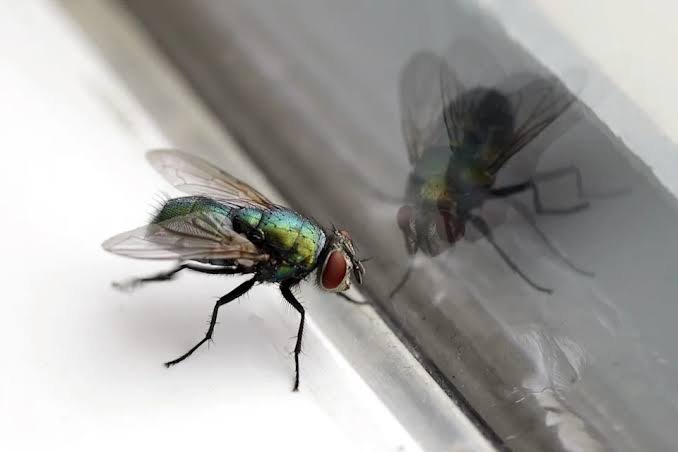
House flies defecate approximately every three to four minutes throughout the day. They do not distinguish between surfaces. They leave waste on food, countertops, skin, and anywhere else they land.
You will often see tiny dark specks near windows, on food surfaces, or around garbage areas. These are fly fecal spots, and each one is a potential contamination point.
Combined with their vomiting feeding behavior, this means that every fly landing on your food is a double contamination event. They are spreading bacteria through feces and regurgitated fluid simultaneously.
Reason 7: The Buzzing Sound Is Psychologically Designed to Disrupt You
The buzz of a fly is one of the most immediately stress-inducing sounds in the human experience. This is not accidental from an evolutionary standpoint.
The buzzing comes from the rapid beating of a fly’s wings during flight. Houseflies beat their wings approximately 200 times per second. That frequency produces the characteristic high-pitched drone that is almost impossible to tune out.
The sound is amplified inside enclosed spaces like rooms and cars. It triggers alertness because our brains are evolved to respond to sudden, persistent sounds as potential threats. Even a single fly buzzing in a quiet room at night can make sleep completely impossible for many people.
The buzz is also used for communication between flies. They can hear each other through their antennae, which amplify low-frequency sounds. That buzzing near your ear is not just noise. It is a fly actively sensing and communicating with its environment.
Reason 8: Flies Are Naturally Curious Creatures
Entomologists describe houseflies as genuinely curious insects. This is not a metaphor. Research has shown that flies actively explore and investigate surfaces and objects in their environment rather than simply landing on whatever is nearest.
Jonathan Larson, an entomologist at the University of Kentucky, explained it as a constant back-and-forth between their curiosity and their capacity to detect movement. They land on you to investigate, detect your movement as a potential threat, escape, and then return as their curiosity kicks back in.
This loop of approach, retreat, and re-approach is exactly what makes dealing with a fly so exhausting. They do not give up because their biology pushes them to keep exploring the resource they identified.
Reason 9: Flies Reproduce at an Alarming Rate
Part of what makes flies so persistently annoying is sheer volume. Seeing one fly almost always means there are many more.
| Fly Reproduction Facts | Data |
|---|---|
| Eggs laid per batch | 75 to 150 eggs at a time |
| Lifetime eggs per female housefly | Up to 500 eggs |
| Time from egg to adult | As little as 7 to 10 days |
| Adult housefly lifespan | 15 to 25 days under normal conditions |
| Maximum lifespan under ideal conditions | Up to two months |
| Female fruit fly lifetime eggs | Up to 500 eggs |
A single female housefly can lay up to 500 eggs across multiple batches in her short lifetime. Under warm, optimal conditions, those eggs can develop into adult flies within a week. This means a small fly problem can become a significant infestation within days if a breeding source is present.
The four-stage life cycle is: egg, larva (maggot), pupa, and adult. Females lay eggs in warm, moist organic material like compost, manure, animal waste, rotting food, or garbage. The larvae hatch within 24 hours and feed aggressively before entering the pupal stage and emerging as adults.
Reason 10: Flies Are Legitimate Disease Carriers
Beyond the psychological irritation, flies pose a genuine health risk. The housefly is suspected of transmitting at least 65 to over 100 different diseases and pathogens to humans.
| Disease | How Flies Transmit It |
|---|---|
| Salmonella | Contamination of food via feces and vomit |
| Typhoid fever | Pathogen transfer from sewage to food |
| Cholera | Bacteria spread through contaminated surfaces |
| Dysentery | Intestinal pathogens transferred to food and water |
| E. coli infections | Fecal contamination of food surfaces |
| Tuberculosis | Pathogen carriage between infected sources |
| Giardia | Protozoa carried on feet and bodies |
| Eye infections | Bacteria deposited near eyes and mucous membranes |
Flies pick up these pathogens by feeding and breeding in sewage, animal waste, rotting carcasses, and garbage. They then transfer the collected bacteria, viruses, and parasites through their mouthparts, feces, vomit, and contaminated body parts to food and household surfaces.
This is not theoretical. Fly contamination of food and water is a documented public health concern in many parts of the world. The annoyance of flies carries real health consequences.
Why Do Flies Land on Your Face Specifically?
This is one of the most universally complained-about behaviors and it has a direct scientific explanation. Face is one of the most attractive targets on your entire body from a fly’s perspective.
Your nose and mouth constantly exhale carbon dioxide, the primary navigation signal flies use to find hosts. Eyes produce tear fluid rich in salts and proteins that flies actively seek out. Your lips and the area around your mouth often carry food residue and saliva.
Flies also target moist, warm areas because these environments are ideal for feeding and potentially for laying eggs. The combination of carbon dioxide output, moisture, warmth, and chemical secretions concentrated in your face area makes it the most consistently attractive landing zone on a human body.
Different Types of Annoying Flies and Why Each Irritates Differently
Not all annoying flies are the same species. Different types trigger different types of frustration.
| Fly Type | Why It Annoys | Key Behavior |
|---|---|---|
| Housefly (Musca domestica) | Lands on food and skin constantly, buzzes loudly | Disease carrier, defecates frequently |
| Fruit fly (Drosophila) | Appears from nowhere, swarms around food | Rapid reproduction near produce |
| Drain fly | Emerges from drains, hard to catch | Breeds in organic buildup in pipes |
| Cluster fly | Invades homes in autumn, slow and sluggish | Enters homes seeking winter warmth |
| Horsefly | Painful bite, persistent pursuit | Female feeds on blood, cuts skin |
| Blowfly | Loud buzzing, associated with meat and decay | Attracted to rotting organic matter |
| Gnat or fungus gnat | Swarms around eyes and mouth outdoors | Attracted to moisture and carbon dioxide |
Houseflies and fruit flies account for the vast majority of indoor fly complaints. Horseflies are the most physically harmful due to their cutting bites. Drain flies signal a sanitation problem inside the plumbing system.
The Evolutionary Reason Humans Find Flies So Disgusting
The annoyance humans feel toward flies is not just cultural. It has an evolutionary basis rooted in disease avoidance.
Our ancestors who reacted strongly to flies, covering food, moving away from fly-infested areas, and keeping environments clean were less likely to contract the foodborne illnesses and infections flies carry. Those with a stronger disgust response were more likely to survive and reproduce.
The instinctive irritation and disgust you feel when a fly lands on your food is essentially an ancient survival mechanism your brain still runs automatically. The association between flies and filth, decay, and disease is hardwired into human psychology because it was genuinely protective for countless generations.
How to Get Rid of Annoying Flies: What Actually Works
Understanding why flies are annoying makes it easier to understand how to stop them. The most effective fly control strategies target the specific behaviors and attractions described above.
Eliminate Breeding Sources First
Every sustained fly presence means there is a breeding source nearby. Find and eliminate it before anything else. Common sources include uncovered garbage bins, pet waste, compost, standing water, overripe fruit, clogged drains, and damp organic material.
Removing the breeding site is the only thing that permanently reduces the population. Traps and swatters address individual flies but do not solve the underlying problem.
Use Screens and Physical Barriers
Properly fitted window and door screens are the most effective passive defense against flies entering your home. Ensure screens are intact with no tears or gaps.
Door sweeps on exterior doors prevent flies from crawling under. Self-closing screen doors for high-traffic entrances are particularly effective in summer months.
Keep Food Covered and Surfaces Clean
Flies can detect food odors at remarkable distances. Keeping food in sealed containers, covering dishes immediately, cleaning spills promptly, and wiping down surfaces after cooking removes the primary attraction.
Do not leave pet food in open bowls for extended periods. Rinse recyclables before binning them. These small habits dramatically reduce fly attraction.
Use Fly Traps Strategically
Sticky fly traps, UV light traps, and sugar-based bait traps are all effective at catching individual flies. Place them near windows, garbage areas, and entry points where flies are most concentrated.
For fruit flies specifically, a simple DIY trap using apple cider vinegar and a drop of dish soap in a glass catches large numbers within hours and significantly reduces population pressure.
Natural Repellents That Work
Several natural substances are effective fly deterrents. Flies dislike the scent of lavender, eucalyptus, peppermint, basil, and cloves. Placing fresh herbs or essential oil diffusers near windows and outdoor seating areas creates a chemical barrier that flies tend to avoid.
DEET-based repellents and oil of lemon eucalyptus are effective for personal protection against outdoor flies, particularly in environments where biting flies are present.
Address Drain and Moisture Issues
Drain flies breed entirely inside the organic buildup inside pipes and drains. If flies appear to be emerging from your sink or bathroom drains, the problem is inside the plumbing, not the kitchen.
Cleaning drains thoroughly with enzyme-based drain cleaners removes the organic film drain fly larvae need to survive. Fixing leaks and eliminating standing water removes moisture sources that attract all fly species.
Frequently Asked Questions (FAQs)
Why are flies so annoying and persistent?
Flies are biologically driven to investigate and return to anything that smells like food, heat, or moisture. Their 360-degree compound eyes and fast reflexes let them easily evade swats and come back immediately after every attempt to remove them.
Why do flies keep landing on me specifically?
You exhale carbon dioxide constantly, which is the primary signal flies use to locate hosts. Your sweat, body heat, skin oils, and facial moisture all make you an extremely attractive resource for feeding and hydration.
Do flies actually vomit on your food?
Yes. Houseflies cannot chew solid food. They regurgitate digestive enzymes onto food to liquefy it before consuming it. Every time a fly lands on your food, there is a risk of this contamination occurring.
Why is the buzzing sound of a fly so hard to ignore?
Flies beat their wings approximately 200 times per second, producing a frequency that triggers alertness in the human brain. The sound is amplified in enclosed spaces and activates our evolved threat-response system, making it nearly impossible to tune out.
Can flies actually make you sick?
Yes. Houseflies are suspected of transmitting over 65 to 100 different diseases and pathogens, including salmonella, typhoid, cholera, dysentery, and E. coli, by contaminating food and surfaces through their feces, vomit, and body parts.
Why do flies always go for your face?
Your face concentrates the three things flies seek most: a continuous stream of carbon dioxide from your nose and mouth, moist secretions from your eyes and lips, and warmth from blood vessels close to the skin surface.
Why is it so hard to swat a fly?
Flies process visual information up to seven times faster than humans, effectively seeing your hand moving in slow motion. Their compound eyes cover nearly 360 degrees, giving them zero blind spots. By the time your hand arrives, they have already calculated and executed their escape.
Do flies defecate on everything they land on?
Yes. House flies defecate approximately every three to four minutes. They leave waste on virtually every surface they land on, including food, countertops, and skin, which is a significant source of their disease-spreading potential.
What is the fastest way to get rid of flies indoors?
Find and eliminate the breeding source first. Then use sticky traps near windows, keep all food sealed, clean surfaces of food residue, and ensure all screens and door sweeps are intact. This combination addresses both immediate flies and the population producing them.
Are some people more attractive to flies than others?
Yes. People who produce more carbon dioxide, sweat more heavily, wear stronger perfumes, or have higher body temperatures tend to attract more flies. Blood type, skin microbiome composition, and diet can also influence how attractive a person is to different fly species.
Conclusion
Why are flies so annoying? The answer is rooted in science, evolution, and biology working together to make these insects perfectly suited to invade human spaces and resist every attempt to remove them. Compound eyes give them near-360-degree vision and superhuman reaction speed.
Their ability to detect carbon dioxide, body heat, and skin chemistry draws them directly to us. Their feeding behavior, involving vomiting on food and tasting with their feet, is genuinely unsanitary. And the disgust and irritation we feel in response is itself an ancient survival instinct protecting us from real disease risk.
In 2026, the most effective approach combines eliminating breeding sources, using physical barriers, keeping food sealed, and applying targeted traps. Understanding why flies behave the way they do is the first and most important step to dealing with them effectively.


