


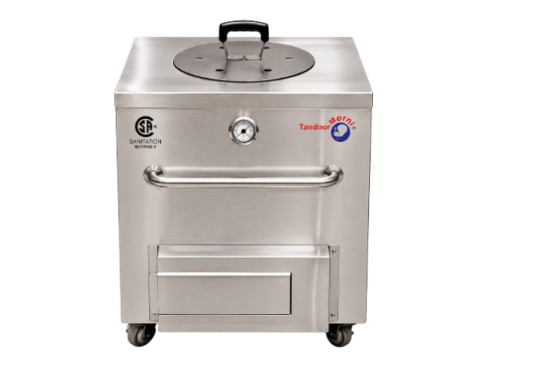
The tandoor can provide a restaurant with new menu potential, rapid high-temperature cooking and a unique culinary personality. But it’s not just picking a model and installing it next to the current cooking line. The oven will need to match the menu, kitchen configuration, fuel source, as well as the level of use and the ventilation system.
Operators need to work with the tandoor oven equipment supplier and experienced contractors when designing a commercial tandoor oven restaurant. Preparations can avoid costly changes and ensure safe operations from the initial service.
Begin With the Menu and Expected Volume
The planned menu should guide the equipment decision. A restaurant producing naan throughout the day may need a different capacity from a kitchen using the tandoor mainly for kebabs, seafood or evening specials.
Operators should estimate:
- Portions required during the busiest hour
- Foods likely to cook at the same time
- Number and length of skewers needed
- Expected bread production
- Potential catering or delivery demand
An oversized oven may occupy valuable space and use more fuel than necessary. An undersized model can create delays during peak service. The right choice should support current demand while leaving room for menu growth.
Measure the Kitchen and Delivery Route
Product dimensions are only one part of space planning. Operators should measure entrances, corridors, lifts and kitchen doorways before ordering. Equipment that fits its final position may still be difficult to move through the building.
Staff also need enough room to load skewers, apply bread, remove hot food and transfer dishes to the plating station. The tandoor should not block refrigeration, emergency exits or busy staff routes. A stable, heat-resistant floor and suitable clearance from nearby surfaces should also be confirmed.
Work With the Right Equipment Supplier
A reliable supplier can provide model specifications, operating manuals, fuel details and maintenance guidance before the purchase is finalized. Working with an experienced tandoor oven manufacturer USA restaurant operators can contact may also make it easier to compare models according to kitchen size, menu volume and intended use.
Operators should ask about dimensions, internal capacity, fuel compatibility, replacement parts and technical support. These details can affect long-term costs and maintenance response.
Review Fuel and Ventilation Requirements
Commercial tandoors may operate with natural gas, propane, charcoal or wood. Each option affects installation, ventilation and daily operation.
Gas equipment normally requires the correct supply pressure and connection by a licensed professional. Solid-fuel models may add requirements for smoke extraction, ash handling and fuel storage. Operators should not assume that an existing kitchen hood will automatically suit the new oven. A ventilation specialist can assess heat output and exhaust needs before the oven arrives.
Confirm Certification and Local Approval
Certain requirements can differ from city to state, province to landlord and insurer. Documentation requirements should be verified prior to ordering by the restaurant owner.
Where food-equipment certification is required, an NSF certified commercial tandoor oven may help satisfy part of the approval process. However, gas certification, ventilation approval, fire inspection and health-department acceptance may be separate requirements.
Operators should verify the exact model documentation and consult local authorities or qualified professionals rather than relying on general assumptions.
Plan the Workflow Around the Oven
A tandoor performs best when preparation and service are organized around it. Raw ingredients, cooked food, clean skewers and used tools should have clearly separated areas.
The station may need:
- A nearby preparation surface
- Heat-resistant storage for hot tools
- A safe landing area for cooked food
- Easy access to protective gloves
- Adequate lighting
- Space for bread dough and garnishes
The performance of the line can be slowed by a poorly positioned oven even if the cooking speed of the oven is very fast.
Prepare for Cleaning and Maintenance
Some cleaning will be necessary every day while installing. Staff must have access to trays, burners, controls and service points without having to move cumbersome equipment.
The interior is also made of clay, which needs to be taken care of as well. The pot can be damaged by rapid temperature shifts or by using harsh cleaning techniques and/or firing incorrectly. The curing, heating, cooling and maintenance should be done as per the manufacturer’s instructions. One aspect of replacement parts availability to consider is the availability of the essential parts that could otherwise reduce the disruption later.
A brief walk-through with the delivery team before the truck comes in can also ensure that there is no last-minute “change-ups” on installation day due to exact placement, clearance and orientation. This is particularly beneficial in older structures where heavy commercial equipment was not anticipated at the time of construction, and where doorways are not wide enough or steps too short.
Train Staff Before Full Service
There are some special skills needed to cook in a tandoor. Team members need to be familiar with the lighting, preheating, heat management, skewer placement, bread application and shutdown procedures.
Safe use of protective equipment, food safety and emergency procedures should also be part of the training. A limited menu experiment can be a great way to help cooks get comfortable working in the oven before it’s on full production.
Budgeting for the First Ninety Days
A newly opened commercial tandoor oven restaurant almost never hits full capacity on day one. Fuel use runs high, waste creeps up, cook times drag on normal stuff while staff adjusts and it settles soon enough. Track those numbers for the first few weeks and workflow problems show up early: maybe the prep station needs moving, marinade batches need resizing, or shifts need reshuffling around peak demand. Worth keeping a simple log from day one, too: cleaning dates, odd smells, temperature swings, parts swapped. Comes in handy for warranty claims and training new hires later. Ask suppliers upfront what support looks like once the warranty runs out: part response times, remote troubleshooting, local technician training.
Conclusion
The installation of a commercial tandoor could be a useful production station, but it must be planned for it to be successful. Volume, accessibility and ventilation, fuel, certification, workflow and staff training should be considered as a whole when looking at the menu.
Those who take care of these aspects before delivery will be less likely to make costly changes and cause service interruptions. The tandoor will allow for the creation of consistent food quality, efficient service and menu development with the proper equipment and preparation.

