


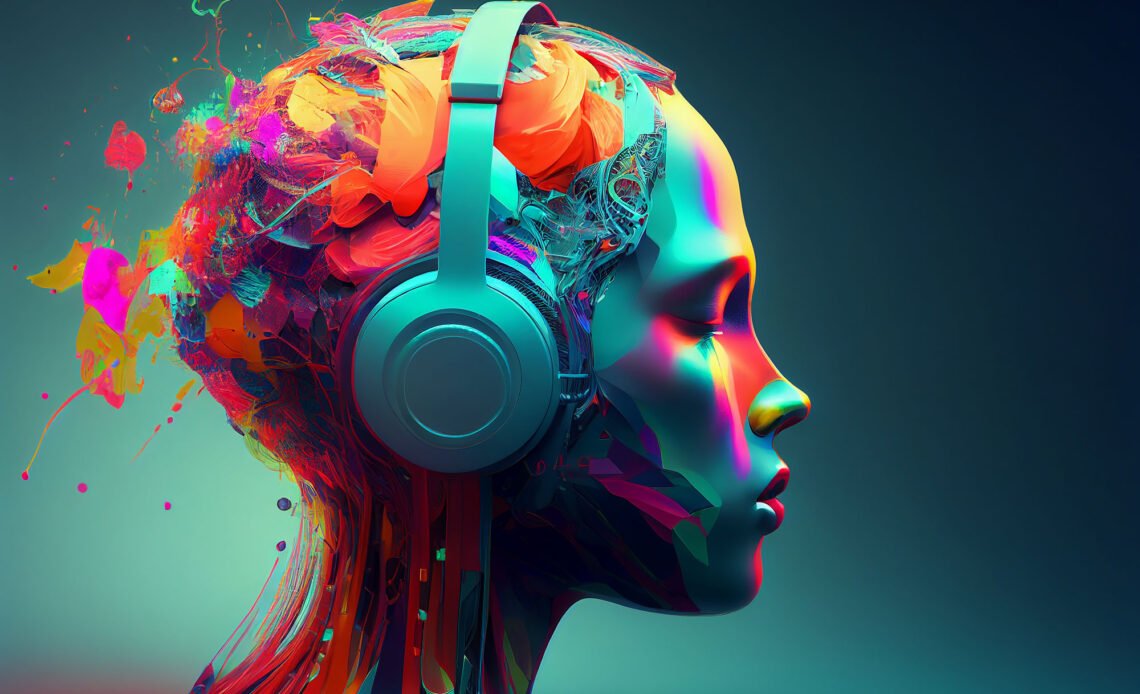
Independent musicians have always faced the same structural problem: talent alone was never enough. A brilliant songwriter with no access to a studio, no budget for a producer, and no network of session musicians was, in practical terms, at a permanent disadvantage compared to anyone signed to even a modest label. The gatekeeping wasn’t really about creative merit — it was about who could afford to turn an idea into a finished, competitive-sounding recording. That gatekeeping is finally breaking down, and AI tools are the reason why.
The Real Cost Was Never the Idea
Ask most independent musicians where their projects stall, and the answer is rarely “I don’t know what I want this song to sound like.” It’s almost always further down the pipeline — arranging the instrumentation properly, getting a clean vocal recording, mixing it so it doesn’t sound like a demo. These are specialized, expensive skills, and hiring someone else to provide them was, for most independent artists, simply out of reach.
An ai music creator removes that entire layer of cost by handling composition, arrangement, and production as a single automated process. The creative direction — genre, mood, structure, vocal style — stays entirely in the artist’s hands. What disappears is the requirement to either personally master five separate technical disciplines or pay someone else who has.
Two Starting Points for Independent Songwriters
Most independent artists fall into one of two camps, and both are now well served.
Artists who compose with sound first, words later (or never). For someone who hears a mood in their head — a specific tempo, instrumentation, and emotional arc — before any lyrics exist, a text to music workflow is the fastest path from concept to finished track. Describing the vibe in plain language — “driving indie rock, anthemic chorus, hopeful” — is enough for the system to build a complete arrangement without the artist needing to specify a single chord or instrument manually.
Artists who write words first and need music built around them. Plenty of songwriters think in lyrics rather than melody — they journal, write poetry, or draft verses long before they have any sense of what the music underneath should sound like. This is where a lyrics to music workflow becomes essential: paste in the written text, select a genre and tone, and the system analyzes the rhythmic and emotional structure of the writing to build a complementary arrangement and vocal performance around it. For a huge number of talented lyricists who simply never learned to compose, this closes a gap that used to be permanent.
Why This Changes the Competitive Landscape
The practical effect of removing production cost isn’t just that independent artists can now finish more songs — it’s that they can finish more competitive songs. A track produced with modern AI composition and mastering tools doesn’t sound like an amateur home recording; it sounds like something that could plausibly have come out of a professional studio. That parity matters enormously in a landscape where listeners on streaming platforms and social media don’t know or particularly care whether a track came from a major label or a bedroom, only whether it sounds good.
It also changes how much an independent artist can afford to experiment. Under the old cost structure, testing five different production directions for a single song meant five expensive studio sessions. Now it means five generations, each taking a few minutes. Artists can hear a song as an acoustic ballad, a full band arrangement, and an electronic production before deciding which direction is actually worth committing real creative energy to finishing.
Building a Sustainable Release Schedule
One of the quieter advantages independent artists are discovering is consistency. Streaming platforms and social algorithms both reward artists who release regularly, and production bottlenecks have historically made that consistency hard to maintain — a single properly produced track could take weeks. With composition, arrangement, and mastering compressed into a single fast workflow, artists can maintain a release cadence that used to require a full team behind them: a manager, a producer, a mixing engineer, all replaced by a tool that handles the technical execution while the artist focuses entirely on the creative direction.
What Hasn’t Changed
None of this replaces the actual creative judgment that makes a song good — knowing what mood a track needs, what a lyric should say, when a chorus should hit. AI tools handle execution, not vision. An artist still needs to know what they’re trying to say and how they want it to feel; the technology just removes the requirement that they also personally know how to engineer that feeling into a finished recording.
The Bigger Shift for Independent Music
What’s actually happening here is a redistribution of who gets to compete. For most of music history, a talented but under-resourced songwriter simply lost to a well-funded one, regardless of the quality of the underlying idea. AI-assisted production doesn’t eliminate every advantage a bigger budget provides, but it closes the gap enough that the quality of the song itself — the melody, the lyric, the emotional honesty of it — matters more than who could afford to produce it properly. For independent artists who’ve spent years working around that imbalance, that’s not a minor convenience. It’s the removal of the single biggest obstacle standing between a good idea and a finished, competitive song.

