


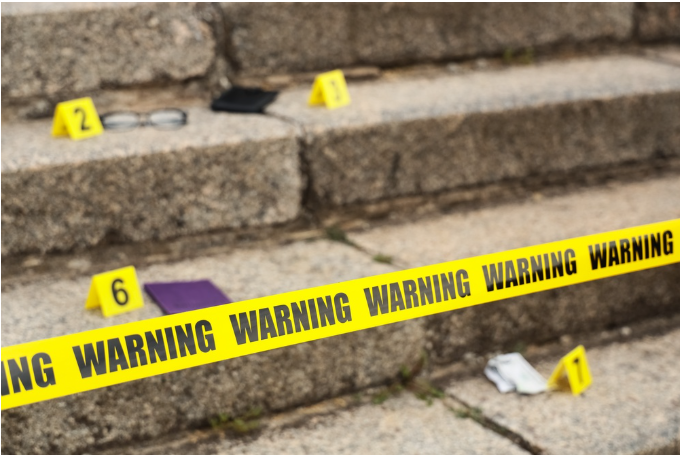
A property accident can leave behind more than an injury. It can leave a trail of details that explain what went wrong, who may have known about the danger, and whether anything could have been done to prevent it. A wet floor, broken stair, poor lighting, or missing security measure may look simple at first, but the facts behind that condition can tell a much bigger story.
That is why a premises liability lawyer may look far beyond medical bills or a single photograph. A careful investigation can uncover records, witnesses, camera footage, and other evidence that may help connect a property condition to an injury. Knowing what this investigation involves can also help injured people protect useful evidence before it disappears.
Start With the Full Accident Story
This review can uncover facts that are not obvious from an accident report alone.
The first step is to establish a clear account of what happened. An investigation may begin with details that seem small but later become important. These can include the exact location, time, lighting, activity, and condition of the area.
The injured person may also explain:
- What they saw before the accident
- Whether they noticed a warning sign
- Whether anyone mentioned the hazard
- What happened immediately after the injury
- Who was nearby
These details help create a timeline.
Document the Property Before Conditions Change
A property can look different days or weeks after an accident. A spill may be cleaned, a damaged step repaired, or a broken light replaced. Documenting the scene early can therefore be valuable.
Photos and videos may show the size, location, and appearance of a hazard. Other useful details may include the condition of stairs or walkways, lighting, and warning signs.
Evidence should explain what the property looked like and why that condition may have created a risk.
Dig Into the Property’s Records
Paperwork can reveal facts that are not visible at the accident scene. Maintenance and inspection records may show how often an area was checked, cleaned, repaired, or reported.
An investigation may seek:
- Inspection logs
- Cleaning schedules
- Repair requests
- Maintenance records
- Earlier incident reports
- Complaints about the same condition
These records may help establish whether a responsible party knew about a hazard or had enough information that the problem should have been discovered. A repeated complaint, for example, may provide a different picture than a condition that appeared without warning.
Preserve Camera Footage and Witness Evidence
Security cameras can provide a useful view of an accident, but recordings are not always kept forever. An investigation may focus on identifying nearby cameras and preserving relevant footage quickly.
Video may show the accident itself, but it can also show what happened before it. It might reveal a spill sitting on a floor, a person reporting a problem, or a hazardous area that remained unchanged.
Witnesses can add another layer of information. Someone may have seen the accident, noticed the unsafe condition earlier, or heard a complaint about it. Their accounts can help fill gaps that photographs or records cannot.
Find Out Who Had the Duty to Act
Responsibility for a dangerous condition does not always rest with one person or company. Depending on the property, several parties may have different duties.
A Lawyer of Premises Liability may examine whether responsibility involved:
- A property owner
- A landlord or tenant
- A property manager
- A maintenance company
- A contractor
- A security provider
Contracts, maintenance agreements, and management records can help show who was expected to inspect, repair, clean, or secure the property. Identifying the correct responsible party is essential.
Connect the Accident to the Actual Losses
An investigation also needs to establish the effect of the injury. Medical records can document diagnosis, treatment, therapy, and expected future care. Employment records may help show missed work or reduced earnings.
Other losses may include:
- Medical and rehabilitation costs
- Lost income
- Reduced earning ability
- Pain and emotional distress
- Physical limitations
- Disfigurement
Keeping these records organized can make the financial impact easier to document. These records can show how the injury affected daily life and future needs.
Bring the Evidence Into One Clear Case
Good investigation connects facts rather than collecting documents. The evidence may need to establish:
- A dangerous condition existed.
- The responsible party knew or should have known about it.
- Reasonable action was not taken to correct the danger or provide a warning.
- The condition played a role in causing the injury.
- The injury resulted in identifiable losses.
A maintenance record may support a witness account, while a photograph may match surveillance footage. Together, these details can create a clearer picture of what happened.
Understanding Your Legal Options
A premises injury can raise important questions about who should be held responsible and what steps should come next. Understanding the property owner’s duties, the circumstances of the accident, and the losses caused by the injury can help an injured person make informed decisions.
A premises liability lawyer can explain the legal process, review the circumstances of the case, and help determine what options may be available. Seeking guidance early can also help an injured person understand important deadlines and avoid mistakes that could affect a potential claim. Taking the right steps after an accident can make the path forward easier to understand.

