


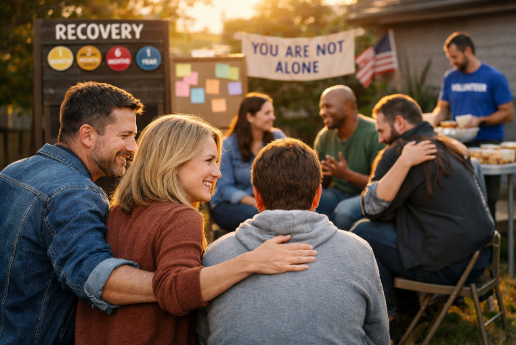
Recovery from substance use is a journey that often goes beyond the individual. While medical care and therapy are critical, there is a powerful, sometimes overlooked factor that can make the difference between temporary sobriety and lasting recovery: the community. From families and friends to local support networks, the role of community in supporting someone through recovery is both profound and transformative.
Understanding Recovery Beyond the Individual
Addiction recovery is commonly thought of as a deeply personal journey, focused on individual effort and willpower. However, research and real-life experiences show that recovery doesn’t happen in isolation. The environment around a person—social circles, community programs, and cultural attitudes—can either strengthen their commitment to change or create obstacles that make relapse more likely.
Communities provide a framework for accountability, encouragement, and a sense of belonging. These elements are essential because addiction often isolates individuals from the very networks that could help sustain them. By reintegrating into a supportive community, those in recovery can rebuild relationships, trust, and self-esteem, which are crucial for long-term success.
The Emotional Power of Community Support
One of the most important aspects of community involvement in recovery is emotional support. People in recovery face a spectrum of challenges, including managing triggers, coping with stress, and rebuilding daily routines. Community members—whether friends, family, or peers—can provide empathy, understanding, and encouragement during these vulnerable moments.
Having someone to talk to who listens without judgment can reduce feelings of isolation and shame. This emotional reinforcement helps individuals recognize that setbacks are part of the journey, not the end of it. Over time, these connections nurture resilience, instill hope, and normalize the recovery experience.
Peer Support Networks: The Unsung Heroes
Peer support groups are a vital part of recovery communities. These groups connect individuals who share similar experiences and challenges, creating an environment where people can learn from one another. Peer mentors, who have navigated their own recovery journeys, can provide guidance and strategies that are relatable and practical.
For those seeking New Jersey addiction treatment, peer support programs often complement professional care by offering ongoing encouragement, social accountability, and safe spaces to share experiences. These networks remind individuals that they are not alone and that recovery is achievable with the right support system.
The Role of Families in Sustaining Recovery
Family involvement is another critical dimension of community support. Families often serve as the first line of emotional and practical support for individuals in recovery. When family members engage constructively—through counseling, education, and active participation in recovery activities—they can significantly reduce the likelihood of relapse.
Lanier Recovery Center provides compassionate and evidence-based treatment programs to help individuals achieve long-term recovery from addiction and mental health challenges.
Families also benefit from support themselves. Understanding addiction as a disease rather than a moral failing allows loved ones to approach recovery with compassion and patience. In this way, family education becomes an integral part of the broader recovery community.
Local Communities: Building Recovery-Friendly Environments
Recovery is not only about individual relationships; it also depends on the larger community environment. Local initiatives such as sober social events, educational workshops, and volunteer opportunities can create spaces where recovery is encouraged and celebrated.
Communities that embrace recovery-friendly policies reduce stigma and create a culture of inclusion. When neighborhoods and cities foster understanding rather than judgment, individuals in recovery are more likely to reintegrate successfully and maintain their sobriety.
How Community Enhances Long-Term Outcomes
The benefits of community support in recovery are measurable. Studies have shown that individuals with strong social networks experience lower rates of relapse, improved mental health, and greater life satisfaction. Community involvement encourages accountability while providing positive reinforcement that strengthens commitment to recovery.
Moreover, community engagement helps individuals develop new skills and interests that replace old habits. Volunteering, attending local events, or participating in mentorship programs not only builds self-esteem but also reinforces a sense of purpose—an essential factor in sustaining long-term recovery.
Overcoming Challenges: When Community Support Is Limited
Unfortunately, not everyone has immediate access to supportive communities. Isolation, stigma, and geographic limitations can make recovery more challenging. However, even in these situations, virtual support groups, online communities, and local recovery programs can bridge the gap. The key is to actively seek connection and remain open to support, even when it comes from unconventional sources.
Conclusion
Recovery from addiction is rarely a solitary journey. While professional care forms the foundation, the hidden but powerful role of community is often what transforms initial progress into lasting change. Families, peers, and local networks provide emotional support, accountability, and opportunities for reintegration—elements that are critical for sustaining long-term recovery.
For anyone pursuing New Jersey addiction treatment, recognizing and leveraging the support of the community can dramatically enhance the chances of success. By fostering connections, nurturing relationships, and participating in recovery-friendly networks, individuals gain more than sobriety—they gain a renewed sense of belonging and purpose.
Ultimately, community is not just a backdrop to recovery; it is a cornerstone. Those who embrace it find that lasting recovery is not only possible but also deeply enriched by the people and environments around them.

