


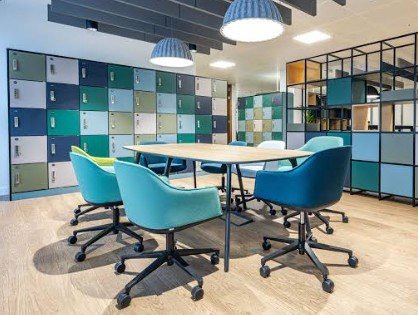
In an era when every square foot matters, the drive to make workspaces more efficient has never been stronger. Companies are rethinking conventional storage, adapting to digital transformations while recognizing the irreplaceable value of tangible organization. The rise of remote and hybrid work models means even less physical office space, prompting the need for smarter, leaner storage solutions that blend seamlessly with productivity and aesthetics. With technology, innovative design, and sustainability in mind, modern storage systems are changing how businesses and individuals manage their environments, creating more flexible, inspiring, and clutter-free workplaces.
THE ROLE OF MOBILE SHELVING LONDON IN SPACE OPTIMIZATION
One of the most revolutionary changes in office storage is the introduction of mobile shelving london solutions. Increased urban density and soaring real estate costs in cities like London mean that maximizing every inch is crucial. Mobile shelving utilizes rolling or sliding mechanisms, eliminating fixed aisles and allowing units to move together or apart as needed. This technique can double storage capacity in the same footprint compared to traditional static shelves. These modular systems are customizable for files, equipment, archives, or even personal belongings, making them ideal for various sectors, including libraries, law firms, and medical facilities. Moreover, mobile shelving london systems integrate with smart technology, offering electronic locking, sensor lighting, and digital inventory tracking, providing enhanced security and ease of access. These features not only expand usable space but also foster greater efficiency, reduce clutter, and align with modern minimalist office trends. By embracing these innovative storage methods, workspaces can maintain flexibility and adapt quickly to evolving needs, ensuring longevity and sustainability.
SUSTAINABLE DESIGN IN MODERN STORAGE SOLUTIONS
Sustainability is now at the heart of workspace innovation, including storage design. Modern companies are not just seeking efficiency but also environmentally conscious solutions that contribute positively to their corporate social responsibility goals. Manufacturers are increasingly using recycled materials for shelving units, cabinets, and archive systems, as well as non-toxic finishes that reduce indoor pollutants. The modular design itself supports longer product lifecycles—components can be swapped, repurposed, or recycled, minimizing waste. Energy-efficient lighting in and around storage areas (such as LED task lighting or motion sensors) further reduces environmental impact. Integrating natural materials, such as bamboo or reclaimed wood, brings warmth and biophilic benefits to sterile office settings. For larger enterprises, tracking the lifecycle of storage furniture enables greener procurement choices and supports ESG reporting. Thus, sustainable storage is not merely a trend but a vital evolution that protects both businesses and the planet.
HOW SMART STORAGE TECHNOLOGY IS CHANGING THE WORKPLACE
The fusion of storage and technology is transforming what offices can achieve with less. Smart storage systems come equipped with RFID tracking, biometric security, mechanical automation, and even IoT connectivity. Employees can access storage remotely, book locker spaces via mobile apps, or receive instant notifications when files are retrieved or returned. For high-security needs, automated systems reduce unauthorized access and loss. Additionally, analytics from smart storage platforms provide valuable insights into usage patterns, allowing facility managers to optimize layouts and reallocate resources dynamically. This digital synergy eliminates manual processes, supports hybrid work, and creates a seamless flow of information and materials through the office. The result is not only better organization but also a smarter, more responsive working environment ready to handle ever-changing operational demands.
INNOVATIVE MATERIALS AND STYLES IN OFFICE STORAGE
Today’s office storage solutions are not just about utility—they’re about making a design statement and supporting brand image. Manufacturers are experimenting with a range of innovative materials, from lightweight aluminum and high-strength polymers to glass, engineered surfaces, and textured finishes. These material choices enhance durability while aligning with the sleek, contemporary aesthetics favored in modern workspaces. Modular open shelving, customizable cubbies, and moveable pods encourage collaboration and adaptability, letting teams reconfigure layouts with minimal disruption. In co-working environments, sound-absorbing materials in storage dividers add acoustic benefits to visual interest, helping to create focused work zones. Whether bold hues or understated shades, material and style flexibility allow businesses to infuse their personality into the physical workspace, fostering creativity, team pride, and well-being.
THE IMPACT OF CUSTOMIZATION ON EMPLOYEE PRODUCTIVITY
Customization is a fundamental aspect of the new generation of office storage. No two organizations have the exact same workflows, equipment, or space constraints, making off-the-shelf solutions suboptimal for most. Tailored storage—adjustable shelves, modular components, or even specialized compartments—can be designed around unique operational requirements, from accommodating large flat files for architects to secure lockers for IT equipment. Customization improves workflow efficiency by reducing the time spent searching for items, minimizing clutter, and supporting ergonomic practices. For example, integrating workspace essentials at arm’s reach or creating quiet corners for personal storage minimizes distractions and increases focus. By involving employees in the design process, businesses can boost satisfaction and empower staff, leading to greater productivity and engagement.
ADDRESSING THE NEED FOR FLEXIBILITY IN HYBRID WORK ENVIRONMENTS
The hybrid work revolution has redefined how and where storage is needed. With employees splitting time between office and home, businesses must support a fluid workforce by allowing seamless transitions and reducing touchpoints. Lockable mobile units, hot-desk storage pods, and temporary locker systems ensure that every worker has a secure, dedicated space, regardless of their location or schedule. Storage solutions are also being designed for quick reconfiguration, allowing offices to flex between collaborative and quiet spaces as team sizes and functions evolve day by day. This flexibility is critical for attracting and retaining top talent who value autonomy and comfort. Employers are also leveraging cloud-based inventory management and digital check-out systems to synchronize office assets and supplies, enabling remote monitoring and minimizing loss or redundancy.
BRINGING COMFORT TO WORKSPACES: THE RISE OF SOFT STORAGE LIKE SARANONI
While maximizing efficiency is paramount, there is also a renewed emphasis on comfort and well-being in storage design. Companies like Saranoni are pioneering soft storage options—plush baskets, fabric organizers, and tactile storage bins. These additions create a homier, more inviting office ambiance, especially important in hybrid and co-working spaces where personalization can ease stress and encourage creativity. Saranoni’s high-quality materials and carefully considered designs merge tactile satisfaction with practical functionality, making personal or team storage both soothing and effective. This human-centric approach extends to employee lounges, wellness spaces, and breakout areas where soft storage can hold blankets, pillows, or personal effects, enhancing the sense of belonging and relaxation. Ultimately, integrating comfort into workspace storage ensures that people feel cared for, boosting morale and overall workplace satisfaction.
THE INFLUENCE OF DESIGN THINKING ON STORAGE SYSTEMS
Design thinking has emerged as a vital driver of innovation in workspace storage. Rather than starting with the limitations of a space, this human-centered methodology delves into how people interact with their environment and what pain points exist. Through observation, ideation, prototyping, and testing, designers develop solutions—such as intuitive layout patterns, multi-purpose units, or universally accessible heights—that genuinely improve day-to-day experience. Design thinking also fosters inclusivity: adjustable storage heights accommodate all users, while color-coding or tactile markers support neurodiversity and accessibility needs. In fast-paced sectors, quick-feedback mechanisms allow for continual refinement, ensuring that storage systems continue to meet evolving challenges. By shifting focus from mere containment to user-centric experiences, design thinking delivers storage that is more responsive, adaptable, and enriching.
SECURITY AND CONFIDENTIALITY IN SMART STORAGE SOLUTIONS
With the rise of smart and mobile office storage comes a heightened imperative for security and confidentiality. Sensitive documents, personal belongings, and valuable equipment require robust protection from both physical and digital threats. Smart cabinets and lockers deploy biometric locks, audit trails, and real-time alerts in case of unauthorized access, blending the best of traditional security with modern convenience. Mobile shelving can be programmed to only allow access to authorized personnel, increasing document confidentiality. For industries handling client data or intellectual property, encrypted digital records of storage usage add another layer of compliance and oversight. Regular security audits, remote monitoring, and integration with broader IT security protocols ensure that storage remains a stronghold against risk. By placing security at the center of storage strategy, organizations can build trust with their employees and clients alike.
PLANNING FOR THE FUTURE: ADAPTABLE STORAGE FOR CHANGING WORKSPACES
As workspaces continue to evolve, so too must storage. The future holds even greater integration between digital and physical realms, with storage systems that “learn” usage habits and automatically adjust configurations to match peak needs. Robotic retrieval, virtual reality planning tools, and collaborative design sessions will enable ever more personalized, flexible solutions. New workplace trends—such as activity-based working, nomadic offices, or the return of micro-offices—will demand instant adaptability and modularity. The quest for sustainability will keep circular economy principles front and center, inspiring solutions that are remanufactured, upcycled, or designed for easy disassembly. Those organizations that plan for flux, rather than resist it, will thrive—offering inspiring, purposefully organized spaces in which people do their best work.
CONCLUSION
Efficient storage is central to the ongoing transformation of modern workspaces, blending technological advancement, smart design, and sustainable practices. Whether through the adoption of mobile shelving systems in urban centers, innovative soft storage options for comfort, or secure, tech-enabled platforms protecting data and valuables, organizations are recognizing that storage is not an afterthought—it’s a strategic asset. As offices become more agile, dynamic, and people-centered, the future of storage will continue to prioritize adaptability, security, and well-being, driving productivity and satisfaction to new heights. By investing in smarter storage today, businesses prepare themselves for whatever tomorrow may bring.

