


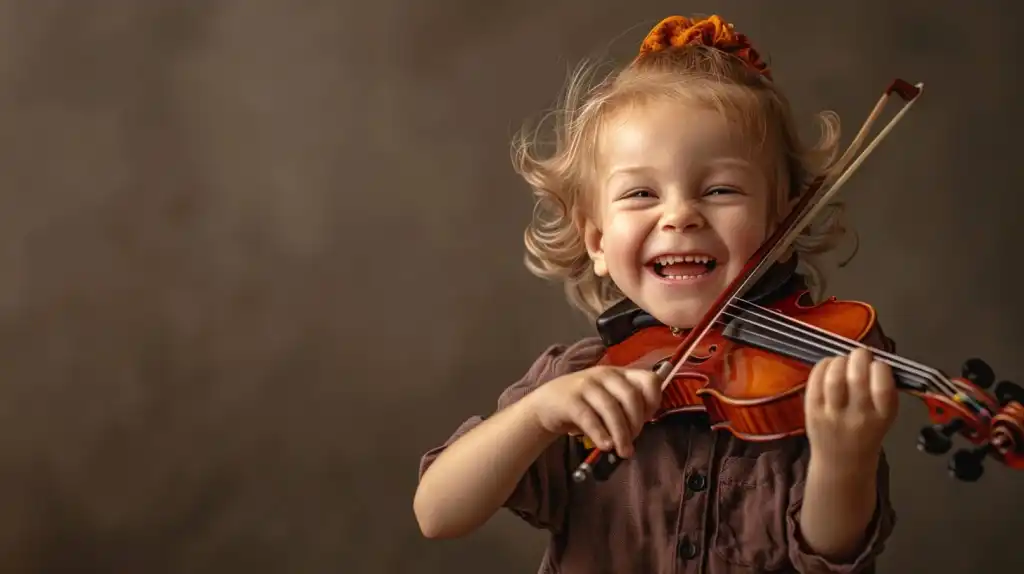
Some children show interest in music long before they can explain it. A toddler might hum tunes repeatedly, or a preschooler might be fascinated by the sound of a plucked string. Parents often wonder when a love of music could become something deeper. For some children, the violin becomes a way to express creativity, patience and discipline in ways no other activity can.
Children who enjoy sound, rhythm and structure often find joy in instruments that combine feeling with precision. The violin does exactly this. It helps young learners connect with music personally while building focus and coordination.
If a child shows certain interests or behaviours, it may mean they would enjoy learning the violin. Recognizing these early signs helps parents support this interest with encouragement or by looking into violin classes for kids.
A Deep Connection to Sound and Music
Sensitivity to Music
One of the first signs a child might enjoy playing the violin is an awareness of music. Some kids react strongly to melodies, stopping to listen when a song plays or trying to sing along. They notice details others may miss, such as the difference between a soft lullaby and an upbeat tune. This sensitivity often shows a deeper emotional connection to rhythm and harmony.
Children who like making their own sounds, whether by tapping on tables or humming during play, may have a natural interest in music. When that curiosity is encouraged in a structured setting, it can develop into a real passion. The violin, with its wide range of expression, gives children a way to show their imagination and feelings.
An Interest in Instruments
Curiosity about instruments is a strong sign of interest. A child who stops to watch orchestra performances or shows excitement at seeing someone play a string instrument is often drawn by the question of how sound is made. They might want to touch the instrument or pretend to play using strings or toys.
This early curiosity can turn into motivation, especially when a child notices that an instrument like the violin can produce both loud and soft sounds. Parents can encourage this by taking them to live performances or showing videos of young musicians playing. Seeing peers perform often builds confidence and makes learning feel possible.
Patience and Persistence in Play
A child who enjoys detailed activities, whether building small structures from blocks or drawing carefully, may have the focus and patience needed for violin playing. Learning the violin involves coordination of both hands and regular practice. While it can be challenging, children who enjoy steady progress often thrive.
If a child does not get frustrated easily and is willing to repeat tasks to improve, this quality can transfer well to violin practice. Their satisfaction often comes from seeing themselves get better rather than quick success. Parents might notice this focus in how their child approaches puzzles, crafts, or careful storytelling.
Emotional and Cognitive Readiness
Imagination and Emotional Expression
Children who show emotions clearly through storytelling, drawing, or pretend play tend to connect well with instruments like the violin. The instrument allows them to express emotions through sound. When happy, they might play fast and lively tunes; when calm, their music may become soft and slow.
This emotional connection builds self awareness and confidence. Over time, learning to express themselves musically helps children understand their feelings better. It becomes a quiet way to communicate through melody instead of words.
Love for Challenges
Some children enjoy solving problems and rarely give up. These traits are useful for learning the violin. The instrument requires precision in posture, bow movement, and timing, needing both discipline and curiosity. A child who sees challenges as fun will naturally progress faster.
Parents can observe these traits in other activities. If a child enjoys learning new skills, from riding a bike to solving a tricky game, and persists even when things are difficult, they likely have the persistence needed to learn the violin.
Focus and Listening Skills
Violin playing requires concentration from the start. Children who listen carefully and remember melodies easily may already have the attention span needed for musical learning. This focus often extends beyond music, such as remembering story details or copying rhythms.
Learning music further improves these skills. Children gradually divide attention between finger placement, rhythm, and bow movement without feeling overwhelmed. Each improvement becomes a rewarding milestone that encourages their love for learning.
Encouragement and the Next Step
Every child develops interests at their own pace. For some, interest comes through curiosity about notes and melodies; for others, it is patience and the joy of creating. When parents notice these signs, providing support helps nurture musical abilities.
Enrolling a child in violin classes for beginners can introduce structured learning while keeping it enjoyable. Beginners thrive when the environment is encouraging and flexible. Learning should never feel like a chore, but an exciting journey of discovery.
Whether a child dreams of performing one day or simply finds comfort in gentle tunes, the violin can become a lifelong companion. It teaches patience, self expression, and confidence, qualities that extend beyond the instrument. Parents who recognise and nurture these signs open a door to a world where sound and emotion come together.

