


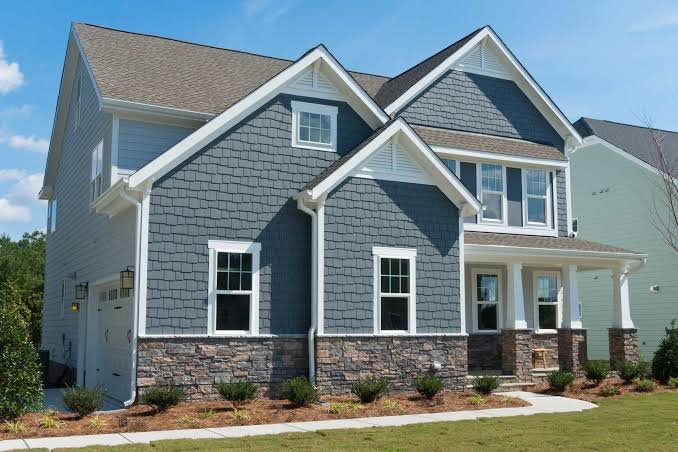
Choosing a roofing material involves more than comparing colors and prices. For homeowners in Salt Lake City, the roof also needs to handle snow, wind, strong summer sunlight, temperature swings, and repeated freeze-thaw cycles. The right material depends on the home’s design, roof slope, budget, expected service life, and maintenance requirements.
Understanding the differences between common roofing systems can make it easier to narrow down the options and select a material that fits both the property and the local climate.
Asphalt Shingles: A Common Residential Choice
Asphalt shingles remain one of the most widely used residential roofing materials in the United States. They are available in numerous styles and colors and can work with many different home designs.
Their relatively straightforward installation and broad availability make asphalt shingles an accessible option for homeowners. Architectural shingles, in particular, can provide a more dimensional appearance than traditional three-tab designs.
The main limitation is longevity. Asphalt shingles generally do not have the same service life as some premium roofing materials, and their performance can vary based on installation quality, ventilation, exposure, and maintenance.
Metal Roofing for Long-Term Performance
Metal roofing has become an increasingly considered option for residential properties. Steel and aluminum systems can provide strong resistance to wind and weather while offering a service life that can exceed that of many conventional asphalt products.
Metal roofs are available in several profiles, including panels designed to resemble shingles or other traditional materials. This allows homeowners to choose a more contemporary appearance without being limited to the visual style commonly associated with metal roofing.
However, metal roofing typically has a higher upfront cost than asphalt shingles. Installation also requires appropriate expertise because panel connections, flashing, and expansion considerations need to be handled correctly.
Tile Roofing Adds Distinctive Character
Concrete and clay tiles can give a home a distinctive architectural appearance. Tile is also durable and resistant to many forms of weather-related deterioration.
Its weight is an important consideration, though. Not every existing home is designed to support a heavier roofing system without structural evaluation or modification. Tile can also be more difficult and expensive to repair if individual pieces become damaged.
For homeowners considering tile, structural capacity, roof pitch, installation requirements, and long-term maintenance should all be evaluated before making a decision.
Wood Shingles and Shakes
Wood shingles and shakes offer a natural appearance that works particularly well with certain architectural styles. Cedar is among the materials commonly associated with this type of roofing.
The tradeoff is maintenance. Wood roofing requires more attention to moisture, weathering, and deterioration than many modern roofing products. Local climate conditions and the roof’s exposure can also affect how quickly the material ages.
Homeowners considering wood should understand both the appearance they want and the maintenance commitment involved.
Synthetic Roofing Materials
Synthetic roofing products are designed to replicate the appearance of materials such as slate, wood, or tile while using engineered materials that may be lighter or easier to handle.
Their performance varies considerably by product, so homeowners should look beyond appearance and examine manufacturer specifications, installation requirements, warranties, and expected service life.
Synthetic materials can be worth considering when a homeowner wants a particular architectural appearance but has concerns about the weight, maintenance, or cost associated with a traditional material.
What Matters Most in Salt Lake City?
Climate is an important part of the decision. A roofing system in Salt Lake City may encounter heavy snow in winter, intense ultraviolet exposure during summer, strong winds, and substantial temperature fluctuations throughout the year.
Good attic ventilation and proper installation are just as important as the roofing material itself. Even a durable product can perform poorly if moisture becomes trapped beneath the roof or if flashing and drainage are improperly installed.
Homeowners researching Residential roofing in Salt Lake City should therefore consider the entire roofing system rather than choosing a material based solely on appearance or advertised lifespan.
How Should Homeowners Compare Roofing Materials?
A useful comparison starts with several questions:
- How long is the material expected to last?
- How well does it handle snow, wind, and temperature changes?
- What maintenance will it require?
- Is the existing structure suitable for its weight?
- What is the total installed cost?
- How readily can damaged sections be repaired?
- Does the material fit the home’s architectural style?
There is no single roofing material that is ideal for every Salt Lake City home. Asphalt shingles may make sense for one property, while metal, tile, wood, or synthetic roofing may be better suited to another.
Choosing a Roof Based on the Whole Property
The best roofing decision considers more than the material itself. Roof design, structural capacity, ventilation, drainage, installation quality, maintenance expectations, and long-term costs all influence how well a system performs.
Taking these factors into account allows homeowners to choose a roofing option based on the actual needs of the property rather than simply selecting the most familiar or visually appealing product.

