


Merry Go Round of Life Sheet Music Easy & Pro 2026
Merry Go Round of Life sheet music has become one of the most sought-after pieces among musicians worldwide, capturing hearts through its enchanting melody from Studio Ghibli’s beloved film.
Composed by the legendary Joe Hisaishi for Howl’s Moving Castle, this timeless composition offers both easy arrangements for beginners and professional-level versions for advanced players.
Whether you’re a pianist learning your first anime piece, a violinist seeking emotional depth, or a flutist exploring Studio Ghibli soundtracks, finding the right sheet music arrangement is essential for bringing this magical waltz to life through your instrument.
Quick Facts About Merry Go Round of Life Sheet Music
| Category | Details |
|---|---|
| Song Title | Merry-Go-Round of Life (人生のメリーゴーランド) |
| Composer | Joe Hisaishi (Mamoru Fujisawa) |
| Film | Howl’s Moving Castle (2004) |
| Original Key | G Minor / B♭ Major |
| Time Signature | 3/4 (Waltz tempo) |
| Tempo | Allegro (♩= 150 BPM) |
| Difficulty Levels | Easy, Intermediate, Advanced, Professional |
| Available Instruments | Piano, Violin, Flute, Cello, Guitar, Orchestra |
| Total Measures | 108 measures (original arrangement) |
| Popular Platforms | MuseScore, Musicnotes, Sheet Music Plus |
| Sheet Music Formats | PDF, MIDI, Interactive Digital |
| Average Price | Free – $9.30 (varies by arrangement) |
What Is Merry Go Round of Life?
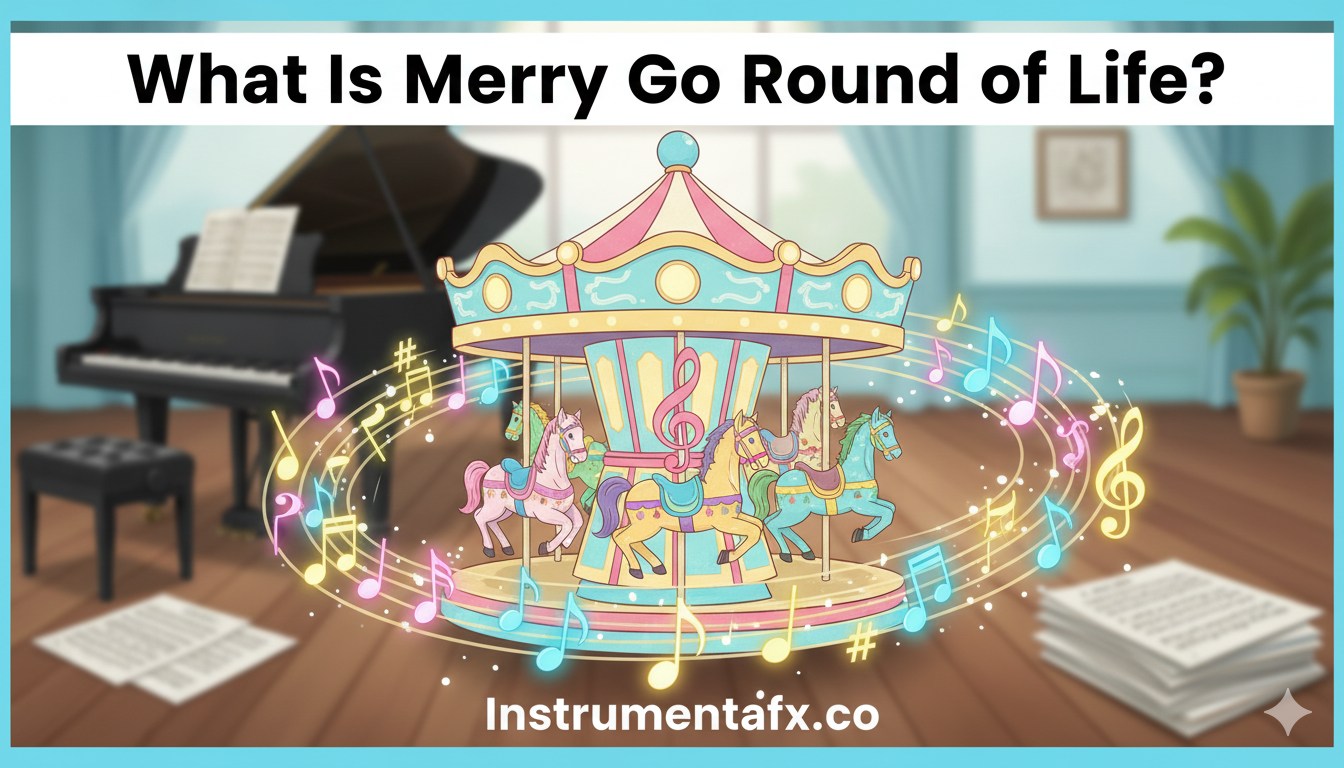

Merry Go Round of Life is the main theme from Hayao Miyazaki’s 2004 masterpiece Howl’s Moving Castle. This enchanting waltz perfectly captures the whimsical, romantic, and slightly melancholic atmosphere of the film. Joe Hisaishi composed this piece to evoke the feeling of riding a carousel, with its circular melodic patterns and flowing tempo.
The title itself carries deep symbolic meaning within the film’s narrative about love and transformation. The music mirrors Sophie’s journey through time and the cyclical nature of life itself. Its popularity has transcended the anime community, becoming a staple in classical crossover repertoires worldwide.
The piece has been streamed millions of times across platforms like Spotify and YouTube. Concert halls regularly feature orchestral arrangements, while countless musicians share their interpretations on social media. This widespread appeal makes finding quality sheet music essential for aspiring performers everywhere.
Understanding the Musical Composition
The composition features a distinctive 3/4 waltz rhythm that creates its characteristic flowing movement. Joe Hisaishi crafted the melody with alternating major and minor tonalities, creating emotional complexity. The main theme repeats with variations, building intensity while maintaining the carousel-like circular pattern throughout.
The harmonic progression moves between G minor and B♭ major, providing both melancholy and hope. Dynamic markings range from soft pianissimo passages to powerful forte sections, requiring expressive interpretation. Tempo changes include rubato sections where timing becomes flexible, adding to the piece’s romantic character.
Rhythmic patterns incorporate triplets and dotted notes that give the waltz its lilting quality. The melodic contour rises and falls like waves, mimicking the up-and-down motion of carousel horses. These technical elements combine to create a piece that’s deceptively complex beneath its accessible surface.
Joe Hisaishi: The Composer Behind the Magic
Joe Hisaishi, born Mamoru Fujisawa on December 6, 1950, is Japan’s most celebrated film composer. His collaboration with Hayao Miyazaki spans over four decades, producing some of cinema’s most memorable soundtracks. Hisaishi’s musical style blends Western classical traditions with Japanese sensibilities, creating universally appealing compositions.
He has composed over 100 film scores and won seven Japanese Academy Awards for Best Music. His training in minimalist composition influences his elegant, emotionally direct style of writing. The nickname “Hisaishi” was inspired by American composer Quincy Jones, whose name sounds similar in Japanese pronunciation.
His work on Howl’s Moving Castle earned the Los Angeles Film Critics Association Award in 2005. In 2023, Hisaishi signed an exclusive recording agreement with Deutsche Grammophon, expanding his classical music reach. His concerts consistently sell out worldwide, demonstrating the enduring power of his musical legacy.
Easy Piano Sheet Music Arrangements
Easy piano arrangements simplify the original score for beginning to intermediate players without sacrificing melodic beauty. These versions typically reduce complex chord voicings to simpler two-handed patterns that maintain harmonic structure. Left-hand accompaniment often uses basic broken chords or simplified bass notes instead of intricate orchestral textures.
The melody line remains faithful to the original while octave ranges stay within comfortable reach. Fingering suggestions guide players through passages, making practice more efficient and reducing frustration for learners. Dynamics are simplified but still present, allowing beginners to develop expressive playing skills gradually.
Popular easy arrangements are available on MuseScore, with many free options created by talented community arrangers. These versions typically span 2-4 pages, making them manageable for sight-reading and memorization. Video tutorials often accompany these arrangements, providing visual guidance for hand positions and timing.
Intermediate Piano Arrangements
Intermediate arrangements introduce more sophisticated harmonies while remaining accessible to players with 2-3 years experience. These versions incorporate fuller left-hand accompaniment patterns that better capture the orchestral quality of Hisaishi’s original. Chord inversions and extensions add harmonic richness without overwhelming technical demands on the performer.
Hand independence becomes more important as melodies and accompaniment patterns grow more complex simultaneously. Pedaling techniques become essential for creating the flowing, legato sound characteristic of the piece. Dynamic contrasts expand, requiring greater control over volume and tonal color throughout the performance.
Sheet Music Plus offers several intermediate arrangements with helpful performance notes and suggestions. These versions typically run 4-6 pages and include all major thematic variations from the original score. MIDI files often accompany these purchases, allowing players to hear reference performances at adjustable tempos.
Advanced and Professional Piano Versions
Advanced arrangements closely follow Joe Hisaishi’s original piano score with full orchestral reduction techniques employed. These versions demand strong technical skills including rapid arpeggios, extended hand positions, and sophisticated pedaling. Complex chord voicings span wide intervals, requiring mature hand size and strength to execute properly.
The professional arrangements often include cadenza sections with improvisatory freedom, challenging performers to add personal interpretation. Countermelodies appear in inner voices, requiring careful balance between melodic lines at multiple dynamic levels. Rubato sections demand mature musical judgment about tempo fluctuation and phrasing decisions throughout.
Official Joe Hisaishi arrangements published by Yamaha Music represent the definitive professional standard for piano performance. These editions include detailed articulation markings, fingering suggestions from expert pianists, and historical performance notes. Concert pianists regularly perform these versions in recitals, showcasing the piece’s legitimate place in serious repertoire.
Violin Sheet Music Options
Violin arrangements capture the singing, lyrical quality of the main theme beautifully on this melodic instrument. The piece sits comfortably in violin’s middle to upper register, allowing warm tonal quality throughout. Position shifts between first and third positions occur frequently, suitable for intermediate to advanced violinists.
Bow techniques include legato passages requiring smooth bow changes and spiccato sections for lighter articulation moments. Vibrato application enhances the romantic character, particularly during the slower, more expressive phrases of the composition. Double stops appear in some arrangements, adding harmonic richness when playing without piano accompaniment.
Solo violin versions with piano accompaniment are popular for recitals and auditions at music schools. The violin part typically spans 108 measures matching the original score structure and length. Sheet music includes both solo part and piano accompaniment, allowing for collaborative performance or practice with recordings.
Flute Sheet Music Variations
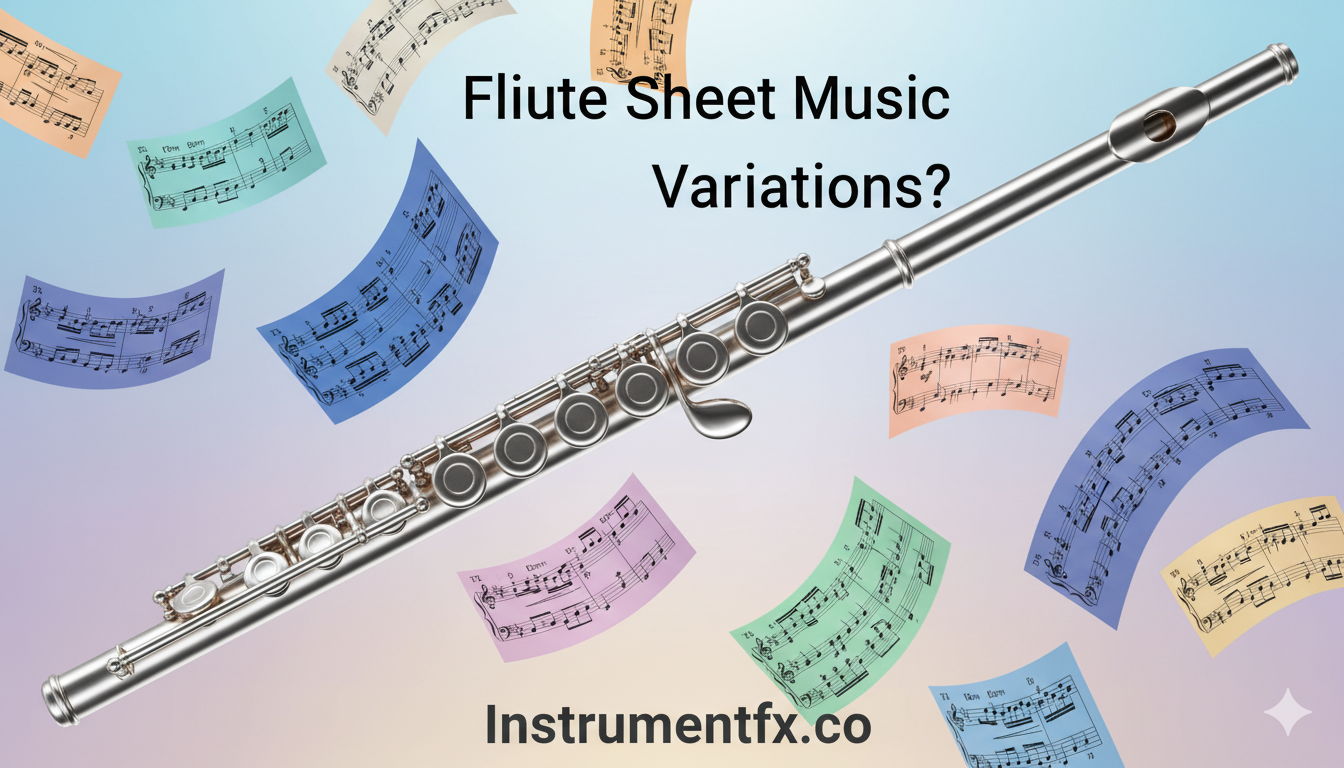
Flute arrangements emphasize the ethereal, light quality that matches the instrument’s natural character perfectly well. Breath control becomes paramount due to long, sustained phrases that require careful planning of breathing points. The piece sits primarily in the flute’s comfortable middle register with occasional excursions into the upper register.
Articulation varies from smooth legato phrases to crisp staccato passages, showcasing the flute’s versatility and agility. Dynamic range from soft pianissimo to moderate forte suits the flute’s capabilities without straining the instrument. Ornamental figures and grace notes add decorative elements that enhance the waltz’s elegant, ballroom character.
Free flute sheet music appears on platforms like MuseScore with varying difficulty levels from beginner to advanced. Key signatures may differ from the piano version, often transposed to flute-friendly keys like D minor. Tutorial videos demonstrate proper breath support techniques and fingering for challenging passages specific to this composition.
Multi-Instrument Ensemble Arrangements
Orchestra arrangements recreate Joe Hisaishi’s full symphonic vision with sections for strings, woodwinds, brass, and percussion. The New Japan Philharmonic’s original recording serves as the reference standard for ensemble performances worldwide. String sections carry the main melody while woodwinds provide countermelodies and harmonic support throughout the piece.
Small ensemble versions for string quartet, piano trio, or wind quintet offer chamber music alternatives. These arrangements maintain the piece’s essential character while adapting to smaller instrumental combinations effectively. Community orchestras frequently program this piece due to its popularity and moderate difficulty level for ensemble players.
Mixed ensemble arrangements combining piano with violin, cello, or flute create intimate duet performance opportunities. Score and parts packages include conductor’s score plus individual instrumental parts formatted for easy reading. Performance notes often suggest balance considerations and tempo coordination tips for ensemble cohesion during rehearsal and performance.
Digital vs. Physical Sheet Music
Digital sheet music offers immediate download access, eliminating shipping wait times and physical storage concerns completely. PDF formats allow printing at home or viewing on tablets during practice and performance situations. Interactive digital sheet music on platforms like Musicnotes includes playback features, tempo adjustment, and transposition tools.
Physical printed sheet music provides tangible permanence without battery or device concerns during extended practice sessions. Page turns feel more natural for many musicians who prefer traditional reading methods at music stands. Archival quality paper ensures longevity, making physical copies suitable for library collections and professional settings.
Hybrid approaches combining both formats offer maximum flexibility for modern musicians’ varied needs and preferences. Cloud storage services allow accessing digital libraries across multiple devices from anywhere with internet connection. Subscription services like MuseScore Pro provide unlimited access to vast sheet music libraries for monthly fees.
Where to Find Free Sheet Music
MuseScore.com hosts the largest collection of free user-generated arrangements in multiple difficulty levels and instrumentation options. Community contributors upload new arrangements regularly, providing fresh interpretations and creative variations of the original composition. Quality varies, so checking ratings and reviews helps identify the best arrangements for specific needs.
Ichigo’s Sheet Music specializes in anime and game music, offering free downloadable PDFs for personal use. IMSLP (International Music Score Library Project) may eventually host public domain arrangements once copyright expires. YouTube tutorials often include free sheet music links in video descriptions from content creators sharing resources.
Pinterest boards collect and organize free sheet music links from across the internet into convenient collections. Social media groups dedicated to Studio Ghibli music share resources and recommendations among community members. Always verify licensing terms before using free sheet music for public performances or commercial recordings.
Premium Sheet Music Platforms
Musicnotes.com offers professionally arranged, licensed sheet music with interactive digital features and high-quality PDF downloads. Prices typically range $5-$9 per arrangement, with Pro membership providing discounts and additional benefits. Transposition options allow changing keys to suit different vocal ranges or instrument capabilities without additional purchases.
Sheet Music Plus provides extensive catalog options from multiple publishers with detailed arrangement descriptions and difficulty ratings. Their platform includes MIDI file purchases, allowing practice with digital accompaniment at adjustable tempos. Customer reviews help evaluate arrangement quality and accuracy before purchasing from their extensive international catalog.
Sheet Music Direct by Hal Leonard offers officially licensed arrangements from the world’s largest music publisher. Their mobile app enables viewing sheet music on tablets with annotation tools for marking fingerings and notes. Subscription models provide monthly access to rotating catalogs, potentially more economical for frequent sheet music purchasers.
Playing Tips for Beginners
Start by listening repeatedly to the original Joe Hisaishi recording to internalize the melody, rhythm, and phrasing. Use a metronome beginning at slow tempos like 60 BPM before gradually increasing speed toward 150 BPM. Practice hands separately until each part feels comfortable before attempting hands together coordination and timing.
Focus on maintaining the waltz feel by emphasizing the first beat while keeping beats two and three lighter. Break the piece into manageable 4-8 measure phrases, mastering each section before linking them together sequentially. Record yourself playing to identify areas needing improvement that you might miss during active performance.
Use proper posture and hand position to prevent tension and fatigue during longer practice sessions. Take frequent breaks every 20-30 minutes to maintain focus and prevent repetitive strain injuries. Celebrate small victories and progress milestones to maintain motivation throughout the learning process journey.
Intermediate Player Techniques
Develop dynamic contrast by practicing passages at various volume levels, from whisper-soft to powerful and bold. Work on smooth legato playing through careful attention to overlap between notes and strategic pedal usage. Master tempo flexibility in rubato sections while maintaining underlying pulse feel for musicality and expression.
Focus on voicing techniques to bring out melody lines while keeping accompaniment subordinate in texture balance. Practice challenging passages in different rhythmic patterns to develop finger independence and coordination between hands. Use slow practice with emphasis on clean articulation and precise timing before increasing to performance tempo.
Study professional recordings by various artists to hear different interpretive approaches and artistic choices made. Experiment with subtle timing variations and rubato to develop personal musical voice and interpretive style. Record performances regularly to track progress and identify persistent technical or musical challenges needing attention.
Advanced Performance Strategies
Analyze the harmonic structure to understand chord progressions and voice leading throughout the entire composition. Develop sophisticated pedaling techniques including half-pedaling and flutter pedaling for nuanced tonal colors and textures. Master the balance between technical precision and emotional expression to communicate the piece’s deeper meaning effectively.
Explore historical context of Studio Ghibli films to inform interpretive choices and understand compositional intentions. Practice performing from memory to free attention for musical expression rather than note-reading during performance. Develop stage presence and performance rituals to manage anxiety and deliver confident, engaging performances consistently.
Study Joe Hisaishi’s conducting and piano performances to understand his interpretive vision for the work. Experiment with different piano techniques for varied tonal colors matching specific emotional moments in the narrative. Consider commissioning professional recordings or attending masterclasses to refine interpretation and receive expert feedback on performance.
Understanding Musical Notation
Key signatures establish the tonal center, with G minor and B♭ major being the primary keys used. Accidentals modify pitches throughout, requiring careful attention to sharps, flats, and naturals indicated in the score. Time signature of 3/4 creates the distinctive waltz character with three beats per measure throughout most sections.
Dynamic markings from pp (pianissimo) to ff (fortissimo) guide volume levels and emotional intensity throughout. Articulation marks including slurs, staccato dots, and accent marks specify how individual notes should be attacked. Tempo markings like “Allegro” and “Rubato” provide phrasing guidance for musical interpretation and expression overall.
Expression marks such as “dolce” (sweetly) and “espressivo” (expressively) communicate emotional character and intended affect. Fingering numbers suggest optimal hand positions, though these may require adjustment based on individual hand size. Understanding these notational elements transforms printed symbols into living, breathing musical expression during performance and practice.
Accompaniment and Backing Tracks
YouTube hosts numerous high-quality accompaniment tracks at various tempos for practice and performance purposes consistently. These backing tracks isolate piano accompaniment, allowing solo instrumentalists to practice with harmonic support and proper tempo. Adjustable speed options help build technique gradually from slow practice speeds to full performance tempo.
MIDI files purchased with sheet music can be imported into music software for customized accompaniment creation. Digital audio workstations allow editing tempo, key, and instrumentation to suit specific practice needs precisely. Some musicians create custom accompaniments using notation software like MuseScore or Finale for personalized arrangements.
Collaborative performances with pianist accompanists provide authentic musical dialogue and ensemble experience for developing musicians. Chamber music coaches and accompanists are available through music schools and freelance musician networks for hire. Recording accompaniment parts personally creates convenient practice tools while developing additional musical skills and understanding simultaneously.
Sight-Reading This Piece
Begin sight-reading at tempos significantly slower than performance speed to ensure accuracy and maintain steady pulse. Scan ahead while playing to anticipate upcoming patterns, position shifts, and challenging technical passages in advance. Identify recurring motifs and patterns to reduce cognitive load and improve reading efficiency throughout the score.
Don’t stop for mistakes during initial sight-reading attempts; maintaining continuity develops crucial performance skills and confidence. Focus first on rhythm and basic pitch accuracy before adding dynamics and expressive nuances to performance. Practice sight-reading regularly with increasingly difficult materials to build this essential musical skill systematically over time.
Use practice strategies like covering one hand while reading the other to isolate specific challenges. Mark challenging passages for focused practice later rather than dwelling during initial sight-reading attempts. Develop peripheral vision to read multiple measures ahead while executing current passages for smoother, more confident reading.
Memorization Techniques
Divide the piece into logical sections based on phrases and thematic material for systematic memorization approach. Practice each section repeatedly until muscle memory develops, then gradually link sections together in sequence. Use multiple sensory modes: visual (seeing the score), auditory (hearing the sound), and kinesthetic (feeling the movements).
Analyze harmonic progressions and structural patterns to create intellectual framework supporting memorization retention and recall. Practice from different starting points throughout the piece to ensure solid memorization rather than sequential dependence. Mental practice away from instrument reinforces memory and allows practice anywhere, anytime without physical instrument.
Test memorization by playing sections backwards, at different tempos, or starting from random points throughout. Record performances from memory to identify weak spots where memory falters or becomes uncertain during playing. Review memorized sections regularly even after learning new sections to maintain long-term retention and performance readiness.
Common Playing Mistakes
Rushing through the waltz rhythm destroys the elegant, flowing character essential to proper interpretation and audience experience. Neglecting dynamic contrasts creates monotonous performances lacking emotional depth and musical interest throughout the piece. Poor pedaling creates muddy textures or overly dry sounds that fail to capture the orchestral quality.
Ignoring articulation markings results in performances lacking the subtle nuances that distinguish professional from amateur playing. Tension in hands, arms, or shoulders leads to fatigue and inhibits fluid technique necessary for expressive performance. Inadequate practice of difficult passages causes stumbles during performance, disrupting musical flow and listener engagement.
Insufficient attention to musical phrasing creates choppy, disconnected performances lacking narrative and emotional arc development. Playing too loudly throughout prevents dynamic shading and reduces the piece’s emotional range and impact significantly. Lack of preparation for tempo changes and rubato sections causes awkward transitions that disrupt musical continuity.
Performance Preparation
Begin preparation weeks in advance, establishing consistent daily practice schedule with specific goals for each session. Work through technical challenges systematically, using targeted exercises to build necessary skills for difficult passages. Gradually increase practice sessions performing the entire piece from beginning to end without stopping.
Conduct mock performances for friends, family, or recording devices to simulate performance conditions and manage anxiety. Prepare mentally through visualization techniques, imagining successful performances with confidence and musical expression flowing naturally. Develop pre-performance routines including warm-ups, breathing exercises, and mental preparation strategies that calm nerves effectively.
Study the performance venue beforehand if possible, understanding acoustics, instrument quality, and stage layout thoroughly. Prepare backup plans for memory slips or technical difficulties, knowing how to recover gracefully if problems arise. Arrive early on performance day for adequate warm-up time and environmental adjustment before performing publicly.
Recording Your Performance
Select appropriate recording equipment matching your budget and quality requirements for intended use and distribution. Position microphones strategically to capture balanced sound without proximity effects or room resonances causing problems. Test recording levels before final take to prevent clipping distortion or excessively low volume in finished recordings.
Record multiple complete takes rather than patching together sections for more natural, cohesive performances overall. Listen critically to recordings with fresh ears after breaks to identify areas needing improvement objectively. Consider professional recording studios for important projects like audition recordings or commercial releases requiring highest quality.
Edit recordings carefully, removing excessive noise while preserving natural ambience and acoustic character of the space. Add appropriate reverb and equalization if necessary to enhance tonal quality without over-processing the natural sound. Share recordings on platforms like YouTube, SoundCloud, or social media to receive feedback and build audience.
Learning from Professional Recordings
Study Joe Hisaishi’s own piano performances to understand composer’s interpretive intentions and musical vision directly. Compare multiple professional recordings to hear different artistic approaches and valid interpretative choices by various artists. Analyze tempo choices, dynamic shaping, and phrasing decisions that distinguish memorable performances from ordinary ones.
Listen actively with score in hand, following along to understand how printed notation translates to sound. Note specific techniques used to achieve particular effects, such as pedaling strategies or articulation choices. Identify moments of rubato and tempo modification to understand flexibility within the established tempove framework orall.
Attend live performances when possible to experience the piece in concert setting with acoustic instruments and ambience. Follow professional musicians’ social media and masterclass content for insights into practice and performance strategies used. Incorporate favorite elements from various interpretations while developing your own unique artistic voice and personal style.
Teaching This Piece to Students
Assess student’s technical level honestly to select appropriate arrangement difficulty matching their current capabilities accurately. Break learning into manageable weekly goals focusing on specific sections rather than overwhelming with entire piece. Provide historical context about the film and composer to inspire emotional connection and investment in learning.
Demonstrate passages yourself when possible, showing proper technique and musical interpretation through personal modeling and example. Use analogies and imagery to communicate musical concepts, such as describing the waltz as carousel horses. Encourage creative expression while maintaining technical accuracy, balancing freedom with precision in student development approach.
Assign listening homework with professional recordings to develop musical understanding beyond technical execution alone regularly. Celebrate progress with recital opportunities, informal performances, or recording projects showcasing their developing artistry and skills. Adapt teaching approach to individual learning styles, using varied methods to reach different types of learners.
Musical Analysis and Interpretation
The piece opens with gentle introduction establishing the waltz character before the main theme emerges completely. Thematic development occurs through variations that maintain melodic identity while exploring different registers and textures throughout. The middle section provides contrast with different harmonic areas before returning to familiar opening material for closure.
Harmonic language combines romantic-era progressions with occasional modal inflections reflecting Japanese musical influences subtly integrated. Melodic contour features predominantly stepwise motion with occasional leaps providing dramatic emphasis at structural important moments. Phrase structure follows classical models with antecedent-consequent relationships creating satisfying musical dialogue and conversation patterns.
The coda section builds to emotional climax before gently resolving, mirroring Sophie’s character transformation in the film. Understanding these analytical elements informs interpretive decisions, helping performers communicate the music’s deeper structural and emotional meaning. Music theory knowledge enhances artistic expression by revealing compositional craft underlying the piece’s surface beauty.
Adapting for Different Instruments
Guitar arrangements capture the piece’s harmonic richness while adapting melodies to fingerboard layout and technical possibilities. Cello versions emphasize the singing, lyrical quality in the instrument’s warm middle register with rich tonal depth. Clarinet arrangements showcase the instrument’s ability to blend classical and folk-like qualities present in the composition.
Harp arrangements create ethereal soundscapes perfectly suited to the magical, fairy-tale quality of the source material. Saxophone versions bring jazz-influenced interpretation possibilities while maintaining the piece’s essential romantic character throughout performance. Accordion arrangements connect to European waltz traditions, emphasizing the dance-like qualities inherent in the composition.
Each instrument brings unique timbral qualities and technical considerations requiring thoughtful arrangement choices and adaptations carefully considered. Successful transcriptions maintain the piece’s essential character while embracing each instrument’s idiom and technical strengths. Cross-instrument study reveals universal musical qualities transcending specific instrumental timbres and techniques employed in performance.
Studio Ghibli Music Collection
Exploring other Joe Hisaishi compositions from Studio Ghibli films enriches musical understanding and expands repertoire choices. Popular pieces include “One Summer’s Day” from Spirited Away, known for its gentle, nostalgic character. “Princess Mononoke Theme” offers contrasting epic, powerful qualities showcasing different compositional approaches by Hisaishi.
“My Neighbor Totoro” theme provides lighter, more childlike material perfect for younger or beginning players. “The Path of Wind” from My Neighbor Totoro features beautiful, flowing melodies in accessible arrangements. Building a Studio Ghibli repertoire creates cohesive recital programs with thematic unity appealing to wide audiences.
Many publishers offer Studio Ghibli collections bundling multiple pieces at reduced prices compared to individual purchases. These collections often include simplified arrangements making them accessible across various skill levels from beginner to advanced. The popularity of Studio Ghibli music ensures consistent audience engagement and recognition at performances and recitals.
Copyright and Legal Considerations
Sheet music purchases typically grant personal use and education rights but not public performance or recording rights. Public performances may require additional licensing through performing rights organizations like ASCAP or BMI domestically. Commercial recordings require synchronization licenses from copyright holders, typically handled through music publishers or licensing agencies.
Free sheet music online may have questionable legal status if not officially sanctioned by copyright holders properly. Photocopying copyrighted sheet music violates intellectual property laws, even for personal use in many jurisdictions worldwide. Supporting composers and arrangers through legitimate purchases ensures continued creation of quality sheet music for future generations.
Educational institutions often hold blanket licenses covering classroom use and student performances in school venues. Professional musicians should consult entertainment lawyers regarding licensing requirements for commercial use and public performances. Respecting copyright protects artists’ livelihoods and maintains the music industry’s financial sustainability for everyone involved.
Building Your Sheet Music Library

Organize digital files using consistent naming conventions and folder structures for easy retrieval and management. Create backup copies stored in multiple locations including cloud services preventing catastrophic loss of collections. Maintain wish lists of desired sheet music to purchase during sales or when budgets allow new additions.
Balance free and paid resources, investing in professional arrangements for important repertoire while exploring free options. Consider subscription services if you regularly need new sheet music, potentially offering better value than individual purchases. Tag and categorize pieces by difficulty level, genre, composer, and instrumentation for efficient searching later.
Build systematic approach to library expansion, focusing on specific composers, periods, or styles for cohesive collection development. Review and cull unused sheet music periodically, donating or selling pieces no longer needed for repertoire. Share resources with musical communities, participating in sheet music exchange groups and collaborative resource building.
10 Frequently Asked Questions
Where can I find free Merry Go Round of Life sheet music?
MuseScore.com offers the largest collection of free arrangements in various difficulty levels for multiple instruments. Ichigo’s Sheet Music also provides free anime sheet music downloads, though availability changes periodically with copyright considerations.
What is the difficulty level of Merry Go Round of Life?
The difficulty varies by arrangement from easy beginner level to advanced professional, depending on the version selected. Original arrangements require intermediate to advanced skills with strong technical foundation, while simplified versions suit beginners effectively.
Can I play Merry Go Round of Life on instruments other than piano?
Absolutely! Sheet music exists for violin, flute, cello, guitar, clarinet, and full orchestra arrangements widely. Each instrument brings unique timbral qualities to the piece while maintaining its essential melodic and harmonic character.
What key is Merry Go Round of Life written in?
The original composition alternates primarily between G minor and B♭ major keys throughout the piece. Some arrangements transpose to different keys for specific instruments like C minor for certain wind instruments.
How long does it take to learn Merry Go Round of Life?
Learning time varies widely based on skill level, typically 2-4 weeks for experienced players to several months for beginners. Consistent daily practice of 30-60 minutes accelerates learning and skill development most effectively overall.
Is there sheet music with both treble and bass clef?
Yes, piano arrangements include both treble and bass clef for right and left hands respectively. Solo instrument arrangements typically include only treble or bass clef depending on the instrument’s register range.
Can I get interactive digital sheet music with playback features?
Musicnotes and Sheet Music Plus offer interactive digital versions with playback, tempo adjustment, and transposition features. These platforms provide app-based viewing with annotation tools for marking fingerings and musical notes personally.
What tempo should I play Merry Go Round of Life?
The original tempo marking is Allegro at approximately 150 BPM, though interpretation allows flexibility within reason. Begin practicing at 60-80 BPM, gradually increasing speed as technical proficiency and musical confidence develop systematically.
Are there simplified versions for young children?
Yes, many arrangers create beginner-friendly versions with reduced technical demands suitable for elementary-level students. These arrangements maintain recognizable melodies while simplifying rhythms, harmonies, and hand positions for small hands.
Do I need permission to perform this piece publicly?
Public performances at schools, recitals, and concerts typically fall under venue’s existing performance licensing agreements. Commercial recordings and monetized online videos require additional licenses from copyright holders through proper legal channels.
Conclusion
Merry Go Round of Life sheet music opens doors to one of cinema’s most beloved and enchanting musical compositions for musicians worldwide.
Joe Hisaishi’s masterful blend of waltz elegance, emotional depth, and technical accessibility makes this piece perfect for players at every skill level from beginner through professional.
The availability of arrangements for piano, violin, flute, and numerous other instruments ensures every musician can experience performing this magical theme personally.
Whether you choose free MuseScore arrangements or invest in professional editions from Musicnotes, finding quality sheet music is the first step toward mastering this timeless piece.
The journey from first reading to polished performance builds technical skills while connecting you to Studio Ghibli’s magical world and millions of fans globally.
Remember to practice consistently, study professional recordings for inspiration, and embrace both technical precision and emotional expression in your interpretation throughout.