


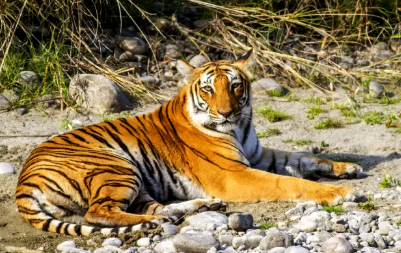
India’s natural beauty doesn’t end with the snow-capped Himalayas, golden deserts, or sun-kissed beaches. One of the country’s most awe-inspiring offerings is its rich and diverse wildlife. With over 100 national parks and more than 500 wildlife sanctuaries, India is a haven for nature lovers, wildlife photographers, and adventure seekers.
From the majestic Bengal tiger roaming the dense jungles of Madhya Pradesh to the vibrant birdlife in Bharatpur, the Wildlife Sanctuaries & National Parks of India provide an unforgettable window into the country’s natural heritage. In this blog, we’ll take you on a journey through some of the most iconic and must-visit wilderness destinations across India.
Why Visit India’s Wildlife Sanctuaries & National Parks?
The Indian subcontinent hosts an incredible variety of ecosystems—tropical rainforests, alpine forests, mangroves, grasslands, and desert scrublands. This diversity translates into a wide array of wildlife, including:
- Big cats like tigers, leopards, and lions
- Asian elephants and Indian rhinoceroses
- Exotic birds, crocodiles, deer species, and primates
- Endangered and endemic species found nowhere else on Earth
For travelers, visiting Wildlife Sanctuaries & National Parks in India isn’t just about spotting animals—it’s about immersing yourself in the untamed beauty of nature, supporting conservation efforts, and learning about the balance between humans and the environment.
Top Wildlife Sanctuaries & National Parks in India
Let’s explore some of the most iconic and biologically rich sanctuaries and parks that should be on every wildlife enthusiast’s bucket list.
1. Jim Corbett National Park (Uttarakhand)
Established in 1936, this is India’s oldest national park and a pioneer in wildlife conservation. Located in the foothills of the Himalayas, Corbett is famous for its healthy population of Bengal tigers, as well as elephants, leopards, and over 600 bird species.
Best for: Tiger sightings, birdwatching, river landscapes
2. Ranthambore National Park (Rajasthan)
Once a royal hunting ground, Ranthambore has transformed into one of the most popular tiger reserves in India. The backdrop of the 10th-century Ranthambore Fort makes it a photographer’s dream.
Best for: Tigers in dry deciduous forests, ancient ruins, and jeep safaris
3. Kaziranga National Park (Assam)
A UNESCO World Heritage Site, Kaziranga is home to the world’s largest population of the endangered one-horned rhinoceros. Located on the floodplains of the Brahmaputra, the park also hosts elephants, tigers, and swamp deer.
Best for: Rhino sightings, Eastern Himalayan biodiversity
4. Sundarbans National Park (West Bengal)
The largest mangrove forest in the world, Sundarbans is both mysterious and mesmerizing. It’s the habitat of the elusive Royal Bengal tiger and also offers a rich diversity of aquatic life and bird species.
Best for: Mangrove ecosystem, boat safaris, tiger tracking
5. Bandhavgarh National Park (Madhya Pradesh)
With one of the highest densities of Bengal tigers in India, Bandhavgarh offers excellent opportunities for tiger sightings. Ancient caves, ruins, and dense sal forests add to the mystique of this park.
Best for: High chances of spotting tigers, historical landmarks
6. Periyar Wildlife Sanctuary (Kerala)
Located in the Western Ghats, Periyar is known for its scenic lake and elephant populations. Bamboo rafting and nature walks through evergreen forests are unique highlights.
Best for: Elephants, peaceful boat rides, spice plantations nearby
7. Gir National Park (Gujarat)
The only place in the world where you can find Asiatic lions in the wild, Gir is a conservation success story. The park is also home to leopards, hyenas, and marsh crocodiles.
Best for: Asiatic lions, dry scrub forests, unique safari experience
8. Keoladeo National Park (Bharatpur, Rajasthan)
A birdwatcher’s paradise, this UNESCO-listed wetland sanctuary attracts thousands of migratory birds, including the rare Siberian crane (seasonally). It’s a must-visit for avian photography and ecological studies.
Best for: Migratory birds, cycle or rickshaw safaris, winter visits
9. Hemis National Park (Ladakh)
Located in one of the highest altitudes in India, Hemis is famous for its population of the elusive snow leopard. The stark landscapes and unique biodiversity make this a hidden gem for true wilderness explorers.
Best for: Snow leopards, Himalayan wildlife, high-altitude trekking
Best Time to Visit
Most Wildlife Sanctuaries & National Parks in India are open from October to June, with variations based on region and climate.
- October to February – Pleasant weather, good for birdwatching
- March to June – Best for animal sightings as animals come out near waterholes
- Monsoon (July to September) – Many parks remain closed due to heavy rainfall
Always check park-specific schedules and permit requirements before planning your trip.
Tips for Responsible Wildlife Tourism
Wildlife tourism is a powerful tool for conservation, but it must be approached with responsibility. Here are a few guidelines:
- Stick to designated trails and safari routes
- Maintain silence and avoid disturbing wildlife
- Never feed animals or litter in the park
- Support eco-friendly lodges and local guides
- Avoid flash photography and keep a safe distance from animals
When done responsibly, visiting Wildlife Sanctuaries & National Parks contributes to the protection of endangered species and supports the local communities involved in conservation.
The Role of Sanctuaries in Conservation
India’s wildlife sanctuaries and national parks are not just tourist attractions—they are vital ecosystems that protect biodiversity and ensure ecological balance. Many of these protected areas have played key roles in the revival of endangered species like the Bengal tiger, Indian rhinoceros, and gharial.
Additionally, these spaces provide opportunities for research, education, and awareness-building. By visiting and supporting them, you become part of a broader mission to protect the planet’s precious wildlife.
Conclusion
From the dense jungles of Madhya Pradesh to the icy heights of Ladakh, India’s Wildlife Sanctuaries & National Parks offer some of the most thrilling, peaceful, and enlightening travel experiences. They’re a celebration of life in its wildest form—where every rustle of leaves could mean a tiger’s approach or a bird’s song could unveil a hidden paradise.
Whether you’re an avid wildlife photographer, a curious traveler, or someone seeking a break from urban chaos, these wild landscapes promise a journey you’ll never forget.
So, pack your binoculars, charge your camera, and head into the wild—India’s natural treasures are waiting to be explored

