


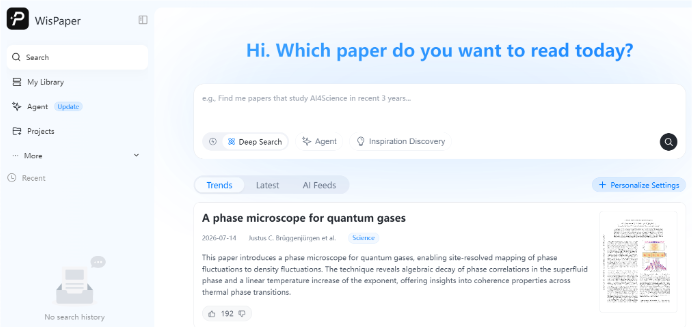
Managing a personal research library is quickly changing from a scattered collection of downloaded PDFs into something organized and far more useful over time. This huge and growing personal archive is basically built from every paper a researcher has ever saved, annotated, or cited across years of work. Tools like WisPaper are stepping in to help researchers turn that archive into something they can actually use, not just store. How well-organized and accessible this personal collection is will ultimately decide how much of a researcher’s own past work they can actually draw on.
The Weight of a Growing Collection
Building and maintaining a personal library is a massive job, like trying to keep a lifetime of notes and references organized without ever losing track of anything. Every paper a researcher reads, whether it becomes central to their work or just a passing reference, needs to be saved, tagged, and kept retrievable for months or years afterward. This includes papers scattered across different devices, notes left in the margins of PDFs, and citations that need to be found again long after the original reading session is over. For a personal library to actually be useful, it needs to stay organized and searchable even as it grows into the thousands of entries. This process mixes discipline with the right tools to make sure nothing valuable gets buried or lost.
Demand for Centralized, Intelligent Libraries
Researchers now expect their personal library to do more than just store files, so there’s been a big jump in demand for tools that let them actually interact with their own collection. A folder full of PDFs isn’t enough anymore. Today’s researchers often need to ask questions directly against their own saved literature, get an AI-generated answer drawn only from papers they’ve actually read and trust, and pick up their notes seamlessly whether they’re working from a laptop or a different device entirely. This need touches every researcher building a body of expertise over time, from PhD students accumulating years of reading to independent researchers working without institutional support. To meet this demand, you need a library that combines professional-grade organization with genuine AI interaction.
Challenges in Managing Personal Literature
Even with the growing demand, managing a personal research library well is still a big challenge. It often takes constant manual tagging, careful folder structures, and a fair amount of luck to find an old paper again months later. A single misplaced or forgotten citation can cost a researcher hours of re-searching for something they already once found. When you think about how many papers a serious researcher accumulates over the course of a career, this traditional way of managing literature becomes a major bottleneck. This challenge is key to understanding why so much valuable personal research goes underused after the first reading. Getting past this obstacle is vital for making a researcher’s own accumulated knowledge actually work for them long-term.
Streamlining Personal Knowledge Management
To speed up how researchers manage their own literature, the field is focused on streamlining personal library tools themselves. New technologies and ways of working are being developed to make saved literature easier to organize, search, and actually use. AI-assisted library tools are playing a big part, with systems that automatically extract key metadata from uploaded or imported papers and let researchers ask questions directly against their own collection, getting answers grounded specifically in what they’ve saved. Alongside this, proactive update feeds that monitor a researcher’s chosen keywords, journals, and scholars can keep a personal library growing with exactly the kind of new work that matters to them. This is the approach behind WisPaper, which pairs centralized, cloud-synced library management with AI interaction and proactive research updates.
A More Durable Body of Knowledge
Ultimately, the goal of improving personal library management is to create a more durable and genuinely useful body of knowledge for each researcher. When a personal library is organized, searchable, and interactive, it becomes a real asset rather than just a backlog of unread PDFs. This improved usability makes long-term projects easier to sustain, makes it faster to pick up old threads of research, and creates a more secure foundation of academic work that isn’t lost to a disorganized folder structure. The smooth way a well-built personal library fits into daily research habits is what turns years of reading into something a researcher can actually keep building on.
The way personal knowledge management evolves is directly connected to how much of a researcher’s own past work continues to serve them. As the tools for organizing and interacting with saved literature become more powerful and accessible, we’ll see researchers build deeper, more lasting bodies of expertise over the course of their careers.

