


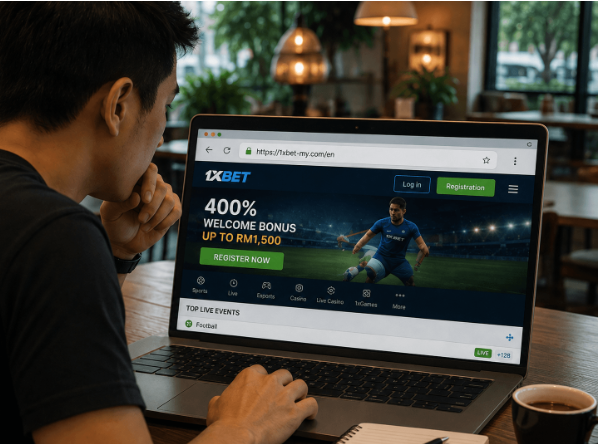
A familiar logo is not enough to prove that a betting website is the one you intended to open. Search results, old bookmarks and links shared through messages can all lead to pages that look convincing while using a slightly different web address.
The safest moment to notice that difference is before entering a phone number, password or verification code. A few checks in the browser can prevent much bigger problems later.
Start With the Domain, Not the Design
Copied websites can reproduce colours, menus and login screens closely enough to look genuine at first glance. Faking the address bar itself is a different level of effort entirely.
Before using 1xbetmy, check the domain character by character. Extra words, substituted letters, unexpected country-code endings or unfamiliar subdomains deserve attention. A shortened link is also worth expanding before login because it hides the final destination.
Do not rely on the brand name displayed on the page. The actual domain shown by the browser matters more than the logo.
Check Where a Redirect Ends
A link does not always stay on the domain it initially opens. Some services use redirects for regional pages, authentication or payments, and that can be legitimate.
What matters is the final destination. Before typing an email address, phone number, password or one-time code, look at the address bar again.
If the browser has moved to a completely unfamiliar domain without a clear reason, close the page and verify the route rather than continuing automatically.
Look Closely at the Login Form
When accessing 1xbet my, the login process should not suddenly ask for information unrelated to signing in.
A page deserves closer inspection if it requests card details before account access, repeatedly asks for one-time codes or insists that software must be downloaded before login. Another useful clue is the password manager. If credentials that normally autofill are no longer recognised, check whether the domain has changed.
Saved credentials do go stale sometimes on their own, so this alone doesn’t mean much. Still, it’s a good enough reason to glance at the address bar before typing the password in by hand.
Forbes has reported on increasingly convincing phishing pages designed to imitate legitimate sign-in screens, making the URL itself a more useful check than visual familiarity.
The Padlock Doesn’t Tell You Who’s Behind the Page
HTTPS keeps the data between your browser and the website private. Who’s actually running that website is a separate question entirely — encryption says nothing about that.
Google Chrome’s own guidance makes this distinction clear: even when a connection is secure, users should still check the site name in the address bar before sharing personal information.
In other words, the padlock or secure-connection indicator tells you about encryption, not the identity or reputation of the operator behind the page.
Check the Payment Route Too
The same caution should continue after login. Betting sites may send users to external payment providers, so a change of domain during checkout is not automatically suspicious.
The destination should, however, match the payment method selected. Stop if the account currency changes unexpectedly, an unfamiliar gateway appears without explanation or the page asks for details unrelated to that payment method.
After completing a transaction, check whether it appears in the account history before trying again. Repeating a payment because a page looks uncertain can create a duplicate charge.
What to Do If Something Looks Wrong
If something feels off, stop typing — don’t enter anything else, whatever screen you’re on. Close the page entirely, then reopen the service the way you normally would, through a link or bookmark you already trust rather than whatever you just clicked. If a password did get entered before you noticed, change it right away.
After that, it’s worth a quick look at recent account activity and payment history, just to confirm nothing happened while you weren’t paying attention. If you do need to reach support, use a verified contact channel — and specifically not whatever phone number or email was sitting on the suspicious page itself. That’s often exactly where a fake page leads you next.
Quick Website Check
Most problems can be caught by looking at a handful of details before login. The checks below take less than a minute.
| Check | What to look for | Warning sign |
| Domain | Exact spelling | Added characters or words |
| Redirect | Expected destination | Unfamiliar final domain |
| HTTPS | Encrypted connection | No secure connection |
| Login | Normal credentials | Card details requested |
| Password manager | Known domain | Saved login no longer matches |
| Payments | Expected gateway | Unexplained payment page |
| Account history | Recent activity | Unknown login or transaction |
No single item proves that a page is fraudulent, but several unexpected changes at once are a strong reason not to continue.
Sometimes a Login Failure Is Just a Login Failure
Not every rejected password or missing autofill entry points to a fake website. Old saved credentials, changed phone numbers, two-factor authentication problems, browser cookies or temporary service issues can produce similar symptoms.
The difference is what happens next. Use the normal recovery process on a verified domain rather than searching randomly for alternative login pages or creating another account.
Keep Access Problems Separate From Betting Decisions
Difficulty signing in can be frustrating, but restoring access should not become a reason to rush into a deposit once the account opens again.
Avoid creating duplicate accounts, trying unverified sites or increasing spending simply because access was unavailable for a while. And if the frustration around all this points to something bigger than a login problem, Gambling Therapy is worth a call — free, confidential, no obligation to explain yourself.
Before Entering Your Password
Check the domain first, then the final redirect, login form and payment route. If anything has changed unexpectedly, verify it before continuing.
A betting website can look almost identical to one you already know. The address bar, not the page design, is what tells you where you actually are.

