


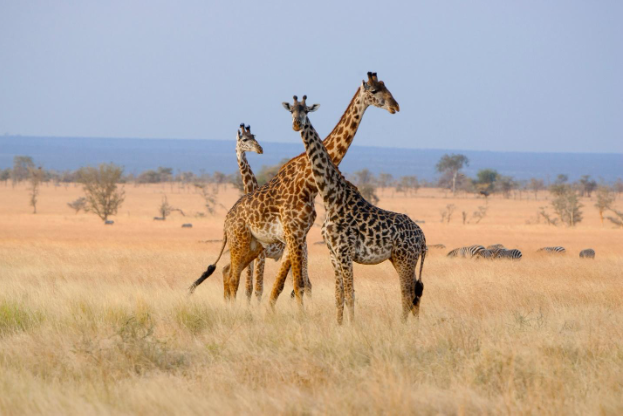
You’re watching zebras graze in soft morning light. Calm. Predictable. Peaceful.
Then a sharp alarm call cut across the plain. Head lift. Body tightens. The herd shifts direction almost instantly. Nothing dramatic happened. No chase. No visible predator.
But everything has changed. A Tanzania Safari doesn’t just show animals. It changes how you notice life around you.
The longer you spend on Tanzania Wildlife Safaris, the more you realise you’re not just observing wildlife, you’re learning how an ecosystem breathes, reacts, and balances itself.
You Stop Seeing “Animals” and Start Seeing Relationships
Predator and prey isn’t the full story; everything is connected. At first, wildlife feel separate zebras here, lions there, birds overhead. But a slowly emerging pattern emerges.
Grazing animals move based on grass height and water access. Birds follow herds to feed on insects stirred by hooves. Antelopes react to distant sounds before you understand why.
In places like Serengeti National Park, space is shared constantly. Species overlap. They respond to each other’s movement. Even silence becomes meaningful. You begin to see a relationship instead of an isolated sighting.
The Serengeti Lion Ecosystem: Balance, Pressure, and Timing
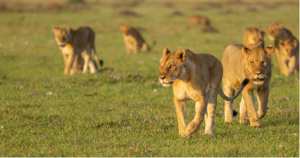
Lions don’t rule the plain; they work within the system. The Serengeti lion ecosystem is more complex than the idea of a dominant predator. Lions compete with hyenas. Scavengers wait at the edge. Territory overlaps.
Understanding Lion behavior in the wild reveals that timing and pressure shape everything. A successful hunt depends on wind direction, herd structure, and even the presence of other predators.
During a thoughtful Tanzania big cats safari, you see that balance, not dominance keep the system moving. No species operates alone.
Listening Changes Everything: The Soundscape of the Wild
Once you learn the sound, you notice what you missed before. The bush is rarely silent.
An early morning safari in Tanzania begins with layered sound: the dawn chorus of birds, distant hoofbeat, and wind brushing through grass. Then alarm call. Then sometimes, the low roar of a lion carried across cool air.
On a Tanzania wildlife sound safari, guides pause the vehicle and simply listen. Engine off. Voice low.
A true Wildlife soundscape safari teaches you that awareness starts with your ears. Once you understand the sounds, your entire perception shifts. You’re no longer waiting for movement, you’re anticipating it.
Patience Becomes a Skill (Not Just a Personality Trait)
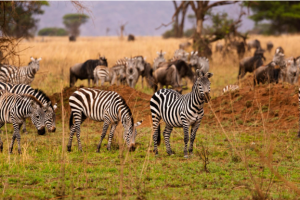
Waiting stops feeling like nothing is happening. At first, sitting still feels uneventful. But over time, patience becomes active.
You begin tracking subtle change, fresh print in the sand, shifting posture in a herd, a single vulture circling lower than usual.
Guided by experienced Tanzania Travel Guides, you learn that observation deepens when you stop chasing moments. Scenes form naturally when you give them time.
On meaningful Tanzania Wildlife Safaris, patience turns into participation.
Culture and Nature Together: What You Learn Beyond the Parks
The land has wildlife stories and human stories at the same time. Beyond the boundaries of protected areas, conservation and community are closely linked. Through respectful Tanzania Cultural Tourism, visitors begin to understand how local knowledge shapes wildlife protection.
Conversations with community members, learning about traditional land use, and seeing conservation-linked initiatives make the experience broader than a park visit.
Across diverse Tanzania Destinations, you see that nature and culture are not separate stories; they exist side by side.
Conservation Feels Personal After You’ve Watched the Details
After a few days out there, conservation stops being a slogan. When you’ve seen how subtle behaviour shifts under pressure, you understand why park rules matter. Ethical spacing. Quiet engine. Respect for movement corridors.
The importance of Tanzania lion conservation becomes tangible when you’ve watched lions rest undisturbed or move away because of crowding.
Conservation isn’t abstract anymore. It feels immediate. Personal. Necessary.
A responsible Tanzania Safari support that balances and strengthens long-term protection efforts.
If you want more than sighting, plan Tanzania Tailormade Safaris built around unhurried drives, listening-focused mornings, and time to understand ecosystems, not just pass through them. Choose journeys that prioritise awareness, interpretation, and depth.
CONCLUSION: AFTER DAYS IN THE BUSH, SOMETHING SHIFTS.
You notice wind direction instinctively. You listen for the alarm call. You understand that stillness often carries more information than action.
Tanzania Wildlife Safaris don’t just show you nature. They teach you how to observe it properly, more awareness, less control, and deep respect.
And once that awareness develops, you never see wild places or even ordinary landscapes the same way again.

