


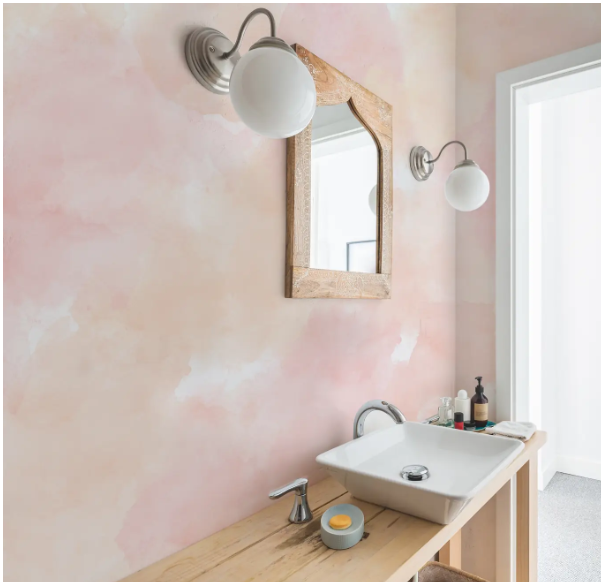
Some rooms look finished because the walls participate. Not with clutter, not with twenty frames, just with one clear visual idea that pulls the space together. That is the role art wallpaper can play when you want a gallery feeling without building a gallery wall.
This is a practical look at what works, where it works, and what choices keep the result curated instead of chaotic.
Why Art Wallpaper Works So Well in Modern Interiors
Modern interiors often rely on fewer, better elements. In that context, a blank wall can make a room feel temporary, even when the furniture is good. Wallpaper that reads like art solves that fast. It gives the room one cohesive composition you can feel from the doorway.
It also reduces the need for extra décor. When the wall carries the story, you can stop “filling” the room. Styling gets lighter. The space settles.
7 Art Wallpaper Ideas for a Gallery-Inspired Room
Before you pick a style, decide what the wall should do: act as the room’s main artwork, frame a zone, or provide a quieter graphic layer.
Abstract and Painterly Wallpaper for Modern Spaces
Painterly designs add energy without a literal theme. Look for brushstroke effects, layered shapes, or a gradient that feels hand-made rather than perfectly digital. This style pairs well with clean-lined furniture and textured materials like wool, linen, and light wood. Keep accessories restrained so the wall remains the “piece.”
Statement Wallpaper Art Ideas for Living Rooms
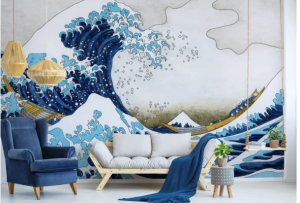
Living rooms handle stronger visuals because you view the walls from farther away. Choose a wall that already anchors the room, often behind the sofa or by the fireplace. Then edit around it. If the wall is bold, keep curtains and rugs calmer. If you want a layered look, repeat one wall color in a cushion or throw and leave the rest quiet. Wallpaper art works best here when it replaces clutter, not when it competes with it.
Softer Wallpaper Art Styles for Refined Bedrooms
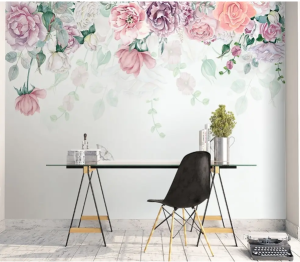
Bedrooms need atmosphere, not visual buzz. Softer art styles include washed tones, open spacing, and gentle linework. Place the pattern behind the bed so it reads like a backdrop. Keep bedding mostly solid and use texture for warmth. Tiny frames on a busy wall often look fussy, so keep wall décor minimal.
Art Deco Wallpaper for Timeless and Elegant Interiors
If you like structure and polish, Art Deco wallpaper delivers it. Deco patterns rely on symmetry and repeated geometry, which can make a room feel tailored. They work especially well in dining rooms, entry spaces, and formal living areas. Keep shine under control with warm lighting and a single metal finish, like brass, echoed once or twice.
Line Art and Graphic Prints for Contemporary Rooms
Line art reads modern because it stays light while still feeling intentional. Think contour drawings, minimal illustrations, or graphic prints with generous negative space. This style can replace traditional wall art in studios and home offices, since it already behaves like a drawn composition. It also pairs naturally with simple storage and minimal furniture.
Architectural Linework Wallpaper for Hallways, Dining Rooms, and Home Offices
Architectural linework feels clean and curated, like a large-scale sketch on the wall. In a hallway, it reads as a quick gallery moment as you pass, without turning the corridor into visual noise. In a dining room, it adds structure and polish, especially with warm lighting and simple table linens. In a home office, it gives you a refined background on calls while keeping the desk area easy on the eyes.
Feature Wall Designs That Add Drama Without Overwhelming the Room
A feature wall works when it frames something real: a bed, a sideboard, a reading chair, a console. It fails when every surface competes. If the room already has patterned textiles, choose a calmer wall composition. If the room is plain, the wall can carry more drama, but keep the supporting pieces quiet.
How to Choose the Right Art Wallpaper for Your Space
Most “it looked great online” regrets come down to scale, lighting, and pattern type. Use this quick filter before you commit.
- Scale check: In small rooms, tiny repeats can feel jittery up close. Larger shapes often feel calmer.
- Light check: North light pulls colors cooler. Warm evening light can soften contrast. Always evaluate under your actual bulb.
- Finish check: Matte looks more like true art. A higher sheen can glare under overhead lighting.
- Furniture check: If rugs or bedding already have a pattern, keep the wall simpler. If the furniture is plain, the wall can carry more.
- Pattern type: Murals read as one artwork. Repeats read as rhythm and texture.
Art Wallpaper vs Art Deco Wallpaper: Which Style Suits Your Room Better?
Art-forward wallpaper tends to feel expressive and atmospheric. It works well when you want warmth, softness, and a curated mood without strict symmetry.
Deco is more architectural. It brings order, repetition, and polish. It often suits rooms that benefit from structure, like dining rooms and entryways. If your furniture already has lots of detail, Deco can push the room into “too much.” In that case, a painterly or line-art wall can feel more breathable.
What to Know Before Buying and Installing Art Wallpaper
Wallpaper looks like art when finished, but the result still depends on planning and surface reality.
Feature Wall or Full-Room Design?
Feature walls are the safer choice for bold designs. Full-room coverage can look stunning, but it demands a calmer pattern and simpler styling. If you are unsure, start with one wall and live with it for a week.
Peel-and-Stick vs Traditional Wallpaper
Peel-and-stick can be convenient on smooth walls. Traditional wallpaper often holds seams down better long term and can offer richer finishes. Wall texture matters. Side lighting will reveal bumps and patchwork, so prep is not optional.
Styling, Durability, and Maintenance Tips
- Maintenance basics: Dust with a microfiber cloth. Spot-clean only if the finish allows gentle wiping. Avoid harsh cleaners.
- Durability in real rooms: Expect wear near switches and door frames. Choose tougher finishes for high-touch zones. Save offcuts for repairs.
- Long-term styling tips: Keep the feature wall clear of clutter. Limit competing patterns nearby. Repeat one wall tone in two or three details, then stop.
If you want a framed look without building a gallery wall, how to frame wallpaper as art can be as simple as placing one panel inside trim or molding. One large framed section often looks calmer than many small frames.

