


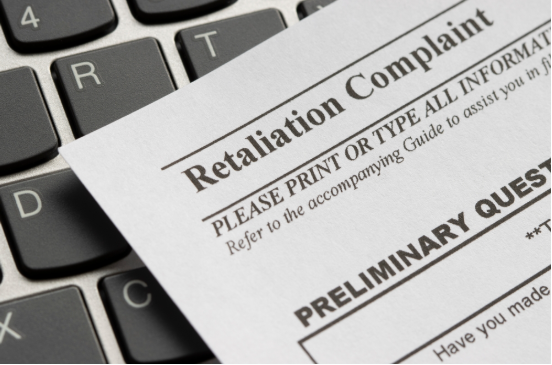
A report about wrongdoing should not turn into a punishment for the person who made it. Yet workplace retaliation can take many forms, from losing a job to facing unfair discipline, reduced hours, or unwanted changes at work.
The difficult part is that retaliation may not always be obvious, and the reason given by an employer may look unrelated to the original complaint. Employees who speak up about certain unlawful conduct may have protections under federal or state laws. Knowing those rights can help put the situation into clearer focus.
Here are the main rights and legal options employees may need to consider.
Employee Rights in Whistleblower Retaliation Cases
Employees do not automatically receive whistleblower protection for every workplace complaint. The protection can depend on what was reported, how the report was made, who received it, and which law applies. For employees trying to understand these rules, speaking with an attorney for whistleblower retaliation may help clarify which protections could apply to their situation.
Certain federal and state laws protect employees who make qualifying reports about suspected legal violations, safety concerns, fraud, or other protected matters. These laws may restrict an employer from taking certain negative actions because an employee engaged in protected conduct. The specific rights and requirements can vary based on the facts of each case.
Common Forms of Retaliation
Retaliation can look different from one workplace to another. Some actions may include:
- Termination or threats of termination
- Demotion or loss of job duties
- Reduced hours or pay
- Unfair disciplinary action
- Unwanted changes to work assignments
- Negative treatment after making a protected report
An employee should not assume that any unpleasant workplace action is automatically retaliation. The facts and the law involved need to be considered carefully.
Legal Options for Employees Facing Retaliation
Employees who believe they have faced retaliation may have several possible routes. The right option depends on the circumstances, the applicable law, and any required procedures.
Making an Internal Complaint
Some workplaces have an internal process for reporting misconduct or retaliation. An employee may be able to raise the concern with human resources, a manager, an ethics office, or another designated person.
Keeping the complaint clear and factual can help create a record of what was reported. Employees should also keep copies of relevant workplace communications and documents where permitted.
Filing With a Government Agency
Some whistleblower laws provide a process for filing a complaint with a government agency. The correct agency depends on the type of conduct reported and the law that may protect the employee.
These processes can have their own rules, forms, deadlines, and requirements. An employee should review the specific requirements that apply rather than assuming that every whistleblower claim follows the same process.
Pursuing a Legal Claim
Certain situations may allow an employee to bring a legal claim against an employer. A claim may involve issues such as lost wages, termination, or other harmful employment actions, depending on the law involved.
Speaking with an attorney about whistleblower retaliation can help an employee understand which legal rules may apply to the reported conduct and the employer’s response. A lawyer can also review available records and discuss possible procedures without assuming that every case has the same outcome.
Why Documentation Matters
A good record can make a complicated workplace dispute easier to understand. Employees who believe retaliation has occurred should preserve relevant information related to both the original report and what happened afterward.
Records That May Be Relevant
Keeping clear records can make it easier to show what happened and when. Employees can keep track of relevant information such as:
- Emails and workplace messages related to the complaint
- Text messages or other written communication
- Performance reviews and disciplinary notices
- Work schedules, pay records, or changes in job duties
- Copies of complaints and responses from management or HR
- Names of people who may have witnessed relevant events
- A simple timeline showing the complaint and actions that followed
Employees should focus on recording facts rather than guessing about an employer’s intentions. Dates, statements, workplace changes, and other specific details may become relevant during a legal review.
Understanding Possible Legal Remedies
Legal remedies are not the same in every whistleblower matter. They depend on the law that applies and the facts of the case. Possible remedies under certain laws may include reinstatement, back pay, lost wages, compensation for specific losses, or other forms of relief.
Some laws may also allow recovery of attorney fees or legal costs. However, employees should not assume that every remedy is available in every case. The applicable statute and legal process determine what relief may be possible.
A legal professional can review the circumstances and explain which remedies may be relevant. This can include looking at the original report, the employer’s response, financial losses, and other evidence connected to the dispute.
Protecting Your Rights After Speaking Up
Reporting workplace wrongdoing can create serious employment concerns, especially if negative treatment follows the complaint. Employees may have legal protections in certain situations, but those protections depend on the facts and the law that applies.
Keeping records, learning about available reporting channels, and paying attention to filing requirements can help employees make informed decisions. An attorney for whistleblower retaliation can review the specific circumstances, explain potentially available legal options, and discuss possible remedies based on the applicable law.

