


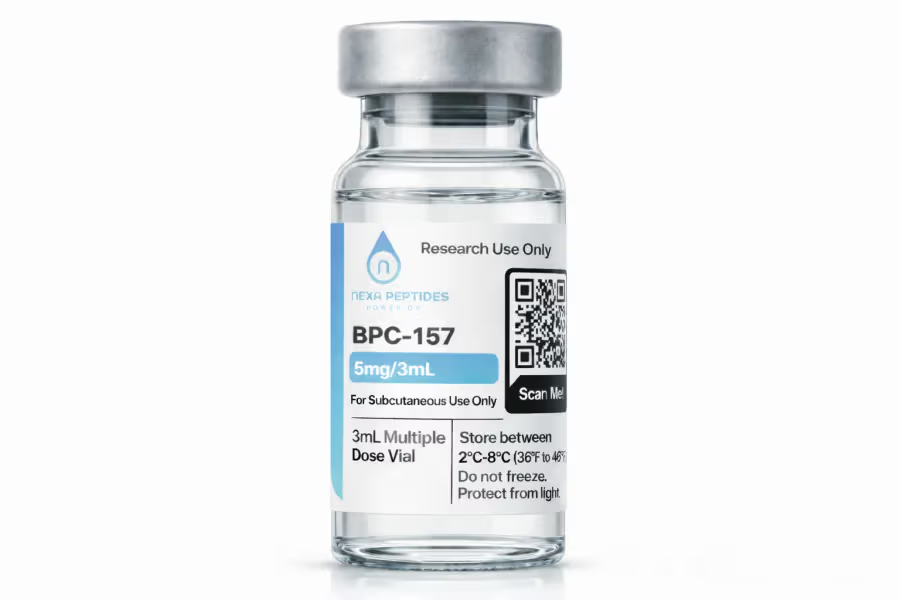
Scientific research involving peptide compounds has grown significantly as laboratories continue exploring advanced molecular analysis and experimental biotechnology. Within professional research environments, bpc157 has become a recognized peptide compound studied for its structural characteristics and laboratory relevance in controlled scientific investigations. Research-grade peptides are highly valued because they support accurate analytical procedures, stable testing conditions, and dependable experimental observations.
Modern laboratories rely heavily on high-purity peptide compounds to maintain consistent research standards and reproducible scientific outcomes. Researchers commonly prioritize premium-quality materials because precise molecular composition and verified purity are essential for advanced scientific studies. As peptide science continues evolving, dependable research-grade compounds remain important for supporting laboratory innovation and analytical progress.
Why Are High-Purity Peptides Important in Scientific Research?
High-purity peptides are important because scientific investigations depend on stable and consistent molecular materials. Variations in peptide composition can influence laboratory conditions and reduce the reliability of experimental findings. Professional laboratories therefore seek compounds produced under strict quality assurance procedures designed to maintain purity and structural integrity.
Reliable peptide materials support more accurate scientific analysis by reducing contamination risks and minimizing unwanted experimental variables. High-purity compounds help researchers maintain controlled laboratory conditions and improve confidence in analytical observations.
Premium-quality peptides also contribute to more efficient laboratory workflows. Properly manufactured compounds are generally easier to prepare, store, and manage within professional research environments. This consistency allows scientific teams to focus more effectively on data analysis and experimental interpretation.
What Makes BPC157 Valuable for Laboratory Investigations?
BPC157 has gained scientific attention because of its peptide structure and relevance in controlled laboratory research applications. Researchers commonly study peptide compounds to explore molecular interactions, structural behavior, and analytical performance within specialized scientific environments.
Modern peptide investigations often involve advanced analytical techniques designed to evaluate consistency, stability, and experimental behavior. BPC157-related studies contribute to broader scientific understanding and encourage continued progress in peptide-focused laboratory research.
The adaptability of peptide compounds also makes them useful for multiple analytical approaches. Researchers can apply different experimental methods depending on the objectives of a scientific investigation, allowing expanded exploration within molecular science and biotechnology.
How Do Quality Standards Support Reliable Research Outcomes?
Quality standards are essential because scientific research requires repeatable conditions and dependable molecular materials. Research-grade peptides commonly undergo extensive analytical testing to confirm purity, stability, and consistency before laboratory use.
Controlled manufacturing environments help reduce contamination risks while supporting reliable peptide composition across multiple production batches. Laboratories often prioritize compounds produced according to strict quality assurance procedures because consistent materials contribute directly to accurate scientific analysis.
Reliable quality verification also improves confidence during laboratory investigations. Researchers working with tested peptide materials can maintain more stable experimental conditions and strengthen the reliability of collected scientific data.
Why Is Purity Verification Important in Peptide Studies?
Purity verification allows laboratories to confirm that peptide compounds meet expected scientific specifications before experimental analysis begins. High-purity materials reduce the possibility of unwanted interference during laboratory investigations and support more dependable analytical observations.
Advanced testing procedures are commonly used to evaluate molecular composition and consistency across peptide production cycles. These methods help researchers maintain reliable laboratory standards and improve the accuracy of scientific findings.
Verified purity also contributes to safer handling practices within professional laboratories. Properly tested compounds are generally easier to manage under controlled research conditions, supporting more efficient workflows and stable analytical performance.
How Are Research Peptides Commonly Handled in Laboratories?
Professional research facilities generally follow structured handling procedures designed to preserve peptide integrity and maintain controlled scientific environments. Specialized storage systems are often used to reduce environmental exposure and support long-term molecular stability.
Temperature management is a major component of peptide handling protocols. Laboratories commonly implement refrigeration and moisture-control procedures to help maintain compound quality throughout storage and preparation phases.
Sterile preparation techniques further improve laboratory reliability. Scientific teams frequently use specialized equipment and contamination prevention measures during peptide handling to support accurate experimental conditions and dependable research outcomes.
Why Is Consistency Essential in Laboratory Research?
Consistency is one of the most important aspects of professional scientific research because repeatable conditions help researchers evaluate analytical observations more effectively. Variations in peptide composition or stability may influence laboratory results and reduce confidence in collected data.
Standardized manufacturing methods help maintain dependable peptide characteristics across multiple production batches. Researchers conducting ongoing investigations especially rely on stable compounds to preserve continuity throughout long-term scientific projects.
Consistent peptide quality also improves laboratory efficiency by reducing variability during preparation and analysis procedures. Reliable compounds allow scientific teams to focus more directly on research interpretation and analytical development.
What Role Does Innovation Play in Modern Peptide Science?
Innovation continues shaping peptide science through advancements in laboratory technologies and molecular analysis techniques. Modern research facilities now utilize highly specialized equipment capable of conducting detailed peptide investigations with greater precision and efficiency.
Automation has become increasingly valuable in scientific laboratories because it supports accurate measurement, organized workflows, and controlled experimental procedures. These advancements help researchers manage complex investigations while maintaining strong standards of consistency and reliability.
Collaborative scientific research also contributes to continued progress within peptide-related studies. Laboratories and research institutions frequently exchange analytical methods and scientific insights that encourage broader exploration and ongoing development in molecular science.
How Does Reliable Sourcing Benefit Research Laboratories?
Reliable sourcing is important because peptide quality directly affects laboratory performance and scientific credibility. Professional research facilities commonly seek dependable suppliers capable of maintaining strict production standards and transparent quality assurance practices.
Stable sourcing helps laboratories avoid interruptions during ongoing research investigations. Researchers often depend on consistent access to verified peptide materials to preserve accurate testing conditions throughout multiple experimental phases.
Analytical documentation further supports sourcing confidence. Laboratories generally value detailed manufacturing and verification information that helps confirm peptide reliability before scientific use.
Why Is Peptide Stability Important for Scientific Analysis?
Peptide stability is a critical factor because unstable compounds may affect molecular integrity and influence laboratory observations during scientific investigations. Environmental exposure, improper storage conditions, and temperature fluctuations can all impact peptide performance.
Professional laboratories commonly implement controlled storage protocols designed to preserve peptide stability over extended periods. Refrigeration, secure packaging, and contamination prevention procedures help maintain reliable analytical conditions throughout scientific studies.
Stable peptide compounds contribute to more dependable research performance because they maintain predictable behavior during controlled experiments. Researchers therefore prioritize materials prepared according to professional research standards and strict quality procedures.
What Are Researchers Exploring in Advanced Peptide Studies?
Modern peptide studies continue expanding as scientists investigate increasingly specialized molecular interactions and analytical pathways. Laboratories commonly examine structural behavior, biochemical activity, and interaction patterns within carefully controlled research environments.
Advanced technologies now allow researchers to conduct highly detailed molecular investigations involving precision-based analytical systems and sophisticated laboratory methodologies. These tools support deeper scientific understanding and contribute to ongoing progress in peptide-focused research fields.
The increasing interest in peptide science reflects the importance of dependable research materials and advanced analytical procedures within modern laboratory environments. High-quality peptide compounds remain essential for supporting innovation and accurate scientific exploration.
How Do Controlled Laboratory Environments Improve Research Quality?
Controlled laboratory environments help researchers minimize external variables that could interfere with scientific analysis. Professional facilities commonly maintain carefully monitored conditions designed to preserve peptide integrity and support reproducible experimental performance.
Sterile workflows, accurate measurement procedures, and organized documentation all contribute to reliable laboratory operations. Researchers rely on these practices because stable conditions improve the consistency and credibility of scientific findings.
Environmental monitoring systems further support dependable research performance by helping laboratories maintain controlled conditions throughout long-term investigations. These procedures remain essential for achieving accurate and repeatable analytical outcomes.
Why Is Demand Growing for Premium Peptide Research?
Demand for premium peptide research materials continues growing because scientific institutions are increasingly focused on advanced molecular analysis and biotechnology development. Laboratories commonly seek high-purity compounds capable of supporting specialized scientific investigations and precision-based analytical methods.
The advancement of modern research technologies has also contributed to increasing interest in peptide-related studies. Researchers now utilize sophisticated laboratory systems that require stable and precisely manufactured compounds for accurate experimental analysis.
As scientific capabilities continue evolving, demand for premium-quality peptide materials is expected to remain strong. Reliable manufacturing standards, transparent quality verification, and professional laboratory practices will continue supporting innovation within modern peptide science.
What Is the Future of Research-Grade Peptide Science?
The future of research-grade peptide science is expected to involve continued advancements in molecular analysis, laboratory automation, and scientific collaboration. Researchers will likely continue exploring increasingly specialized peptide applications designed to expand scientific understanding and improve analytical methodologies.
Professional laboratories are expected to maintain strong emphasis on purity verification, manufacturing consistency, and controlled research environments. High-quality peptide compounds will remain essential for supporting accurate scientific analysis and dependable laboratory performance.
As biotechnology and molecular science continue advancing, research-grade peptides will play an increasingly important role in modern scientific exploration. Stable materials, advanced analytical methods, and reliable quality standards will continue shaping the future growth of peptide-related research investigations.

