


Bonnaroo music festival canceled its 2025 edition on June 13, marking the third devastating cancellation in just five years for one of America’s most beloved outdoor music events.
The Manchester, Tennessee festival, which drew thousands of fans to the 700-acre Farm, was forced to shut down after just one day due to severe flooding and deteriorating weather conditions that made camping and evacuation unsafe.
After initially offering 75% refunds that sparked massive backlash, organizers reversed course to provide 100% refunds while announcing their determined return for June 11-14, 2026, with major infrastructure upgrades designed to prevent future weather-related disasters.
Understanding the 2025 Bonnaroo Cancellation
The 2025 Bonnaroo Music and Arts Festival began with high anticipation on Thursday, June 12. Over 80,000 festival-goers descended upon the Farm in Manchester, Tennessee, ready for four days of music, camping, and community. Thursday’s performances went smoothly with headliner Luke Combs delivering an electric show.
But Friday morning brought ominous weather forecasts. The National Weather Service predicted significant and sustained precipitation throughout the weekend. By early Friday afternoon, severe thunderstorms began rolling through the area, drenching campsites and creating hazardous conditions.
Around 3:00 PM on Friday, festival organizers issued an evacuation notice. They asked attendees to seek shelter in their vehicles or RVs as dangerous weather approached. The rain intensified, turning campgrounds into muddy swamps and flooding low-lying areas.
By 7:30 PM Friday evening, the devastating announcement came. Bonnaroo organizers posted on social media that the remainder of the festival was officially canceled. The decision broke hearts across the music community but prioritized attendee safety above all else.
What Happened During the Cancellation Weekend
Friday’s scheduled headliner Tyler, the Creator never took the stage. Glass Animals, Megadeth, and Rainbow Kitten Surprise also had their performances canceled. These artists had traveled to Tennessee only to watch rain destroy the weekend’s plans.
Saturday’s lineup was supposed to feature Olivia Rodrigo as headliner. Vampire Weekend, Hozier, Glorilla, and Queens of the Stone Age were also scheduled. None of these performances happened as evacuation procedures took priority over entertainment.
Sunday was meant to close the festival with performances from artists like Avril Lavigne and other major acts. Instead, the Farm sat empty except for cleanup crews and remaining campers trying to navigate muddy exit routes.
The evacuation process became chaotic. Parts of “Outeroo” (the outer campground areas) experienced severe flooding. Some campsites were completely submerged, with belongings floating in standing water. Vehicles became stuck in thick mud, requiring towing assistance.
Festival staff prioritized evacuating those in the most dangerous situations first. Campers with accessibility needs and those in flooded areas received evacuation priority. RV owners and those on higher ground were asked to wait until Saturday morning.
The Financial Impact and Refund Controversy
Initially, Bonnaroo announced 75% refunds for four-day pass holders. Single-day Friday, Saturday, and Sunday ticket holders would receive full refunds since those days never happened. But four-day pass holders only got 75% back because Thursday performances occurred successfully.
This partial refund policy sparked immediate and intense backlash. Fans flooded social media with complaints. Many had spent thousands on tickets, camping passes, travel, and time off work. Receiving only 75% back felt inadequate given the circumstances.
A Change.org petition demanding full refunds quickly gathered over 6,000 signatures. The petition argued that one day of performances didn’t justify keeping 25% of ticket prices. Attendees pointed out they also lost money on wasted camping gear, food, and non-refundable travel expenses.
Media outlets picked up the story, putting additional pressure on festival organizers. Local news stations interviewed disappointed attendees who shared their financial losses. The negative publicity threatened Bonnaroo’s reputation and future ticket sales.
On June 20, 2025, organizers reversed their decision. They announced 100% refunds for all four-day passes purchased through Front Gate Tickets. This policy change also applied to camping accommodations, parking passes, and other festival-related purchases.
The refund reversal demonstrated responsiveness to community feedback. However, it also raised questions about the festival’s financial stability. Providing full refunds after one day of operation represented a massive financial loss for organizers.
The Third Cancellation in Five Years
Bonnaroo’s 2025 cancellation wasn’t an isolated incident. The festival has now been canceled three times between 2020 and 2025. This pattern raises serious concerns about the event’s long-term viability and location suitability.
In 2020, Bonnaroo canceled due to the COVID-19 pandemic. Like nearly every major festival worldwide, organizers had no choice but to shut down. The virus made large gatherings impossible and illegal in most jurisdictions.
The 2021 cancellation came after Hurricane Ida dumped torrential rain on Tennessee. The remnants of this powerful Gulf Coast hurricane created flooding conditions similar to 2025. The Farm became a muddy disaster zone, forcing cancellation before the festival even began.
2022, 2023, and 2024 saw successful Bonnaroo festivals. These years gave organizers and fans hope that weather issues were behind them. Significant drainage improvements were made after 2021’s cancellation.
But 2025 proved those improvements weren’t enough. The heavy sustained rainfall overwhelmed even upgraded drainage systems. The Farm’s natural topography creates drainage challenges that multi-million-dollar improvements can’t completely solve.
This pattern of weather-related cancellations distinguishes Bonnaroo from other major festivals. Coachella in California rarely faces weather issues. Lollapalooza in Chicago occasionally deals with rain but has urban infrastructure advantages. Bonnaroo’s rural Tennessee location creates unique vulnerabilities.
Infrastructure Problems at the Farm
The Farm in Manchester, Tennessee sits on 700 acres of former farmland. While beautiful and spacious, the property has inherent drainage challenges. Low-lying areas are prone to flooding during heavy rain. Clay soil doesn’t absorb water efficiently.
After Hurricane Ida canceled 2021’s festival, organizers consulted with drainage and land management experts. They developed a multi-million-dollar, multi-year improvement plan. This plan included installing new drainage systems, creating water runoff pathways, and grading problematic areas.
Between 2021 and 2024, Bonnaroo invested heavily in these improvements. New drainage pipes were installed throughout campgrounds. Access roads were improved to handle wet conditions. Emergency egress routes were established.
The 2025 flooding revealed these improvements weren’t sufficient. The sheer volume of rainfall overwhelmed even upgraded systems. Water pooled in campgrounds, creating dangerous conditions. Mud made roads impassable for standard vehicles.
The Outeroo camping area suffered worst. This outer perimeter section sits at lower elevations than other campgrounds. When heavy rain falls, water naturally flows toward Outeroo. The 2025 storms turned these areas into lakes.
Some attendees reported water reaching their tent floors. Others woke to find their campsites completely submerged. Belongings floated away. Vehicles became trapped in thick mud. The situation was genuinely dangerous, not just inconvenient.
Community Response and Alternative Events
When Bonnaroo canceled, the music community rallied. Northlands Music & Arts Festival in Swanzey, New Hampshire offered free admission to Bonnaroo ticketholders. They opened their gates on June 14-15 to provide stranded music fans with an alternative experience.
Northlands featured performances from moe., Cory Wong, Umphrey’s McGee, Andy Frasco & The U.N., and Soulive. While not the same as Bonnaroo’s massive lineup, it gave fans a chance to salvage their weekend. The gesture demonstrated festival community solidarity.
In Nashville, various venues hosted relocated performances. Brooklyn Bowl Nashville became home to the famous Bonnaroo Superjam. Remi Wolf’s “Insanely Fire 1970’s Pool Party Superjam” proceeded as planned with special guests.
Local bars and music venues throughout Nashville saw increased business. Disappointed Bonnaroo attendees redirected their energy toward Nashville’s famous honky-tonks and live music scene. The city’s tourism industry benefited from the cancellation.
Some scheduled Bonnaroo artists played impromptu shows around Nashville. These smaller, intimate performances provided memorable experiences for lucky fans. Artists wanted to perform for their fans despite the festival cancellation.
Social media became a gathering place for the Bonnaroo community. Fans shared their evacuation stories, offered rides to stranded attendees, and made plans to meet up in Nashville. The “Bonnaroovian spirit” persisted despite the disappointment.
Organizer Response and Transparency
Festival organizers communicated regularly throughout the crisis. Their statement on June 13 explained the difficult decision to cancel. They acknowledged being “beyond gutted” and expressed genuine heartbreak over the situation.
The initial 75% refund announcement came quickly, perhaps too quickly. It seemed organizers hadn’t fully considered fan reaction. The backlash forced reconsideration and demonstrated the power of community voice.
On June 20, the updated statement providing 100% refunds struck a different tone. Organizers acknowledged they were “still listening” and valued fan feedback. They promised to improve the Farm while avoiding commitments about future dates.
This cautious approach reflected uncertainty about Bonnaroo’s future. Unlike previous years where next year’s dates were announced immediately after the festival, 2025 ended with ambiguity. The phrase “we will not be announcing future dates” worried longtime fans.
Organizers explained their deep love for Bonnaroo. Many staff members had been with the festival since early years. Some were fans first who later joined the team. This personal connection made the cancellation particularly painful for everyone involved.
The statement emphasized safety as the primary concern. While disappointing thousands of fans was difficult, allowing attendees to remain in dangerous conditions was unacceptable. This prioritization of safety over profit was the right call.
Survey Feedback and Future Planning
In the weeks following cancellation, Bonnaroo distributed surveys to 2025 ticketholders. These surveys asked detailed questions about future preferences. The organizers genuinely wanted fan input before making major decisions.
One key question asked if fans would attend Bonnaroo if moved a few weeks later in summer. This suggested organizers considered shifting from mid-June to July. Later summer dates might reduce severe weather risk.
Another question explored late September or early October dates. Fall timing would dramatically change Bonnaroo’s character. Tennessee weather is generally mild and dry in autumn. However, fall dates would compete with students returning to school.
The surveys also asked about festival frequency. Would fans prefer Bonnaroo every other year with better preparation time? This biennial model might allow for more thorough improvements and planning.
Genre preferences were explored. Organizers wanted to know what music styles mattered most to their core audience. Electronic music, indie rock, hip-hop, and country all had dedicated fan bases.
Infrastructure priorities were another focus. Did fans care more about camping improvements or stage upgrades? Would they pay higher ticket prices for guaranteed better facilities? These questions informed budget allocation decisions.
The survey results heavily favored keeping Bonnaroo in June. Fans expressed strong preference for traditional mid-June timing despite weather risks. This feedback influenced the decision to schedule 2026 for June 11-14.
The 2026 Return Announcement
On July 17, 2025, Bonnaroo officially announced its return. The festival would take place June 11-14, 2026, at the Farm in Manchester, Tennessee. This announcement came with commitments to major infrastructure improvements.
Organizers pledged an additional multi-million-dollar budget for the 2025-2026 off-season. These funds would target campground improvements and areas most affected by 2025’s flooding. Specific projects were outlined.
Reseeding the entire property was priority one. Grass coverage helps with water absorption and erosion prevention. Bare patches created mud problems that healthy turf would minimize.
Access roads within campgrounds would be expanded and improved. Better roads allow for easier evacuation and emergency vehicle access. They also help with regular traffic flow and reduce bottlenecks.
Additional drainage systems would be installed throughout the property. These would supplement existing improvements made after 2021. The goal was creating redundant systems that could handle extreme rainfall.
Primary water runoff pathways would be reinforced. These channels direct water away from camping areas toward proper drainage points. Strengthening these pathways prevents overflow into campsites.
The announcement also included 135 acres of new turf installation. This massive project would transform previously problematic areas into stable, well-drained spaces. Turf provides stable ground even in wet conditions.
Miles of new roadways were planned. These roads would improve accessibility and create alternative routes during emergencies. Better road infrastructure was crucial for safe evacuation procedures.
The 2026 Lineup and Artist Roster
In December 2025, Bonnaroo released its 2026 lineup. The roster featured an impressive mix of established headliners and rising artists. Four major headliners anchored different days and musical styles.
Skrillex headlines Thursday night, opening the festival with electronic energy. The dubstep pioneer has evolved into a genre-spanning producer. His Thursday slot sets an energetic tone for the weekend.
The Strokes headline Friday with their iconic indie rock sound. The New York legends bring decades of influential music. Their presence attracts rock fans and nostalgia seekers alike.
RÜFÜS DU SOL takes Saturday’s headlining spot. The Australian electronic trio delivers cinematic live shows. Their blend of house music and live instrumentation creates magical festival moments.
Noah Kahan closes Sunday night as final headliner. The folk-pop singer-songwriter represents the festival’s singer-songwriter tradition. His rapid rise to fame makes him one of 2026’s hottest bookings.
Supporting headliners include major names across genres. Turnstile brings hardcore energy. Mt. Joy represents the indie-folk contingent. Major Lazer delivers dancehall-influenced electronic music.
Vampire Weekend, Hozier, and Kesha all appear after having 2025 sets canceled. These rescheduled performances provide redemption for both artists and disappointed fans.
Electronic music receives heavy representation. Four Tet, GRiZ, Cloonee, Sidepiece, Adventure Club, and A Hundred Drums create diverse electronic programming. Late-night dance sets will dominate smaller stages.
Hip-hop and rap artists include Vince Staples, Clipse, Smino, and Mariah the Scientist. This genre diversity ensures broad appeal across musical preferences.
Rock fans get Modest Mouse, Wolfmother, Queens of the Stone Age, and Wednesday. The rock representation spans classic rock, indie rock, and alternative styles.
Festival Format Changes for 2026
Bonnaroo 2026 introduces significant format modifications. Wednesday programming has been eliminated entirely. The festival now runs Thursday through Sunday instead of Wednesday through Sunday.
This change shortens the overall event footprint. Fewer days mean less infrastructure strain and easier weather risk management. It also reduces operational costs and staffing requirements.
Thursday has been reimagined as a “welcome party” rather than full festival day. Fewer stages will operate on Thursday. Programming will be condensed but still substantial.
The Thursday welcome party concept creates a more relaxed arrival experience. Fans can set up camp without missing major performances. Evening entertainment provides a preview of the weekend ahead.
This scaled-back Thursday approach addresses complaints about rushed setup. Previous years required arriving Wednesday to secure good campsites. Now Thursday arrivals have adequate time for setup before entertainment begins.
The change also acknowledges that many attendees can’t take off work Wednesday. By eliminating Wednesday programming, Bonnaroo becomes more accessible to working professionals. Thursday evening arrival remains feasible for many fans.
Stage configurations may see adjustments. Fewer active stages on Thursday could mean different layouts than previous years. This flexibility allows organizers to optimize traffic flow and crowd management.
The overall schedule will be tighter but potentially more curated. Rather than spreading acts across five days, condensing to four days could create stronger nightly lineups. Quality over quantity becomes the focus.
Infrastructure Investments and Improvements
Bonnaroo’s infrastructure upgrades represent unprecedented investment. The combined spending since 2021 exceeds $10 million. The 2025-2026 off-season budget adds several million more.
Upgraded drainage represents the most critical improvement. New French drains, perforated pipes, and catch basins will be installed throughout campgrounds. These systems collect water before it can pool on the surface.
Water runoff pathways are being reinforced with concrete and riprap. These channels prevent erosion while directing water to proper drainage points. Some pathways will be widened to handle greater volume.
Campground roads are receiving complete overhauls. Gravel bases will be laid before paving. This foundation prevents road deterioration in wet conditions. Paved campground roads are rare at festivals but may become necessary.
The 135 acres of new turf installation transforms vulnerable areas. Professional turf management companies are handling installation. The grass varieties selected are drought-resistant but also handle wet conditions.
Emergency egress routes are being identified and improved. These alternative exit paths allow evacuation even when primary routes flood. Clear signage will mark these routes for easy identification.
Electrical and water infrastructure is also getting attention. Elevated water lines prevent contamination during floods. Electrical systems are being moved to higher locations to avoid water damage.
Weather monitoring equipment is being upgraded. Advanced radar and forecasting tools will provide better early warning of dangerous conditions. Communication systems ensure rapid dissemination of weather information.
Environmental Concerns and Sustainability
Climate change discussions are unavoidable when examining Bonnaroo’s weather challenges. Extreme weather events are increasing in frequency and intensity. What was once considered a “100-year flood” now seems to happen every few years.
Tennessee has experienced changing precipitation patterns. Intense rainfall events have become more common. Spring and early summer storms are producing heavier downpours than historical averages.
Some environmentalists question holding large festivals in vulnerable locations. The environmental impact of 80,000 people camping on farmland is significant. Soil compaction, erosion, and habitat disruption are legitimate concerns.
Bonnaroo has implemented sustainability initiatives over the years. Recycling programs, composting toilets, and renewable energy sources reduce environmental impact. But the fundamental question of location suitability remains.
The festival’s carbon footprint extends beyond the event itself. Tens of thousands of vehicles driving to rural Tennessee create massive emissions. Many attendees fly into Nashville before driving to Manchester.
On the positive side, Bonnaroo promotes environmental awareness. Educational programming highlights sustainability issues. Many attendees are introduced to eco-friendly practices through festival initiatives.
The economic benefits to Manchester and Coffee County are substantial. The festival brings millions of dollars to the local economy. This financial impact supports community development and local businesses.
Finding balance between environmental concerns and economic benefits is challenging. Bonnaroo organizers are working with environmental consultants to minimize impact. Improved drainage actually helps protect local waterways from contaminated runoff.
The Death of Co-founder Jonathan Mayers
June 2025 brought additional tragedy beyond cancellation. Jonathan Mayers, Bonnaroo co-founder, died earlier that month. His death at age 59 shocked the festival community.
Mayers co-founded Bonnaroo in 2002 alongside Rick Farman, Rich Goodstone, and promoter Superfly. His vision helped create one of America’s defining music festivals. Bonnaroo’s inclusive, diverse programming reflected his values.
His death occurred just before the 2025 festival. Some speculated whether his absence affected organizational decision-making. However, his influence on Bonnaroo’s culture endures regardless of his physical presence.
Mayers’ legacy extends beyond Bonnaroo. He helped reshape American festival culture. The multi-day camping festival format that Bonnaroo pioneered influenced countless other events.
His passing marks the end of an era for Bonnaroo’s founding generation. The festival now transitions to new leadership while honoring the vision Mayers helped establish. This transition adds complexity to an already challenging period.
Many 2025 attendees were unaware of Mayers’ recent death when cancellation occurred. The double blow of losing a founder and losing the festival compounded the community’s grief.
Tributes to Mayers flooded social media throughout June. Artists, fans, and industry professionals shared memories of his kindness and passion. His impact on thousands of lives was evident.
The 2026 festival will likely include tributes to Mayers. A memorial or dedication could honor his contributions. His spirit will be present at the Farm even in his physical absence.
Competitor Festivals and Market Position
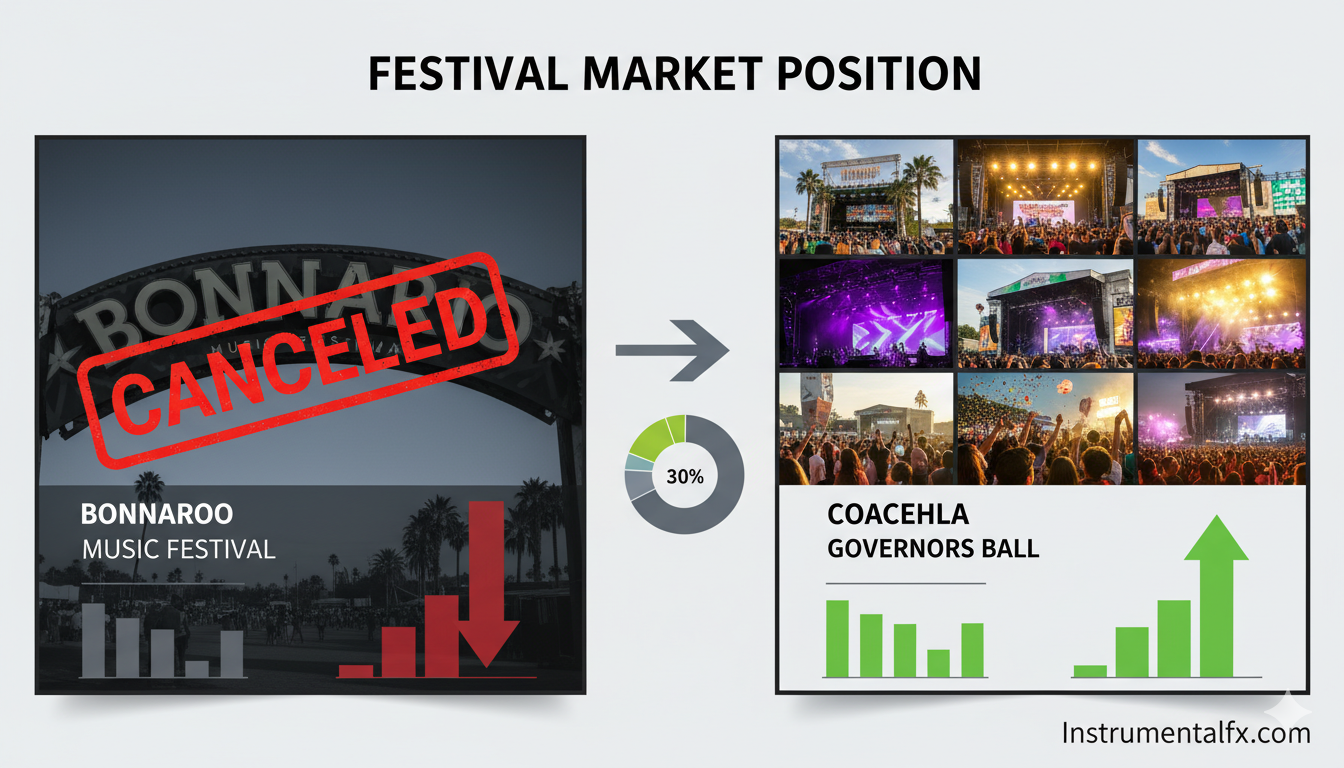
Bonnaroo exists in a competitive festival landscape. Coachella in California attracts similar demographics with bigger-name headliners. Lollapalooza in Chicago offers urban convenience and genre diversity.
Governor’s Ball in New York provides East Coast accessibility. Electric Forest in Michigan caters to electronic music fans. Each festival competes for limited consumer entertainment budgets and artist availability.
Bonnaroo’s cancellation history creates competitive disadvantage. Fans hesitate to commit hundreds or thousands of dollars when cancellation seems possible. Trust is harder to earn than lose.
Some festivals have weathered similar challenges. Electric Forest faced flooding in 2019 but recovered. Outside Lands in San Francisco dealt with heat and air quality issues. Most festivals overcome individual crisis years.
However, Bonnaroo’s three cancellations in five years represent an exceptional pattern. No other major American festival has matched this troubling record. This history distinguishes Bonnaroo in negative ways.
The festival’s Tennessee location offers both advantages and disadvantages. Nashville’s music heritage and proximity to the Farm create cultural authenticity. But the rural setting complicates logistics and increases weather vulnerability.
Bonnaroo’s diverse programming remains a strength. The festival books across genres better than most competitors. Rock, electronic, hip-hop, country, and indie all receive substantial representation.
The camping experience also distinguishes Bonnaroo. While some festivals offer camping options, Bonnaroo makes camping central to the experience. This creates community bonds that day-pass festivals can’t replicate.
Ticket pricing remains competitive. Bonnaroo’s four-day passes cost less than some single-weekend Coachella passes. This value proposition attracts budget-conscious fans.
The Bonnaroovian Spirit and Community
Despite hardships, the Bonnaroo community remains remarkably resilient. The term “Bonnaroovian” represents more than festival attendance. It embodies values of positivity, kindness, and music appreciation.
This community spirit was evident during the 2025 evacuation. Strangers helped each other navigate muddy campgrounds. People shared food, water, and rides. The crisis revealed the community’s character.
Online forums and social media groups maintain year-round connections. Bonnaroovians share memories, plan future attendance, and support each other. These bonds extend far beyond four days in Tennessee.
Many attendees have 10, 15, or even 20 consecutive years of Bonnaroo experience. For these veterans, the festival represents an annual pilgrimage. Cancellations break tradition but don’t destroy commitment.
The Bonnaroo subreddit remained active throughout the cancellation controversy. Fans debated refund policies, shared evacuation stories, and speculated about the future. This engagement demonstrates deep investment in the festival’s survival.
First-time 2025 attendees faced unique disappointment. Many saved for months to afford their first Bonnaroo. The cancellation robbed them of a long-anticipated experience. However, most expressed determination to return in 2026.
The community’s response to full refund announcement was gracious. While initially angry about 75% refunds, fans appreciated organizers’ willingness to listen and change course. This flexibility rebuilt damaged trust.
Social media hashtags like #Bonnaroo2026 and #SaveTheRoo demonstrated commitment to the festival’s future. Fans actively promoted ticket sales and encouraged others to give Bonnaroo another chance.
Economic Impact on Manchester and Coffee County
Bonnaroo’s economic impact on Manchester, Tennessee and surrounding Coffee County is substantial. The festival brings an estimated $50-70 million annually to the local economy. Cancellations create significant financial hardship.
Local hotels, restaurants, and gas stations depend on Bonnaroo revenue. Many businesses earn 20-30% of annual income during festival weekend. The 2025 cancellation after one day meant most businesses missed their primary revenue opportunity.
Temporary employment surrounding Bonnaroo supports hundreds of local residents. Parking attendants, security staff, shuttle drivers, and vendors all lose income when the festival cancels. These jobs provide important seasonal income.
Manchester’s local government benefits from tax revenue generated by Bonnaroo. Hotel taxes, sales taxes, and other fees contribute to municipal budgets. Lost revenue affects public services and infrastructure budgets.
Real estate values in Manchester have increased partly due to Bonnaroo’s presence. Property near the festival site commands premium prices. Some homeowners rent their properties during festival weekend for substantial income.
Local emergency services face challenges during Bonnaroo. Police, fire, and medical personnel work extended hours. While the festival compensates for these services, cancellations disrupt planning and resource allocation.
The broader Coffee County economy also benefits from Bonnaroo. Grocery stores, pharmacies, and retail establishments see increased business. Many residents specifically plan to work or do business during Bonnaroo weekend.
Manchester’s identity has become tied to Bonnaroo. The festival puts this small Tennessee town on the national map. Tourism outside festival weekend has increased due to Bonnaroo’s fame.
Ticket Sales and 2026 Outlook
Early ticket sales for Bonnaroo 2026 will indicate the community’s confidence. Strong sales would demonstrate resilience and forgiveness. Weak sales might force difficult decisions about the festival’s future.
Bonnaroo offered 2025 ticketholders first access to 2026 tickets. This loyalty reward acknowledged the hardship they endured. Many 2025 attendees immediately purchased 2026 passes.
Ticket pricing for 2026 remained competitive. Four-day general admission passes started around $350-400. VIP packages offered premium amenities at higher price points. Payment plans made tickets accessible to budget-conscious fans.
The lineup announcement timing was strategic. Releasing the lineup in December 2025 gave fans six months to plan and save. Early announcement also generates sustained media attention.
Social media reactions to the 2026 lineup were largely positive. Fans appreciated the genre diversity and headliner strength. The Strokes and Noah Kahan received particularly enthusiastic responses.
Some hesitation remained among potential attendees. Online discussions revealed concerns about another possible cancellation. The “fool me once” mentality affected some purchasing decisions.
Bonnaroo’s marketing emphasizes infrastructure improvements. Promotional materials highlight drainage upgrades and emergency planning. This transparency attempts to rebuild trust.
Weather insurance discussions emerged among potential attendees. Some fans considered travel insurance to protect their investment. Insurance costs add to the overall expense of attendance.
Frequently Asked Questions (FAQs)
Why was Bonnaroo 2025 canceled?
Bonnaroo 2025 was canceled on June 13 due to severe weather and flooding that created unsafe camping and evacuation conditions. The National Weather Service forecasted sustained heavy rainfall that would make the campgrounds dangerous.
Will Bonnaroo happen in 2026?
Yes, Bonnaroo officially announced it will return June 11-14, 2026, at the Farm in Manchester, Tennessee. The festival is investing millions in infrastructure improvements to prevent future weather-related cancellations.
Did Bonnaroo offer full refunds for 2025?
Initially, Bonnaroo offered 75% refunds for four-day passes but changed to 100% refunds after significant community backlash. All tickets purchased through Front Gate Tickets received full refunds including camping and parking passes.
How many times has Bonnaroo been canceled?
Bonnaroo has been canceled three times in five years: 2020 (COVID-19 pandemic), 2021 (Hurricane Ida flooding), and 2025 (severe weather and flooding), creating serious concerns about venue suitability.
Who are the 2026 Bonnaroo headliners?
The 2026 headliners are Skrillex (Thursday), The Strokes (Friday), RÜFÜS DU SOL (Saturday), and Noah Kahan (Sunday), with supporting acts including Turnstile, Mt. Joy, Vampire Weekend, and Hozier.
What infrastructure improvements is Bonnaroo making?
Bonnaroo is investing millions in upgraded drainage systems, 135 acres of new turf, miles of new roadways, reinforced water runoff pathways, campground reseeding, and improved access roads to handle extreme weather.
Where is Bonnaroo located?
Bonnaroo takes place at Great Stage Park, a 700-acre farm in Manchester, Tennessee, approximately 60 miles southeast of Nashville. The rural location creates both authentic atmosphere and weather vulnerability challenges.
Can I transfer my 2025 tickets to 2026?
No, 2025 tickets cannot be transferred to 2026. All 2025 ticketholders received 100% refunds and must purchase new tickets for 2026, though they received priority access to purchase 2026 passes.
What is the Bonnaroovian spirit?
The Bonnaroovian spirit refers to the festival’s community values of positivity, kindness, inclusivity, and music appreciation. This culture distinguishes Bonnaroo from other festivals and persists despite recent cancellation challenges.
Has Bonnaroo considered moving to different dates or locations?
Bonnaroo surveyed fans about potentially moving to late summer or fall dates, but attendees strongly preferred keeping the festival in June. The festival remains committed to the Manchester, Tennessee location.
Conclusion
Bonnaroo music festival canceled its 2025 edition under heartbreaking circumstances, creating the third cancellation in five years and raising serious questions about the festival’s long-term sustainability at its Tennessee location.
The severe flooding that shut down the event after just one day, the subsequent refund controversy, and the tragic loss of co-founder Jonathan Mayers created a perfect storm of challenges for this iconic American music festival.
However, the announced return for June 11-14, 2026, with substantial infrastructure investments including upgraded drainage, new turf, improved roads, and reinforced water management systems demonstrates organizers’ commitment to solving the weather vulnerability that has plagued recent years.
The resilient Bonnaroovian community continues supporting the festival despite repeated disappointments. Early ticket sales for 2026, the strong lineup featuring Skrillex,


