


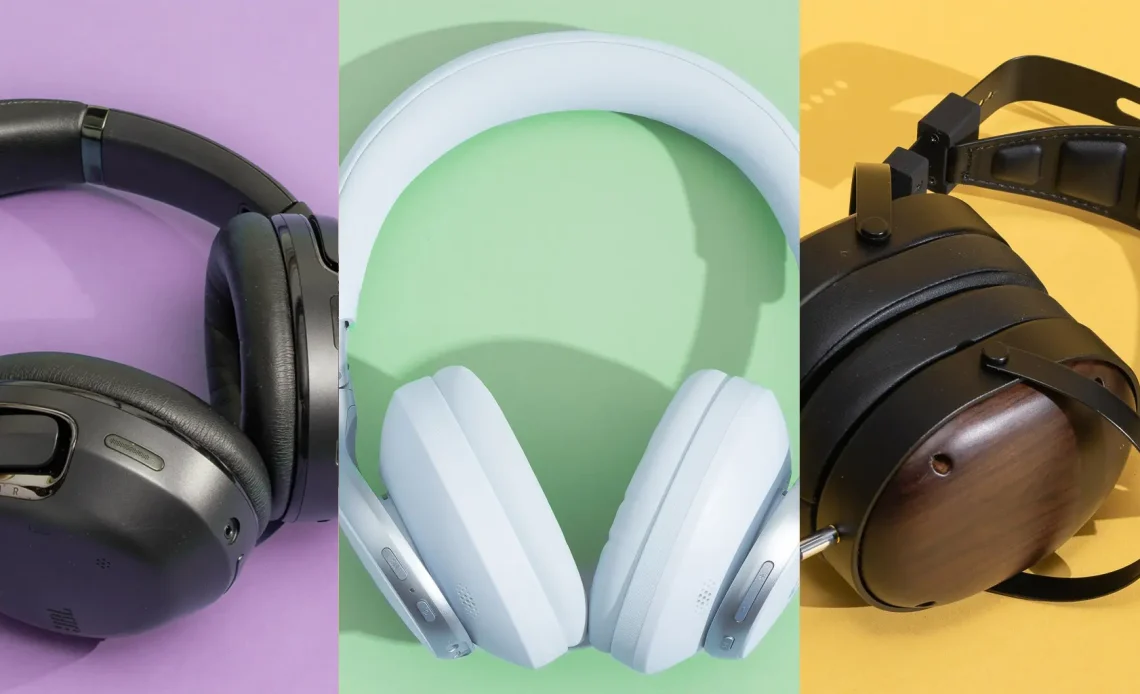
The best headphones for music deliver exceptional sound quality, accurate frequency response, and immersive soundstage that transforms your listening experience.
In 2026, music lovers have access to incredible options ranging from audiophile-grade wired models like the Sennheiser HD 800 S to premium wireless headphones such as the Sony WH-1000XM6 and Bose QuietComfort Ultra.
Whether you prefer open-back headphones for home listening, closed-back designs for portability, or wireless models for convenience, today’s technology offers stunning audio performance across all categories.
From planar magnetic drivers to advanced active noise cancellation, modern headphones reproduce music with clarity and detail that audiophiles previously only dreamed about, making 2026 the perfect time to upgrade your listening setup.
What Makes Headphones Great for Music
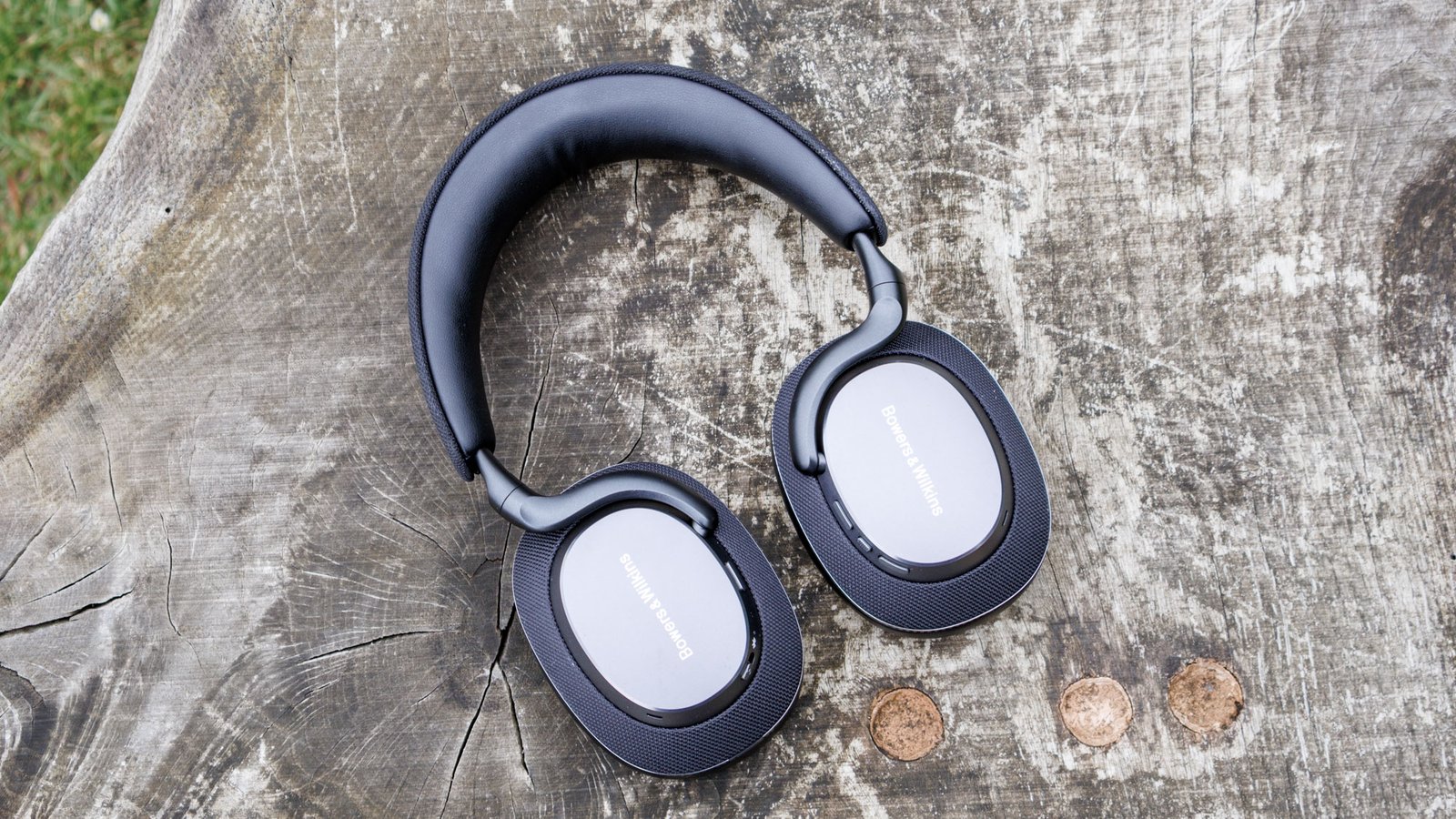
Sound quality for music requires specific characteristics beyond basic audio playback. Frequency response, soundstage, and driver technology all contribute to exceptional musical reproduction.
Accurate frequency response ensures instruments and vocals sound natural. The best music headphones deliver balanced bass, clear mids, and detailed treble without exaggeration.
Soundstage creates the sense of space around instruments. Open-back headphones typically excel here, placing each element precisely within an imaginary three-dimensional space.
Driver quality determines how faithfully headphones reproduce sound. Larger drivers often produce better bass response, while premium materials reduce distortion.
Sennheiser HD 800 S: Ultimate Audiophile Choice
The Sennheiser HD 800 S represent the pinnacle of headphone engineering for music lovers. These open-back headphones deliver unmatched soundstage and accuracy.
Priced around $1,599, they feature 56mm ring radiator transducers. This unique driver design creates an incredibly spacious presentation that reveals every detail in recordings.
The frequency response extends from 4Hz to 51kHz, capturing musical nuances beyond human hearing limits. This extended range ensures nothing gets lost in translation.
Comfort matches performance with their lightweight design and luxurious velour earpads. You can listen for hours without fatigue, perfect for extended music sessions.
These require proper amplification to reach their full potential. A dedicated headphone amplifier unlocks the HD 800 S’s true capabilities, making the investment worthwhile.
Sony WH-1000XM6: Best Wireless for Music
The Sony WH-1000XM6 combine excellent sound quality with market-leading noise cancellation. These wireless headphones excel for both casual and critical music listening.
Sony’s proprietary 40mm drivers deliver rich, detailed sound across all genres. The bass hits hard without overwhelming mids and treble, maintaining musical balance.
Industry-leading ANC blocks external noise effectively. You can enjoy music in noisy environments without cranking volume to dangerous levels.
Battery life reaches up to 30 hours with ANC enabled. Quick charging provides 5 hours of playback from just 10 minutes of charging.
The companion app offers extensive EQ customization. Adjust sound profiles to match your music preferences or specific genres perfectly.
Sennheiser HD 490 Pro Plus: Studio Excellence
The Sennheiser HD 490 Pro Plus deliver professional-grade sound quality at a more accessible price point. These closed-back headphones provide accuracy music producers and audiophiles demand.
At around $399, they offer exceptional value. The balanced frequency response makes them ideal for mixing, mastering, and critical listening sessions.
Two sets of earpads come included with different tuning characteristics. This versatility lets you switch between analytical and more relaxed listening experiences.
The closed-back design provides excellent isolation. You can use these in moderately noisy environments without significant sound leakage or external intrusion.
Build quality inspires confidence with replaceable parts. Sennheiser designed these for long-term professional use, ensuring durability through years of daily listening.
Audio-Technica ATH-M50x: Budget Champion
The Audio-Technica ATH-M50x deliver remarkable sound quality under $200. These studio monitor headphones have earned legendary status among music enthusiasts.
45mm large-aperture drivers provide powerful bass response. Rock, electronic, and hip-hop genres benefit from the punchy low-end these headphones produce.
Three detachable cables included expand versatility. Use the coiled cable for studio work or straight cables for portable listening.
The foldable design fits easily into included carrying pouches. Despite their professional pedigree, these travel well for on-the-go music enjoyment.
Comfort could improve for extended sessions. The tight clamp force ensures good isolation but may cause fatigue during marathon listening sessions.
Focal Bathys MG: Luxury Wireless Experience
The Focal Bathys MG represent wireless headphone pinnacle, closing the gap between wired and Bluetooth audio quality. At $1,499, they target serious music lovers.
Magnesium drivers deliver fast transient response. This means instruments sound more realistic with proper attack and decay characteristics.
Active noise cancellation maintains sonic integrity. Unlike some ANC implementations, Focal’s doesn’t compromise sound quality when engaged.
USB-C wired mode bypasses Bluetooth entirely. The internal DAC supports hi-res audio up to 24-bit/96kHz for maximum fidelity.
Battery life reaches 30 hours with ANC on. These work all day for commutes, flights, and work sessions without needing recharges.
Beyerdynamic DT 990 Pro: Open-Back Classic
The Beyerdynamic DT 990 Pro offer audiophile sound quality at mid-tier pricing. These open-back studio headphones have remained popular for decades.
Priced around $179, they deliver exceptional value. The wide soundstage creates an immersive listening experience perfect for orchestral and acoustic music.
The bright treble response reveals detail in recordings. Some listeners find this fatiguing, while others appreciate the analytical presentation.
Velour earpads provide all-day comfort. The circumaural design doesn’t press on ears, allowing extended listening without discomfort.
Sound leakage is significant due to open-back design. These work best in quiet home environments, not public spaces or offices.
AKG K712 Pro: Comfort Meets Performance
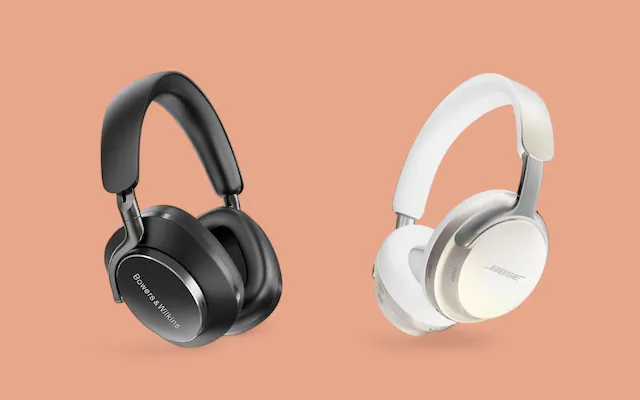
The AKG K712 Pro balance exceptional comfort with impressive sound quality. These open-back headphones suit long listening sessions perfectly.
Lightweight construction reduces pressure on head and ears. Even sensitive listeners can wear these for hours without developing headaches.
The soundstage impresses with width and depth. Instruments occupy distinct positions in the stereo field, creating realistic spatial imaging.
Bass response remains controlled and accurate. While not bass-heavy, these reproduce low frequencies with proper weight and texture.
They require amplification to sound their best. Mobile devices may struggle to drive these properly, so consider a portable DAC/amp.
Meze 99 Classics: Style and Substance
The Meze 99 Classics prove beautiful design doesn’t compromise sound quality. These closed-back headphones combine visual appeal with musical performance.
Handcrafted walnut wood cups create a distinctive aesthetic. No two pairs look exactly alike, giving each one unique character.
The warm sound signature suits most music genres. Bass presence adds enjoyment without bleeding into midrange frequencies.
Excellent isolation makes these versatile. Use them at home, in offices, or during commutes without disturbing others.
The self-adjusting headband ensures proper fit. This innovative design eliminates complicated adjustment mechanisms while maintaining comfort.
Audeze LCD-5: Planar Magnetic Flagship
The Audeze LCD-5 represent the cutting edge of planar magnetic technology. At $4,500, they target hardcore audiophiles seeking ultimate performance.
These weigh significantly less than previous LCD models. Audeze reduced weight while maintaining the massive planar drivers’ sound quality.
The frequency response measures exceptionally flat. This neutral tuning reveals exactly what’s in recordings without coloration.
Soundstage competes with the best open-backs available. The presentation feels natural and spacious, perfect for acoustic instruments.
They demand serious amplification power. Budget at least $500-1,000 for an amplifier capable of properly driving these headphones.
HiFiMan Arya Stealth: Value Planar Option
The HiFiMan Arya Stealth bring planar magnetic quality to a more accessible price point. At $1,299, they offer remarkable performance.
Stealth magnet technology reduces distortion. The redesigned magnetic structure improves transparency and detail retrieval significantly.
Comfort exceeds many planar magnetic competitors. Despite large drivers, these remain relatively lightweight and comfortable.
The open-back design creates impressive soundstage. Instruments breathe naturally with proper separation and imaging.
Build quality could be more robust. HiFiMan headphones historically suffer durability issues, though recent models have improved.
Grado SR325x: Made in Brooklyn
The Grado SR325x continue the company’s tradition of hand-built excellence. These open-back headphones deliver the signature Grado sound character.
Metal housing improves upon previous plastic models. The upgraded materials reduce resonance and enhance durability.
The forward midrange presentation suits rock and guitar music. Vocals and electric guitars occupy center stage with impressive presence.
They lack bass extension compared to competitors. Electronic and hip-hop genres may sound thin through these headphones.
The utilitarian design won’t appeal to everyone. Grado prioritizes function over form, resulting in a no-nonsense aesthetic.
Shure SRH1540: Professional Closed-Back
The Shure SRH1540 offer professional sound quality in a closed-back design. At $499, they balance isolation with audio performance.
Alcantara earpads provide luxurious comfort. The premium materials feel soft against skin during extended listening sessions.
The sound signature leans slightly warm. This makes long listening sessions less fatiguing while maintaining good detail retrieval.
Excellent build quality ensures longevity. Replaceable parts mean these can last decades with proper care and maintenance.
The detachable cable system uses a proprietary connection. This limits cable upgrade options compared to standard connectors.
Sony MDR-7506: Industry Standard
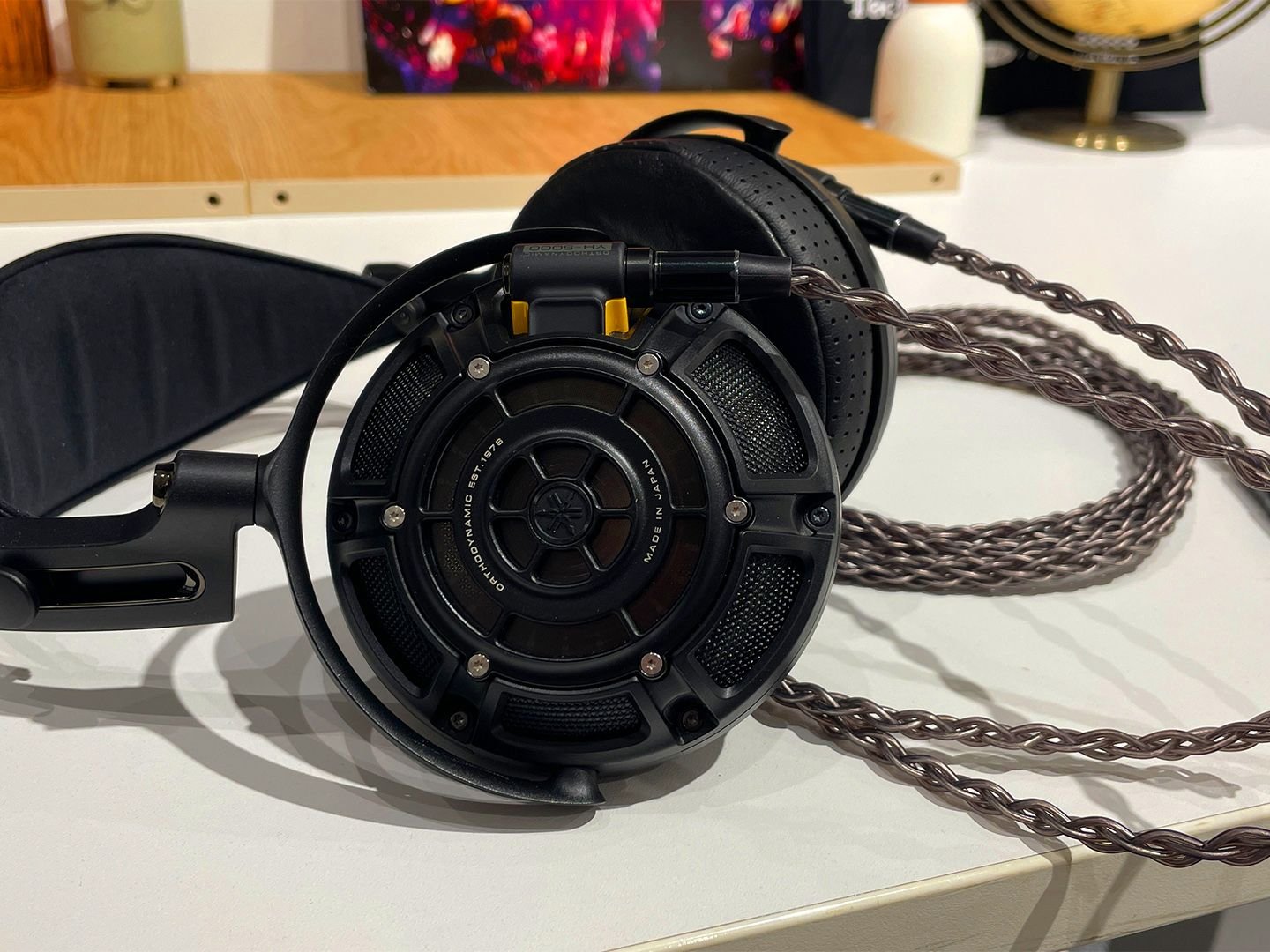
The Sony MDR-7506 have defined studio monitoring for over 30 years. These closed-back headphones remain relevant despite numerous competitors.
At around $99, they represent incredible value. Professional studios worldwide rely on these for recording, mixing, and mastering.
The bright, detailed sound reveals recording flaws. This analytical character makes them excellent tools for critical listening.
Comfort suffers during extended use. The tight clamp and thin padding can become uncomfortable after several hours.
Coiled cable may annoy some users. The spring cable design suits studio work but adds bulk for portable use.
Philips Fidelio X2HR: Budget Audiophile Pick
The Philips Fidelio X2HR deliver audiophile-grade sound under $150. These open-back headphones punch well above their price class.
50mm neodymium drivers produce impressive bass response. The low-end presence surprises listeners expecting thin bass from open-backs.
Self-adjusting headband eliminates fit issues. The hammock-style suspension system accommodates different head sizes automatically.
Velour earpads feel comfortable and breathable. You can listen for hours without ears becoming sweaty or fatigued.
Build quality feels premium despite modest pricing. Metal and leather accents create a luxurious aesthetic.
Bose QuietComfort Ultra 2nd Gen: ANC Excellence
The Bose QuietComfort Ultra 2nd Gen set the standard for noise cancellation. These wireless headphones excel when music competes with environmental noise.
The ANC technology blocks ambient sound effectively. Airplane engines, traffic noise, and office chatter disappear completely.
Sound quality improves over previous generations. Bose balanced their signature warmth with better clarity and detail.
Comfort remains unmatched in the category. Bose’s legendary padding and light weight allow all-day wearing without issues.
Battery life reaches 27 hours in testing. Quick charging adds hours of playback from short charging sessions.
Sennheiser Momentum 4 Wireless: Audiophile ANC
The Sennheiser Momentum 4 Wireless combine audiophile sound with effective noise cancellation. These target music lovers wanting wireless convenience without sonic compromise.
Sound quality prioritizes musicality over consumer appeal. The balanced signature works across all genres without excessive bass boost.
Battery life reaches an incredible 60 hours. You can go weeks between charges with moderate daily use.
Comfortable earpads support marathon listening sessions. The plush padding distributes pressure evenly around ears.
The companion app provides extensive customization. EQ controls, ANC intensity, and sound modes let you dial in preferences.
Apple AirPods Max: Ecosystem Integration
The Apple AirPods Max offer seamless integration for Apple users. These wireless headphones prioritize convenience alongside solid sound quality.
Spatial audio creates immersive soundstage effects. Compatible content benefits from head-tracked 3D audio positioning.
Build quality feels premium with aluminum construction. The materials and finish justify the premium pricing.
The Smart Case design remains controversial. The minimal protection and awkward shape frustrate many users.
High price of $549 limits appeal. Comparable sound quality costs significantly less from competitors.
Wired vs Wireless: Sound Quality Comparison
The eternal debate between wired and wireless headphones continues in 2026. Each approach offers distinct advantages for music listening.
Wired headphones still deliver superior sound quality. Without Bluetooth compression, wired connections preserve audio fidelity completely.
Wireless technology has improved dramatically. Advanced codecs like LDAC and aptX Adaptive narrow the quality gap significantly.
Convenience favors wireless headphones overwhelmingly. Freedom from cables improves portability and ease of use substantially.
Wired headphones never need charging. This reliability matters for long listening sessions or frequent travelers.
Open-Back vs Closed-Back Design
Headphone design significantly impacts music listening experience. Open-back and closed-back architectures serve different purposes.
Open-back headphones create superior soundstage. The design allows sound waves to pass through, creating natural, spacious presentation.
Sound leakage limits open-back usage locations. Everyone nearby hears your music, restricting use to private spaces.
Closed-back headphones provide excellent isolation. The sealed design blocks external noise and prevents sound leakage effectively.
Bass response often improves with closed-backs. The sealed chambers create acoustic pressure that enhances low-frequency reproduction.
Understanding Headphone Impedance
Impedance affects how headphones interact with audio sources. Understanding this specification helps match headphones with appropriate equipment.
High impedance headphones (250-600 ohms) require powerful amplification. Mobile devices struggle to drive these properly without dedicated amps.
Low impedance models (16-32 ohms) work with smartphones. These draw more current but need less voltage for adequate volume.
Sensitivity complements impedance specifications. High sensitivity headphones play louder with less power input.
Matching impedance prevents damaging equipment. Using headphones with appropriate impedance for your source protects both components.
Headphone Amplifiers: Worth the Investment?
Dedicated headphone amplifiers unlock potential in high-quality headphones. Budget considerations determine whether this investment makes sense.
Entry-level amps start around $100-200. Options like FiiO K5 Pro or Schiit Magni significantly improve sound from quality headphones.
Mid-range amps ($300-800) offer serious upgrades. These properly drive demanding headphones while adding minimal distortion.
Portable DAC/amps combine functionality. Units like iFi hip-dac or AudioQuest DragonFly provide improved sound anywhere.
Diminishing returns occur above certain price points. The difference between $1,000 and $5,000 amps may not justify costs.
DAC Technology and Music Quality
Digital-to-analog converters significantly impact music playback quality. Most modern devices contain DACs, but quality varies widely.
Smartphone DACs prioritize convenience over quality. While adequate for casual listening, they limit high-end headphone performance.
Dedicated DACs improve sound noticeably. Better components reduce noise floor and distortion while improving dynamic range.
USB DACs connect easily to computers. Popular options include Schiit Modi, JDS Labs Atom DAC, and AudioQuest DragonFly series.
Wireless headphones include built-in DACs. Premium models like Focal Bathys MG feature high-quality internal converters.
Bluetooth Codecs Explained
Bluetooth codec support determines wireless audio quality. Understanding different codecs helps choose appropriate wireless headphones.
SBC provides baseline Bluetooth audio quality. This universal codec works everywhere but offers limited fidelity.
AAC improves quality for Apple devices. iPhones and iPads benefit from AAC’s better compression algorithms.
aptX and aptX HD deliver near-CD quality. Qualcomm’s proprietary codec reduces latency and improves sound quality.
LDAC offers highest Bluetooth fidelity currently available. Sony’s codec supports up to 990kbps bitrate for exceptional wireless audio.
Active Noise Cancellation Impact
ANC technology transforms listening experience in noisy environments. Understanding how it works helps evaluate potential compromises.
Microphones detect ambient noise patterns. Processing circuits generate inverse sound waves that cancel external noise.
Quality implementations preserve sound integrity. Premium ANC headphones maintain audio quality when noise cancellation engages.
Budget ANC may degrade sound quality. Cheaper implementations sometimes muffle audio or introduce artifacts.
ANC works best on constant low-frequency noise. Airplane engines and traffic noise cancel more effectively than sudden sounds.
Comfort Factors for Long Listening
Physical comfort matters as much as sound quality for music lovers. Several factors determine whether headphones suit extended use.
Weight distribution affects long-term wearability. Heavy headphones cause neck strain during marathon listening sessions.
Earpads materials impact comfort significantly. Velour stays cooler than leather, while memory foam conforms to individual ear shapes.
Clamp force must balance isolation with comfort. Too tight causes headaches; too loose allows sound leakage.
Headband padding prevents pressure points. Quality headphones distribute weight evenly across the top of the head.
Music Genre Considerations
Different music genres emphasize different frequency ranges. Choosing headphones that complement your preferred genres improves enjoyment.
Classical music benefits from accurate midrange. String instruments and orchestral dynamics require detailed, balanced reproduction.
Electronic music demands quality bass response. Deep, controlled low-end reproduction enhances dance and hip-hop tracks.
Rock music needs forward midrange presence. Guitar and vocal clarity matter more than extended bass response.
Jazz appreciates wide soundstage presentation. Instrument separation and spatial imaging create realistic club atmosphere.
Testing Headphones Properly
Proper evaluation ensures choosing headphones matching your needs. Several testing approaches reveal different performance aspects.
Use familiar music for initial impressions. Songs you know intimately reveal how headphones color sound.
Test across multiple genres. Headphones performing well with one style may disappoint with others.
Listen at moderate volumes. Excessive volume masks flaws and risks hearing damage.
Allow break-in time before final judgment. Some headphones improve after 20-40 hours of use.
Maintaining Your Headphones
Proper care extends headphone lifespan significantly. Simple maintenance prevents damage and maintains performance.
Store headphones properly when not using. Cases or stands prevent cable damage and protect drivers.
Clean earpads regularly to prevent buildup. Gentle cleaning removes oils and dirt that degrade materials.
Handle cables carefully to avoid damage. Never yank cables or let them tangle aggressively.
Replace worn parts promptly. Most premium headphones offer replacement earpads, cables, and other components.
Budget Allocation Strategy
Determining appropriate headphone budget requires balancing performance with financial reality. Strategic spending maximizes value.
The $100-200 range offers excellent entry options. Models like Audio-Technica ATH-M50x deliver satisfying performance.
$300-600 represents the sweet spot. Diminishing returns begin above this range for most listeners.
Allocate budget for supporting equipment. Great headphones need good sources and amplification to shine.
Consider long-term value over initial cost. Premium headphones lasting decades justify higher upfront investment.
Where to Buy Music Headphones
Purchase location impacts pricing, selection, and return policies. Several options offer different advantages.
Online retailers provide widest selection. Amazon, Crutchfield, and manufacturer websites stock everything available.
Local audio shops offer hands-on testing. Trying before buying ensures comfort and sound signatures match preferences.
Used markets save money on premium models. Head-Fi classifieds and eBay feature gently used audiophile headphones.
Wait for sales on premium models. Black Friday, Prime Day, and other events offer significant discounts.
Future Headphone Technology Trends
Headphone technology continues evolving rapidly. Several emerging trends will shape future music listening experiences.
Spatial audio implementation improves continuously. Head-tracking and immersive formats become more sophisticated annually.
Wireless transmission quality approaches wired. New Bluetooth versions and codecs narrow the fidelity gap further.
Personalized sound tuning gains adoption. Apps measuring hearing profiles customize frequency response automatically.
Sustainable materials become priorities. Manufacturers increasingly use recycled and biodegradable components.
Professional vs Consumer Models
Headphones designed for professionals differ from consumer-focused models. Understanding these differences guides appropriate selection.
Professional headphones prioritize accuracy over enjoyment. Flat frequency response reveals recording flaws for mixing and mastering.
Consumer headphones enhance enjoyment through tuning. Bass boost and warmth make music more immediately satisfying.
Studio models emphasize durability and serviceability. Replaceable parts and robust construction withstand professional use.
Consumer headphones add convenience features. Wireless connectivity, ANC, and smart features enhance user experience.
Matching Headphones to Music Sources
The quality of your music source significantly impacts headphone performance. Optimizing the entire chain matters.
Streaming services vary in audio quality. Tidal HiFi, Apple Music Lossless, and Amazon Music HD offer best quality.
Local files provide maximum quality potential. FLAC and ALAC formats preserve full CD or hi-res quality.
Vinyl playback offers unique character. Proper turntable, phono preamp, and headphone amp reveal analog warmth.
YouTube and Spotify free tier limit quality. Lower bitrates can’t fully utilize premium headphone capabilities.
Hearing Safety Considerations
Protecting hearing health matters more than audio quality. Safe listening habits prevent irreversible damage.
The 60/60 rule prevents damage. Listen at no more than 60% volume for no longer than 60 minutes continuously.
Take regular listening breaks. Resting ears prevents fatigue and reduces cumulative noise exposure.
Avoid increasing volume in noisy environments. Use ANC headphones instead of volume wars with ambient noise.
Get hearing tested regularly. Annual audiometry catches early damage before it becomes severe.
Warranty and Return Policies
Purchase protection matters for expensive headphones. Understanding policies before buying prevents frustration.
Manufacturer warranties typically cover defects. One to three-year coverage protects against manufacturing failures.
Extended warranties may offer value. Expensive headphones justify additional protection plans.
Retailer return windows enable risk-free testing. Amazon’s 30-day returns let you properly evaluate headphones.
Register products after purchase. Warranty claims require proof of purchase and registration.
Building a Headphone Collection
Serious music lovers benefit from owning multiple headphones. Different models serve different purposes optimally.
Start with versatile all-rounder. A good closed-back or wireless model handles most situations.
Add open-back for home listening. These provide best sound quality in quiet environments.
Include portable option for travel. Wireless ANC headphones work perfectly for commutes and flights.
Consider genre-specific models. Bass-heavy headphones for electronic music, neutral ones for classical, etc.
Frequently Asked Questions (FAQs)
What are the best headphones for music in 2026?
The Sennheiser HD 800 S represent the best overall for music with exceptional soundstage and accuracy at $1,599. For wireless options, the Sony WH-1000XM6 offer excellent sound quality with ANC at $399, while budget-conscious listeners should consider the Audio-Technica ATH-M50x under $200.
Are wired or wireless headphones better for music quality?
Wired headphones still deliver superior sound quality by avoiding Bluetooth compression, making them ideal for critical listening at home. However, 2026’s wireless headphones with advanced codecs like LDAC and aptX Adaptive have narrowed the gap significantly, offering excellent quality with added convenience for portable use.
Do I need a headphone amplifier for music listening?
You need an amplifier if your headphones have high impedance (250+ ohms) like the Sennheiser HD 600 or HD 800 S. Low-impedance headphones work fine with smartphones, but even these benefit from dedicated amps, which reduce distortion and improve dynamic range for $100-500.
What’s the difference between open-back and closed-back headphones?
Open-back headphones like the Beyerdynamic DT 990 Pro create wider soundstage and natural sound but leak audio significantly, making them ideal for home use only. Closed-back headphones provide isolation and portability without sound leakage, though they typically offer smaller soundstage and less natural presentation.
Are expensive headphones worth it for casual listening?
Expensive headphones provide diminishing returns above $600 for casual listeners who stream standard-quality music through smartphones. However, if you listen to hi-res audio, use proper amplification, and spend hours daily with music, premium headphones like the Focal Bathys MG justify their cost with superior clarity, comfort, and durability.
How important is frequency response for music headphones?
Frequency response determines how accurately headphones reproduce different pitches from bass to treble. The best music headphones offer balanced response (20Hz-20kHz) without excessive bass or treble emphasis, allowing you to hear recordings as artists and engineers intended without artificial coloration.
Can noise-cancelling headphones match audiophile sound quality?
Modern ANC headphones like the Sennheiser Momentum 4 Wireless and Focal Bathys MG approach audiophile sound quality with advanced ANC that doesn’t compromise audio integrity. While the absolute best sound still comes from wired open-backs, premium wireless ANC models now satisfy even discerning listeners in 2026.
What headphones do music producers use?
Music producers typically use studio monitors like the Sony MDR-7506, Audio-Technica ATH-M50x, or Sennheiser HD 490 Pro Plus because these offer accurate, uncolored sound that reveals recording flaws. The flat frequency response helps producers make better mixing and mastering decisions compared to consumer headphones with enhanced bass.
How long do quality music headphones last?
Quality headphones with replaceable parts last 10-20+ years with proper care and maintenance. Brands like Sennheiser, Beyerdynamic, and Audio-Technica offer replacement cables, earpads, and headbands. Wireless headphones have shorter lifespans (5-8 years) due to non-replaceable batteries that degrade over time.
What music should I use to test headphones?
Use familiar songs across multiple genres including orchestral classical for soundstage, bass-heavy electronic for low-end response, acoustic folk for midrange clarity, and complex jazz for instrument separation. High-quality recordings like Steely Dan, Daft Punk’s “Random Access Memories,” and classical recordings reveal headphone strengths and weaknesses.
Conclusion
The best headphones for music in 2026 span an incredible range of technologies, designs, and price points to suit every listener’s needs and budget.
From the ultimate audiophile experience of the Sennheiser HD 800 S to the convenience and quality of wireless options like the Sony WH-1000XM6, today’s headphones deliver unprecedented audio performance that brings recordings to life with stunning clarity and detail.
Whether you prioritize wired sound quality, wireless convenience, active noise cancellation, or budget value, the current headphone market offers exceptional options across every category.
The Audio-Technica ATH-M50x prove great sound doesn’t require huge budgets, while premium models like the Focal Bathys MG demonstrate how far wireless technology has advanced.
Open-back headphones create spacious soundstages for home listening, closed-backs provide isolation for travel, and planar magnetic drivers push performance boundaries.


