


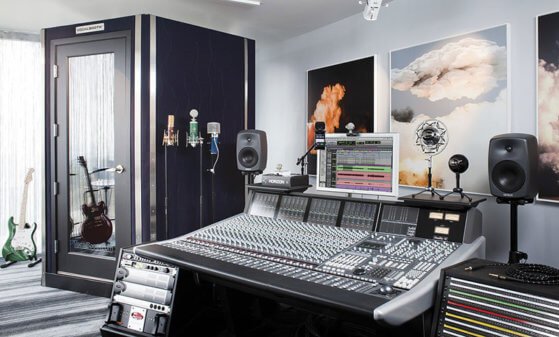
A home music studio has to do more than make good recordings. In a shared home, it also needs to fit around family routines, keep equipment safe, and avoid turning every practice session into a household disruption. A little planning can make a compact setup useful for musicians while still leaving room for everyone else.
Choose a space for the way you work
Before buying more gear, watch how the household uses its rooms. A spare bedroom may seem ideal, but it might also be the only quiet place for a child to study or a partner to take calls. A corner of a living area can work if sessions are short and equipment can be packed away, while a basement or insulated shed may suit longer recording sessions.
Think about noise in both directions. A room that sounds quiet to the musician may still transmit low frequencies through floors and walls. Rugs, curtains, bookcases and soft furnishings can reduce reflections inside the room, though they are not a substitute for proper sound isolation. If you record amplified instruments, agree on quiet hours and consider headphones for monitoring. Clear expectations often matter more than an expensive acoustic treatment plan.
Make the setup easy to put away
In a family home, a studio is more sustainable when it can shift between music time and everyday use. Use a sturdy desk or folding table, label cables, and keep small accessories in closed containers. A compact stand for headphones and a designated place for microphones make it less likely that equipment will end up under a pile of laundry or within reach of young children.
Secure heavy speakers and monitors so they cannot be pulled over. Route cables along walls or under covers rather than across walkways, and keep power strips away from spills. Store instruments in cases when they are not in use, especially if the room is shared. These habits protect both the equipment and the people moving through the space.
Set routines that respect other people
Music sessions are easier to manage when the household knows when they are likely to happen. A shared calendar or a simple note on the door can help family members plan around recording, lessons or practice. It also helps the musician: a defined session is less likely to expand into an entire evening of adjusting settings.
Build a quick setup and shutdown routine. Before playing, check that the room is clear, the recording level is sensible and the door is closed if needed. At the end, save the project, turn off equipment, coil cables and return shared surfaces to their normal use. If children are interested in the studio, invite them to try safe tasks such as choosing a rhythm or listening back to a short recording, rather than leaving delicate gear unattended.
Photograph the studio without losing the working feel
Photos can be useful for documenting a setup, sharing a music project, or showing how a practice space fits into a real home. Start with natural light and remove only the clutter that distracts from the story. A close shot of an instrument, a wider view of the room and a candid image of someone working can explain more than a row of polished equipment on its own.
If you hire a photographer, describe the space, the number of people involved and the images you need before requesting a quote. Ask whether setup time, editing, image licensing, parking and photographer travel fees are included. Rates vary by shoot type and location, so comparing the full scope of each quote is more useful than comparing a single hourly figure. Osdire’s guide to photographer pricing breaks down common approaches, including hourly, day-rate and per-image pricing.
For a simple DIY session, take pictures at the room’s brightest time of day, avoid mixing several competing light sources, and leave enough space around the subject. Keep family members’ privacy in mind: remove visible calendars, school details and personal documents, and get permission before sharing anyone’s image publicly.
Share what you learn with the right readers
A well-designed home studio can make a useful article for musicians, parents and people trying to balance creative work with domestic life. Focus on practical details—what fits in a small room, how you manage noise, or how children can safely explore music—rather than presenting the space as a perfect showroom. Specific lessons are easier for readers to apply.
When you want to publish beyond your own site, look for outlets whose readers are genuinely interested in home life, family routines or creative spaces. A directory of home and family blogs can help identify places that accept guest articles. Check each publication’s audience and submission requirements, then adapt the piece to its readers instead of sending the same pitch everywhere.
A family-friendly studio is ultimately less about having a dedicated room than about making music fit comfortably into daily life. Safe storage, considerate scheduling and a realistic approach to noise can keep the creative space working for everyone under the same roof.

